脑机接口

Search documents
红杉百度押注,脑机接口第一股要来了
3 6 Ke· 2026-02-05 10:40
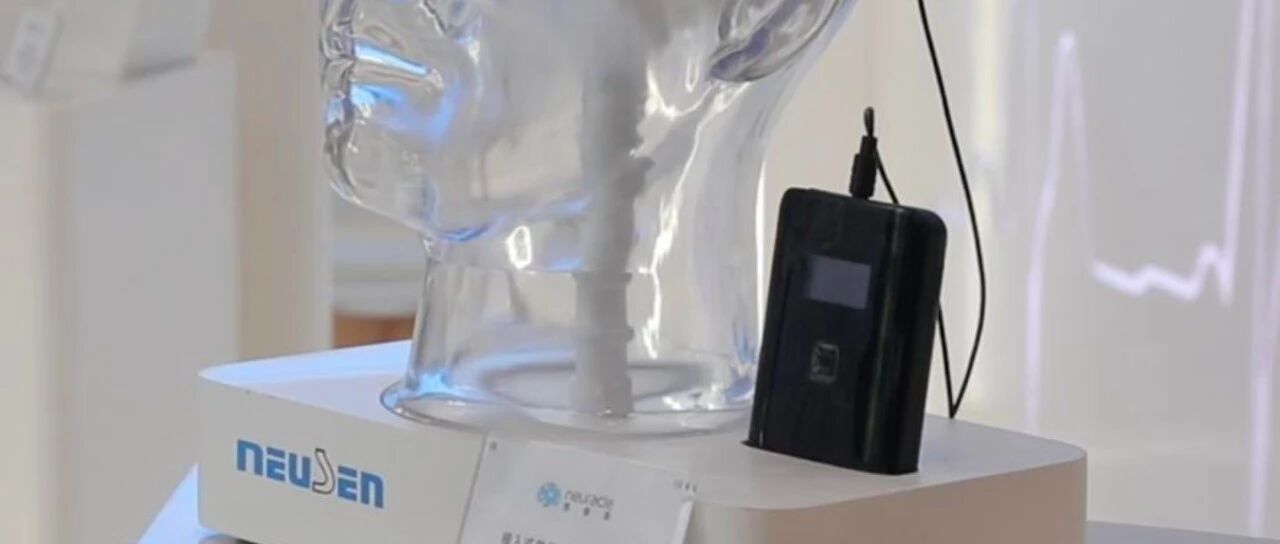
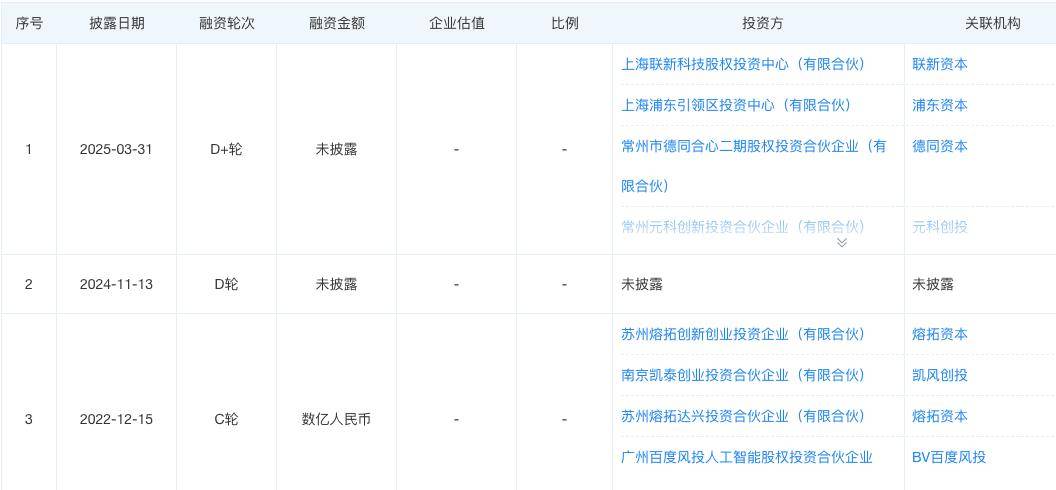
Core Viewpoint - Brain-computer interface technology developer, Boruikang Technology (Shanghai) Co., Ltd., has initiated the listing guidance process with CITIC Securities, marking a significant step towards its IPO [1][3]. Company Overview - Boruikang was established on November 18, 2011, with a registered capital of 60 million yuan. The company is headquartered in Shanghai and is classified under the specialized equipment manufacturing industry [2]. - The major shareholder, Xu Honglai, directly holds 12.2453% of the shares and controls a total of 23.3332% through partnerships [2][7]. Investment and Financing - Boruikang has attracted multiple rounds of financing from notable investors, including Sequoia Capital and Baidu Ventures, with a significant B round financing exceeding 100 million yuan in March 2021 [6][9]. - The company has completed a total of 7 financing rounds, with the latest D+ round occurring in March 2025, involving several investment firms [7]. Market Potential and Industry Growth - The brain-computer interface market in China is projected to exceed 3.8 billion yuan by 2025, driven by government support and increasing market enthusiasm [4]. - The "14th Five-Year Plan" emphasizes the development of brain-computer interfaces as a new economic growth point, with substantial funds allocated in cities like Shanghai and Shenzhen [4]. Product Development and Clinical Trials - Boruikang has developed the NEO brain-computer interface system, which has successfully completed 36 surgeries on spinal cord injury patients across 11 hospitals, demonstrating its safety and feasibility [10][15]. - The company has obtained 17 technology patents and multiple certifications, positioning itself as a leader in the commercialization of brain-computer interface technology in China [14]. Future Outlook - The successful clinical trials of the NEO system may lead to it becoming the first implanted brain-computer interface product approved for market release in China [15]. - The competitive landscape is heating up, with potential IPOs from Boruikang and other companies like Qiangnao Technology, which could significantly impact the secondary market [15].

“感觉我的手又回来了” 一家中国企业,正用脑机接口改写残缺人生
新浪财经· 2026-02-05 09:35
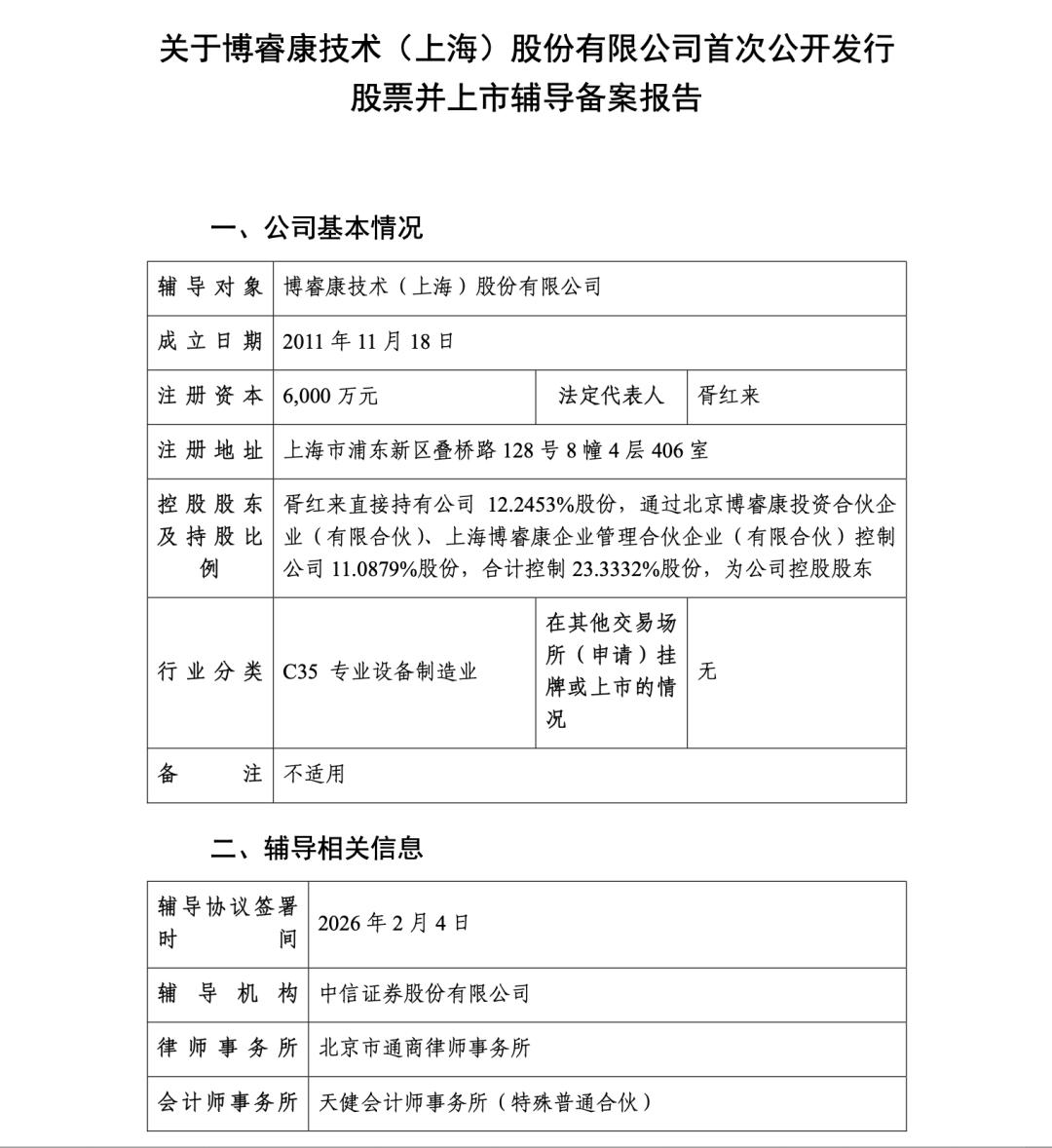
Core Viewpoint - The article highlights the advancements and potential of brain-computer interface (BCI) technology, particularly through the efforts of Qiangnao Technology, which aims to help disabled individuals regain mobility and improve their quality of life [6][10]. Group 1: Event Overview - The "Entrepreneur Night" event took place on January 29 in Beijing, where Qiangnao Technology's CEO Han Bicheng was honored [3]. - Guests included Gao Dekang, Chairman of Bosideng, and Yin Ye, CEO of BGI, who praised Qiangnao Technology for its innovative contributions [4][5]. Group 2: Company Mission and Goals - Qiangnao Technology aims to use advanced technology, specifically thought control, to assist individuals with disabilities in regaining limbs and improving their daily lives [6][14]. - The company has set a goal to help 1 million disabled individuals regain mobility within the next 5 to 10 years [7][14]. Group 3: Technology Development - The development of BCI technology has transitioned from a long experimental phase to a recent period of industrial application, marking a significant milestone for the industry [9]. - Qiangnao Technology represents a key player in making BCI technology accessible and practical for everyday use, moving beyond theoretical applications [10]. Group 4: Technical Challenges and Innovations - The primary challenges in BCI technology include data collection and analysis due to the complexity of the human brain, which contains billions of neurons [11]. - The integration of AI technology is expected to enhance the capabilities of BCI, allowing for more precise control of prosthetics and other applications [11]. Group 5: Policy Support and Future Outlook - The Chinese government's "14th Five-Year Plan" has recognized BCI as one of the six key future industries, indicating strong policy support for its development [12]. - BCI technology offers new intervention possibilities for brain-related health issues, potentially transforming the medical field by providing non-chemical solutions [12].
脑机接口企业博睿康 启动上市辅导
Zhong Guo Zheng Quan Bao· 2026-02-05 08:39
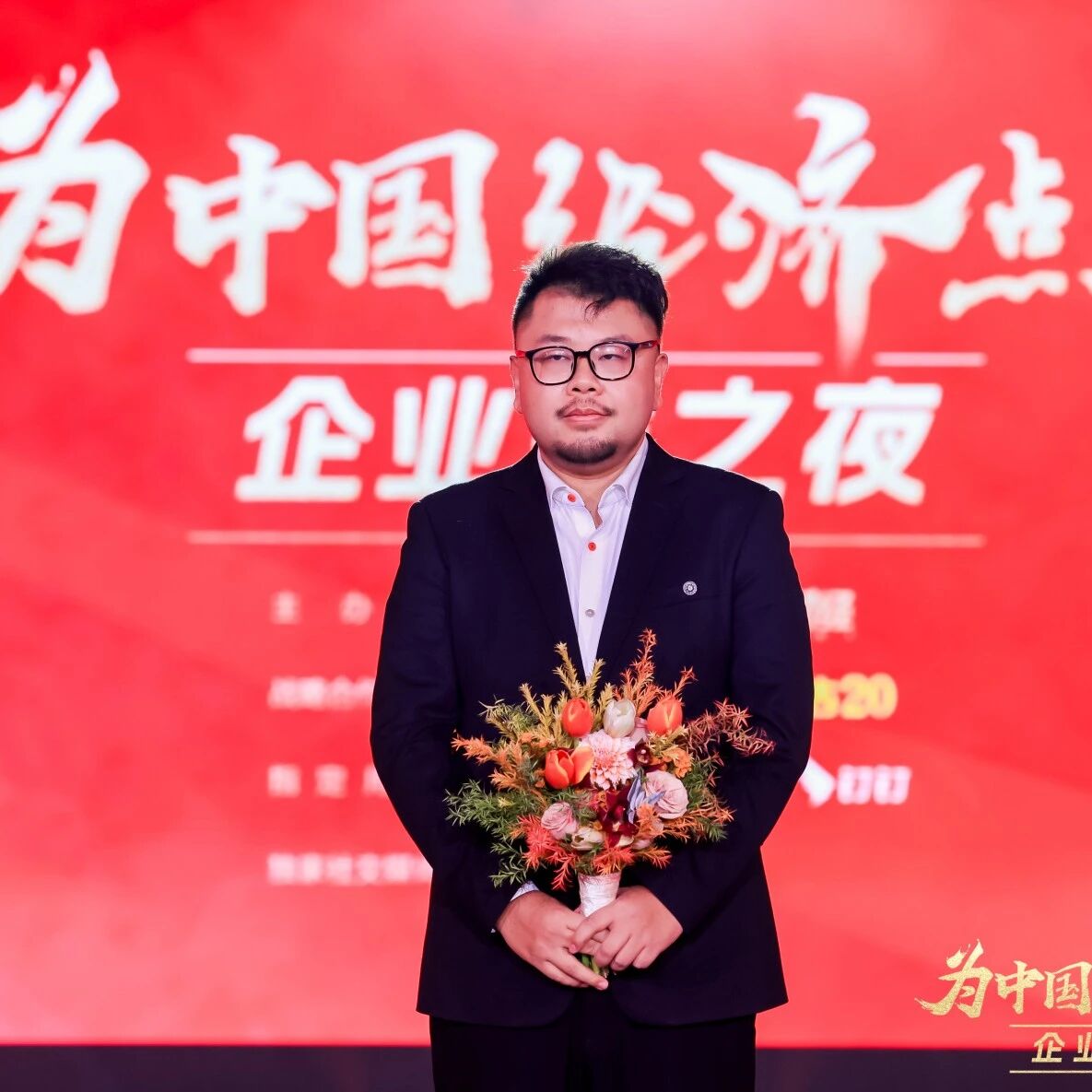
近期,脑机接口领域热点不断。 据央视新闻消息,2月3日至4日,全国首届脑机接口开发者大会在天津召开,近千名来自全国各地脑机 接口领域的技术开发者、算法工程师、头部企业代表、临床医生及行业专家齐聚天津,集中探讨脑机接 口技术的前瞻布局和场景落地,构建更具活力的脑机接口未来产业创新生态。 "脑机交互与人机共融海河实验室"微信公众号2月4日发布消息称,近日,由脑机交互与人机共融海河实 验室周鹏智慧中医团队牵头,天津中医药大学第一附属医院等多家优势单位联合研发的全国首个脑控针 灸融合神经康复装备平台"神工—华佗"在津落地。 (文章来源:中国证券报) 中国证监会网站显示,脑机接口企业博睿康技术(上海)股份有限公司(简称"博睿康")2月4日在上海 证监局办理辅导备案登记,拟首次公开发行股票并上市,辅导机构为中信证券。 博睿康成立于2011年11月18日,注册资本6000万元,法定代表人为胥红来。 辅导备案报告显示,胥红来直接持有公司12.2453%股份,通过北京博睿康投资合伙企业(有限合 伙)、上海博睿康企业管理合伙企业(有限合伙)控制公司11.0879%股份,合计控制23.3332%股份, 为公司控股股东。 博睿康网站 ...
“感觉我的手又回来了” 一家中国企业,正用脑机接口改写残缺人生
Xin Lang Cai Jing· 2026-02-05 07:49
Core Insights - The event "Praise for China's Economy - Entrepreneur Night" was held on January 29 in Beijing, where Han Bicheng, founder and CEO of Qiangnao Technology, was honored [2][14] - The event highlighted the advancements in brain-computer interface (BCI) technology, showcasing its potential to transform the lives of disabled individuals [3][17] Company Overview - Qiangnao Technology aims to utilize advanced technology, specifically thought control, to assist individuals with disabilities in regaining mobility and independence [4][16] - The company was founded by Han Bicheng in 2015, making it a pioneer in the BCI industry, which has seen significant growth and recognition in recent years [6][19] Technological Development - BCI technology has evolved through two main phases: a long experimental phase and a recent industrialization phase, with Qiangnao Technology being a representative enterprise in this field [6][19] - The technology is categorized into invasive and non-invasive types, with Qiangnao focusing on non-invasive methods that are safer and more applicable to consumer markets [7][19] Applications and Impact - Current applications of BCI technology include providing neural-controlled prosthetics for limb-disabled individuals, enabling communication for autistic children, and improving sleep for those with insomnia [8][20] - The technology has the potential to address significant health issues, as approximately one-third of global healthcare spending is related to brain health [22] Future Goals - Qiangnao Technology has set an ambitious goal to help 1 million disabled individuals regain mobility within the next 5 to 10 years [5][18] - The company is optimistic about the integration of AI with BCI technology, which could enhance data analysis and improve user experience [21] Policy Support - The Chinese government has recognized BCI technology as one of the six key future industries in its 14th Five-Year Plan, indicating strong policy support for its development and commercialization [22]
A股脑机接口板块尾盘回升,爱朋医疗短线拉升涨超4%
Mei Ri Jing Ji Xin Wen· 2026-02-05 06:48
Group 1 - The A-share brain-computer interface sector experienced a rebound towards the end of trading, with Aipeng Medical rising over 4% [1] - Other stocks in the sector, including Innovation Medical, Botao Biological, Kefu Medical, and Saili Medical, also saw gains [1] - China has proposed multiple APEC cooperation projects that involve brain-computer interface technology [1]
又是马斯克引爆!“清华系”博睿康启动A股辅导,欲与强脑科技争“脑机接口第一股”,红杉、百度风投押注
Sou Hu Cai Jing· 2026-02-05 06:31
Core Viewpoint - The announcement by Elon Musk regarding Neuralink's plan for large-scale production of brain-machine interface devices in 2026 has reignited interest in the brain-machine interface market, leading to a surge in related stocks in the A-share market. Company Developments - As of early 2026, no brain-machine interface companies are publicly listed in the A-share market, prompting several leading domestic players to eye capital market entry [1] - Strong Brain Technology has reportedly submitted a confidential IPO application in Hong Kong, positioning itself as a leader in non-invasive brain-machine interface technology [1] - On February 4, 2026, BoRuiKang Technology (Shanghai) Co., Ltd. completed the filing for guidance registration with the Shanghai Securities Regulatory Bureau, aiming for an initial public offering [1] Company Background - BoRuiKang specializes in the research, development, production, and sales of brain-machine interface systems and aims to provide comprehensive solutions for neuroscience research and clinical applications [2] - The company has completed 32 cases of spinal cord injury patients' implants and follow-ups by the end of 2025 and is advancing its registration for Class III medical devices [3] - Founded in November 2011, BoRuiKang's core team includes experts from Tsinghua University's Neuroengineering Laboratory and clinical neuroscience [3] Financing History - BoRuiKang has undergone multiple rounds of financing since its inception, with notable investors including Sequoia China and Baidu Ventures [4] - The company completed its first financing round in December 2015, raising 12 million yuan, followed by subsequent rounds in 2018 and 2019, raising 30 million yuan and 60 million yuan respectively [4] - The latest financing round occurred in March 2025, although the amount raised was not disclosed [5] Industry Outlook - The brain-machine interface sector is recognized as a key development area in China's future industrial strategy, with significant policy support and funding initiatives from cities like Shanghai and Shenzhen [6] - The industry is at a critical juncture, transitioning from technological breakthroughs to commercialization, supported by favorable policies and the anticipated mass production of Neuralink devices [6]
市场监管总局:去年在脑机接口等领域牵头制定发布ISO、IEC国际标准285项,增长26.7%
Sou Hu Cai Jing· 2026-02-05 04:39
Core Viewpoint - The State Administration for Market Regulation (SAMR) is promoting the internationalization of Chinese standards, aiming for high-level openness by 2025 through standard interconnectivity and cooperation with international standards organizations [2][3]. Group 1: Standardization Efforts - By 2025, SAMR aims to achieve an overall international standard conversion rate of 88.9%, with 1,510 international standards converted in that year, particularly in cultural and meteorological fields reaching a 100% conversion rate [2]. - In the "going out" aspect, SAMR plans to lead the formulation and release of 285 ISO and IEC international standards in fields such as renewable energy and traditional medicine, representing a year-on-year growth of 26.7% [2]. - Proposals for 505 international standards in biotechnology, artificial intelligence, and industrial networks will be submitted to ISO and IEC, showing a year-on-year increase of 15.8% [2]. Group 2: Language and Communication - SAMR will deploy 1,176 foreign language versions of standards in areas like "new three samples" and large complete equipment by 2025, with 441 foreign language standards published in artificial intelligence and engineering machinery [3]. - The agency will conduct specialized publicity for foreign language versions of standards through platforms like the China International Import Expo and the China-Arab States Expo, making Chinese standards more accessible globally [3]. Group 3: International Cooperation - By 2025, SAMR aims to sign multiple standardization cooperation documents with key countries, having established 130 agreements with 75 countries and organizations [3]. - The first Shanghai Cooperation Organization Standardization Cooperation Meeting and the eighth Hongqiao International Economic Forum Standard Sub-Forum have been successfully held, expanding the network of standardization cooperation [3]. - Future initiatives will include pilot projects for standard system openness, inviting international experts to participate in the construction of China's standard system, and enhancing the supply of foreign language standards in key areas [3].
脑机接口企业博睿康启动上市辅导
Mei Ri Jing Ji Xin Wen· 2026-02-05 01:50
每经AI快讯,证监会网站显示,脑机接口企业博睿康技术(上海)股份有限公司于2026年2月4日在上海证 监局办理辅导备案登记,拟首次公开发行股票并上市,辅导机构为中信证券。辅导备案报告显示,胥红 来直接持有公司12.2453%股份,通过北京博睿康投资合伙企业(有限合伙)、上海博睿康企业管理合伙企 业(有限合伙)控制公司11.0879%股份,合计控制23.3332%股份,为公司控股股东。 ...
A股开盘:沪指跌0.66%、创业板指跌1.02%,银行股高开,黄金、有色金属及光伏概念股集体调整
Jin Rong Jie· 2026-02-05 01:39
Market Overview - The A-share market opened lower on February 5, with the Shanghai Composite Index down 27.18 points, a decrease of 0.66%, closing at 4075.03 points [1] - The Shenzhen Component Index fell by 135.43 points, a decline of 0.96%, closing at 14020.84 points [1] - The CSI 300 Index decreased by 33.94 points, down 0.72%, closing at 4664.75 points [1] - The ChiNext Index dropped by 33.79 points, a decline of 1.02%, closing at 3277.72 points [1] - The STAR 50 Index fell by 29.82 points, down 2.05%, closing at 1423.66 points [1] Sector Performance - The photovoltaic equipment sector experienced a pullback, with major stocks like Aotewi down over 10% and Junda Co. and Jincheng Co. both down over 9% [1] - The precious metals sector opened lower, with Hunan Silver down over 6% and other stocks like Sichuan Gold and Xiaocheng Technology also declining [1] - The banking sector was active at the start, with Qilu Bank rising nearly 3% and other banks like Chongqing Bank and Jiangyin Bank also seeing gains [1] Company News - The EU has announced an investigation into Goldwind Technology due to concerns about government subsidies distorting market competition [3] - The Chinese Foreign Ministry criticized the EU's unilateral trade measures as discriminatory and damaging to the EU's image [3] - Market rumors suggest that Elon Musk's team visited several Chinese photovoltaic companies, but confirmed that no cooperation agreements have been signed [3][7] - Companies like Jingsheng Mechanical and Dualgood Energy stated that the "space photovoltaic" application is still in the exploratory stage and has not impacted their current performance [4] - Long光华芯 faced issues with false information regarding a supposed investment from Huawei, which the company strongly condemned [4] Industry Developments - The AI industry is entering a critical phase, with a focus on the integration of AI into manufacturing and the development of key technologies [8][15] - The commercial aerospace sector is seeing new opportunities with the establishment of satellite launch technology facilities, which could enhance launch efficiency and reduce costs [9] - The coal market is facing changes due to Indonesia's proposed production cuts, which may impact China's coal supply [12]





博睿康正式启动科创板IPO:或与强脑科技争夺「中国脑机接口第一股」
IPO早知道· 2026-02-05 01:24
Group 1 - The core viewpoint of the article is that 博睿康 (Borui Kang) is set to become the first company in China to launch a listed implantable brain-machine interface product, with its IPO process officially starting on February 4, 2026 [3][4]. - 博睿康 was founded in 2011 and has a core team from Tsinghua University's top neural engineering laboratory, focusing on the research, development, production, and sales of brain-machine interface systems [3][4]. - The NEO brain-machine interface product, developed in collaboration with Tsinghua University, has successfully completed its first implantation at Capital Medical University and has shown significant results in feasibility trials across multiple hospitals [4]. Group 2 - The NEO project is expected to submit a Class III innovative medical device registration application to the National Medical Products Administration, aiming to be the first listed implantable brain-machine interface product in China [4]. - The founder and chief engineer of 博睿康, 胥红, mentioned that the NEO 1.0 version is being registered, while the 2.0 version will include additional features such as language and limb decoding, targeting more minimally invasive, higher throughput, and lower cost solutions [4]. - 博睿康 has received investments from various institutions, including Sequoia China, K2VC, and others, indicating strong financial backing for its innovative projects [5].