
标准制度型开放

Search documents
截至2025年底中国总体国际标准转化率达88.9%
Zhong Guo Xin Wen Wang· 2026-02-05 08:29
Group 1 - As of the end of 2025, China's overall international standard conversion rate is expected to reach 88.9% [1] - In 2025, China aims to convert 1,510 international standards into domestic standards, with specific fields such as culture and meteorology achieving a 100% conversion rate, while aviation, building materials, and machinery exceed 90% [1] - In the "going out" aspect, China plans to lead the development and release of 285 international standards in fields like renewable energy and traditional medicine, marking a 26.7% year-on-year increase [1] Group 2 - By 2025, China has signed multiple standardization cooperation documents with key countries, reaching a total of 130 agreements with 75 countries and organizations [2] - The National Market Supervision Administration will promote pilot projects for standard system-based opening, inviting international experts to participate in the construction of China's standard system [2] - The initiative aims to support high-quality construction of the "Belt and Road" and international trade, contributing to the improvement of the international standard system with Chinese solutions [2]
市场监管总局:去年在脑机接口等领域牵头制定发布ISO、IEC国际标准285项,增长26.7%
Sou Hu Cai Jing· 2026-02-05 04:39
Core Viewpoint - The State Administration for Market Regulation (SAMR) is promoting the internationalization of Chinese standards, aiming for high-level openness by 2025 through standard interconnectivity and cooperation with international standards organizations [2][3]. Group 1: Standardization Efforts - By 2025, SAMR aims to achieve an overall international standard conversion rate of 88.9%, with 1,510 international standards converted in that year, particularly in cultural and meteorological fields reaching a 100% conversion rate [2]. - In the "going out" aspect, SAMR plans to lead the formulation and release of 285 ISO and IEC international standards in fields such as renewable energy and traditional medicine, representing a year-on-year growth of 26.7% [2]. - Proposals for 505 international standards in biotechnology, artificial intelligence, and industrial networks will be submitted to ISO and IEC, showing a year-on-year increase of 15.8% [2]. Group 2: Language and Communication - SAMR will deploy 1,176 foreign language versions of standards in areas like "new three samples" and large complete equipment by 2025, with 441 foreign language standards published in artificial intelligence and engineering machinery [3]. - The agency will conduct specialized publicity for foreign language versions of standards through platforms like the China International Import Expo and the China-Arab States Expo, making Chinese standards more accessible globally [3]. Group 3: International Cooperation - By 2025, SAMR aims to sign multiple standardization cooperation documents with key countries, having established 130 agreements with 75 countries and organizations [3]. - The first Shanghai Cooperation Organization Standardization Cooperation Meeting and the eighth Hongqiao International Economic Forum Standard Sub-Forum have been successfully held, expanding the network of standardization cooperation [3]. - Future initiatives will include pilot projects for standard system openness, inviting international experts to participate in the construction of China's standard system, and enhancing the supply of foreign language standards in key areas [3].
完善“内卷式”竞争长效治理机制
Xin Lang Cai Jing· 2026-01-13 21:58
Core Viewpoint - The State Administration for Market Regulation has announced ten major achievements in the comprehensive rectification of "involution" competition by 2025, which includes the enhancement of laws and regulations, detailed departmental rules, and a governance loop covering all stages of market operations, providing a solid institutional guarantee for innovation and development of various business entities [1][2][3][4]. Group 1: Legal and Regulatory Framework - The revised Anti-Unfair Competition Law strengthens regulations against practices such as fake reviews, exploiting platform rules, and maliciously harming competitors, expanding the definition of commercial defamation to include "other operators" [1]. - The implementation of the Mandatory Company Deregistration System aims to streamline the deregistration process for untrustworthy entities, enhancing market exit quality and efficiency, with 294,900 companies initiated for mandatory deregistration by the end of December 2025 [1]. Group 2: Fair Competition and Market Standards - The Fair Competition Review Regulations require local governments and departments to ensure fair competition in policies related to industrial development, investment attraction, and government procurement [2]. - The Internet Platform Antitrust Compliance Guidelines encourage platform companies to enhance antitrust compliance management and identify new monopoly risks [2]. - The Guidelines for Improving Product and Service Quality on Online Trading Platforms focus on product innovation and service standardization, enhancing the responsibilities of platforms and operators [2]. Group 3: Quality and Safety Standards - The Regulations on Quality and Safety Supervision of Key Industrial Products sold online clarify the responsibilities of e-commerce operators regarding product quality and safety, institutionalizing quality control measures [3]. - The Action Plan for Enhancing Standards in New Energy Vehicles, Lithium Batteries, and Photovoltaic Industries outlines the development of 167 national standards to combat "involution" competition, with 57 standards already published [3]. Group 4: International Standards and Market Integration - Measures to Gradually Expand Standard System Opening aim to improve the consistency of standards in key service areas and promote international standard-setting in the digital economy [4]. - The announcement on advancing "same line, same standard, same quality" for domestic and foreign trade products encourages the integration of domestic and international certification processes to reduce low-quality "involution" competition [4]. - The initial effects of these regulations have shown a positive trend in curbing phenomena like "subsidy wars" and "lowest prices," facilitating smoother market exits and accelerating the construction of the "new three samples" standard system [4].
完善长效治理机制整治“内卷式”竞争
Zheng Quan Ri Bao· 2026-01-09 22:52
Core Viewpoint - The National Market Supervision Administration is implementing a comprehensive reform to address "involutionary" competition by establishing a robust regulatory framework aimed at promoting high-quality competition and optimizing industrial structure [1][2]. Group 1: Overview of New Regulations - The ten key regulatory achievements include the new Anti-Unfair Competition Law, implementation measures for mandatory company deregistration, fair competition review regulations, draft guidelines for antitrust compliance in internet platforms, and various standards aimed at enhancing product and service quality in online transactions and specific industries [2][3]. - The regulations are designed to guide platform enterprises in managing antitrust risks and ensuring fair competition, thereby fostering innovation and healthy development within the platform economy [2]. Group 2: Characteristics of the New Regulations - The new regulations exhibit three distinct characteristics: they are problem-oriented, address societal concerns; they emphasize systematic integration to create a closed-loop governance model; and they reflect a tailored approach that balances regulation with development [2]. - The regulations form a comprehensive governance system that includes preventive measures, regulatory actions during operations, and post-event cleanup of dishonest entities, thereby creating a synergistic effect to foster a fair competitive market environment [3].
十大制度重拳出击!专治“内卷式”竞争
Xin Lang Cai Jing· 2026-01-09 13:36
Core Insights - The article discusses the introduction of ten regulatory measures aimed at addressing "involutionary" competition in various industries by the State Administration for Market Regulation (SAMR) in China, providing a comprehensive governance framework for innovation and development [1] Group 1: Regulatory Measures - The revised Anti-Unfair Competition Law enhances the identification rules for commercial defamation and includes regulations against malicious competition behaviors such as forcing platform operators to sell below cost and engaging in false transactions [3] - The implementation measures for compulsory company deregistration aim to systematically clean up dishonest entities and improve market exit quality and efficiency [3] - The Fair Competition Review Regulation requires local governments and departments to ensure fair competition in policies related to industrial development, investment attraction, and procurement [3] Group 2: Industry-Specific Guidelines - The draft guidelines for antitrust compliance for internet platforms encourage companies to manage antitrust risks effectively, promoting fair competition and innovation [3] - Guidelines for improving product and service quality on online trading platforms focus on product innovation and standardization, enhancing consumer trust and shifting industries from "involutionary competition" to quality improvement [4] - Basic requirements for managing food delivery platforms are established to enhance service quality and reduce disorderly competition [4] Group 3: Quality and Standards - Regulations for the quality and safety supervision of key industrial products sold online clarify the responsibilities of e-commerce operators, ensuring better consumer protection [4] - The action plan for enhancing standards in the new energy vehicle, lithium battery, and photovoltaic industries includes the development of 167 national standards to promote high-quality industry development [4] - Measures to expand standard system openness aim to improve the consistency of standards in key service areas and promote international standard-setting in the digital economy [4] - The announcement on promoting "same line, same standard, same quality" for domestic and foreign trade products encourages collaboration in certification processes to reduce low-quality competition and support high-quality enterprise development [4]

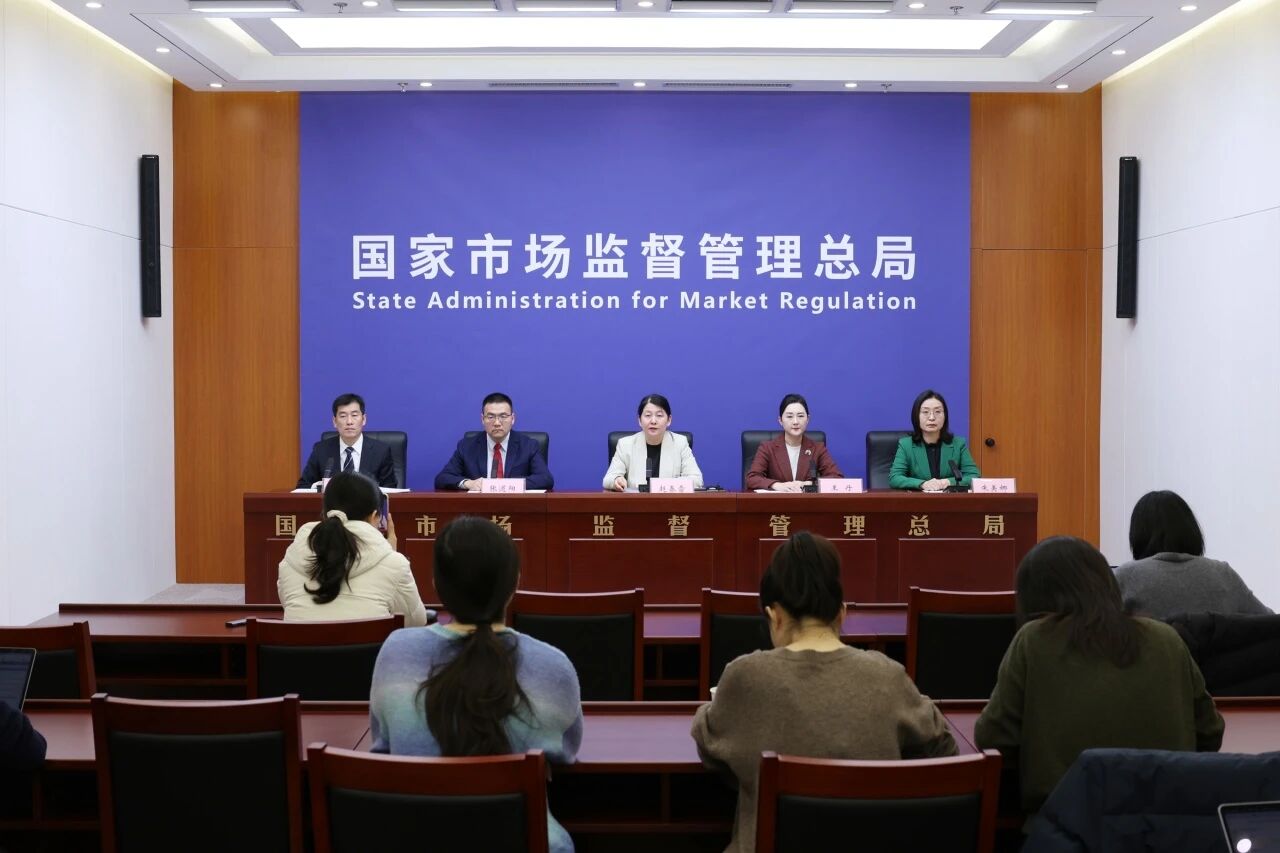
杭州推进标准制度型开放 交出“亮眼答卷”
Hang Zhou Ri Bao· 2025-07-03 03:00
Group 1 - The core viewpoint of the articles highlights Hangzhou's significant progress in establishing a standard system for open economic development, focusing on international standard formulation, talent cultivation, and international cooperation [1][2][3] - Hangzhou has accelerated its open economy, with standard system openness becoming a key driver, particularly in five major industrial ecosystems: intelligent networking, biomedicine, high-end equipment, new materials, and green energy [1] - A total of 5,641 enterprises in Hangzhou have participated in benchmarking, leading among 186 pilot cities in China, with over half of the 1,928 national standards developed or participated in by the city adopting international standards [1] Group 2 - In the area of international standard discourse, Hangzhou focuses on four key sectors: integrated circuits, robotics, digital security, and network communication, aiming to build an industrial chain standard system [2] - Hangzhou has led or participated in the formulation of 149 international standards, 1,185 national standards, and 2,552 industry standards, with significant achievements in the field of intelligent manufacturing recognized internationally [2] - The city has introduced the "Chief Standardization Officer" system to enhance enterprise standardization levels, with 317 registered international standard experts and five recipients of the IEC 1906 Award, ranking high among sub-provincial cities in China [2] Group 3 - As a pilot for standardization innovation in Zhejiang Province, the High-tech Zone (Binjiang) has pioneered standard innovation paths, implementing action plans and integrated service reforms to address challenges in standard formulation [3] - The district has led or participated in the development of 65 international standards, 465 national standards, and 401 industry standards, establishing itself as a testing ground for standard innovation in Hangzhou [3]
中国贸促会商业行业委员会:以标准协同助力全球服务贸易发展
Bei Jing Shang Bao· 2025-05-22 07:35
Group 1: Core Insights - The China Council for the Promotion of International Trade (CCPIT) Commercial Industry Committee is actively promoting service trade and has established a comprehensive service system consisting of seven categories, including standardized services and international liaison services [1] - The committee has made significant breakthroughs in international standardization, leading the development of 19 international standards in emerging fields such as digital trade and online tourism, with several filling global gaps [3][4] - Future strategies include deepening the dual development strategy of "group standardization + international standardization," focusing on standard innovation and expanding into new fields like advanced manufacturing and artificial intelligence [4] Group 2: Support for Enterprises Going Global - The CCPIT Commercial Industry Committee is providing comprehensive support for small and medium-sized enterprises (SMEs) to expand internationally, including the establishment of a global exhibition matrix centered around the China International E-commerce Industry Expo [5] - The committee has developed a professional service system and talent training initiatives, compiling a directory of 276 global quality service providers to facilitate cross-border e-commerce [6] - Plans for the next three years include focusing on emerging markets in Southeast Asia, the Middle East, and Africa to enhance the global operational capabilities of Chinese enterprises [6] Group 3: Service Trade Standardization Forum - The upcoming "Ninth China Service Trade Standardization Forum" will focus on new paths for standard cooperation and the future of service trade, featuring six major highlights [7][8] - Highlights include the establishment of the ISO Technical Committee (ISO/TC 351) and the release of the "Service Trade Standardization China Case" collection [8] - The forum aims to promote the alignment of service trade rules, standard collaboration, and capacity building, exploring new models and directions for service trade standardization [7]
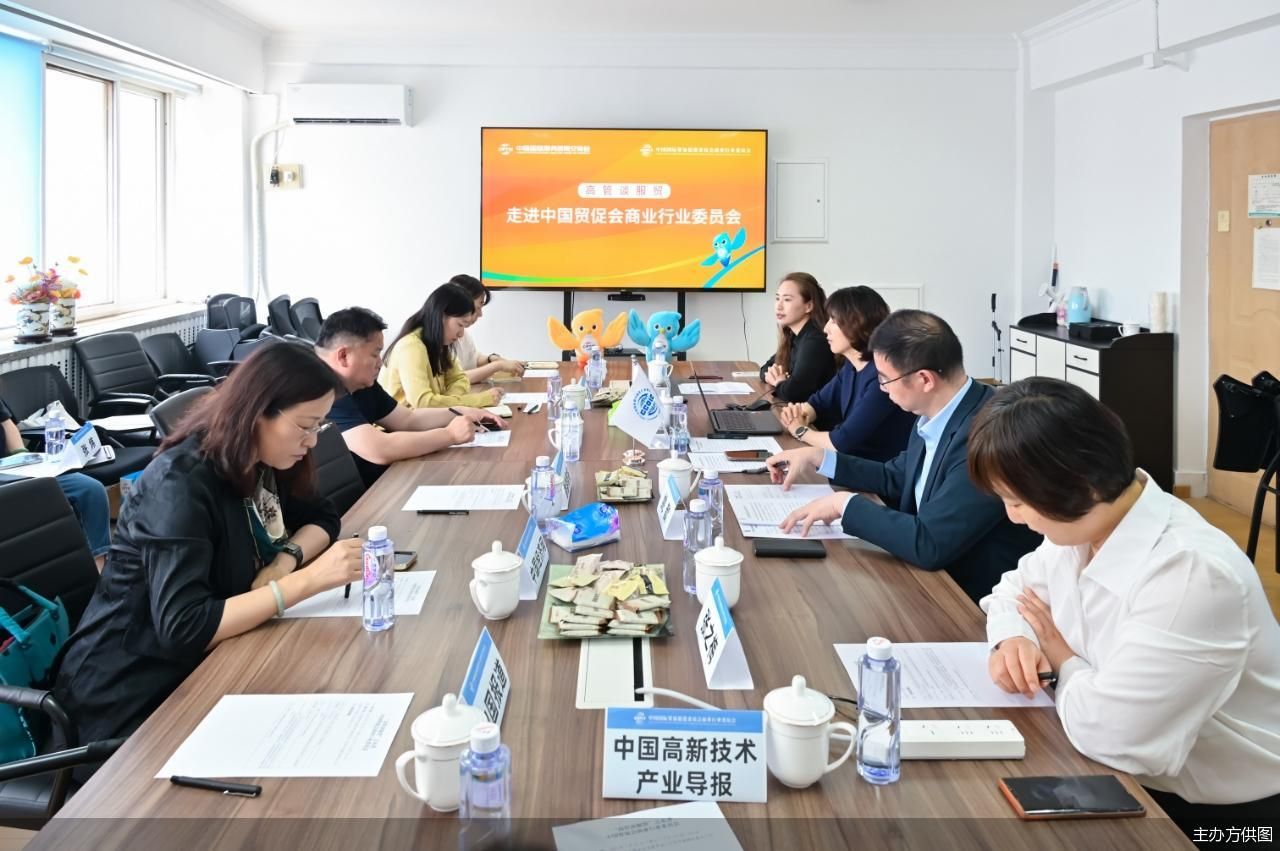
截至2024年年底我国国际标准总体转化率超过83%
Zhong Guo Xin Wen Wang· 2025-05-20 09:23
Group 1 - The core viewpoint is that China's international standardization efforts are making significant progress, with a target of over 83% overall conversion rate of international standards by the end of 2024 [1][3] Group 2 - The scope of international standardization cooperation is expanding, with China signing 125 cooperation documents with 71 countries and organizations, and publishing over 2300 foreign language versions of national standards [1][2] - The governance capacity for international standards is being enhanced, with China actively participating in international standard organizations and taking leadership roles in key areas such as smart shipping and cultural heritage protection [2] - The level of international standardization work is improving, with over 14,000 Chinese experts registered to participate in international standardization efforts, contributing to the development of international standards [2][3] - The degree of collaboration between domestic and international standards is increasing, with China actively proposing international standards in various fields and receiving recognition from the International Organization for Standardization [3]