高等教育

Search documents
教育部副部长吴岩会见澳大利亚蒙纳士大学校长毕柯琳
news flash· 2025-06-14 05:15
Core Viewpoint - The meeting between the Vice Minister of Education of China and the President of Monash University highlights the importance of educational cooperation between China and Australia, emphasizing the commitment to expand high-level educational exchanges and collaborations [1] Group 1: Educational Cooperation - The Vice Minister of Education, Wu Yan, praised the practical cooperation achievements between Monash University and Chinese universities [1] - Wu Yan introduced the spirit of the "Education Strong Nation Construction Plan Outline (2024-2035)" and emphasized China's determination to expand high-level educational openness [1] - The meeting underscored that educational exchanges are a crucial component of China-Australia relations, encouraging Monash University to engage more broadly in educational cooperation with China [1] Group 2: Future Collaborations - Monash University expressed its commitment to strengthening partnerships with Chinese universities and promoting bilateral student exchanges [1] - The university aims to conduct high-quality cooperative education in China, contributing to deeper educational and research exchanges between the two countries [1] - Both parties are focused on ensuring that educational cooperation between China and Australia remains stable and sustainable [1]
超34亿,34所高校科研院所仪器采购意向汇总(2025年5月)
仪器信息网· 2025-06-14 03:58
Core Insights - The total budget for instrument procurement intentions from various universities in China exceeds 3.4 billion yuan, indicating a significant investment in research and development [2][3] Group 1: Procurement Overview - A total of 34 universities and research institutions have announced their procurement plans for instruments, with a budget exceeding 3.4 billion yuan [3] - The procurement period spans from early 2025 to late 2025, with various universities planning to acquire instruments in different time frames [4][5] Group 2: Notable University Procurement Plans - Tongji University plans to procure instruments worth 127 million yuan between March and May 2025 [4] - Tsinghua University has the highest procurement budget at 370 million yuan scheduled from April to June 2025 [4] - The Chinese Academy of Sciences' South China Sea Institute of Oceanology has a substantial procurement plan amounting to 827 million yuan from April to June 2025 [5] Group 3: Additional Insights - The procurement intentions reflect a broader trend of equipment upgrades initiated since 2024, with a focus on enhancing research capabilities across various disciplines [3] - The recent policy updates in Beijing regarding equipment update loan interest subsidies may further stimulate procurement activities among universities [3]


毫米级精度复刻 数字技术这样守护鼓浪屿世界遗产瑰宝
Yang Shi Xin Wen Ke Hu Duan· 2025-06-14 01:42
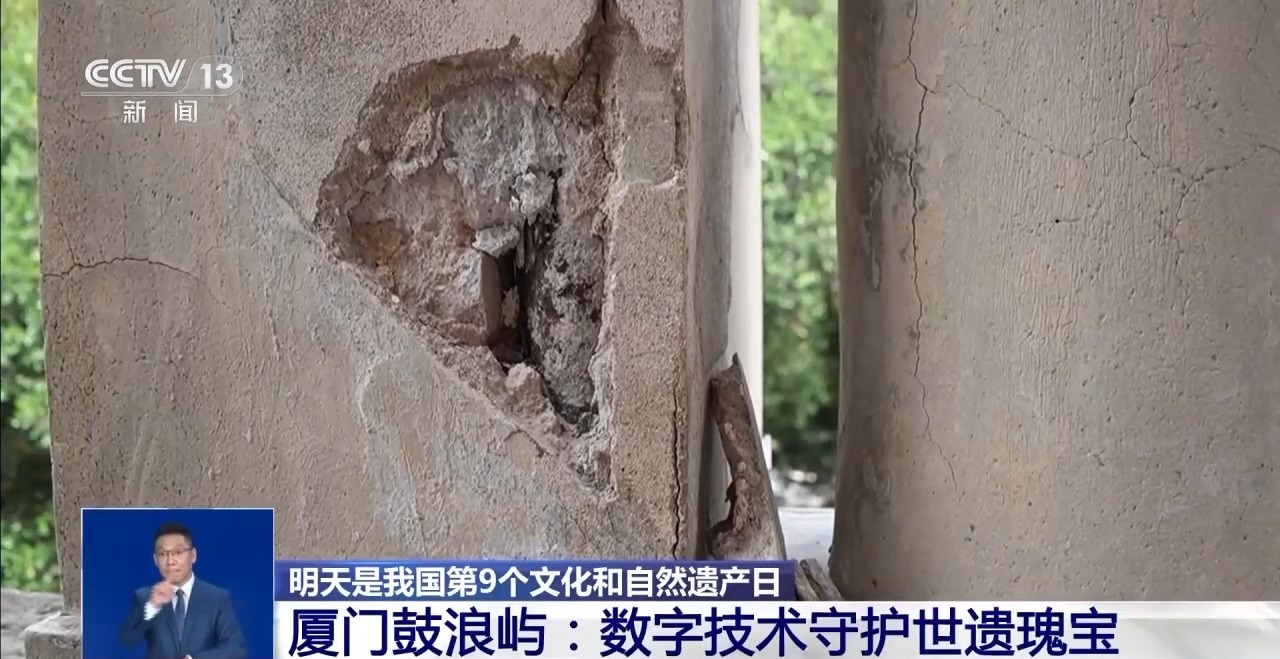
Core Viewpoint - The article highlights the advancements in digital preservation and restoration of cultural heritage, specifically focusing on the efforts in Xiamen's Gulangyu Island, coinciding with China's 9th Cultural and Natural Heritage Day. Group 1: Digital Preservation Techniques - A team from Xiamen University is utilizing 3D laser scanning technology to collect detailed data on the historical building Huangrongyuantang, which is facing structural issues [3] - The 3D laser scanner captures data at a rate of 300,000 points per second, allowing for accurate recording of the building's surface coordinates, colors, and textures [5] - The combination of ground-based 3D laser scanning and drone aerial photography creates a high-precision 3D model, facilitating the management of the building's lifecycle [7] Group 2: Progress in Heritage Documentation - Gulangyu Island has completed digital archiving for 63 cultural heritage units at the district level and above, including 9 national and 2 provincial protected buildings [9] - The cultural heritage protection office plans to create a digital twin model of the 1.88 square kilometer island, integrating detailed architectural data with the heritage management system for better protection and management [11]
深圳打样,这些“小而精”高校受欢迎程度比肩“985”
Di Yi Cai Jing· 2025-06-13 14:58
高等教育的"深圳速度" 经过45年的高速发展,深圳的经济实力已跃居全球城市前列,2024年地区生产总值排名国内第三,进出 口规模全国第一,规上工业总产值、工业增加值连续3年斩获"双料冠军"。 但长期以来,深圳的高等教育规模与经济体量很不匹配。据第一财经记者不完全统计,目前内地至少有 16个城市的大学数量在50所以上,有30个城市在20所以上,均超过深圳。在内地27个GDP万亿城市中, 深圳的在校大学生数量只有广州的1/9左右,仅比佛山、无锡、南通、东莞多,排在GDP不到自己一半 的宁波之后。 这一状况对深圳的发展形成制约,尤其是在基础科研创新方面。为了补长这一短板,进入21世纪以来, 深圳通过自主办学与引进办学并举,探索出了一条具有深圳特色的高等教育开放式、创新型、跨越式发 展新路。 从生均财政预算看,南科大、哈工大(深圳)、深理工等多所深圳高校位居全国前列。 在深圳经济特区建立45周年、综合改革试点实施5周年之际,中共中央办公厅、国务院办公厅印发《关 于深入推进深圳综合改革试点深化改革创新扩大开放的意见》。 在"统筹推进教育科技人才体制机制一体改革"部分,上述《意见》提到:探索符合超大城市特点的专业 型、" ...
2024届本科毕业生月均收入6199元,前十大高薪专业是这些→
第一财经· 2025-06-13 10:21
Core Insights - The average monthly salary for fresh university graduates is steadily increasing, with the 2024 cohort earning an average of 6199 yuan six months after graduation [1][2] - The salary levels vary significantly across regions, with the eastern region of China being the highest-paying area due to its developed industrial clusters and economic advantages [1][3] Salary by Major - High-paying majors for the 2024 cohort include Information Security (7599 yuan), Microelectronics Science and Engineering (7282 yuan), and Electronic Science and Technology (7215 yuan), all exceeding the average salary [2][3] - Engineering majors dominate the high salary rankings, with all top-paying fields being engineering-related, reflecting the market demand and industry growth potential [3][4] Educational Adjustments - The frequency of professional adjustments in higher education has increased, with the Ministry of Education announcing the addition of 1839 new undergraduate programs and the cancellation of 2220 programs in 2024 [4][5] - Universities are responding to market demands by restructuring their academic offerings, as seen in Shandong University and Shanghai Jiao Tong University, which are focusing on emerging fields like artificial intelligence [5][6]

“完美风暴”席卷英国高校,接收美国留学生能否缓解财政危机?
Di Yi Cai Jing· 2025-06-13 09:39
Core Insights - The UK higher education sector is facing significant financial pressures, leading to widespread layoffs, course closures, and restructuring plans across nearly 100 universities [1][2][4]. Financial Performance - The total revenue for the UK higher education sector for the 2023/2024 academic year is projected to be £52.3 billion, with 52% of this revenue coming from tuition fees, and international student fees accounting for an average of 23% of total income [4]. - A report from the Office for Students (OfS) indicates that 43% of surveyed institutions expect to run deficits in the 2024/2025 academic year, marking the third consecutive year of declining financial performance [1]. International Student Enrollment - The number of international student visas issued by the UK government decreased by approximately 64,000 in 2024, a decline of 13.9% compared to the previous year, with significant reductions in visas for students from India (26% decrease) and Nigeria (55% decrease) [5]. - The attractiveness of studying in the UK peaked in 2022, but has since declined due to slow economic recovery post-pandemic and changes in visa policies [5][6]. Domestic Student Trends - The cap on tuition fees for full-time undergraduate students in England has remained at £9,250 since 2012, with a slight increase planned for the 2025/2026 academic year [6]. - The enrollment rate for 18-year-olds in higher education has dropped from a peak of 38.2% in 2021 to 36.4% in 2024, indicating a potential decline in domestic student interest [6]. Institutional Responses - In response to financial challenges, universities are implementing cost-cutting measures, including course cancellations, reduced maintenance budgets, and layoffs, with 50% of surveyed institutions reporting course cancellations [7][8]. - The financial strain is affecting the job market for academic positions, leading to increased competition as experienced faculty return to the job market [8]. Government Policies and Future Outlook - The UK government has proposed a 6% tax on revenue from international student tuition fees, with limited details on how the funds will be utilized [9]. - The potential for attracting international students from the US due to changing policies there is being discussed, but long-term impacts on global academic collaboration remain uncertain [10][11].

新工科专业崛起!高考报志愿应锚定大赛道、次新专业
2 1 Shi Ji Jing Ji Bao Dao· 2025-06-13 07:41
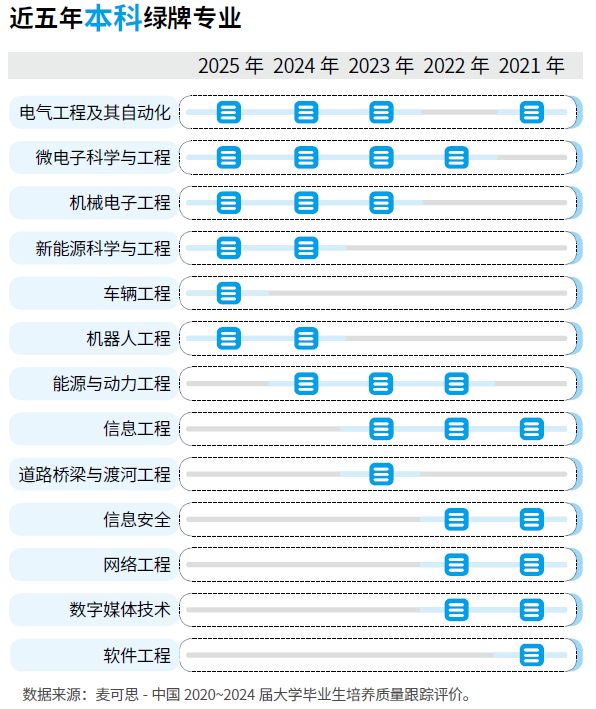
Group 1 - The core viewpoint of the article emphasizes the importance of selecting undergraduate majors based on future employment prospects, as highlighted by the "green card" majors identified in the 2025 China Undergraduate Employment Report [1][3] - The report identifies several engineering majors as "green card" majors, including Electrical Engineering and Automation, Microelectronics Science and Engineering, Mechanical and Electronic Engineering, New Energy Science and Engineering, Vehicle Engineering, and Robotics Engineering, all of which are aligned with national strategic needs [3][5] - The report indicates that these green card majors have high employment rates, salary levels, and job satisfaction, making them attractive options for students [3][5] Group 2 - The green card majors are positioned in rapidly growing sectors, particularly in advanced manufacturing, reflecting a shift from previously popular internet-related fields [2][5] - The average monthly income for graduates in Microelectronics Science and Engineering is reported to be 7,282 yuan, ranking second among high-paying undergraduate majors, while Mechanical and Electronic Engineering graduates earn an average of 7,018 yuan, ranking tenth [5] - The report notes that the supply of graduates in these green card majors is limited, providing a favorable employment market for graduates, with the number of graduates in New Energy Science and Engineering and Microelectronics Science and Engineering being relatively low [9] Group 3 - The article discusses the need for educational institutions to adapt their programs to align with national strategic demands, emphasizing the importance of integrating industry needs into academic curricula [11][14] - The establishment of new majors over the past decade, such as Microelectronics Science and Engineering and Robotics Engineering, indicates a growing recognition of the need for specialized skills in emerging fields [8][11] - The article highlights the role of industry partnerships in enhancing educational outcomes and improving students' employability through practical training opportunities [14]
预算1.28亿元!中南大学近期大批仪器采购意向
仪器信息网· 2025-06-13 05:39
Core Viewpoint - Central to the article is the announcement of multiple government procurement intentions by Central South University, detailing 28 items of laboratory equipment with a total budget of 128 million yuan, scheduled for procurement between April and December 2025 [1][2]. Summary by Relevant Sections Procurement Overview - Central South University has outlined procurement intentions for various scientific instruments, with a total budget of 128 million yuan [1][2]. - The procurement includes advanced equipment such as ultra-high temperature synchronous thermal analyzers, multi-field coupled low-field nuclear magnetic resonance imaging instruments, X-ray fluorescence spectrometers, and quantum efficiency testing instruments [2]. Specific Equipment Details - **Ultra-high Temperature Synchronous Thermal Analyzer**: - Quantity: 1 unit - Purpose: To study thermal changes and mass changes of materials under high-temperature conditions [4]. - **Multi-field Coupled Low-field Nuclear Magnetic Resonance Imaging Instrument**: - Quantity: 1 unit - Purpose: To analyze the microstructure and fluid information of porous media samples under various conditions [4][10]. - **X-ray Fluorescence Spectrometer**: - Quantity: 1 unit - Purpose: For qualitative and quantitative analysis of materials, covering elements from Be to U [5][9]. - **Quantum Efficiency Testing Instrument**: - Quantity: 1 unit - Purpose: To measure the quantum efficiency of new solar cells and other materials [5]. Additional Equipment and Applications - **Scanning Electron Microscope**: - Quantity: 1 unit - Features: High-resolution imaging capabilities and various operational modes [6]. - **Laser Intelligent Processing Platform**: - Purpose: To support advanced manufacturing education and practical training for students [6]. - **Three-dimensional X-ray Imaging System**: - Purpose: To enhance scanning capabilities for larger samples [9]. Budget and Timeline - The total budget for the procurement is set at 128 million yuan, with the procurement process expected to take place from April to December 2025 [1][2].

第八届中国与发展国际学术年会在沪召开 全球经济学家共议“未来四年的全球性挑战”
Sou Hu Cai Jing· 2025-06-13 03:32
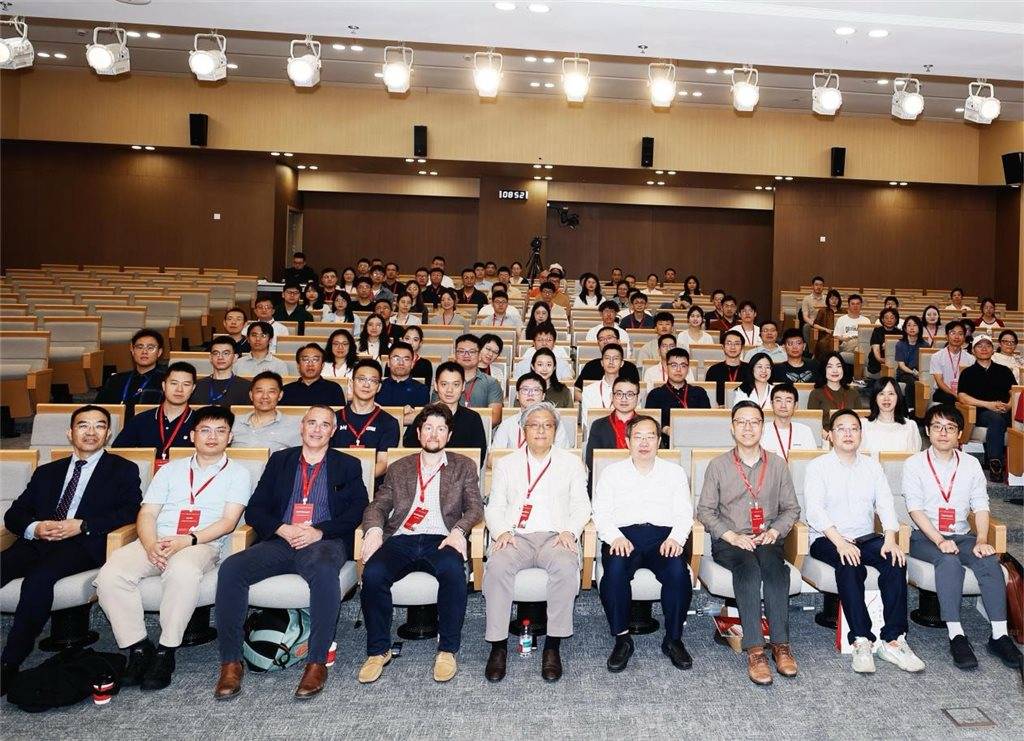
Group 1 - The eighth China and Development International Academic Annual Conference was held at Shanghai Jiao Tong University, focusing on the global challenges in the next four years and China's role in addressing them [1][4] - The theme of the conference is "Global Challenges in the Next Four Years," aiming to gather insights from global economists to provide rational policy suggestions for higher-level reform and opening up [1] - The conference featured keynote speeches from renowned economists and was attended by over 200 participants, including authors of research papers [1][4] Group 2 - Shanghai Jiao Tong University's Antai College of Economics and Management emphasized its comprehensive business education programs and the introduction of the first "Master of Technology Transfer" program in China [7] - The college aims to reform business education by integrating industry research and academic theory with practical enterprise dynamics [7] Group 3 - David Lagakos from Boston University presented research on income distribution in cities, highlighting significant differences between developing and developed countries [9][10] - His findings indicate that in low-income regions, income decreases sharply with distance from city centers, while developed countries show a more gradual income distribution [10] Group 4 - Liu Shouying from Renmin University discussed the evolution of China's land development model since 1998, identifying structural contradictions that have emerged alongside rapid growth [11] - He advocated for gradual reforms to avoid "shock therapy" transitions in land development [11] Group 5 - Dirk Krueger from the University of Pennsylvania addressed the role of education in intergenerational economic disparities, emphasizing the need for better educational resource distribution [14][17] - The roundtable discussion included insights on the impact of globalization and AI technology on income inequality, with a focus on the differing effects in China and the U.S. [17][18] Group 6 - The conference featured six parallel sessions covering various themes, including Development Economics, Public Economics, and Labor Economics, with 85 experts sharing their latest research [20] - Since its inception in 2013, the conference has hosted over 700 global scholars, becoming a significant platform for academic exchange and collaboration in economics [21]
抓住调整机遇 理性选择新赛道
Guang Xi Ri Bao· 2025-06-13 02:06
Core Insights - The 2025 college entrance examination in Guangxi has concluded, shifting focus to the enrollment process for tens of thousands of candidates and their families [2] - Universities in Guangxi are actively optimizing their academic programs and talent cultivation models in response to national strategic directions and local economic needs [3][4] Group 1: Academic Program Adjustments - The Ministry of Education has released a new directory for undergraduate programs, adding 29 new majors including artificial intelligence, carbon neutrality, and digital governance, reflecting a clear alignment with national strategies and technological innovation [4] - Guangxi University has introduced three new undergraduate programs: artificial intelligence, data computing and application, and smart agriculture, with a focus on integrating market demands and regional industry needs [4] - Guangxi Normal University has made significant adjustments, adding two new majors in education and industrial design while discontinuing seven others, aiming to align its programs with social and economic development [5] Group 2: Enrollment Trends - Nanning Normal University plans to reduce its enrollment by 1,400 students to optimize its program structure, while introducing two new majors in atmospheric science and sports training [6] - Guangxi Medical University has expanded its enrollment in core medical programs by 340 students and added 50 in midwifery, responding to the growing demand for healthcare professionals [7] - Guangxi University of Chinese Medicine has also increased its enrollment by approximately 250 students, introducing new programs that emphasize traditional Chinese medicine while expanding collaborative education paths [8] Group 3: Vocational Education Focus - Guangxi's vocational colleges, particularly those in the "Double High Plan," are adjusting their programs to align closely with emerging industry needs, such as international trade and smart logistics [9][10] - Nanning Vocational Technical University has added four new undergraduate programs, integrating artificial intelligence into its curriculum to enhance students' digital skills [9] - Liuzhou Vocational Technical University continues to focus on manufacturing-related programs, reflecting the region's industrial strengths and strategic initiatives [10] Group 4: Strategic Enrollment Considerations - The overall strategy for 2025 emphasizes aligning academic programs with key regional industries and emerging sectors, such as new generation information technology and biomedicine [11] - Students and parents are advised to consider future employment prospects and development opportunities when selecting majors, utilizing resources like the annual employment quality report [11][12] - The enrollment strategy suggests pairing "popular new majors" with "regional specialty majors" to optimize chances of admission and career success [12]