
医疗器械

Search documents
医药生物周报(26 年第12 周):美股医疗器械公司 2025 年业绩及经营情况汇总-20260317
Guoxin Securities· 2026-03-17 09:17
Investment Rating - The report maintains an "Outperform" rating for the pharmaceutical and biotechnology sector [5] Core Insights - The overall performance of the pharmaceutical sector has been weaker than the broader market, with a slight decline in the biopharmaceutical sector [1] - The U.S. medical device market is expected to see continued growth driven by high-end innovative devices, while traditional segments are experiencing mixed results [2] - The report expresses a cautious short-term outlook for the Chinese market but remains optimistic about long-term growth potential [2] Summary by Sections Market Performance - The overall A-share market declined by 0.24%, while the biopharmaceutical sector saw a smaller decline of 0.22% [1] - The medical device sector showed a positive performance with a 0.60% increase [1] Company Earnings Forecasts and Investment Ratings - Major companies such as Mindray Medical, United Imaging, and WuXi AppTec are rated as "Outperform" with projected earnings growth for 2024 to 2027 [4] - Mindray Medical is expected to achieve a net profit of 116.7 billion CNY in 2024, with a PE ratio of 19.3x [4] - United Imaging is projected to have a net profit of 12.6 billion CNY in 2024, with a significantly higher PE ratio of 85.4x [4] Key Company Recommendations - Mindray Medical is highlighted for its strong R&D and sales capabilities, benefiting from domestic medical infrastructure and international expansion [43] - WuXi AppTec is noted for its comprehensive service capabilities in drug development, poised to benefit from the global outsourcing market [43] - Aier Eye Hospital is recognized as the largest eye care institution in China, leveraging its scale and expertise for growth [43]




1.5亿,国产显微仪器公司完成B轮融资
仪器信息网· 2026-03-17 09:05
Core Insights - Puyi Bio has completed a 150 million RMB Series B financing round, aimed at enhancing its core technology iteration, capacity construction, medical device registration, and market expansion, thereby strengthening its competitiveness in nanopore gene sequencing [2][1] Group 1: Financing and Strategic Focus - The financing will focus on four key areas: core technology iteration, scalable capacity construction, medical device registration, and global market expansion [2] - This financing marks a significant recognition from the capital market regarding the company's capabilities in independent controllable underlying technology and commercial achievements [2] Group 2: Technological Advancements - Puyi Bio is one of the few domestic high-tech companies that possess independent intellectual property across the entire chain of "sequencing chemistry - sequencing chip - instrument system - supporting reagents" [2] - The company has achieved key technological breakthroughs in four core areas of nanopore sequencing, including nanopore protein modification, single-molecule base recognition, highly integrated silicon-based chips, and high-fidelity signal acquisition systems [2] - The core reagents have achieved 100% domestic controllability, establishing a complete technological moat from fundamental research to mass production [2]


182亿!百年医械巨头出售核心资产
思宇MedTech· 2026-03-17 07:20
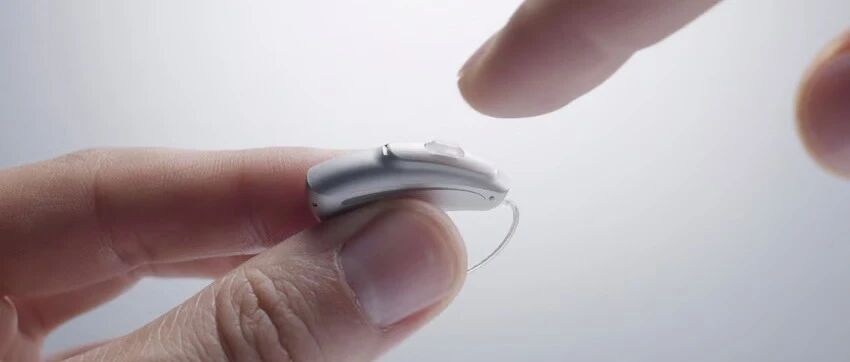
Core Insights - The global hearing aid industry is witnessing a significant transaction with Amplifon planning to acquire GN Hearing for €2.3 billion (approximately ¥18.2 billion), expected to be completed by the end of 2026 [2] - Post-acquisition, Amplifon will integrate GN Hearing's entire hearing aid business, including R&D teams, manufacturing capabilities, and brand assets, projecting combined annual revenues of approximately €3.3 billion [2] - This merger signifies a shift in the hearing healthcare industry from a "channel-led" model to an integrated "channel + manufacturing" approach [2][6] Group 1: Amplifon's Business Model and Strategy - Amplifon, established in the 1950s and headquartered in Milan, Italy, is one of the largest hearing service chains globally, primarily focusing on hearing retail and fitting services rather than manufacturing [3] - The company has developed a vast terminal channel network with hearing centers across multiple global markets [4] - The traditional structure of the hearing aid industry involves a division of labor among manufacturers, fitting institutions, and patients, with Amplifon historically playing the channel role [5][6] Group 2: GN Hearing's Role and Market Position - GN Hearing, a subsidiary of GN Store Nord, is a major global hearing aid manufacturer with core brands including ReSound, Beltone, and Jabra [8][9] - The company is projected to generate approximately €1 billion (around ¥7 billion) in revenue from its hearing aid business by 2025, with a strong manufacturing presence in regions like Denmark, China, Malaysia, and the USA [10] - GN Hearing has sold over 4 million hearing aids and achieved an annual growth rate of about 9% over the past three years, positioning itself among the top-tier manufacturers in the global hearing aid market [10] Group 3: Structural Changes in the Hearing Aid Industry - The hearing aid industry is undergoing structural changes driven by several factors, including an aging population, which increases demand for hearing aids [12] - The entry of consumer electronics companies into the hearing space is reshaping competition, with some products now featuring hearing assistance capabilities [13][14] - The implementation of over-the-counter (OTC) hearing aid policies in the U.S. is lowering barriers to purchase, making products more consumer-friendly [15] Group 4: Vertical Integration Strategy - Amplifon's acquisition aims to create a vertically integrated hearing healthcare enterprise, combining R&D, production, channels, and services [21][22] - This vertical integration allows for closer alignment between products and services, enhancing understanding of user needs and improving channel control [23][24] - The strategy also aims to leverage accumulated user data from fitting services to inform product development, thereby enhancing brand and data capabilities [26][27] Group 5: Future Competition in the Hearing Healthcare Market - The acquisition represents one of the largest mergers in the hearing aid industry, with a transaction value of approximately ¥16 billion [29] - The new entity will transition the industry from a manufacturer-led model to one focused on platform-based competition, where success will depend on mastering technology, products, and services [30][32] - As the aging population continues to grow, the hearing healthcare market is expected to expand, making the ability to integrate various aspects of the business a key competitive advantage [31][32]
最新!又一款创新医疗器械获批
思宇MedTech· 2026-03-17 07:20
2026年3月17日,国家药品监督管理局通过创新医疗器械特别审查程序,批准了 超目科技(北京)有限公司 的 植入式眼部肌肉神经刺激器 。 | 无障碍 关怀版 中 En | 网 国家药品监督管理局 | | | | --- | --- | --- | --- | | 请输入关键字 | P | National Medical Products Administration | 88 | # 产品介绍 该产品由 刺激器、接收线圈、电极阵列、环状电极和内磁铁 组成,与特定体外供电设备联合使用,用于8周岁及以上患者先天性水平型眼球震颤症状的改善。 该产品采用植入式眼外肌神经肌肉刺激技术,通过电极对眼外直肌的电刺激,以改善水平型眼球震颤症状,与现有临床治疗方案相比具有局部创伤小、可控性较 强、治疗效果稳定的特点,为 全球首创 产品 。该产品的上市为先天性水平型眼球震颤症状改善提供了新的治疗路径。 超目科技成立于2018年,是一家布局全球的高端眼科医疗器械和医用芯片研发企业,总部位于北京,在中美两地设有研发中心,并建有符合标准的GMP生产基 地。自创立以来,公司始终坚持以自主创新为驱动,积极推动国产高端医疗器械的研发与临床 ...

自动胰岛素输注系统全面上市,人工胰腺赛道竞争升温
思宇MedTech· 2026-03-17 07:20
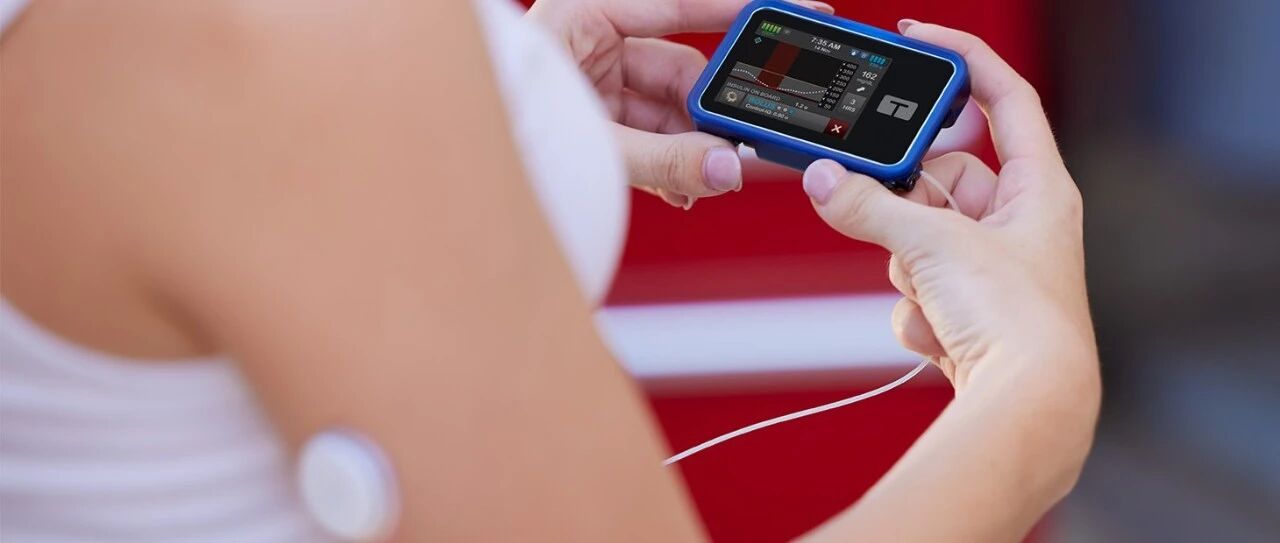
Core Viewpoint - Sequel Med Tech's twiist Automated Insulin Delivery System has been commercially launched in the U.S. for type 1 diabetes patients, marking a significant shift towards automated, algorithm-driven closed-loop treatment systems in the diabetes device market [2] Group 1: Product Launch and Features - The twiist system received FDA approval in 2024 and is now available through pharmacies with a flexible payment model: the first month is free, followed by a maximum monthly fee of $50 [2][18] - The system automatically adjusts insulin delivery based on real-time blood glucose levels, providing features like infusion blockage alerts [6] - The twiist system can be paired with Abbott's FreeStyle Libre 3 Plus sensor, a leading continuous glucose monitoring product [6] Group 2: Industry Trends - The diabetes device market has traditionally consisted of blood glucose monitoring devices and insulin delivery devices, but advancements in algorithms and sensor technology are leading to their convergence [10] - Automated insulin delivery systems, often referred to as "artificial pancreas" systems, are becoming the core of industry competition, with products that closely mimic the body's natural insulin regulation [11] - The collaboration between continuous glucose monitoring (CGM) devices and insulin pumps is increasingly important for effective diabetes management [12] Group 3: New Business Models - Sequel's product launch introduces a subscription-like payment model, contrasting with traditional insulin pumps that can cost thousands of dollars [14] - This new model aims to lower the entry barrier for patients, thereby expanding the user base for automated insulin delivery systems [15] - Subscription payment models are becoming more common in the U.S. medical device market, particularly in chronic disease management [16] Group 4: Implications for the Chinese Market - Sequel's product path highlights significant changes in the diabetes device industry, including the integration of CGM and insulin pumps into cohesive systems [20] - Some Chinese companies are also exploring similar integration strategies to create comprehensive diabetes management platforms [23] - The effectiveness of automated insulin delivery systems is increasingly dependent on control algorithms that adjust insulin doses based on real-time data [25] Group 5: Competitive Landscape - The diabetes device industry is undergoing structural changes, shifting from competition among individual devices to competition among complete treatment ecosystems [32] - Companies need to possess capabilities across various areas, including sensor technology, infusion devices, algorithm platforms, and data management [34] - Sequel's launch of the twiist system exemplifies this trend, indicating that future competition will focus on comprehensive treatment solutions rather than isolated devices [34]
VC/PE2月IPO报告
投中网· 2026-03-17 06:57
Core Insights - In February 2026, 19 Chinese companies successfully completed IPOs across A-shares, Hong Kong, and US markets, raising a total of 467.83 billion yuan, a year-on-year increase of 20.46 times and a month-on-month increase of 9.21% [6][8] - The number of IPOs increased by 1.11 times year-on-year but decreased by 13.64% month-on-month, with the Hong Kong Stock Exchange leading in both the number of IPOs and fundraising amounts [6][19] - The first-day IPO failure rate for Chinese companies was 0%, marking two consecutive months without any failures [11] Group 1: IPO Market Overview - In February 2026, the A-share market saw 8 companies go public, with a total fundraising of 60.76 billion yuan, a year-on-year increase of 53.74 times but a month-on-month decrease of 32.88% [14] - The Hong Kong market had 11 IPOs, raising 407.07 billion yuan, a year-on-year increase of 23.40 times and a month-on-month increase of 20.73% [19] - The US market saw no Chinese IPOs in February 2026, continuing a trend of limited activity in recent months [24] Group 2: IPO Performance Metrics - The top-performing IPO in February 2026 was "电科蓝天," which saw a first-day increase of 596.30% [12] - Seven companies had first-day price increases between 0% and 50%, while five companies had increases between 50% and 100% [11] - The average return on investment for VC/PE-backed IPOs was 1.93 times, a decrease of 36.30% year-on-year [27] Group 3: Industry and Regional Analysis - The advanced manufacturing sector led in fundraising, raising 134.93 billion yuan, accounting for 28.84% of total fundraising [38] - Guangdong province had the highest number of IPOs at 5, raising 170.47 billion yuan, followed by Zhejiang and Jiangsu [46] - The number of IPOs from the advanced manufacturing and healthcare sectors increased by 4 companies year-on-year, showing significant growth [42] Group 4: Notable IPO Cases - "牧原股份" raised 94.89 billion yuan, the highest among all IPOs in February 2026 [55] - "易思维" focused on automotive manufacturing machine vision solutions, raised 13.99 billion yuan, and had significant VC/PE backing [59][60] - The top 10 IPOs by fundraising included companies from various sectors, highlighting the diversity of the market [55][56]

普昂医疗(920069):胰岛素笔针全球份额领先,积极开拓微创介入类新产品
Hua Yuan Zheng Quan· 2026-03-17 06:11
Investment Rating - The report suggests to "pay attention" to the company, highlighting the increasing global recognition of its core product, the insulin pen needle [3][57]. Core Insights - The company, Puan Medical, specializes in the research, production, and sales of medical devices for diabetes care, general drug infusion, and minimally invasive interventions, with a focus on chronic disease treatment [3][12]. - The company is recognized as a national-level specialized and innovative "little giant" enterprise, with its insulin pen needle being a core product that has gained significant market share [3][12]. - The company plans to use the funds raised from its IPO to enhance production capacity for minimally invasive medical devices and to support research and development [3][10]. Summary by Sections Initial Offering - The company is issuing 10.5828 million shares at a price of 18.38 yuan per share, with an earnings ratio of 10.83X, and the subscription date is set for March 18, 2026 [3][6]. - The total number of shares after the offering will be 52.914 million, with the offering representing 20% of the total shares [3][6]. Business Overview - The company’s diabetes care products are projected to generate revenue of 2.625 billion yuan in 2024, accounting for 82.92% of total revenue, with a year-on-year growth of 29.62% [3][14]. - The company has a diverse product matrix, including insulin pen needles, insulin syringes, and minimally invasive intervention products, with a strong focus on innovation and quality [3][12][14]. Financial Performance - The company expects to achieve revenue of 382 million yuan in 2025, representing a 20.07% year-on-year growth, and a net profit of 89.78 million yuan, with a growth rate of 38.37% [3][25]. - The gross profit margin is projected to increase from 44.56% in 2022 to 52.03% in 2025 [3][25]. Industry Insights - The low-value medical consumables market is steadily growing, with the global insulin syringe market expected to reach 1.751 billion USD in 2024 [3][32]. - The demand for insulin pen needles and syringes is anticipated to grow due to the increasing prevalence of diabetes and an aging population [3][40]. - The global market for blood collection needles is projected to reach 1.674 billion USD in 2024, reflecting a growing trend in healthcare spending and self-monitoring awareness among residents [3][44].
医疗科技跟踪报告系列:手术机器人:国内海外双轮驱动,手术机器人全球商业化加速
GUOTAI HAITONG SECURITIES· 2026-03-17 05:19
Investment Rating - The report maintains an "Overweight" rating for the surgical robotics industry, specifically recommending "Jingfeng Medical-B" and suggesting attention to "MicroPort Robotics-B" [4]. Core Insights - Surgical robots are expected to see significant clinical benefits and a continuous increase in global penetration rates. Domestic manufacturers are producing products that match the performance of the Da Vinci system, leveraging manufacturing advantages for higher cost-effectiveness and are likely to capture market share through differentiated advantages [2][4]. - Jingfeng Medical's "three-in-one" platform has received NMPA approval, accelerating its commercialization process. This platform integrates multi-port, single-port, and remote surgical systems, significantly reducing procurement and operational costs while enhancing clinical and operational efficiency [4]. - MicroPort Robotics' Tumi surgical robot has surpassed 200 global commercial orders, with strong overseas sales growth. The robot has achieved a doubling of order volume in just a few months, indicating exponential growth, particularly in emerging markets like India and Brazil [4]. - The National Healthcare Security Administration has released guidelines for pricing surgical robot services, which is expected to accelerate the penetration of robotic surgery technology and promote standardized development in the industry [4]. Summary by Sections Investment Recommendations - Maintain "Overweight" rating, recommend Jingfeng Medical-B, and suggest attention to MicroPort Robotics-B [4]. Company Developments - Jingfeng Medical's platform received NMPA approval, enhancing its commercialization prospects [4]. - MicroPort Robotics' Tumi robot has achieved over 200 global orders, indicating strong market demand [4]. Market Trends - The global penetration of surgical robots is expected to rise, driven by clinical benefits and competitive pricing from domestic manufacturers [2][4]. - New pricing guidelines from the National Healthcare Security Administration are set to facilitate the widespread adoption of robotic surgery [4].
国泰海通晨报-20260317
国泰海通· 2026-03-17 01:34
Group 1: Medical Devices Industry - The brain-computer interface (BCI) market is at a critical turning point characterized by technological breakthroughs, clinical validation, and commercialization [1] - The first invasive brain-computer interface medical device has been approved for clinical use in China, marking a significant milestone in the global BCI market [2] - The product is designed for patients with quadriplegia due to cervical spinal cord injuries, significantly improving hand function and quality of life [2][3] - Clinical trials have shown 100% success in achieving primary clinical endpoints, with over 7000 days of safe implantation reported [3] - The Chinese government is actively promoting the BCI industry through policies and financial support, aiming to establish a robust industrial system by 2030 [4] Group 2: Economic Overview - The Chinese economy is showing strong signs of recovery, with significant improvements in production, consumption, and investment [8] - Industrial value-added output increased by 6.3% year-on-year, driven by high-end manufacturing and a broad recovery across various sectors [22] - Retail sales grew by 2.8% year-on-year, with service consumption and online sales performing particularly well [22] - Fixed asset investment saw a V-shaped recovery, with a cumulative year-on-year growth of 1.8%, although real estate investment remains in negative territory [22] Group 3: Aviation Industry - The 2026 Spring Festival travel period saw a record high in air passenger volume, with a year-on-year increase of 5.3% [34] - Domestic airfares are expected to rise by approximately 3-4% year-on-year during the Spring Festival, driven by high passenger loads [35] - The upcoming summer flight schedule will see a reduction in domestic flight plans, reflecting ongoing regulatory measures to control capacity growth [36] - The aviation industry is anticipated to enter a "super cycle" of profitability, supported by market demand and pricing dynamics [37]
医药生物行业2026年3月投资策略:关注创新药产业链及低估值板块
Guoxin Securities· 2026-03-16 14:48
Core Insights - The report emphasizes the investment opportunities in the innovative drug industry chain and undervalued sectors within the pharmaceutical and biotechnology industry [1] - The investment rating is maintained at "Outperform the Market" [2] Group 1: Innovative Drug Development - Continuous progress in clinical development of innovative drugs is noted, with recent excellent clinical data from domestic innovative drugs presented at academic conferences, suggesting a focus on major academic meetings like ASCO in Q2 [4] - The trend of domestic innovative drugs expanding internationally continues, with multiple cooperation agreements indicating the recognition of China's R&D capabilities by multinational pharmaceutical companies [4] Group 2: CXO Industry Investment Opportunities - The CXO sector is identified as the strongest investment theme in the pharmaceutical sector, driven by improved international financing and a robust domestic innovative drug R&D environment [4] - Recommendations include companies such as WuXi AppTec, WuXi Biologics, and Kelun Pharmaceutical, which are expected to benefit from the growing demand in preclinical and clinical stages [4] Group 3: Home Medical Devices and Chain Pharmacies - The home medical device sector is projected to experience strong growth due to aging demographics and increased demand for popular products, with companies like Yuyue Medical and Sanofi Biologics highlighted for their strong positioning [4] - The retail pharmacy sector is expected to consolidate, with leading chain pharmacies like Yifeng Pharmacy and Dazhong Pharmacy likely to gain market share through effective supply chain management and acquisition capabilities [4] Group 4: Surgical Robotics Investment Opportunities - The National Healthcare Security Administration has introduced guidelines for pricing surgical and treatment assistance services, which may enhance the clinical application of intelligent innovative products [4] - Companies like MicroPort and Tianzhihang are noted for their advancements in surgical robotics and international market expansion [4] Group 5: Investment Portfolio - The investment portfolio includes A-shares such as Mindray Medical, United Imaging, and Aier Eye Hospital, as well as H-shares like CanSino Biologics and Hutchison China MediTech [4] Group 6: Industry Performance and Data Tracking - The pharmaceutical manufacturing industry reported a revenue of 24,870 billion yuan in 2025, with a slight decline of 1.2% year-on-year, while total profits increased by 2.7% to 3,490 billion yuan [8] - The retail sales of pharmaceuticals reached 7,294 billion yuan, reflecting a growth of 1.8% year-on-year [8] Group 7: Monthly Performance Review - The pharmaceutical sector experienced a slight decline of 0.18% in February, underperforming against the CSI 300 index [9] - The report indicates that the overall valuation of the pharmaceutical sector is relatively high, with a current PE (TTM) of 37.20, placing it in the 80.66% historical percentile [15]

