
博物馆

Search documents
恭博亮相 2025中国国际旅游交易会
Xin Lang Cai Jing· 2025-12-24 16:48
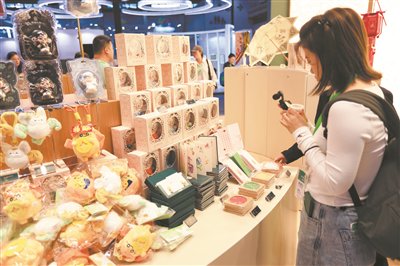
Group 1 - The core viewpoint of the article highlights the participation of the Prince Gong's Mansion Museum at the 2025 China International Tourism Trade Fair in Haikou, showcasing its achievements in promoting the creative transformation and innovative development of traditional Chinese culture [3] - The exhibition features a range of cultural and creative products, including the "Gong·Fashion" brand clothing, elegant home decor, stationery, figurines, and the "Gong Xiaofu Food Gift" series [3]

江苏省调查组全面调查南京博物院文物管理问题
Xin Lang Cai Jing· 2025-12-24 10:39
近期,南京博物院文物管理相关问题引发社会关注。为彻底查明事实真相,江苏省委、省政府成立调查组, 对南京博物院受赠文物保管处置中存在的问题,以及其他藏品安全问题,进一步全面深入调查,并依据调查 结果对违法违规问题进行严肃处理,绝不姑息。新华 ...
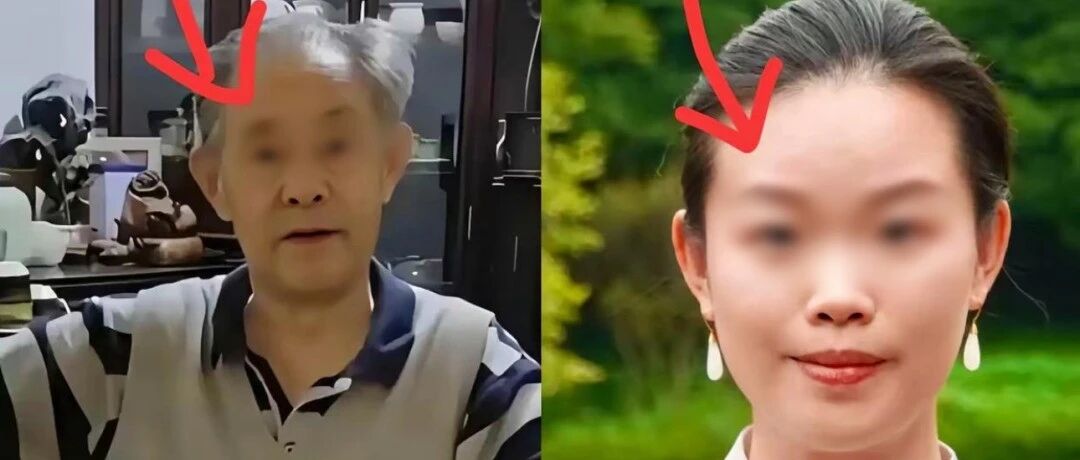
南京博物院事件越闹越大,又一个“董小姐”浮出水面……
商业洞察· 2025-12-24 09:21
以下文章来源于桌子的生活观 ,作者桌子先生 桌子的生活观 . 三观比五官更正,思想比套路更深。著有畅销书《你只是假装很努力》、《我们终将与美好的一切相 遇》.... 作者: 桌子先生 来源: 桌子的生活观 01 近日,与"南京博物院"有关的热搜一浪高过一浪。 其实整个事件,并不复杂。 起先,是北京拍卖会上, 一个名为《江南春》的画作,标价8800万备受瞩目 。 ------------------------------ 然而,一位庞莱臣的后人看到这幅画后觉得十分蹊跷。 因为, 这幅画早年就被庞家人捐给了南京博物院收藏 ,当时他们家一共捐出了137件作品。 于是,庞家人火速找南京博物 院 要个说法,结果竟然发现不仅仅是《江南春》,当年那137件赠 品,一共少了5件。 对此,南京博物院给出的解释是: 之前送过去的时候鉴定是真品,怎么过了几年成赝品了? 是不是用这种方法偷偷把国宝变成私人财产? 资深藏家马未都更是直言不讳: 文物鉴定的真伪判断,没有标准,《江南春》这种画作,即使是假画也是老仿老的作品,行情再怎 么低,它的价值绝对不可能只值几千块! 而且就算是伪品,也要遵循捐赠者的意愿,而不是随便几千块钱卖给私人。 ...
跨界联动 激发首都文商旅体展新动能
Bei Jing Ri Bao Ke Hu Duan· 2025-12-23 22:55
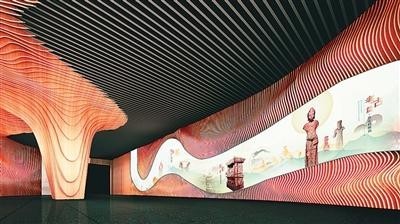
Core Insights - Beijing is leveraging cross-industry collaboration to activate new momentum for the integration of culture, commerce, tourism, and sports [1] - The focus is on cultivating excellent brands and IP to boost consumption and promote industrial development [2][4] Group 1: Cultural and Economic Development - The "14th Five-Year Plan" emphasizes cross-border cultural tourism, immersive experiences, and night tourism as key directions for development [4] - The Cultural Industry Development Index, published annually by Renmin University, indicates that Beijing ranks first in cultural industry development for the ninth consecutive year [4] - Over the past five years, the annual growth rate of revenue from large-scale cultural enterprises in new cultural formats has reached 20.1%, contributing 70.9% to the overall revenue growth of cultural enterprises [4] Group 2: Innovative Exhibition Practices - The "See the Yin Shang" exhibition at the Capital Museum attracted over 200,000 visitors in 147 days, showcasing the potential of cultural exhibitions to drive economic benefits [7] - The exhibition utilized innovative design to enhance visitor engagement and created a "big cultural creation" system that includes immersive experiences and educational activities [8] - The success of the exhibition demonstrates the ability of museums to transform into key nodes for cultural and economic integration [9] Group 3: Retail and Cultural Integration - Beijing Caishikou Department Store is exploring the integration of traditional retail with cultural experiences, contributing to high-quality cultural consumption [12] - The store has developed a unique "museum-store" model, creating immersive shopping environments that incorporate cultural narratives [12][13] - The company aims to leverage technology to enhance customer engagement and drive cultural storytelling through its products and services [13] Group 4: Digital Innovation in Performing Arts - The National Centre for the Performing Arts has launched the "Second Scene" project, enabling live streaming of performances to audiences across China and internationally [16] - This initiative has completed multiple high-level live broadcasts, attracting over 80,000 viewers and showcasing the potential of digital technology in cultural dissemination [17] - The project aims to create a collaborative network with over 200 theaters nationwide, promoting cultural synergy and sustainable development [17] Group 5: Investment Trends in Cultural Tourism - CMC Capital highlights the shift in cultural tourism IP towards becoming "cultural life forms" with deep emotional connections [20] - The commercialization of cultural tourism IP is expanding, with significant growth in revenue from cultural products, such as the Suzhou Museum's sales reaching 90.93 million yuan in 2023 [20] - The core consumer demographic is predominantly young adults aged 18 to 35, with a strong preference for domestic cultural styles [21] Group 6: Sports Events and Urban Development - The China Open tennis tournament has seen a 12% increase in total revenue this year, demonstrating the economic impact of sports events on urban development [24] - The event attracted 360,000 visitors, generating 36.11 million yuan in consumption, and highlighted the role of sports in driving local economic activity [24] - The integration of sports events with cultural and tourism initiatives has created a comprehensive consumption network across Beijing [25]

全面调查南京博物院文物管理问题
Xin Lang Cai Jing· 2025-12-23 19:08
与此同时,为彻底查明事实真相,切实维护国家文物安全,江苏省委、省政府决定,在前期初步核查基 础上,成立由纪委监委、宣传、政法、公安、文旅、文物等部门组成的调查组,对南京博物院受赠文物 保管处置中存在的问题,以及其他藏品安全问题,进一步全面深入调查,并依据调查结果对违法违规问 题进行严肃处理,绝不姑息。调查处理情况将及时向社会公布。 据新华社 记者12月23日从国家文物局获悉,国家文物局对近日媒体报道的"南京博物院《江南春》图卷现身拍卖 市场"等相关情况高度重视,已成立工作组并于日前赴南京开展工作。 国家文物局、江苏省同步介入 ...
探讨人工智能时代的展陈艺术
Ren Min Ri Bao Hai Wai Ban· 2025-12-23 06:53
Group 1 - The seminar on "Museum Exhibition Art in the Age of Artificial Intelligence" gathered over 140 experts from various fields, aiming to promote the intelligent, human-centered, and integrated development of museum exhibition art in China [2] - Digital technologies such as VR and AI are reshaping museum functions and narratives, enabling a shift from one-way cultural dissemination to two-way interaction [2] - The concept of cultural IP is highlighted as a high-level form of artifact activation, with exhibitions like "The Beauty of Women" combining virtual and real elements to evoke emotional resonance through social media [2] Group 2 - AI-powered innovations in museums include interactive exhibits that allow visitors to engage in dialogues with historical figures, enhancing their understanding of history while collecting real-time data on visitor interests [3] - The application of AIGC technology is proposed to revitalize oracle bone script, creating immersive experiences that reflect ancient rituals and agricultural scenes [3] - The transition of exhibition art from "information logic" to "experience logic" emphasizes human-centered spatial experiences as a key direction for future innovation in museum design [4]
江苏省委省政府对南博开展全面调查
Guan Cha Zhe Wang· 2025-12-23 05:47
Group 1 - Recent issues regarding the management of cultural relics at the Nanjing Museum have attracted public attention [1][2] - The Jiangsu Provincial Party Committee and government have established an investigation team to thoroughly investigate the problems related to the management and disposal of donated cultural relics at the Nanjing Museum [1] - The investigation will involve multiple departments, including discipline inspection, publicity, law enforcement, public security, cultural tourism, and cultural relics [1] Group 2 - A retired employee of the Nanjing Museum has publicly accused the former director, Xu Hubing, leading to increased scrutiny of the museum's management practices [2][3] - The National Cultural Heritage Administration has also formed a working group to verify the allegations related to the Nanjing Museum [2] - The retired employee has claimed to have reported issues since 2010 without receiving effective feedback, emphasizing the need for a thorough investigation [2] Group 3 - The controversy includes the recent appearance of a painting, "Jiangnan Spring," which was previously donated to the museum but has been identified as a forgery [3][4] - The Nanjing Museum had previously requested the transfer of this painting to the Jiangsu Provincial Cultural Department after it was deemed not suitable for collection [4] - The painting was sold in 2001 for 6,800 yuan, and the buyer was recorded as "customer" with the item listed as a replica [4] Group 4 - The former director of the Nanjing Museum, Xu Hubing, stated that he has not been involved in museum affairs since his retirement in 2008 and is not an expert in art authentication [6] - The Jiangsu Provincial Cultural Department has initiated a joint investigation to address the issues raised and will provide formal statements regarding the findings [6]

江苏省委省政府成立调查组,对南京博物院文物管理问题开展全面调查
21世纪经济报道· 2025-12-23 05:32
近期,南京博物院文物管理相关问题引发社会关注。记者今天获悉,为彻底查明事实真相,切 实维护国家文物安全,江苏省委、省政府决定,在前期初步核查基础上,成立由纪委监委、宣 传、政法、公安、文旅、文物等部门组成的调查组,对南京博物院受赠文物保管处置中存在的 问题,以及其他藏品安全问题,进一步全面深入调查,并依据调查结果对违法违规问题进行严 肃处理,绝不姑息。调查处理情况将及时向社会公布。 来源:新华社 ...

江苏省委省政府成立调查组,全面调查南京博物院文物管理问题
Xin Lang Cai Jing· 2025-12-23 05:27
Core Viewpoint - The Jiangsu Provincial Government has established an investigation team to address issues related to the management of cultural relics at the Nanjing Museum, following public concern over the disappearance of donated artworks [1][2]. Group 1: Investigation and Response - The investigation team comprises multiple departments, including the Discipline Inspection Commission, Public Security, and Cultural Heritage, to thoroughly investigate the management issues and ensure the safety of national cultural relics [1]. - The National Cultural Heritage Administration has also formed a working group to verify the circumstances surrounding the management of cultural relics at the Nanjing Museum [1]. Group 2: Controversial Artwork - A significant controversy arose when a Ming Dynasty painting, "Jiangnan Spring," attributed to Qiu Ying, was found at an auction house with an estimated value of 88 million yuan, despite being part of a donation to the museum in 1959 [2]. - The descendants of the original donor, Pang Laichen, discovered that five of the donated artworks were missing, leading to legal actions against the museum for the return of the artworks [2][3]. Group 3: Museum's Position - The Nanjing Museum stated that the five disputed artworks were previously identified as forgeries by expert panels in the 1960s and were disposed of in accordance with museum management regulations in the 1990s [3][4]. - The museum is currently reviewing the circumstances surrounding the disposal of these artworks and will cooperate with authorities if any illegal actions are found [3]. Group 4: Historical Context - Historical records indicate that the "Jiangnan Spring" painting was deemed a forgery in the 1990s and subsequently transferred to the Jiangsu Provincial Cultural Store, where it was sold for 6,800 yuan in 2001 [4]. - The museum's former director acknowledged the need for a thorough investigation and emphasized that he had no involvement in the decision-making process regarding the disputed artworks [4]. Group 5: Government Oversight - The Jiangsu Provincial Department of Culture and Tourism has formed a task force to investigate the matter and will take appropriate actions based on the findings [5]. - The investigation results will be made public to ensure transparency and accountability in the handling of cultural relics [5]. Group 6: Museum Profile - The Nanjing Museum is a significant cultural institution in China, housing over 430,000 items, and is recognized as a national first-class museum and a demonstration base for patriotic education [6].
国家文物局就南京博物院文物管理中的有关情况开展核查
Yang Shi Xin Wen· 2025-12-23 01:25
今天,记者从国家文物局获悉,国家文物局成立工作组,就南京博物院文物管理中的有关情况开展核 查。 (文章来源:央视新闻) ...