
Mobile Phones

Search documents
半个月三场大会,AI战火蔓延手机圈
3 6 Ke· 2025-10-27 23:26
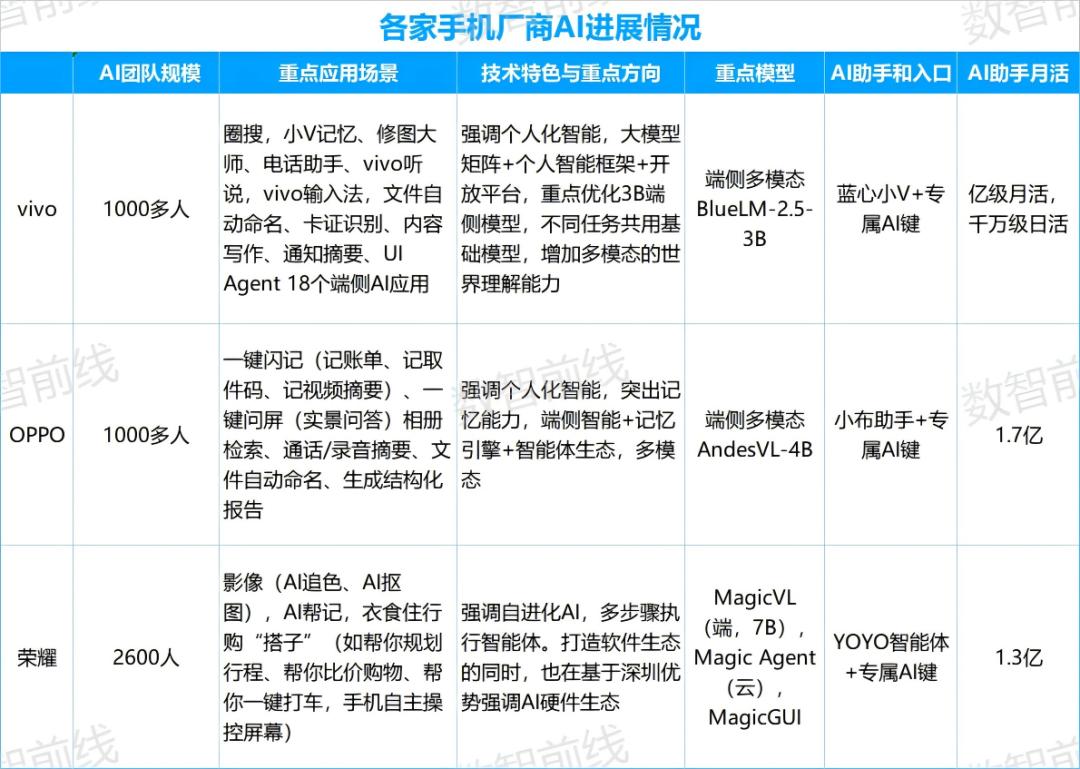
Core Insights - Mobile manufacturers are shifting focus from large parameter models to edge-based multimodal models, reflecting a significant change in AI strategy [1][8][11] - AI has become a central topic at recent developer conferences held by vivo, OPPO, and Honor, showcasing their new understanding of AI strategies and model applications [1][2] AI Development Trends - The application of AI in mobile devices has evolved from text processing to include image and voice processing, with a notable increase in edge-side multimodal models [1][3] - vivo has introduced 18 edge-side AI applications, enhancing user interaction through complex task management and intent recognition [1][4] - OPPO's features like "one-click screen inquiry" and "one-click flash note" demonstrate real-time understanding and automation of user tasks [2][4] - Honor claims over 3,000 automated scenarios, streamlining user interactions across various applications [2][4] Model Evolution - Mobile manufacturers have progressed through three stages of model development, moving from large language models to multimodal models with a focus on edge deployment [3][5] - Recent releases include Honor's 7B multimodal model MagicGUI and vivo's 3B model BlueLM-2.5-3B, integrating language, vision, and logical reasoning capabilities [5][6] Challenges in Edge Model Deployment - Current AI assistants often rely on multiple models for different tasks, leading to complexities in integrating external cloud models [8][11] - The performance of edge models is constrained by chip capabilities, with current models achieving 2B-5B parameters, equivalent to 32-70B cloud models [8][10] - The need for higher performance chips and storage for edge models poses challenges, especially in balancing cost and user experience [11][12] Ecosystem Development - The development of AI agents is still in its early stages, with current automation tasks limited to manufacturer-specific applications [13][15] - Manufacturers are building AI ecosystems to enhance cross-application functionality, with vivo, OPPO, and Honor leading efforts in creating reusable capabilities for partners [15][16] - Collaboration with internet companies is crucial for expanding the AI ecosystem, as user data and application value are significant concerns for app developers [16][17]

曾经卖100万元一台的Vertu,要发新手机啦
猿大侠· 2025-10-26 04:08
Core Viewpoint - Vertu is set to launch a new smartphone called Agent Q, which continues its tradition of luxury features and high-end specifications, although specific details on pricing and luxury materials have not yet been disclosed [3][4]. Group 1: Product Features - The new Vertu Agent Q will be equipped with a high-frequency Qualcomm Snapdragon 8 Gen 2 processor and an impressive 16GB of RAM, surpassing the capabilities of the iPhone [6]. - It offers two internal storage options of 512GB or 1TB, along with an additional 10TB of cloud storage [7]. - The display features a 1080x2340 resolution OLED screen with a 120Hz refresh rate [7]. - The camera system includes a main 50MP Sony IMX906 sensor, a 50MP ultra-wide camera, and a 64MP telephoto lens, indicating a strong focus on photography capabilities [11]. - The device is powered by a 5565mAh battery with 65W wired charging support, and it includes features like NFC, stereo speakers, and Wi-Fi 7 [13]. Group 2: Design and Build - The dimensions of the Agent Q are 165.2x74.6x11.5 mm and it weighs 262 grams, which is relatively heavy and thick compared to typical smartphones, reflecting its luxury branding [14].

挑西瓜、比价格、开盲盒告别“参数内耗” 手机AI开始集体接地气
Mei Ri Jing Ji Xin Wen· 2025-10-25 10:44
Core Insights - The mobile industry is shifting focus from competing on AI model parameters to practical applications of AI in real-world scenarios [2][4] Group 1: Industry Trends - Major smartphone manufacturers are emphasizing the importance of making AI functional and user-friendly, moving away from merely increasing model parameters [2][3] - Companies like Honor, Vivo, and OPPO are reporting significant advancements in AI capabilities, with Honor's AI assistant capable of over 3000 automated tasks and Vivo's AI assistant covering approximately 2500 high-frequency scenarios [2][3] - The industry is increasingly prioritizing "scene-based" and "practical" AI applications, as highlighted by executives from various companies [2][3] Group 2: Technological Support - The implementation of AI in smartphones is supported by a three-tiered technological framework: internal technology development, perception capabilities based on underlying models, and ecosystem-driven service integration [3] - Honor's AI Connect platform aims to open its AI capabilities to ecosystem partners, fostering collaboration across various industries [3][4] Group 3: Ecosystem Collaboration - The realization of "full-scene intelligence" requires collaboration among multiple ecosystem partners, as highlighted by OPPO and Vivo's emphasis on the importance of developer contributions [3][4] - Honor's "1×3×N" ecosystem strategy aims to create a cross-brand, cross-scenario, and cross-device intelligent interconnected ecosystem, with partnerships already established with major companies [3][4] Group 4: Competitive Landscape - Leading manufacturers are adopting comprehensive strategies that integrate AI experiences with ecosystem development, moving beyond mere hardware specifications [4][5] - The competition among smart devices is evolving into a contest of "AI experience + ecosystem," as seen in strategies from Huawei, OPPO, and Apple [4] Group 5: Interoperability Challenges - Achieving seamless cross-device collaboration remains a challenge due to differences in protocols and systems among brands [5] - Honor is addressing this by implementing a "tap-to-connect" standard, allowing devices to communicate easily, with current connectivity achieved with 80% of smart air conditioners and 70% of smart cars in the Chinese market [5]
真我GT8系列正式发布 全系搭载理光GR影像系统走出差异化路线
Zheng Quan Ri Bao Wang· 2025-10-23 07:13
Group 1 - The mobile industry is experiencing a surge in domestic smartphone releases, with realme launching its flagship GT8 series featuring a custom Ricoh GR imaging system for enhanced street photography [1] - The GT8 series is equipped with the Snapdragon 8 Gen 2, an R1 gaming chip, and a 50MP ultra-light telephoto lens, aiming to deliver a flagship experience to a broader audience [1] - Realme's Vice President and President of China, Xu Qi, highlighted the company's journey over the past seven years, achieving 300 million users and focusing on the needs of young consumers for cutting-edge technology [1] Group 2 - The GT8 model features the same Ricoh GR anti-glare main camera as the Pro version, offering a complete Ricoh GR imaging system experience, along with a rare 50MP ultra-light telephoto lens that supports 3.5x optical zoom and 7x lossless zoom [2] - The GT8 will officially go on sale on October 21, with a starting price of 2,899 yuan [2] - Industry experts believe that realme's collaboration with Ricoh GR creates a unique differentiation in the imaging sector, reinforcing the competitive model of "co-branded imaging brands + self-developed chips + top-tier hardware" in the current smartphone market [2]
急于IPO的荣耀,开始“邪修”
3 6 Ke· 2025-10-20 07:40
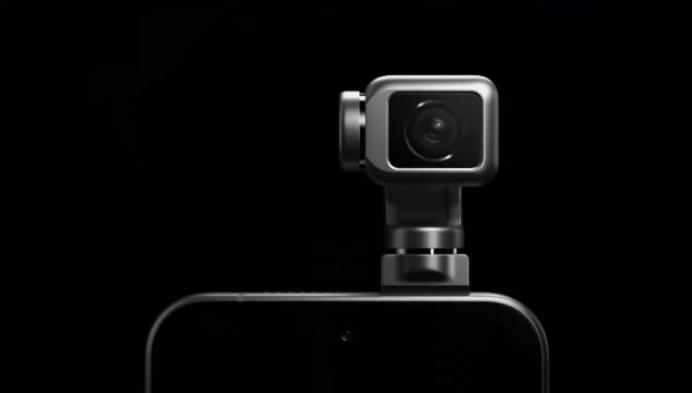
Core Viewpoint - The evolution of mobile phones has been significantly influenced by technological advancements, with Honor's new Robot Phone aiming to redefine the smartphone experience through AI integration and innovative design [1][2][4]. Group 1: Product Development and Strategy - Honor's CEO, Li Jian, announced the "Alpha Strategy," which involves a $10 billion investment over five years to focus on AI terminal ecosystem development, with the Robot Phone being the first product under this strategy [2][4]. - The Robot Phone combines a smartphone with an AI gimbal camera, featuring a unique design that contrasts with the trend of thinner devices, indicating a shift towards more interactive and multifunctional devices [5][9]. Group 2: Market Position and Challenges - Honor is under pressure to perform as it seeks to go public, having completed its listing guidance in June 2025, while facing a slowing global smartphone market and intensified domestic competition [4][22]. - Despite a slight recovery in market share, with a 14.4% share in Q3 2025, Honor's year-over-year shipment volume decreased by 2.1%, lagging behind competitors like Apple and Xiaomi [18][19]. Group 3: AI Integration and User Interaction - The Robot Phone's design aims to enhance user interaction through AI capabilities, allowing for features like automatic photo capturing and IoT integration, which could redefine user engagement with smartphones [5][10]. - Honor's AI technology, including the "Magic Model 3.0," promises improved performance metrics, such as a 25% increase in inference speed and a 25% reduction in power consumption, positioning it competitively against existing AI models [12][14]. Group 4: Data Security and Privacy Concerns - The integration of AI in smartphones raises significant data security and privacy concerns, particularly regarding the permissions required for AI functionalities, which may not be fully transparent to users [12][16]. - Reports indicate that AI-driven operations may require extensive user data, leading to potential risks if not managed properly, highlighting the need for Honor to ensure transparency and security in its AI applications [14][16]. Group 5: Future Outlook and Market Dynamics - Honor's transition from a smartphone company to an AI terminal ecosystem company reflects its strategy to adapt to market demands, but it faces challenges in gaining consumer acceptance for its innovative yet unconventional designs [17][23]. - The competitive landscape remains tough, with Honor's global market share estimated at 4%-5%, indicating a significant gap compared to leading brands like Samsung and Apple [20][21].
iPhone 17引爆Deco设计潮,手机设计为何狂卷「辨识度」?
3 6 Ke· 2025-10-20 01:26
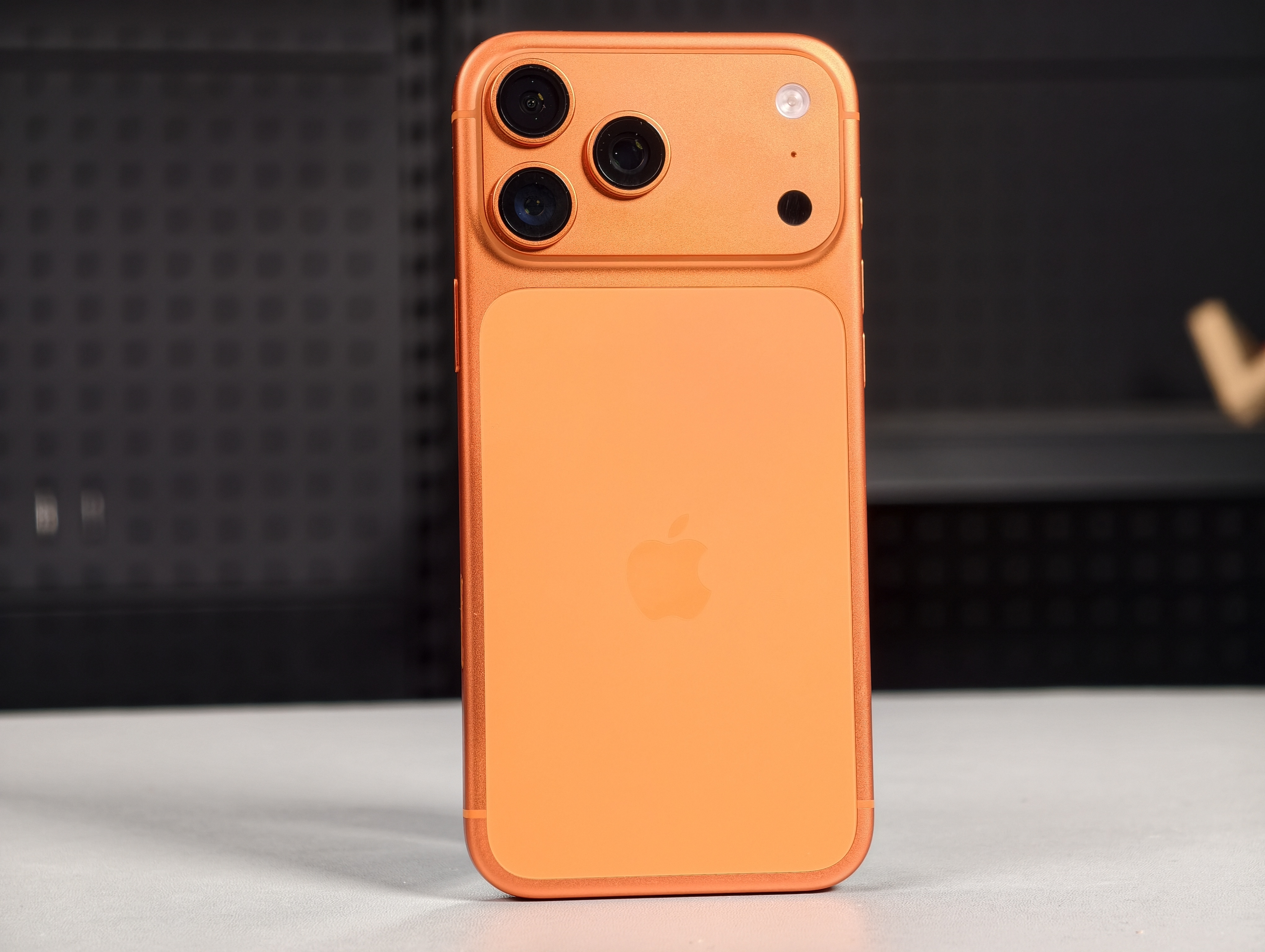
Core Viewpoint - Recent smartphone manufacturers, including Apple and Xiaomi, have shifted focus from aesthetic design to high recognition in their products, as evidenced by their new camera Deco designs, which prioritize distinctiveness over traditional beauty [1][12][22]. Design Changes - Apple and Xiaomi have both adopted a long strip camera Deco design, moving away from their previous design identities, which has not negatively impacted their sales but rather attracted new users [1][4]. - The iPhone 17 series features a horizontal Deco that enhances visual recognition, while Xiaomi's 17 series includes a back screen that serves multiple functions, such as displaying notifications and enabling selfies [1][6][4]. Sales Performance - The iPhone 17 series saw a 30% increase in sales compared to its predecessor in its first week, with over 4 million units activated in China by October 12, indicating a potential resurgence in Apple's market position [4][6]. - Xiaomi's 17 series has a different sales distribution, with the higher-priced Pro Max version accounting for 50% of sales, showcasing strong market acceptance of the new back screen feature [6][4]. Market Trends - The trend of prioritizing recognition over aesthetics is evident across various brands, including Realme and OPPO, which have also made significant design changes to enhance product differentiation [11][12]. - The smartphone industry is experiencing severe homogenization, leading manufacturers to innovate through design changes rather than solely focusing on technical specifications [14][22]. Consumer Preferences - Consumers are increasingly drawn to smartphones that are easily recognizable and address practical needs, rather than those that are merely visually appealing [23][22]. - The introduction of unique features, such as Xiaomi's back screen and Realme's interchangeable camera modules, reflects a shift towards meeting individual user preferences and cultural trends [6][9][22]. Future Innovations - The upcoming Honor ROBOT PHONE introduces a foldable gimbal camera and advanced AI capabilities, suggesting a potential new direction for smartphone innovation that combines mechanical design with AI [18][22]. - The industry may benefit from exploring new forms and functionalities, moving beyond traditional designs to create products that resonate with users on a deeper level [22][23].


AI智能体试水“抢购物券”,手机厂商转向:不拼参数拼应用
Di Yi Cai Jing· 2025-10-18 10:44
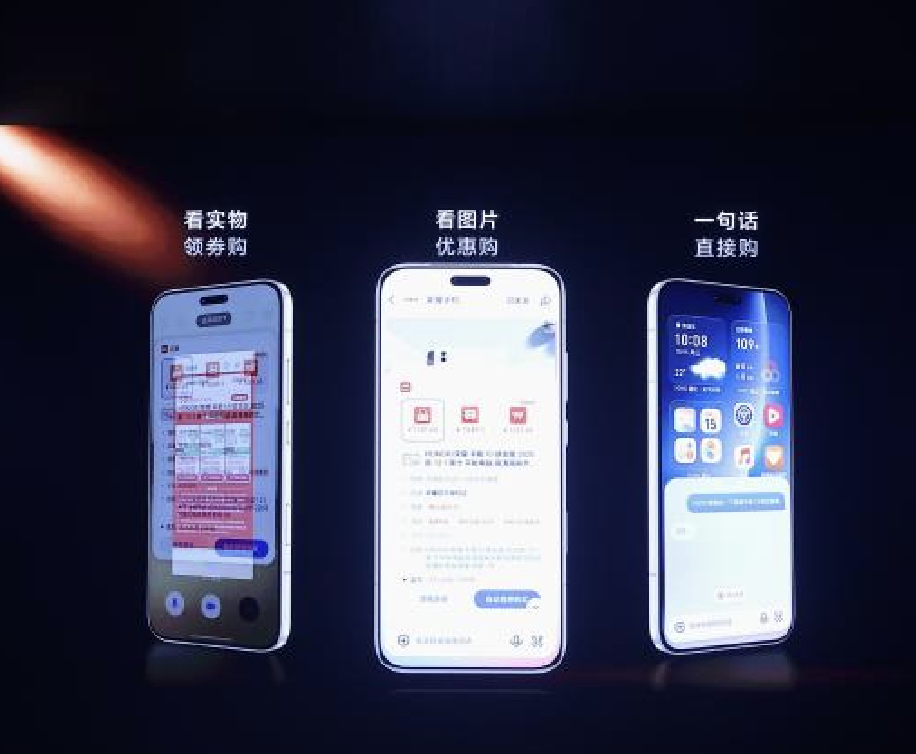
Core Insights - The article discusses the shift in the Chinese AI market from competing on large model parameters to focusing on practical applications and smaller models, emphasizing cost-effectiveness and usability [1][11] - Chinese smartphone manufacturers are increasingly integrating AI capabilities into their devices, enhancing user experience through features like proactive assistance and improved interaction methods [2][5][10] Group 1: Industry Trends - Chinese companies are moving away from the costly race to build massive AI models, recognizing the unsustainable nature of such investments [1] - The focus has shifted to developing smaller, more efficient models that can be applied in real-world scenarios, allowing for faster deployment and better user experience [1][11] - The introduction of DeepSeek's open-source model has leveled the playing field, enabling smaller models to achieve comparable AI capabilities [8] Group 2: Technological Advancements - AI integration in smartphones is advancing, with features that allow for one-click operations and proactive suggestions based on user behavior [2][5] - Companies like Honor and Vivo are reporting significant increases in the number of AI-supported scenarios, indicating rapid growth in AI application [9] - The development of AI capabilities is not only about enhancing performance but also about optimizing hardware efficiency and user interaction [5][6] Group 3: Challenges and Considerations - Despite advancements, the industry faces challenges related to power consumption, computational demands, and cost pressures, which have hindered significant sales growth in smartphones [7][8] - The need for additional investments in specialized hardware, such as NPU chips, poses a risk to profit margins for smartphone manufacturers [8] - The industry is recognizing that merely increasing computational power is not a viable long-term strategy; practical application and user experience are becoming the primary focus [8][11]
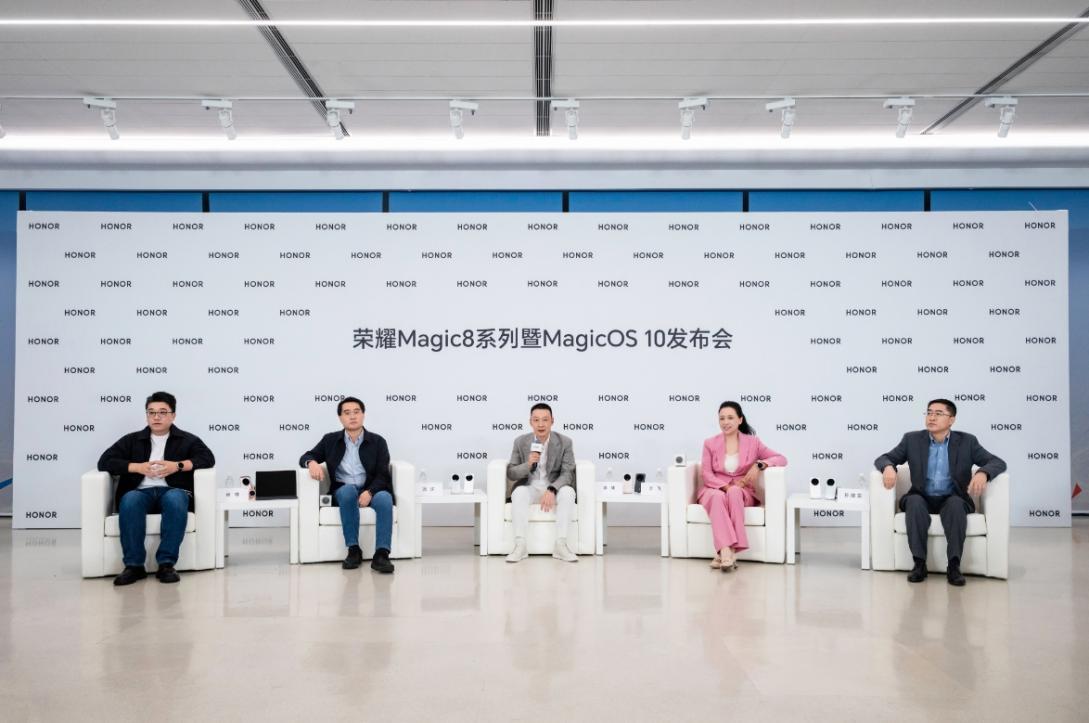
对话荣耀高管:AI与用户共同成长,打开未来生活方式想象空间
Huan Qiu Wang· 2025-10-18 05:07
Core Insights - The article discusses the launch of the Honor Magic8 series, featuring the AI intelligent agent YOYO, which aims to enhance user experience by providing personalized and automated shopping assistance [1][2] - Honor emphasizes the importance of continuous evolution of AI technology, allowing it to grow alongside users and adapt to their needs [2][3] - The company is positioning itself as a leader in the AI smartphone market, with projections indicating significant growth in AI smartphone shipments in China by 2025 [2] Group 1: AI Technology and User Experience - Honor's CEO, Li Jian, highlights that the Magic8 series, powered by MagicOS 10, offers a new lifestyle driven by AI, covering over 3000 scenarios for user convenience [1][2] - YOYO is designed to evolve through user interaction, with features being defined collaboratively through initiatives like the "YOYO Wish Pool" [2][3] - The focus is on enhancing user experience rather than just technical specifications, with user feedback being crucial for AI's intelligence [3] Group 2: Product Features and Innovations - The Honor Magic8 Pro features a 200MP ultra-night telephoto camera with advanced stabilization capabilities, showcasing significant improvements in imaging technology [5][6] - The entire Magic8 series is equipped with the fifth-generation Snapdragon 8 processor, offering substantial performance enhancements across CPU, GPU, and AI capabilities [5][6] - Honor aims to maintain a strong commitment to user experience, ensuring that the Magic series consistently meets consumer expectations [6] Group 3: Future Developments and Vision - Honor is exploring the evolution of AI devices, envisioning a transition from smartphones to AI Phones and eventually to Robot Phones [6][8] - The upcoming Honor ROBOT PHONE, set to debut in 2026, aims to integrate AI, robotics, and imaging capabilities, enhancing user interaction with technology [8][9] - The Honor Alpha global flagship store serves as a platform for consumers to experience AI technology in daily life, reinforcing the company's commitment to innovation and user engagement [9]
江苏省无锡市市场监督管理局发布手机产品质量监督抽查结果
Zhong Guo Zhi Liang Xin Wen Wang· 2025-10-17 07:54
Core Insights - The quality inspection of mobile phone products in Wuxi City for the year 2025 revealed that all 10 batches tested were found to be compliant with quality standards [2]. Group 1: Inspection Results - A total of 10 batches of mobile phone products were sampled, and none were found to be unqualified [2]. - The inspected products included various brands such as HONOR, GIONEE, Redmi, vivo, Motorola, HUAWEI, OPPO, and Xiaomi [2][3]. - The inspection covered different models, including 5G smartphones and older models primarily targeted at senior users and mid-range consumers [2]. Group 2: Product Specifications - The tested products included specifications such as input and output voltage ratings for chargers, with examples like 5VDC 500mA and 5VDC 3A [2][3]. - Specific models like HONOR NIC-AN00 and GIONEE G20231205 were part of the inspection, showcasing a range of features and compliance with safety standards [2]. - The inspection also included details on the manufacturing dates and addresses of the companies involved, ensuring traceability and accountability [2].

Omdia分析师:AI功能尚未成为消费者换机主因
Di Yi Cai Jing· 2025-10-17 05:51
Core Insights - Current AI features are not the main driving factor for consumers to replace their smartphones, but interest in AI smartphones in the Chinese market has significantly increased [1] - Over the past year, AI smartphones have made breakthroughs in the depth of feature integration, actual user experience, and the richness of application scenarios [1]