
多行业

Search documents
国资委发声!事关市值管理、重组整合
Zhong Guo Zheng Quan Bao - Zhong Zheng Wang· 2025-12-24 01:15
Core Viewpoint - The State-owned Assets Supervision and Administration Commission (SASAC) emphasizes the need for reform and vitality in state-owned enterprises (SOEs) in 2026, aiming to elevate reforms to a new level at a new starting point [1][7]. Group 1: Market Expansion and Quality Management - The primary task for SOEs in 2026 is to stabilize operations and improve efficiency, focusing on market expansion and quality management [3][10]. - Strategies include utilizing big data models to capture market demand, enhancing product and service quality, and fostering new consumption scenarios in culture, tourism, digital, and health sectors [3][10]. - Effective management practices will be implemented, including comprehensive budget management and stringent control over costs related to receivables, contract assets, inventory, and payables [3][10]. Group 2: Digital Transformation and AI Integration - A new round of digital transformation for central enterprises will be initiated, focusing on the "AI+" action plan [4][11]. - The emphasis will be on both traditional industry transformation and the development of emerging industries, particularly in sectors like renewable energy, aerospace, and quantum technology [4][11]. - The goal is to accelerate the transition from manufacturing to integrated service models and from labor-intensive to knowledge-intensive services [4][11]. Group 3: Strategic Restructuring and Mergers - There will be a strong push for strategic and professional restructuring and high-quality mergers in 2026 [5][12]. - The focus will be on balancing returns and risks, acquiring core resources, and nurturing competitive advantages [5][12]. - SOEs are encouraged to play a better platform role in capital investment and operations [5][12]. Group 4: Innovation and Value Creation - Emphasis will be placed on original innovation and tackling key core technologies, with a focus on accelerating the application of major scientific and technological achievements [6][13]. - The establishment of innovation consortia and pilot testing platforms will be prioritized to enhance productivity and facilitate data sharing and standardization [6][13]. - The value creation initiative will be deepened, with increased efforts to cultivate leading enterprises in specialized fields [6][14]. Group 5: Regional Development and Public Service - SOEs are expected to align with national regional strategies and actively participate in the construction of international and regional innovation centers [6][15]. - High-quality public service provision will be prioritized, including infrastructure for public welfare, elderly care, and affordable housing [6][15]. - Collaboration with various business entities will be emphasized to support rural revitalization and implement precise assistance strategies [6][15].

国资国企改革如何继续深化?
Zheng Quan Shi Bao· 2025-12-23 18:30
近期召开的中央经济工作会议要求,2026年要制定和实施进一步深化国资国企改革方案,国资国企改革 将进入新一轮深化周期。站在这一承前启后的时点,国资国企改革不仅承载着国家战略的谋篇布局,也 肩负着进一步激发企业内生动力和创新活力的任务。 作为我国经济体系的重要支柱,国有企业是保持国民经济平稳运行的"稳定器"和"压舱石"。如何在已有 基础上进一步推进国有资本布局优化和结构调整、健全关键核心技术攻关的组织模式、完善公司治理和 市场化经营体制、优化监管方式与考核评价等是各方的核心关注。 综合相关信息来看,新一轮国资国企改革将更加强调系统性、整体性与协同性,并鲜明落脚于"效"字。 改革将服务国家战略发展的实效。"十四五"时期接续开展了两轮国企改革三年行动,国有企业在国有资 本布局优化与结构调整、企业运行机制提升,以及建立中国特色现代企业制度等方面取得明显进展。新 一轮改革中,国有资本布局优化和结构调整仍将加快"三个集中",即向关系国家安全、国民经济命脉的 重要行业和关键领域集中,向关系国计民生的公共服务、应急能力、公益性领域等集中,向前瞻性战略 性新兴产业集中。这是充分彰显国有经济功能使命的必然要求,也是更好发挥功能作 ...
江苏:以开放主动赢得发展主动
Jiang Nan Shi Bao· 2025-12-23 14:08
Core Viewpoint - Jiangsu Province has achieved significant progress in deepening reform and opening up during the "14th Five-Year Plan" period, focusing on key areas to enhance its market economy and international cooperation, thereby gaining a proactive stance in development [1]. Group 1: Economic Development and Investment - Jiangsu has actively supported the construction of a unified national market, implementing measures to reduce barriers and enhance logistics efficiency, thereby solidifying the foundation for domestic circulation [2]. - During the "14th Five-Year Plan," state-owned enterprises in Jiangsu invested a total of 670 billion yuan, with annual investments in major provincial projects accounting for nearly one-sixth of the total provincial investment [2]. - The total assets, operating income, and profit of state-owned enterprises under the Jiangsu Provincial State-owned Assets Supervision and Administration Commission have seen annual compound growth rates of 10.5%, 9.5%, and 8.5% respectively [2]. Group 2: Quality and Innovation - Jiangsu has focused on quality improvement, integrated services, and governance innovation to enhance its competitive advantages and support high-quality development [3]. - The province has established 44 national key laboratories and has seen a doubling of technical contract transaction volume compared to the end of the "13th Five-Year Plan" [4]. - Jiangsu has set up 41 strategic emerging industry mother funds with a total scale of 106.9 billion yuan, and has selected 44 sub-funds totaling 42.6 billion yuan, with 172 projects funded to date [4]. Group 3: Open Economy and Foreign Investment - Jiangsu has utilized over 119 billion USD in foreign investment during the "14th Five-Year Plan," maintaining the top position in the country [7]. - The province has seen a 10% annual growth in imports and exports with countries involved in the Belt and Road Initiative, increasing their share from 42.9% in 2023 to 50% [7]. - Jiangsu has created a market-oriented, law-based, and international business environment, with foreign investment accounting for about one-sixth of the national total [7]. Group 4: Financial Sector Development - The financial system in Jiangsu has focused on reforming financial services and enhancing market vitality to support high-quality economic development [8]. - In the current year, Jiangsu has added 26 new domestic listed companies, ranking first in the country [8]. - The province has collaborated with international financial organizations to introduce 300 million USD in funding for biodiversity protection projects, improving financial services to the real economy [8].
【新华解读】向“深”而行 中央企业发展新方向进一步明确
Xin Hua Cai Jing· 2025-12-23 13:24
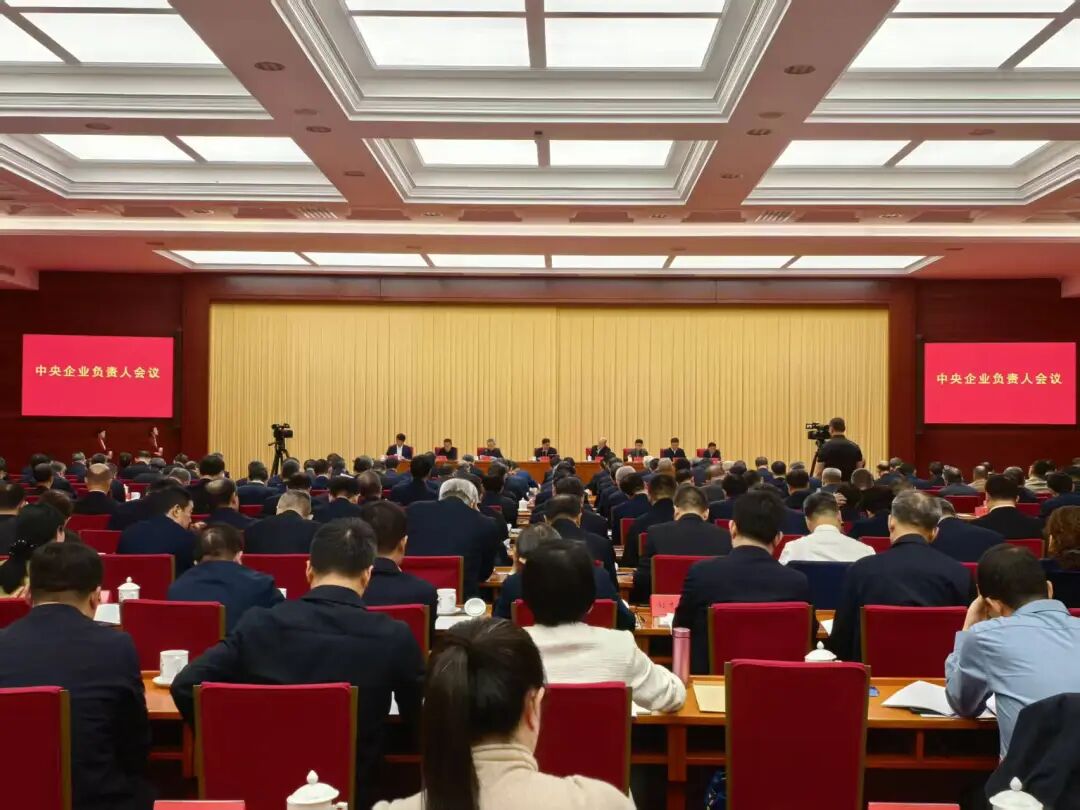
Core Viewpoint - The recent Central Enterprise Leaders' Conference held on December 22-23 in Beijing addressed significant issues regarding the value positioning and reform development of central enterprises, providing clear direction for future work [1][7]. Group 1: Strengthening Central Enterprises' Function - Since the 18th National Congress, central enterprises have actively implemented the decisions of the Party Central Committee, serving national strategies and playing a crucial role in the national economy [2]. - Central enterprises are recognized as the backbone and pillar of the economy, essential for implementing major national strategies and driving technological innovation [2][3]. - Data from the State-owned Assets Supervision and Administration Commission (SASAC) indicates that since the start of the 14th Five-Year Plan, total assets of central enterprises have increased from less than 70 trillion yuan to over 90 trillion yuan, with total profits rising from 1.9 trillion yuan to 2.6 trillion yuan, reflecting annual growth rates of 7.3% and 8.3% respectively [2]. Group 2: Focus on Innovation and Reform - The conference emphasized the need for central enterprises to focus on the real economy, strengthen key core technology breakthroughs, and promote deep integration of technological and industrial innovation [5][6]. - Central enterprises have been recognized as a national team for technological innovation, with R&D investments exceeding 1 trillion yuan for three consecutive years, successfully tackling critical technologies [6]. - There is a need to address the challenges of transforming technological innovations into marketable products, as current innovation capabilities are insufficient [6]. Group 3: Future Directions and Responsibilities - The conference outlined that central enterprises should enhance their core functions and competitiveness by focusing on their main responsibilities and optimizing the layout of state-owned economies [3][4]. - Future efforts will include deepening reforms, improving modern enterprise systems, and enhancing corporate governance structures to address deep-seated issues hindering enterprise development [7]. - The goal is to build world-class enterprises while ensuring that central enterprises contribute significantly to the modernization of China [7].
全国工商联发布《中国民营企业社会责任报告(2025)》
Yang Shi Xin Wen· 2025-12-23 03:26
Core Insights - The report highlights the significant role of private enterprises in fulfilling social responsibilities in China, showcasing their contributions across various sectors and emphasizing their importance in economic and social development [1][4]. Group 1: Technological Innovation - Private enterprises have strengthened their position as key players in technological innovation, accounting for over 90% of national high-tech enterprises by the end of 2024. They represent more than 80% of "specialized, refined, and innovative" small giant enterprises and companies listed on the Sci-Tech Innovation Board. Additionally, they have become the largest contributors to high-tech product imports and exports, with a 48.5% share [1]. - The top 1,000 private enterprises invested a total of 1.43 trillion yuan in R&D, with 112 companies making it to the global top 1,000 in R&D investment. Furthermore, 71.6% of private enterprises reported year-on-year growth in R&D spending [1]. Group 2: Employment Stability - Private enterprises are the main market players in job creation, employing 12.74 million people, with 71.4% of these companies maintaining stable or increasing employee numbers. The "Hundred Cities, Thousand Schools, Ten Thousand Enterprises" initiative has created over 10 million job opportunities, with an increasing number of graduates from universities being absorbed into the workforce in 2024 [2]. Group 3: Rural Revitalization - Private enterprises play a crucial role in rural revitalization, with 235,100 participating in the "Ten Thousand Enterprises Helping Ten Thousand Villages" initiative, investing 1.23 trillion yuan and donating 57.28 billion yuan, benefiting 161,900 villages. Additionally, 54.6% of these enterprises focus on industrial revitalization, cultivating 8,308 local specialty agricultural brands [2]. Group 4: Green Transformation - Private enterprises are actively pursuing green development, with 84.2% of the top 500 private enterprises in China promoting low-carbon transformation. Moreover, 55.1% of these companies are involved in ecological protection and climate change response, with 4,676 enterprises recognized in green manufacturing, including 911 national-level green factories [2]. Group 5: Philanthropy and Social Responsibility - Private enterprises are increasingly engaged in philanthropy and social responsibility, contributing significantly to common prosperity. The "China Colorful Charity Bid" event resulted in investment contracts worth 55.87 billion yuan. Among the sample enterprises, 16,597 participated in charitable activities, with donations and aid valued at 485 million yuan for earthquake relief in Tibet [3]. Group 6: Characteristics of Social Responsibility - The report identifies key characteristics of private enterprises' social responsibility practices, including the influence of government policies that encourage proactive engagement, the integration of social responsibility with national strategies, and a balanced development pattern across regions and industries. Overall, the trend in fulfilling social responsibilities among private enterprises is positive, contributing to common prosperity and modernization in China [4]. Group 7: Recognition of Best Practices - The meeting also announced the list of 60 exemplary cases of social responsibility among private enterprises for 2025, highlighting best practices in the sector [5].
两年新增技能人才10万人以上
Xin Lang Cai Jing· 2025-12-22 20:23
Group 1 - The core event is the launch of the "2025 National Craftsman Wenzhou Tour" and the second Wenzhou Employee Technology Innovation Activity, which introduced the "Ten Measures for Cultivating National Craftsmen in Wenzhou" focusing on skill enhancement for workers [1] - Wenzhou aims to enhance worker skills through various training programs, including innovation training camps and advanced workshops, targeting over 2,500 workers for educational and skill improvement [1] - The city plans to cultivate 200 new "Ouyue Craftsmen" by 2027 and initiate the "Wengong Talent" program to train 50 national craftsman candidates annually, alongside a mentorship program to pair over 1,000 master-apprentice pairs each year [1] Group 2 - Wenzhou will establish high-standard innovation platforms, including "One Port and Five Grains," and support 60 skill master studios and innovation workspaces by 2027 [2] - The city will implement a series of actions to enhance employee innovation incentives, conduct over 100 "Model Craftsman Assist Enterprises" events annually, and host more than 30 skill competitions at the municipal level each year [2] - A one-stop service for rapid review, confirmation, and protection of intellectual property rights will be provided to support employee innovation outcomes [2]
新增法治化营商环境内容 绵阳公安机关优化涉企服务八条措施
Sou Hu Cai Jing· 2025-12-17 14:44
Core Viewpoint - The Mianyang Public Security Bureau has optimized eight measures to enhance the business environment for enterprises, focusing on legal and administrative support to foster better service for business development [1][3]. Group 1: Optimized Measures - The eight optimized measures include legal protection against enterprise-related crimes, strict regulation of law enforcement behavior, and enhanced intellectual property protection [3]. - New measures emphasize the establishment of a legal business environment, including timely processing of enterprise-related cases and the implementation of a "police-enterprise liaison officer" and "project police chief" mechanisms [1][3]. Group 2: Law Enforcement and Administrative Support - The measures aim to combat enterprise-related crimes such as contract fraud, embezzlement, intellectual property infringement, and telecom fraud, with a commitment to process cases within 24 hours and provide feedback within five working days [2][3]. - Strict regulations prohibit cross-regional profit-driven law enforcement and the use of criminal means in economic disputes, promoting a more flexible and prudent regulatory approach [4]. Group 3: Communication and Service Mechanisms - The establishment of a police-enterprise communication service mechanism includes the use of online and offline platforms to create a comprehensive service loop, enhancing dispute resolution and enterprise security [4]. - Regular visits and meetings with enterprises are organized to gather feedback and improve support for businesses, alongside increased patrols and special operations to address security issues related to enterprises [4].

中央明确加紧清理拖欠企业账款,推动国企带头解开“连环套”
Di Yi Cai Jing· 2025-12-17 13:27
Group 1 - The central government emphasizes the need to clear overdue payments to enterprises, particularly focusing on state-owned enterprises leading the way in resolving payment issues to alleviate the financial burden on private companies [1][2][3] - The government aims to establish a unified national market by addressing barriers and inefficiencies in the current economic system, which includes improving the business environment and ensuring timely payments to small and medium-sized enterprises [1][5][6] - The implementation of a complaint platform for overdue payments has been initiated, and measures are being taken to ensure that state-owned enterprises prioritize payments to support the supply chain [2][3][4] Group 2 - The construction of a unified national market is seen as essential for fostering a new development pattern, with a focus on deepening reforms to eliminate "involution" competition and enhance market efficiency [5][6][8] - The government plans to introduce regulations to standardize market operations, improve competition, and eliminate unreasonable restrictions that hinder the free flow of resources [6][7] - There is a strong emphasis on preventing "drawer agreements" and ensuring that local governments adhere to fair practices in attracting investments, which is crucial for maintaining sustainable local finances [7][8] Group 3 - The issue of overdue payments is identified as a systemic problem affecting the survival of private enterprises, with a call for state-owned enterprises to take the lead in resolving these payment issues [3][4] - The government is committed to establishing a long-term mechanism to prevent overdue payments and enhance the credibility of government and state-owned enterprises [2][3] - The focus on "involution" competition highlights the need for industries to innovate and improve their competitive strategies to avoid resource wastage in price wars and low-level competition [8][9]
【报时甘肃经济】金昌近三年“四上”企业数量增长77%
Sou Hu Cai Jing· 2025-12-17 01:43
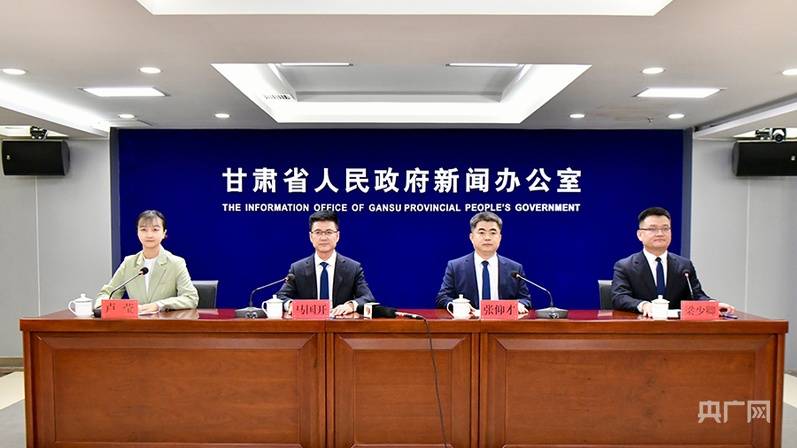
发布会现场(央广网记者 寇刚 摄) 央广网兰州12月17日消息(记者寇刚)"我们积极落实市场准入准营,全面保障各类经营主体平等投资经营权 利,市场准入效能评估全省第一,全市经营主体累计达到58785户,较2022年末新增8434户,'四上'企业数量增长 77%。"12月15日,金昌市委常委、市政府常务副市长马国开于"决胜'西部领先、全国靠前'——甘肃省优化营商 环境三年行动系列专题新闻发布会——金昌专场"如是介绍。 近年来,金昌市围绕"西部领先、全国靠前"目标,连续开展营商环境攻坚突破年、提质增效年与全面提升年行 动,推动全市地区生产总值实现4年跨越3个百亿台阶、增速连续3年位居全省第一。 从"77天"到"3天"的"金昌速度" 企业要发展,要素保障是关键。在园区,水电气热路网等"七通一平"基础设施实现全覆盖,金昌经开区获评"中 国经济十大最具投资价值开发区"。在土地上,推行"标准地"改革,让工业项目实现"拿地即开工"。在资金上,设 立产业基金和应急周转金,并通过"政银企担"对接帮助企业融资超465亿元。此外,全国重点实验室、全省首家 动力电池技术创新中心等92个创新平台相继落地,为产业升级提供了硬核支撑。 如 ...
欧盟委员会就削减绿色规则提案达成协议
Shang Wu Bu Wang Zhan· 2025-12-13 15:42
此前,许多欧洲公司指责该欧盟出台的绿色法规和商业限制过于严格,导致部分欧盟国家经济增长 低迷,就业岗位流失,更阻碍了欧洲企业与美国和中国企业的竞争。然而,欧洲绿党、民间社会团体甚 至部分商业界人士警告称,削减绿色规则可能进一步损害自然环境和人类健康。 欧盟委员会目前已在数据保护、金融、化学品使用、农业和国防等领域提出了至少十项新的简化法 案。欧洲议会、欧洲理事会和欧盟委员会谈判代表达成的协议包括修改欧盟绿色规则体系中的两项关键 法律:《企业可持续性报告指令》(CSRD)和《企业尽职调查指令》(CSDDD)。这些规则最初要 求各大中小型公司收集并公布温室气体排放、水资源消耗、气温上升对工作条件的影响、化学品泄漏以 及全球供应链中人权和劳动法遵守情况的数据。 削减绿色规则提案通过后,相关的报告义务将仅适用于员工超过1000人且净收入超过4.5亿欧元的 企业,而只有员工超过5000人且收入至少达15亿欧元的最大型企业才需要履行供应链尽职调查义务。此 外,企业将无需制定详细的转型计划来说明如何调整商业模式以实现温室气体减排目标。同时还废除了 关于"允许公民就企业供应链对人权或当地生态系统的影响追究其责任"的法律框架。 ...