
洗浴行业

Search documents
为什么现在的人洗澡能洗一天?| 2026洗浴行业趋势洞察
Di Yi Cai Jing· 2025-11-21 08:03
Core Insights - The bathing industry is rapidly evolving into a multi-billion market, with projections indicating it will exceed 110 billion yuan by 2025, driven by changing social habits among young people who now view bathing as a leisure and social activity rather than just a necessity [2][4]. Market Trends - The market share of new scene bathing formats has risen to 70%, significantly surpassing traditional bathhouses, reflecting a shift in lifestyle where bathing is seen as an emotional necessity [4]. - 22% of consumers visit bathing centers for stress relief, while 17% seek late-night rest, and 16% pursue wellness experiences, indicating a growing trend of emotional healing through bathing [6]. Consumer Behavior - Bathing is increasingly viewed as a means of emotional therapy, with consumers seeking experiences that provide relaxation and social interaction [5][7]. - The concept of "overnight bathing" has emerged, with young people using bathing centers as late-night rest stops, combining bathing with late-night snacks and overnight stays [9][11]. Family Engagement - Bathing centers are becoming popular family venues, contributing 29% to total transaction volume, as they offer a safe and entertaining environment for children while allowing parents to relax [14]. - The focus on child-friendly facilities and services is crucial for attracting family customers, making bathing centers a preferred choice for family outings [14]. Social Dynamics - Bathing centers are redefining social interactions, with 25% of young people choosing these venues for relaxed socializing, allowing for shared experiences without the pressure of formal conversation [18]. - The trend of solo bathing is gaining traction, with 45% of individuals finding it the most effective way to recharge and enjoy solitude [18]. Cultural Significance - Bathing is evolving into a cultural experience, with young people using bathing centers for social media content creation, transforming the bathing experience into a shareable lifestyle [19][21]. - The industry is shifting from merely providing a service to creating memorable experiences that can be shared and celebrated online [22]. Business Implications - The rise of the "healing" trend in bathing presents new growth opportunities for businesses, requiring them to offer more than just a bathing space but a brand experience that delivers emotional value [23]. - Successful businesses are adopting mixed operations, integrating additional services and experiences to enhance customer attraction and retention [24][25]. Future Outlook - The bathing industry is undergoing a transformation from a focus on physical cleanliness to emotional and relational healing, positioning itself as a vital part of urban life [31][33]. - The future of the industry lies in creating spaces that cater to diverse needs, including relaxation, socialization, family engagement, and nighttime activities, ultimately becoming urban "emotional fuel stations" [33][34].

洗浴中心不完全进化史
36氪· 2025-11-20 00:15
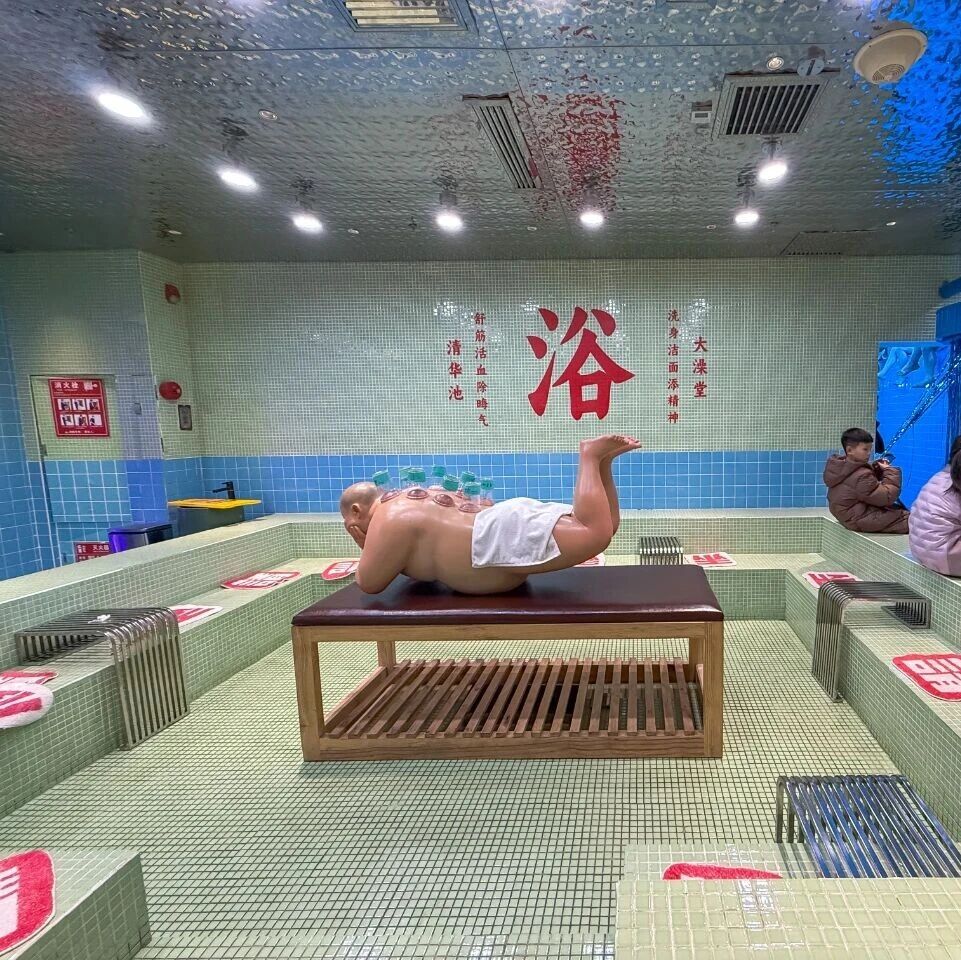
Core Viewpoint - The article discusses the evolution of the bathing industry in Northeast China, highlighting the transition from traditional bathhouses to modern, luxurious bathing centers that offer a variety of services and experiences, reflecting changing consumer preferences and lifestyles [4][10]. Group 1: Traditional Bathing Experience - Traditional bathing centers, known as "浴池," are characterized by low prices (5 to 10 yuan) and a simple setup, primarily serving middle-aged men [6]. - The bathing process involves soaking, steaming, scrubbing, and rinsing, with a communal atmosphere where interactions are common [8]. - The experience includes lounging in a common area with basic amenities, such as watching television, and engaging in social interactions [8][9]. Group 2: Modern Bathing Centers - Newer establishments, like the "圣豪" leisure club, offer a more upscale experience with higher entry fees (around 50 yuan) and a variety of pools and amenities [9][10]. - The modern bathing industry has evolved to include features like seafood buffets and diverse types of pools, catering to a broader audience and enhancing the overall experience [11]. - The rise of high-end bathing centers has led to a decline in traditional bathhouses, as consumers seek more luxurious and varied experiences [10][12]. Group 3: Industry Trends and Future Directions - The bathing industry is adapting to modern demands, with facilities incorporating elements of entertainment, dining, and wellness [26]. - The establishment of the first "沐浴学院" in Shenyang indicates a professionalization of the industry, aiming to train skilled personnel for various roles within the bathing and wellness sector [26]. - The industry is seen as a reflection of urban culture and lifestyle, with a growing demand for innovative and diverse bathing experiences [27].
洗浴中心不完全进化史
3 6 Ke· 2025-11-19 00:19
Core Insights - The traditional bathing centers in Northeast China, known as "bath pools," cater primarily to middle-aged men, offering low-cost entry and a unique bathing experience [1][2][3] - The evolution of the bathing industry has led to the emergence of more luxurious and diverse facilities, transforming the bathing experience into a more upscale and varied leisure activity [5][6][20] - The establishment of specialized training institutions, such as the first bathing academy in Shenyang, indicates a growing professionalization and demand for skilled labor in the bathing industry [20][22] Group 1: Traditional Bathing Experience - Traditional bathing centers are characterized by low prices and a simple setup, attracting a specific demographic [1][2] - The bathing process involves various steps, including soaking, scrubbing, and relaxing, often in a communal setting [2][3] - The atmosphere in these centers is often nostalgic, with older facilities featuring basic amenities and communal television viewing [2][19] Group 2: Industry Evolution - Newer establishments, like the Saint Hao Leisure Club, offer a more luxurious experience with multiple pools and additional services, but face competition from traditional centers [3][5] - The bathing industry has diversified, incorporating elements from dining and entertainment, making it a significant part of local culture and tourism [6][20] - The rise of high-end bathing centers reflects changing consumer preferences and the need for a more sophisticated leisure experience [6][20] Group 3: Professionalization and Future Trends - The establishment of the first bathing academy in Shenyang highlights the industry's shift towards professional training and management [20][22] - There is a high demand for skilled workers in the bathing industry, with numerous enterprises operating in cities like Shenyang [21] - The industry's growth is expected to contribute positively to the local tourism and service sectors, reflecting broader economic trends [21]

美团2026洗浴指南在沈阳发布:全国28城174家特色洗浴中心入选榜单
Xin Hua Wang· 2025-11-17 02:19
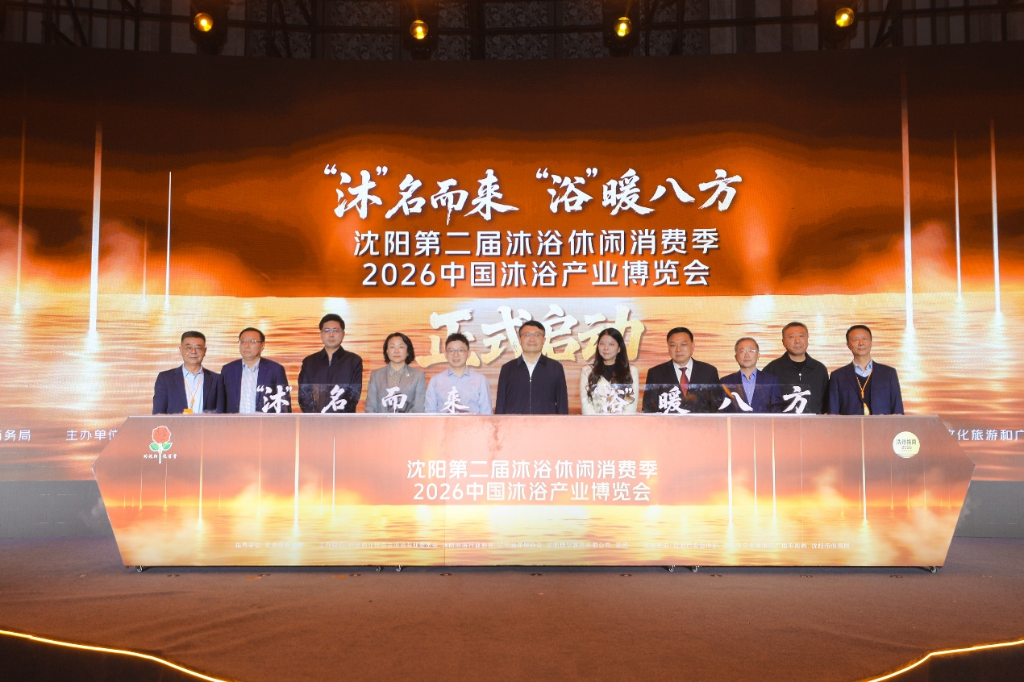
Core Insights - The Chinese bathing industry is experiencing robust growth, with a transaction order volume increase of over 30% year-on-year since 2025, and a 60% year-on-year increase in average transaction value for new bathing businesses from January to September this year [1][2] Industry Trends - The bathing industry is evolving from a regional focus ("North scrubbing, South hot springs") to a comprehensive leisure service model, integrating dining and other recreational activities, thus transforming into a nationwide leisure industry [2] - The search volume for "bathing overnight" increased by 61% in August 2025, and during the National Day holiday, the number of bathing transaction users surged by 127%, with daily transaction value rising over 84% [2] Consumer Behavior - Young consumers are increasingly seeking deep experiences and high cost-performance in bathing centers, which are now equipped with facilities like e-sports areas, karaoke rooms, and escape rooms, leading to a significant rise in order volume [2] - The introduction of family-friendly facilities such as children's playgrounds and inflatable castles is driving bathing centers to become more inclusive for all age groups [2] Company Initiatives - Meituan launched the "Meituan 2026 Bathing Guide" to help consumers find quality bathing establishments and to promote the transformation and upgrading of the industry [1][3] - The guide aims to match consumer needs with personalized services and to foster the integration of urban leisure industries with cultural and tourism development [3]

“洗大澡”成必打卡|哈尔滨8家洗浴上榜美团指南,跨城消费热潮凸显
Sou Hu Cai Jing· 2025-11-15 07:07
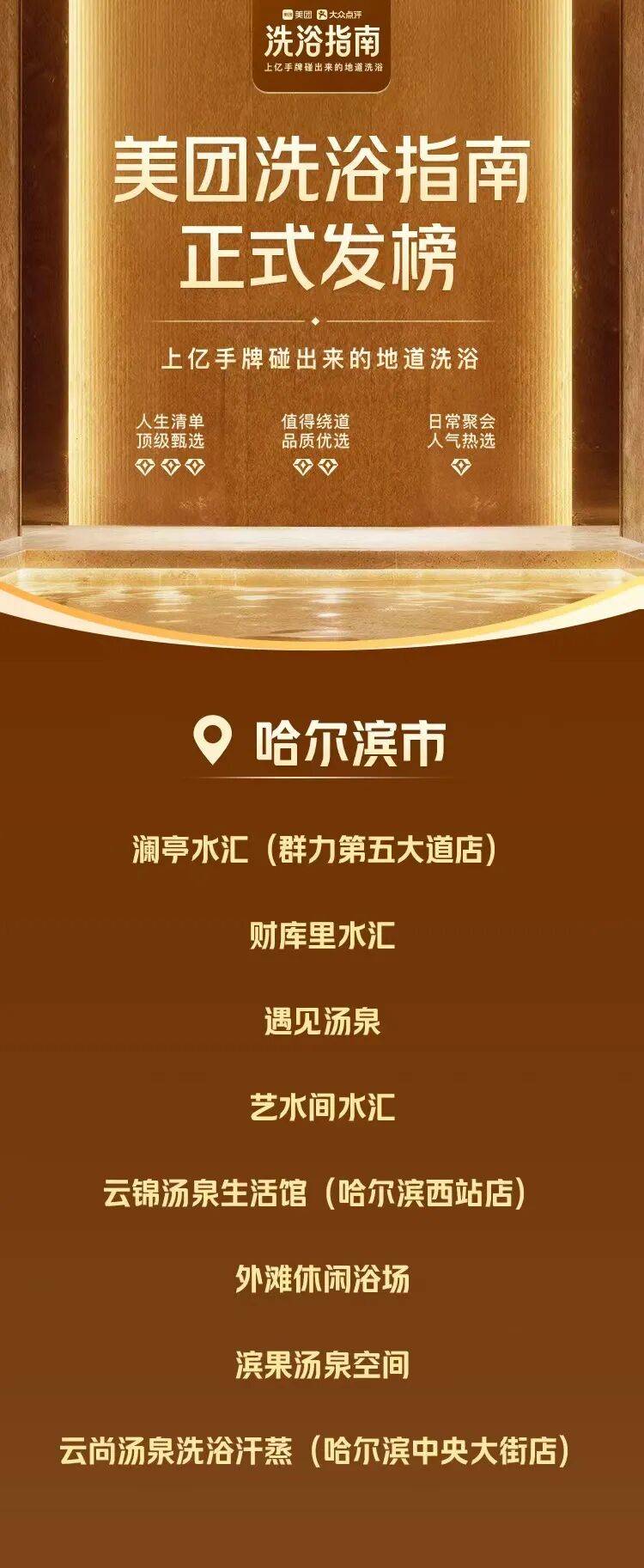
Core Insights - The bathing industry in Harbin is increasingly attracting tourists, with "bathing" becoming a must-do activity for visitors from southern regions [2][6] - Meituan's 2026 bathing guide includes 174 featured bathing centers across 28 cities, with Harbin having 8 listed establishments [2][7] - The bathing centers are evolving from traditional services to comprehensive leisure complexes, comparable to amusement parks and high-end restaurants [6][7] Industry Trends - The "bathing+" model has gained popularity, integrating dining and other leisure activities into the bathing experience [6] - Since 2025, the national bathing service transaction volume has increased by over 30% year-on-year, with cross-regional consumption accounting for more than 30% [6] - During the National Day holiday, the number of users engaging in bathing services in different cities surged, with a 127% increase in transaction users and an 84% rise in daily transaction volume [6] Consumer Behavior - The search volume for "bathing overnight" increased by 61% in August 2025, indicating a growing trend in overnight bathing experiences [6] - The Meituan leisure platform has categorized bathing centers into tiers based on consumer reviews and data, enhancing the selection process for users [6][7] - The guide reflects a shift in consumer preferences, showcasing the transformation of bathing centers into multifunctional leisure venues [7]
美团:2025年全国洗浴服务交易订单量同比增长30% 跨区域消费占比超三成
Zheng Quan Ri Bao· 2025-11-14 12:50
Core Insights - Meituan released the 2026 Bathing Guide in Shenyang, featuring 174 selected bathing centers across 28 cities, with Shenyang, Beijing, and Shanghai leading in the number of listed businesses [2][3] - The guide utilizes consumer evaluation data and AI models to highlight bathing centers offering unique services, aiming to enhance consumer experience during the upcoming peak bathing season [2] - A new grading system categorizes bathing centers into three tiers: one-diamond (118 centers), two-diamond (48 centers), and three-diamond (8 centers) [2] Industry Trends - The bathing industry has evolved from regional specialties to a comprehensive leisure experience, integrating dining and other recreational activities, marking a significant growth year for the sector [2][3] - Since 2025, the transaction volume for bathing services has increased by over 30% year-on-year, with cross-regional consumption accounting for more than 30% of total orders [2] - The average transaction value for new bathing businesses increased by 60% from January to September this year, reflecting a nationwide consumption boom [3] Consumer Behavior - The popularity of "bathing+" experiences is rising, particularly among young consumers, with searches for keywords like "girls' gatherings" and "company team-building" increasing by 230% [4] - Bathing centers equipped with facilities such as e-sports areas and karaoke rooms have seen significant order growth, with users aged 18 to 35 making up 58% of the customer base [4] - The guide aims to help consumers find desired services more accurately, promoting the transformation and upgrading of the bathing industry to meet the evolving demands of young consumers [4]
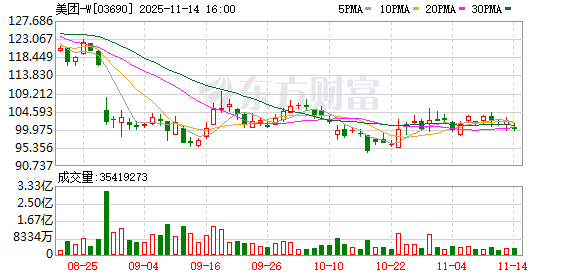
2025年洗浴中心订单量增长30% 美团2026洗浴指南发布
Bei Jing Shang Bao· 2025-11-14 09:49
Core Insights - Meituan released the 2026 Bathing Guide featuring 174 selected bathing centers across 28 cities, with Shenyang, Beijing, and Shanghai leading in the number of listed businesses [1] - The guide introduces a new diamond classification system for bathing centers, categorizing them into one-diamond (118 centers), two-diamond (48 centers), and three-diamond (8 centers) [1] - The national bathing industry trend report indicates a shift towards integrated leisure spaces, with younger consumers increasingly using bathing centers for social gatherings and overnight stays [1] Industry Trends - Since 2025, the national bathing service transaction order volume has increased by over 30% year-on-year, with cross-regional consumption accounting for over 30% of total orders [2] - The search volume for keywords like "girlfriend gatherings" and "company team building" has surged by 230% [2] - Bathing centers equipped with facilities such as esports areas, karaoke rooms, and escape rooms have seen significant order volume growth [2] Consumer Demographics - Users aged 18-35 now represent 58% of the customer base in the bathing industry [2] - There is a steady growth in family users seeking child-friendly experiences, prompting bathing centers to adopt a "family-friendly" transformation [2] - Seasonal and holiday updates to children's play areas and local cuisine offerings have become popular among family users [2]
日媒:东京都启动“继承计划”为公共澡堂找接班人,助力日本传统澡堂文化延续
Huan Qiu Shi Bao· 2025-05-11 21:46
Core Points - The public bath culture in Japan, particularly in Tokyo, is facing significant decline due to various factors, leading to a drastic reduction in the number of public baths from 2,700 in the 1970s to just over 400 currently [1][2] - The Tokyo Metropolitan Government is launching a "Public Bath Inheritance Plan" to support the survival of these traditional baths by finding suitable buyers for those at risk of closing and providing comprehensive support during their initial operations [1] - Emotional ties to family-run businesses create resistance among current operators to accept non-family successors, complicating the transition to the next generation [1] Government Support Initiatives - The Tokyo Metropolitan Government has allocated 880 million yen (approximately 43.81 million RMB) in its budget for this fiscal year to establish four support projects related to public baths [2] - The initiatives include increasing subsidies for seismic repairs and clean energy renovations, promoting facility upgrades, and conducting promotional activities to highlight the cultural significance of Tokyo's public baths [2] - To attract visitors, the government will issue discounted bathing coupons and support baths that offer multilingual services, while also providing financial assistance to encourage young people to take over bath operations [2]