洗浴行业

Search documents
老外涌进中国洗浴中心
吴晓波频道· 2026-03-25 00:30
Core Viewpoint - The article highlights the growing interest of foreign tourists in Chinese cultural experiences, particularly in traditional bathing culture, which is becoming a significant aspect of China's tourism appeal and service consumption potential [3][6][12]. Group 1: Cultural Experience and Tourism Growth - Foreign tourists are increasingly seeking deeper cultural experiences in China, moving beyond traditional sightseeing to engage in local customs and practices, such as visiting bathhouses [6][8]. - The Shanghai Municipal Bureau of Culture and Tourism projects that by 2025, Shanghai will receive approximately 9.36 million inbound tourists, marking a 39.58% year-on-year increase, with bathhouses becoming popular destinations [5][12]. - The trend of foreign tourists visiting bathhouses reflects a shift in perception of China, where experiences like traditional bathing are now seen as integral to understanding Chinese culture [6][14]. Group 2: Bathhouse Experience and Appeal - The unique features of Chinese bathhouses, including their affordability and comprehensive services, attract foreign visitors who find them to be a blend of relaxation, social interaction, and cultural immersion [9][11]. - Many foreign tourists describe their experiences in Chinese bathhouses as unparalleled, often highlighting the social atmosphere and the cultural significance of communal bathing [8][9]. - The cost-effectiveness of these experiences, such as spending around 200 RMB for a full day at a bathhouse, is seen as a significant advantage compared to similar offerings in other countries [11][12]. Group 3: Economic Impact and Future Potential - The influx of foreign tourists is contributing significantly to the growth of China's bathing industry, with reports indicating a peak in transaction volume and a year-on-year growth rate exceeding 20% [11][12]. - The article emphasizes the potential for China's inbound tourism revenue to grow significantly, suggesting that if it reaches levels comparable to other countries, it could add between 1 trillion to 2 trillion RMB to the market [18]. - The government is actively promoting the "Buy in China" initiative, aiming to transform the current tourism boom into sustainable service consumption growth, thereby enhancing the overall economic development [28][29].


“精致搓澡堂”悄然走俏
Xin Lang Cai Jing· 2026-02-25 19:59
Core Insights - The bathing industry has shown consistent growth over the past four years, with a projected peak in 2025 and a year-on-year growth rate exceeding 20% [1] - The industry is experiencing a shift towards specialization and diversification, with new business models integrating various services beyond traditional bathing [1] Industry Trends - The emergence of "refined bathing" establishments is gaining popularity, particularly among younger consumers who prefer private spaces for their bathing experience [2] - These establishments offer individual and couple rooms, enhancing privacy and comfort compared to traditional shared bathing areas [2] - The pricing for basic packages in these specialized bathing facilities is competitive, often around 100 to 160 yuan, which includes multiple services such as face washing and head therapy [3] Service Evolution - The bathing industry is transitioning from basic hygiene services to a more holistic approach that includes emotional healing and relaxation [4] - There is a growing trend of integrating various experiences, such as dining and entertainment, into the bathing service offerings, creating a comprehensive leisure environment [3][4]
春节酒店“渡劫”:有的一晚涨两千,有的亏得快破产!
3 6 Ke· 2026-02-24 05:54
Core Insights - The hotel industry is experiencing a significant shift in consumer behavior, with a notable increase in demand for multi-bedroom accommodations during the Spring Festival, indicating a preference for family-oriented travel experiences [1][2] - Hotels are employing innovative marketing strategies to attract guests, focusing on unique experiences rather than price reductions, which has led to a stark contrast in occupancy rates among different establishments [4][5] Group 1: Consumer Trends - The demand for multi-bedroom accommodations has surged, with bookings for 4-bedroom and 3-bedroom units increasing by 84% and 72% respectively during the Spring Festival [1] - There is a growing trend of families traveling together, with consumers unwilling to compromise on comfort, as evidenced by the popularity of hotels that offer unique experiences and activities for families [2][7] - The "reverse Spring Festival" phenomenon has led to a significant increase in hotel bookings from travelers aged 60 and above, prompting hotels to create tailored packages for this demographic [3][8] Group 2: Hotel Marketing Strategies - Hotels are increasingly focusing on creating memorable experiences rather than competing solely on price, with successful examples including themed spa treatments and unique local partnerships [2][10] - Innovative marketing tactics, such as offering local products as gifts and organizing engaging activities for children, have proven effective in attracting guests and enhancing their stay [3][11] - The rise of experiential offerings, such as wellness packages and social dining experiences, reflects a shift in consumer expectations towards more engaging and personalized hotel stays [4][12] Group 3: Competitive Landscape - The hotel market is becoming polarized, with some establishments fully booked while others struggle to attract guests, highlighting the importance of understanding consumer preferences and adapting to changing demands [5][6] - The success of bathhouses and wellness centers, which offer comprehensive services beyond just accommodation, indicates a shift in consumer preferences towards more integrated and value-driven experiences [6][9] - Hotels that fail to innovate and adapt to the evolving market dynamics risk being left behind, as consumers increasingly seek unique and memorable experiences over traditional offerings [9][13]
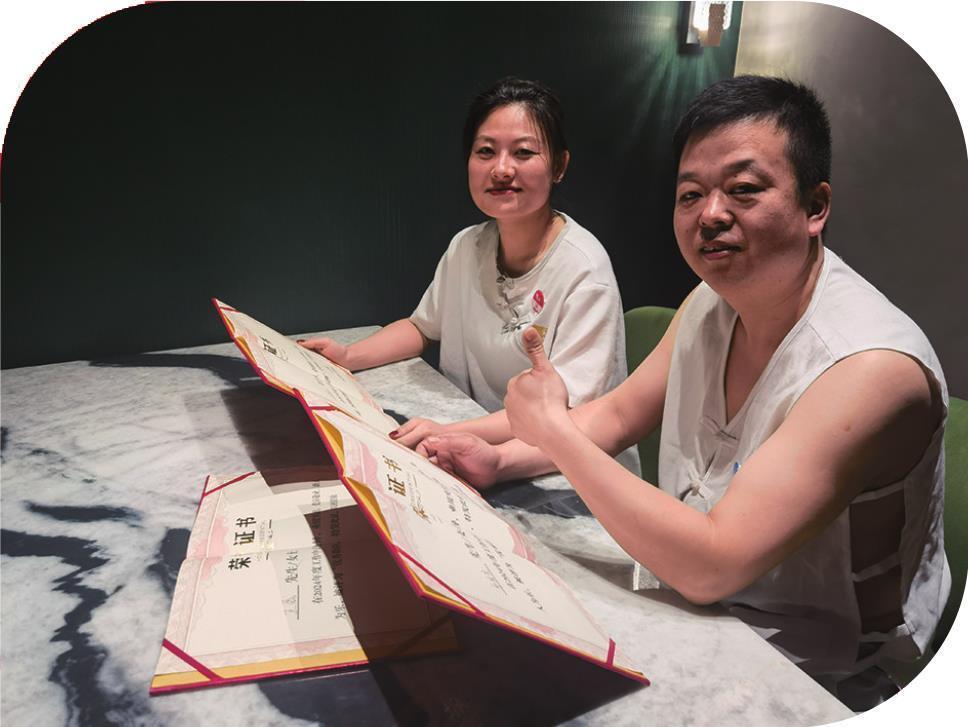
三年守岗 助浴师夫妻“搓”出沈阳安家梦
Xin Lang Cai Jing· 2026-02-23 23:45
Core Viewpoint - The article highlights the experiences of a couple, Guo Baoliang and Wang Lei, who have become skilled bath attendants in a bathing center in Shenyang, showcasing the growing popularity of bathing culture during the Spring Festival and their personal sacrifices for family and career [3][7][9]. Group 1: Industry Insights - The bathing industry in Shenyang has seen a significant increase in visitor numbers during the Spring Festival, with over 60% of guests being from outside the region, indicating a trend where "washing big baths" has become a popular leisure activity [4][5]. - The bathing center experiences peak hours with long queues, demonstrating high demand, as evidenced by the electronic call number exceeding 68 before noon [4][5]. - The couple's work as bath attendants is characterized by long hours, often exceeding ten hours a day, reflecting the demanding nature of the service industry during peak seasons [5][8]. Group 2: Personal Experiences - Guo Baoliang and Wang Lei have not returned home for three years during the Spring Festival, highlighting their commitment to their work and the emotional toll of being away from family [3][8]. - The couple's income as bath attendants can exceed 10,000 yuan per month, especially during peak seasons, allowing them to save for a new home in Shenyang [9]. - Their ultimate goal is to bring their children and elderly family members to live with them in Shenyang, indicating their desire for family unity and stability in their new environment [9].
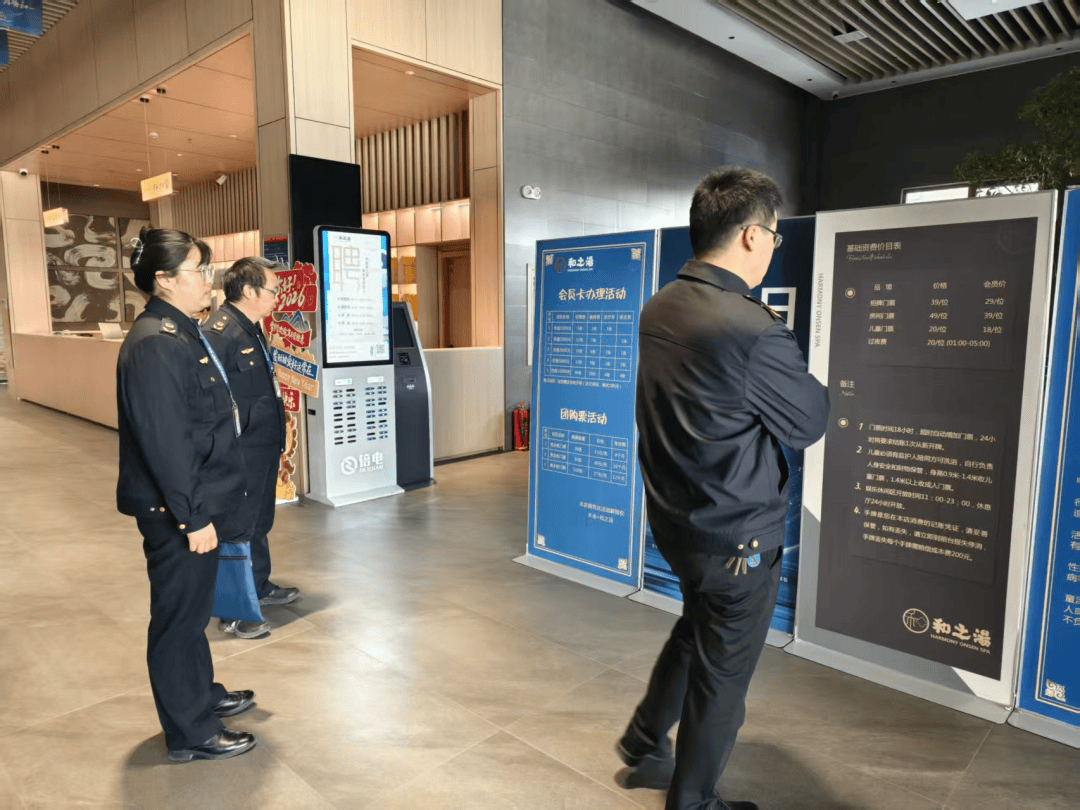
龙安执法大队开展节前洗浴行业价格专项监管保障群众安心消费
Sou Hu Cai Jing· 2026-02-05 16:09
Core Viewpoint - The upcoming Spring Festival has led to a peak in bathing service consumption, prompting regulatory actions to ensure fair pricing and protect consumer rights [1] Group 1: Regulatory Actions - The Dragon'an team has organized a special price inspection in the bathing industry to create a transparent and fair consumption environment during the holiday [1] - The inspection focuses on large and medium-sized bathing establishments, checking for clear pricing displays, additional charges, misleading promotions, and unauthorized price increases [3] Group 2: Inspection Results - The inspection involved 15 law enforcement personnel and checked 5 establishments, all of which displayed clear pricing and did not engage in price fraud [4] - The overall price order in the bathing industry before the Spring Festival is deemed to be compliant, indicating that most operators adhere to laws and regulations [4] Group 3: Consumer Guidance - During the inspection, law enforcement also promoted awareness of pricing laws and encouraged businesses to comply with regulations, strengthen internal pricing management, and maintain a good market environment [5] - Consumers are advised to carefully check price lists, confirm service items and charges, and retain relevant receipts to protect their rights [6]
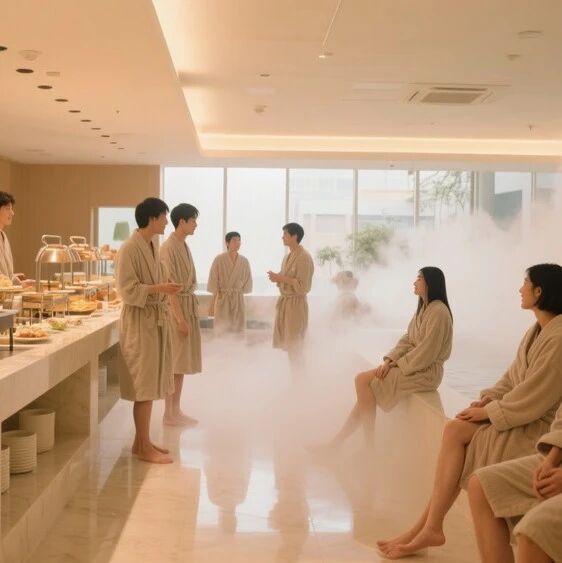
一年花费上万,年轻人迷上“澡堂子”
虎嗅APP· 2026-01-26 10:26
Core Viewpoint - The article highlights the booming popularity of bathing centers in Northeast China, particularly among younger consumers, transforming traditional bathing into a comprehensive leisure experience that includes various entertainment and dining options [5][10][27]. Group 1: Market Trends - The search volume for bathing-related keywords surged over several times during the 2026 New Year holiday, with nearly 30% of searches coming from the "post-00s" demographic [5]. - In cross-city travel spending, Shenyang's bathing centers ranked first in transaction scale and user numbers nationwide [5]. - The bathing center experience has evolved into a family-oriented activity, integrating services like sauna, dining, and entertainment [5][10]. Group 2: Consumer Behavior - Consumers, particularly young people, are increasingly spending significant amounts on bathing center visits, with individuals like Tai Li spending over 70,000 yuan annually [7][9]. - The average ticket price for bathing centers ranges from 200 yuan for basic access to over 1,000 yuan for high-end experiences, with many opting for all-day access packages [10][17]. - The appeal of bathing centers lies in their ability to provide a relaxing escape from daily pressures, with many consumers valuing the emotional benefits over the cost [9][27]. Group 3: Competitive Landscape - Bathing centers are adapting to attract younger consumers by enhancing their offerings, including trendy dining options and modern decor [13][22]. - The shift from traditional entertainment venues like KTV to bathing centers reflects changing consumer preferences, with KTV establishments seeing a significant decline in numbers [26][27]. - The business model of bathing centers often relies on low entry prices to attract customers, with high-margin secondary services driving profitability [17][19]. Group 4: Industry Evolution - Many former retail spaces and hotels are being repurposed into bathing centers, indicating a trend of transformation in urban leisure spaces [21][22]. - The rise of bathing centers is replacing traditional entertainment options, as they offer a more comprehensive and appealing experience for consumers [23][27].
一年花费上万,年轻人迷上“澡堂子”
3 6 Ke· 2026-01-26 01:08
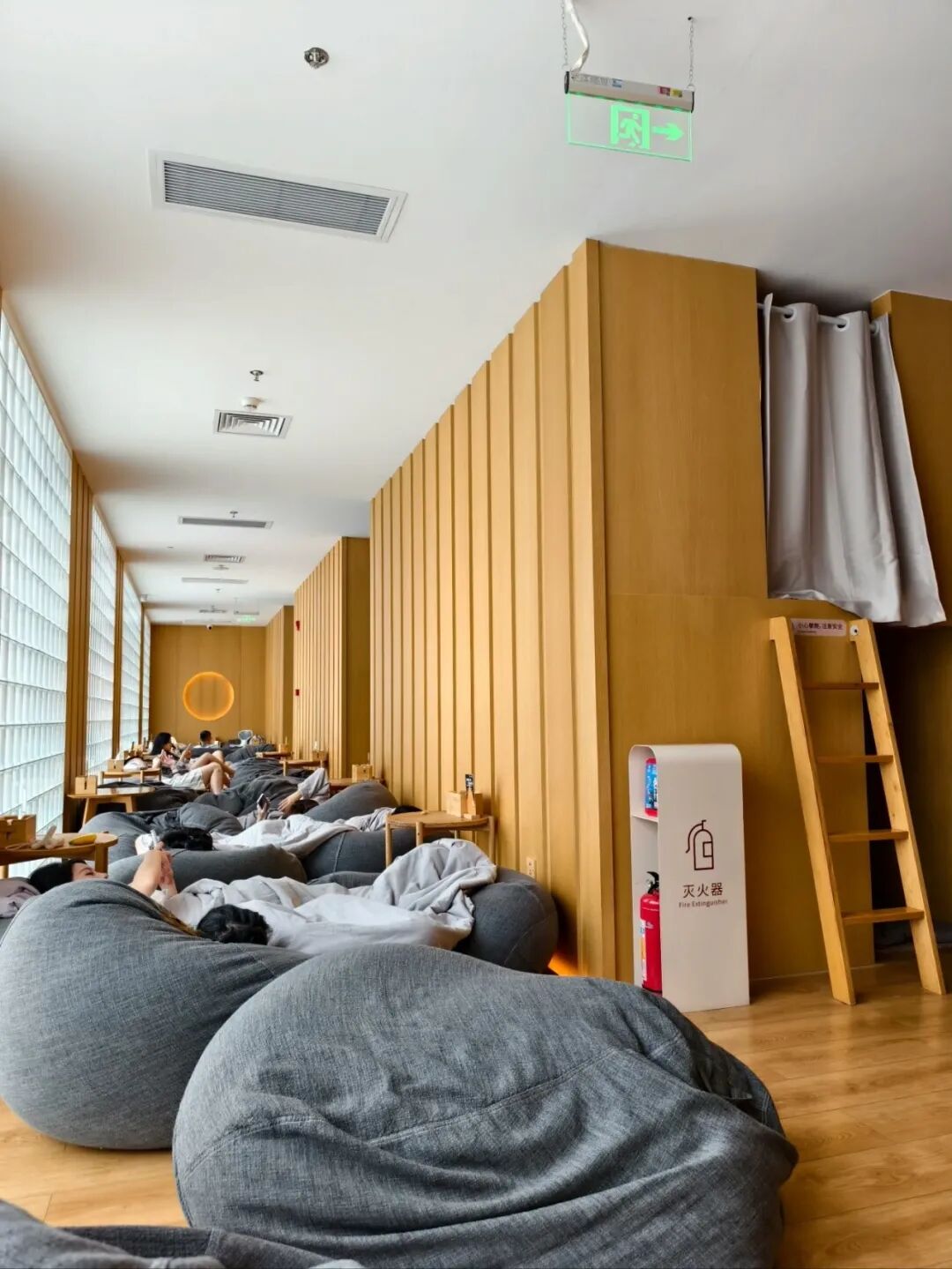
Core Insights - The bathing industry in Northeast China is experiencing a surge in popularity, particularly among younger consumers, with significant increases in search volumes for related services during holiday periods [1][2] - Bathing centers are evolving into comprehensive leisure complexes, offering a variety of services beyond traditional bathing, such as KTV, children's play areas, and buffet dining [1][5] - The business model of bathing centers relies heavily on secondary consumption, with many customers spending significantly more on additional services than on entry fees [11][13] Industry Trends - The bathing industry is becoming a preferred leisure activity for young people, with many viewing it as a way to escape daily pressures [2][5] - The average spending at bathing centers can reach thousands of yuan per visit, with some consumers reporting expenditures of over 20,000 yuan annually [5][6] - Bathing centers are increasingly competing with traditional entertainment venues like KTVs and cinemas, which are seeing a decline in popularity [15][17] Market Dynamics - The demand for bathing services peaks during holidays, leading to overcrowding and long wait times at popular locations [6][14] - Many bathing centers are undergoing renovations to attract younger clientele, incorporating modern design elements and diverse service offerings [7][14] - The transformation of former retail spaces into bathing centers indicates a shift in consumer preferences and the potential for growth in this sector [14] Consumer Behavior - Consumers are drawn to the all-in-one experience offered by bathing centers, which allows for relaxation and socialization without the need to travel between different venues [17] - The pricing structure of bathing centers includes a range of entry fees, with many opting for all-day access packages that encourage additional spending on services [6][13] - The demographic of bathing center patrons is diversifying, with an increase in foreign visitors who are willing to spend more on services [13]
变身综合休闲场所 洗浴中心圈粉年轻人
Xin Lang Cai Jing· 2026-01-24 03:07
Core Insights - The Chinese bathing industry has experienced significant growth, reaching a peak transaction scale of nearly 110 billion yuan last year, with a year-on-year growth rate exceeding 20% [1][2] - The transformation of bathing centers from traditional venues to comprehensive leisure spaces has attracted a younger demographic, making them popular for social gatherings and relaxation [2][3] Industry Growth - The bathing industry's transaction scale has increased annually over the past four years, with last year's performance marking a notable resurgence in a sector previously viewed as traditional and marginal [1] - Predictions indicate that 2025 will see the highest revenue scale in nearly six years, reflecting ongoing positive trends in the industry [1] Consumer Behavior - Bathing centers have evolved to include diverse facilities such as tea rooms, cafes, wellness areas, restaurants, and family entertainment zones, resembling shopping malls [2] - The average cost of 100 yuan for 12 hours of access, including amenities like fruit drinks and entertainment options, makes these centers appealing to budget-conscious young consumers [2] - The primary consumer demographic is aged 24 to 30, accounting for 37% of users, with the fastest-growing segment being the 18 to 23-year-olds [2] Market Dynamics - The shift in consumer perception has allowed the bathing industry to shed its "middle-aged exclusive" image, successfully attracting and retaining younger customers [3]
中国“澡都”,到底在哪里?
3 6 Ke· 2025-12-29 02:50
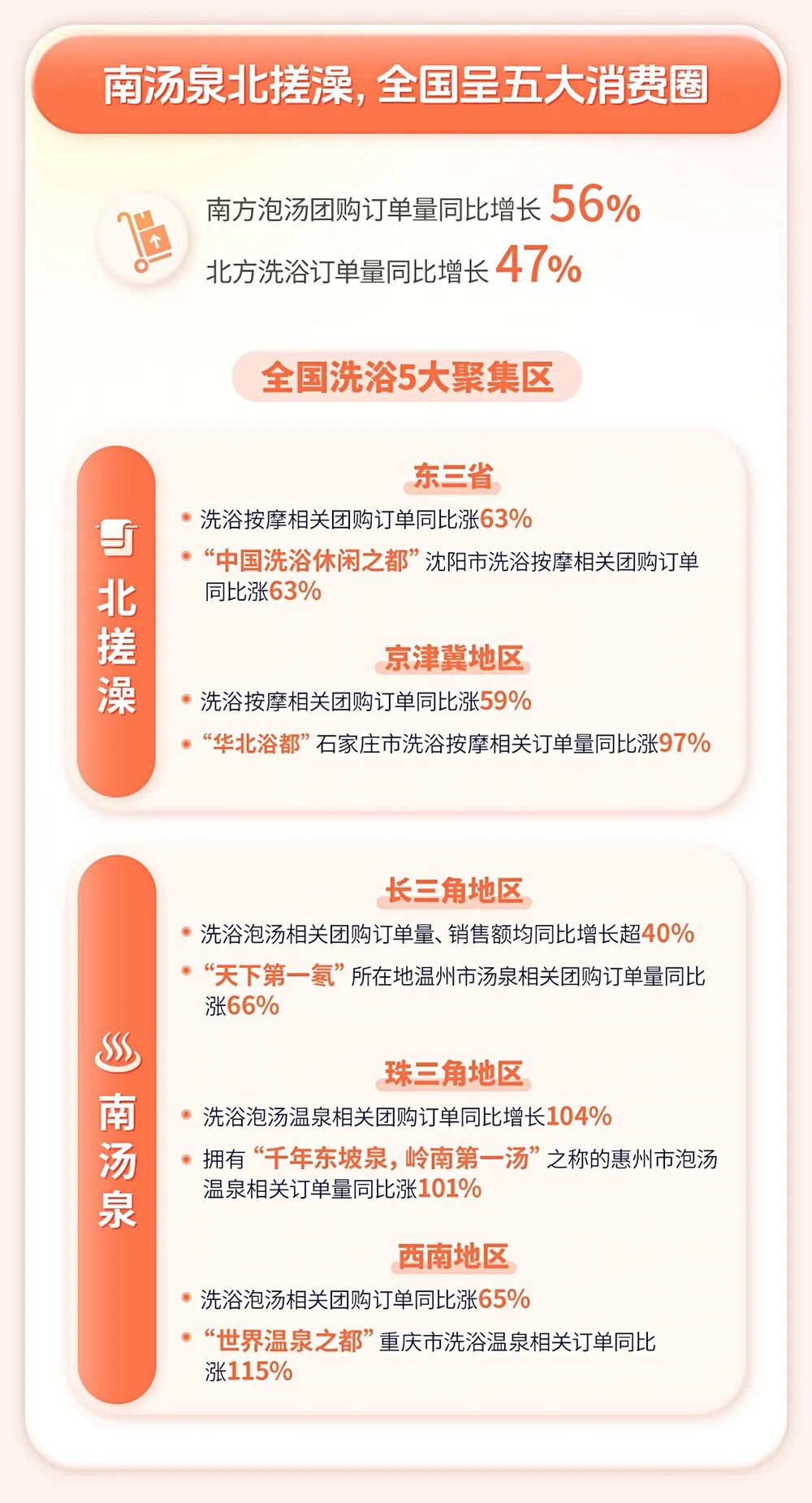
Core Insights - The bathing culture in China is experiencing a nationwide surge in popularity, moving beyond its traditional roots in Northeast China to become a common leisure activity across the country [2][5][6] - The demographic of bathhouse patrons is shifting, with a significant increase in younger consumers, particularly those born in the 1990s and 2000s, who are redefining the industry [9][11] Group 1: Industry Trends - The bathing industry is witnessing a remarkable growth in consumer interest, with Douyin's report indicating a 38% increase in group purchase orders and a 50% rise in sales [2][5] - The top five cities for bathing consumption, based on group purchase order volume, are Zhengzhou, Xi'an, Beijing, Shanghai, and Hangzhou, indicating a shift in consumer preferences beyond the Northeast [5][6] - Northern and Southern regions exhibit distinct consumption patterns, with Northern consumers favoring scrubbing baths and Southern consumers preferring hot springs [6][7] Group 2: Demographic Shifts - The primary consumer base for bathing services is now dominated by individuals aged 31 to 40, accounting for 37% of total orders, while those aged 24 to 30 make up 29% [9] - The fastest-growing demographic in terms of order volume is the 18 to 23 age group, with a growth rate of 55%, indicating a significant influx of younger consumers into the bathing market [9][11] - Young consumers are not only increasing the number of patrons but are also introducing new demands and experiences, transforming the traditional bathing industry into a multifaceted leisure space [11][13] Group 3: Service Evolution - Bathing centers are evolving to offer a variety of services that cater to diverse consumer needs, including dining options, social spaces, and wellness treatments [10][11] - The concept of "bathing + X" is gaining traction, with services expanding to include activities like e-sports, family-friendly options, and seasonal packages [13] - The traditional notion of bathing as merely a cleansing activity is being replaced by a more holistic approach that emphasizes relaxation, social interaction, and wellness [11][14]
中国“澡都”,到底在哪里?
虎嗅APP· 2025-12-27 10:30
Core Viewpoint - The article discusses the rising popularity of bathing culture across China, highlighting a shift from a regional preference in the Northeast to a nationwide trend, with significant growth in both participation and spending in the bathing industry [4][6][7]. Group 1: National Bathing Trend - There is a noticeable increase in the enthusiasm for bathing across various regions in China, with a marked rise in customer traffic at bathing centers compared to previous years [6]. - According to Douyin's recent report, the number of group purchase orders related to bathing has increased by over 38% year-on-year, with sales revenue rising by 50% [7]. - The bathing industry is expanding beyond its traditional Northeast stronghold, becoming a common leisure activity for people across the country [7][11]. Group 2: Regional Differences - The top five cities with the highest willingness to spend on bathing are Zhengzhou, Xi'an, Beijing, Shanghai, and Hangzhou, indicating a balanced interest from both northern and southern regions [11]. - Northern consumers prefer "scrubbing" as a bathing method, with group purchase orders for scrubbing in Northeast China increasing by 63%, while the southern regions favor "soaking" in hot springs, with Chongqing seeing a staggering 115% growth in related orders [11][12]. Group 3: Changing Demographics - The demographic of bathing consumers is shifting, with a significant increase in younger customers, particularly those aged 18-23, whose order volume has surged by 55% [17]. - The primary consumer groups now include individuals aged 31-40 (37% of total orders) and 24-30 (29% of total orders), indicating that the post-90s generation is becoming a dominant force in the bathing market [17][18]. Group 4: Evolving Consumer Preferences - Younger consumers are reshaping the bathing industry by introducing new demands and experiences, transforming bathing from a mere relaxation activity into a social and multi-functional experience [18]. - Bathing centers are evolving to offer a variety of services, including dining, socializing, and even business meetings, catering to a broader range of customer needs [18][19]. Group 5: Seasonal Consumption Patterns - The winter season has become a peak time for bathing, with many consumers incorporating it into their regular winter routines as a way to combat the cold [21][22]. - Douyin's initiatives have streamlined the process of finding and booking bathing services, enhancing consumer experience and driving increased participation in the bathing economy [22].