
海洋捕捞

Search documents
海事部门护航东海开渔安全
Xin Hua She· 2025-09-17 12:25
Group 1 - The fishing moratorium in the East China Sea has ended on September 16, marking the beginning of the fishing season after a 4.5-month hiatus [1] - Over 4,000 fishing vessels, including single and double trawlers and net fishing boats, have set out to conduct fishing operations in the East China Sea [1] - Maritime departments from Zhejiang, Shanghai, Fujian, and Jiangsu are actively implementing the "2025 Navigation Support Fishing Action" to ensure safe fishing operations in the East China Sea [1]
千舟竞发争 “鲜”!东海全面开渔 壮观场面喜迎丰收季
Yang Shi Wang· 2025-09-16 12:04
Core Viewpoint - The fishing ban in China's Yellow Sea and East China Sea has ended, allowing for a full resumption of fishing activities across four major sea areas, including Bohai Sea, Yellow Sea, East China Sea, and South China Sea, with significant participation from local fishermen [1][3][5] Group 1: Fishing Activities Resumption - The fishing ban lasted for four and a half months and officially ended at noon on September 16, with a grand ceremony held by fishermen in Zhejiang to celebrate the occasion [1] - Over 1,000 fishing boats set sail from Shipu Fishing Port in Ningbo, Zhejiang, heading towards the East China Sea to commence fishing operations [3] - Approximately 3,500 fishing boats from coastal counties in Zhejiang are expected to participate in the fishing activities, with a wider variety of seafood now allowed for capture [5] Group 2: Regional Highlights - In Jiangsu, hundreds of fishing boats departed from the national central fishing port in Huangsha, signaling the start of a new fishing season in the Yellow Sea [5] - The first batch of catches is anticipated to be available for consumers within a few days, with the region known for producing over 60 types of seafood, including yellow croaker and mackerel [5]

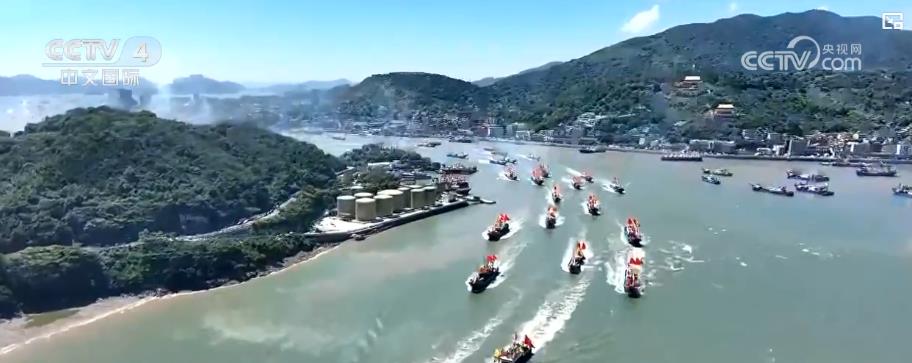
东海全面开渔 超4000艘渔船集中出海作业
Zhong Guo Xin Wen Wang· 2025-09-16 09:15
Core Points - The fishing ban in the East China Sea has ended, allowing over 4,000 fishing vessels to resume operations on September 16, marking the end of a four-and-a-half-month closed fishing season [1][2] - The closed fishing period lasted from May 1 at 12 PM to September 16 at 12 PM, aimed at promoting sustainable marine fisheries [1] - Following the ban, the types of fish targeted include ribbonfish, small yellow croaker, and squid, with a significant increase in fishing vessel density and operational methods [2] Industry Summary - The East China Sea's fishing ban was partially lifted on August 5, allowing certain types of fishing vessels to operate before the full reopening [2] - The increase in fishing activities raises the risk of collisions between commercial and fishing vessels, prompting maritime safety measures [2] - Maritime and navigation safety departments have deployed 81 patrol boats, 38 aircraft, and over 700 personnel to ensure safe fishing operations in key areas [2]
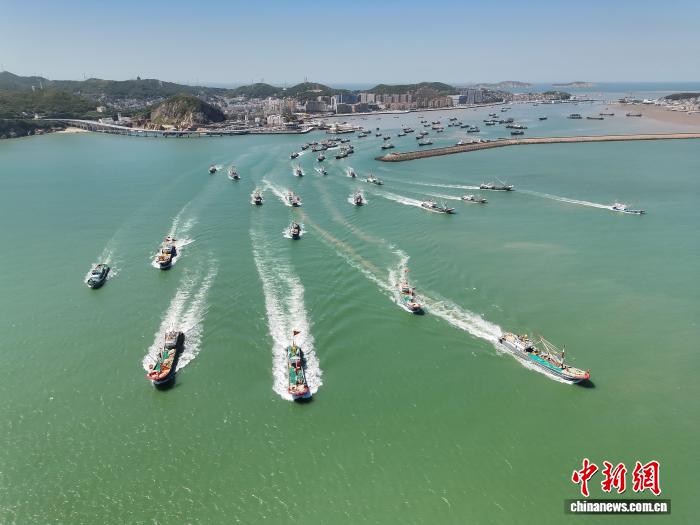
东海全面开渔 5000余艘船舶集中出海捕捞
Zhong Guo Xin Wen Wang· 2025-09-16 08:25
Core Points - The East China Sea has officially resumed fishing activities after a four-and-a-half-month closed season, with over 5,000 fishing vessels setting out for operations [1][3] - The resumption of fishing is expected to increase the density of fishing operations and diversify the methods used for catching fish, primarily targeting bottom-dwelling species such as hairtail, small yellow croaker, and squid [3] Group 1 - The East China Sea's fishing season has reopened, with various types of fishing vessels, including single and double trawlers, actively participating [1][3] - To mitigate the increased risk of collisions between commercial and fishing vessels, maritime authorities from Shanghai, Zhejiang, Fujian, and Jiangsu have deployed 81 patrol boats, 38 aircraft, and over 700 personnel for monitoring and enforcement [3] - The authorities are implementing a comprehensive traffic management strategy, including the establishment of a VTS "Protect Fishing" platform to monitor vessel movements and issue navigation warnings [3]
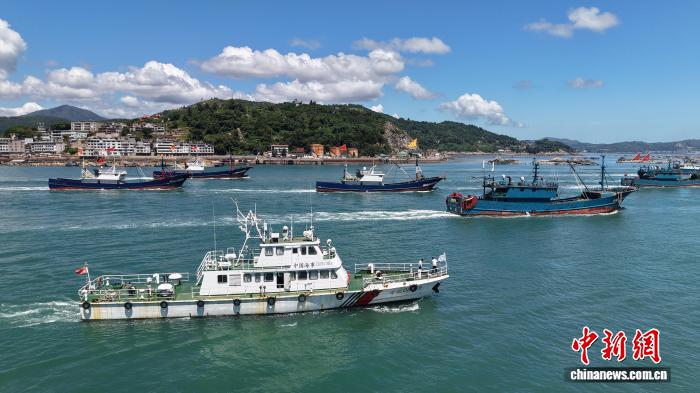
东海全面开渔 浙江海事、渔政等部门联合护航保开渔安全
Zhong Guo Xin Wen Wang· 2025-09-16 06:37
Core Points - The fishing ban in the East China Sea has ended, allowing nearly 4,000 fishing vessels to resume operations [1][2] - The Zhejiang Maritime Bureau has implemented measures to ensure maritime safety and prevent collisions between commercial and fishing vessels during the busy fishing season [1] Group 1: Fishing Operations - The fishing season has officially reopened after a 4.5-month ban, with various types of fishing vessels, including single and double trawlers, setting out to sea [1] - The main fish species targeted post-ban include hairtail, small yellow croaker, and squid, with an increase in fishing vessel density and diversity of fishing methods [2] Group 2: Safety Measures - To mitigate collision risks, the Zhejiang Maritime and Fisheries departments have deployed 98 patrol boats, 36 aircraft, and over 900 personnel for monitoring and enforcement [1] - Continuous 24-hour patrols are being conducted in high-risk areas, and a VTS "Fish Protection" station has been established to monitor vessel movements and issue navigation warnings [1]
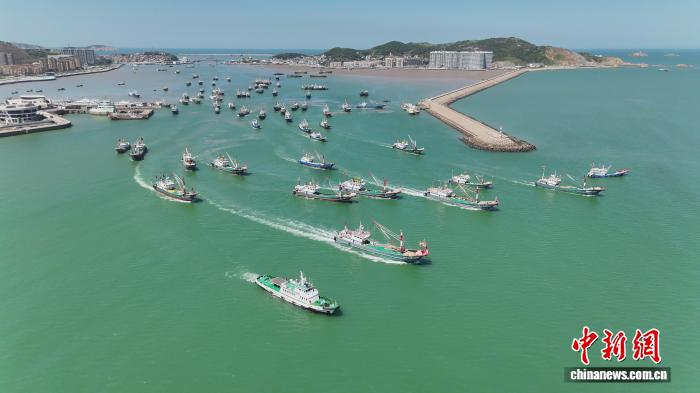
价格大降,很多人爱吃!消费者:期待已久了
Sou Hu Cai Jing· 2025-09-04 09:51
Group 1 - The fishing season in the Bohai and Yellow Seas, under China's jurisdiction, resumed on September 1 after a four-month moratorium, with over 30,000 fishing boats setting out from major ports in Liaoning, Hebei, and Shandong provinces [1] - Fishermen reported a successful first catch, with one stating they caught six to seven boxes of crabs and shrimp, indicating a positive start to the season [3] - The seafood market became lively as boats returned, with consumers eager to purchase fresh seafood, and the price of crabs was reported to be around 10 yuan per pound, which is significantly cheaper than in previous years [5][7] Group 2 - The long-standing seasonal fishing moratorium has shown significant benefits for marine resource protection, leading to an increase in the quantity of various seafood available after the fishing season resumed [9]
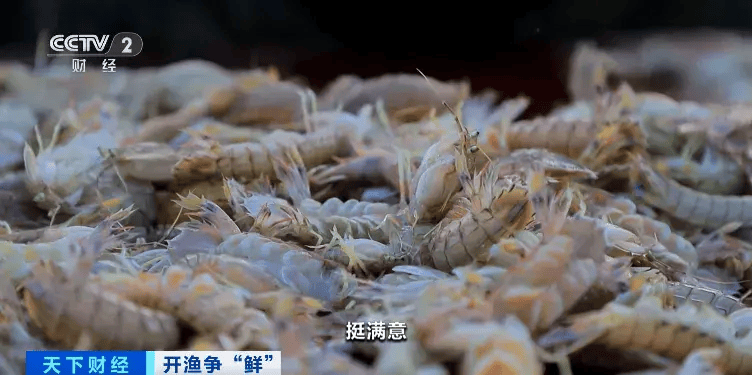
经济聚焦|广东阳江开渔季的变与不变
Ren Min Ri Bao· 2025-08-20 06:48
Group 1: Fishing Industry Development - The fishing season in Yangjiang, Guangdong, marks a significant cultural and economic event, with over 3,400 registered fishing vessels, including approximately 850 steel fishing boats, contributing to over 300,000 tons of marine catch, accounting for more than 25% of Guangdong's total [2][3] - Technological advancements in fishing, such as the use of satellite navigation and sonar fish finders, have significantly improved efficiency, with individual fishermen like Zhang Run reporting annual earnings exceeding 2 million yuan [2] - The local government provides substantial support, including a marine fishery resource conservation subsidy of 150,000 yuan per year, enhancing the financial stability of fishermen [2] Group 2: Marine Aquaculture Growth - Yangjiang has established two national-level marine ranch demonstration zones, with a seawater aquaculture area of 24,300 hectares and an output of 820,000 tons [3] - The introduction of deep-sea farming has stabilized seafood supply during fishing moratoriums, allowing for consistent availability of fresh ingredients for local cuisine [5] Group 3: Tourism and Cultural Events - The fishing season has evolved into a cultural and tourism festival, attracting significant visitor numbers, with 547,000 tourists recorded during the three-day event, a 262% increase year-on-year, generating tourism revenue of 560 million yuan, up 273% [7] - Various activities, including traditional fishing feasts and cultural performances, enhance the tourist experience and promote local heritage [4][6] Group 4: Branding and Market Expansion - The launch of the "Yangjiang Seafood" regional public brand aims to enhance the value of local seafood products, leveraging the region's natural advantages and effective marine ecological protection [9][10] - Yangjiang's seafood industry is transitioning from a traditional sales model to a brand premium approach, with local enterprises engaging in deep processing product collaborations with domestic and international buyers [10]
渔船最快今晚归来 开渔后海鲜更便宜
Jing Ji Guan Cha Bao· 2025-08-17 04:05
Core Points - The summer fishing moratorium in China's coastal waters began in May to protect fish resources during their breeding season, ending on August 16 [1][8] - The reopening of fishing has led to a significant increase in fishing activity, with over 3,400 fishing vessels from Guangdong setting out to sea, marking the highest number in recent years [2][3] - The fishing moratorium has resulted in a notable recovery of economically valuable fish species, with the proportion of such species caught by single trawlers increasing from 51% to 76% [8] Industry Summary - The fishing industry in Guangdong is characterized by a unique feature where nearly 1,000 Hong Kong and Macau fishing vessels operate from various registered ports during the fishing season, enhancing convenience and proximity to fishing grounds [3] - Following the resumption of fishing, seafood prices are expected to drop by 10% to 30% due to increased supply, with specific examples such as the price of golden threadfin fish decreasing from approximately 40 yuan per pound to around 30 yuan per pound [3] - The fishing moratorium is aligned with ecological protection efforts, allowing fish populations to recover and ensuring sustainable fishing practices, which is crucial for maintaining marine ecological balance [8]
开海啦!
Guang Xi Ri Bao· 2025-08-17 01:28
Core Viewpoint - The end of the fishing moratorium in the South China Sea on August 16 marks a significant event for the fishing industry in Guangxi, with large-scale fishing activities resuming across multiple cities, including Beihai, Fangchenggang, and Qinzhou [1][3][5]. Group 1: Beihai City Activities - Beihai City hosted the Qiaogang Opening Sea Carnival from August 16 to 18, featuring various activities aimed at promoting local marine culture and tourism [3][4]. - The opening ceremony attracted over 3.7 million online viewers, showcasing the event's popularity and the cultural significance of the fishing tradition [4]. - The local government emphasizes the integration of cultural elements into the fishing industry to enhance economic benefits and promote marine culture [3][4]. Group 2: Fangchenggang City Events - Fangchenggang City launched the 2025 North Bay Opening Sea Festival, combining marine culture, local customs, and modern tourism [5][6]. - The festival included a food market and various cultural performances, enhancing the local tourism experience and promoting economic growth [5][6]. - The event is part of a broader initiative to boost nighttime tourism and cultural consumption in the region [6]. Group 3: Qinzhou City Activities - Qinzhou City held the Longmen Port Opening Fishing Ceremony, featuring traditional performances and rituals to celebrate the resumption of fishing activities [7][8]. - The event highlighted the rich marine resources and fishing history of Qinzhou, with expectations of a fruitful catch following the moratorium [7][8]. - The integration of fishing and tourism is seen as a new opportunity for economic development in the region, particularly with ongoing infrastructure improvements [8].
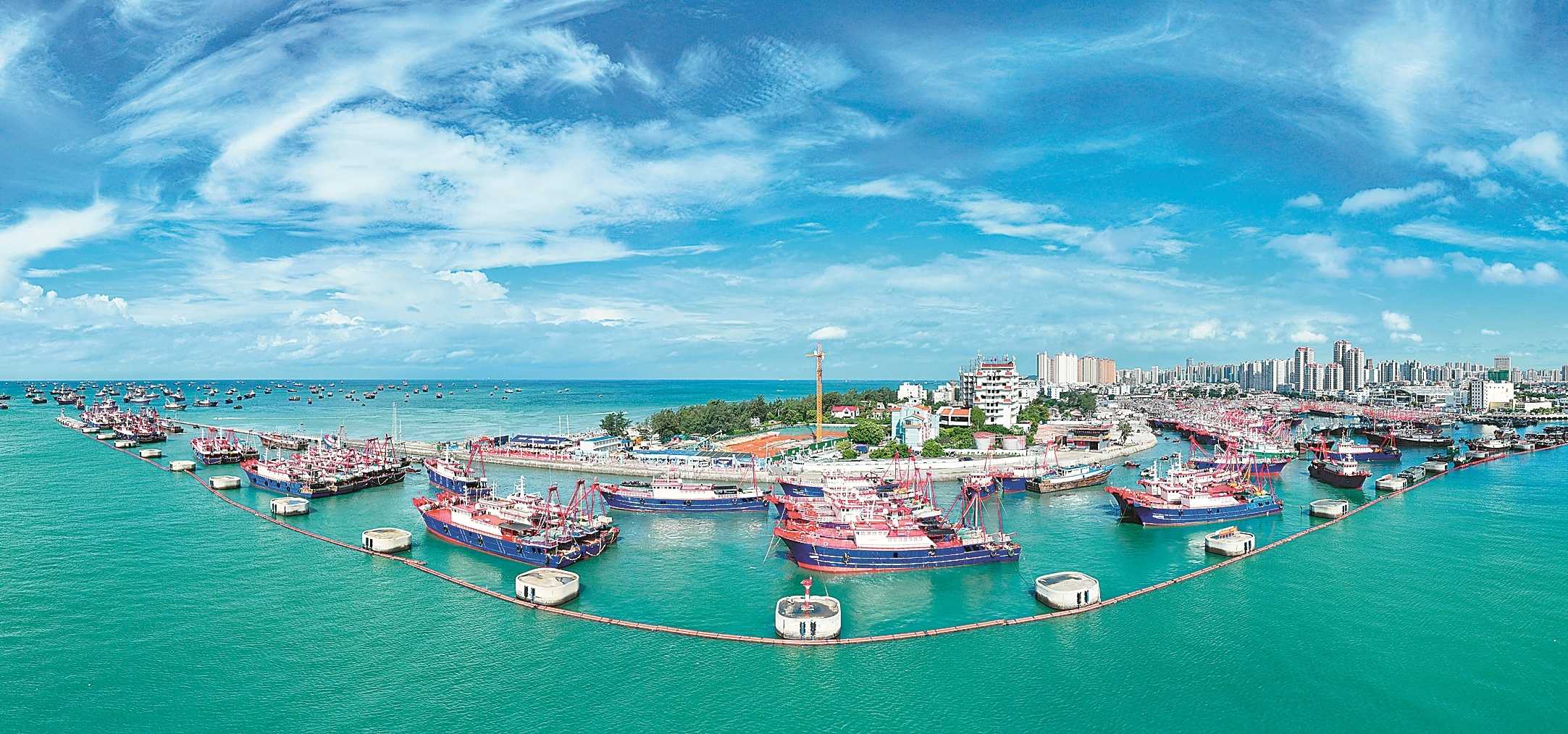
我国部分海域伏季休渔期结束 千帆竞发 出海开渔
Ren Min Ri Bao· 2025-08-16 21:38
Core Insights - The fishing moratorium in the South China Sea and parts of the East China Sea has officially ended, allowing fishing boats from provinces such as Fujian, Guangdong, and Guangxi to resume operations [1] - The purpose of the fishing moratorium is to allow marine ecosystems to recover and to better protect marine fishery resources, which contributes to improving the structure of fishery resources [1] Economic Performance - In the first half of the year, China's marine economy showed steady growth in total output, continuous optimization in structure, and accelerated transformation of driving forces, achieving a marine production value of 5.1 trillion yuan, a year-on-year increase of 5.8% [1] - The construction of the "blue granary" has yielded significant results, with domestic marine product output increasing by 4.8% year-on-year in the first half of the year [1]