
演出行业

Search documents
开年演出经济热力值飙升 “3小时演出撬动72小时消费”打破业态边界串联全产业链
Yang Shi Wang· 2026-01-14 04:46
Core Viewpoint - The national performance market is experiencing a vibrant start to the new year, with a variety of high-quality performances driving local cultural and tourism consumption [1] Group 1: Performance Market Overview - Over 839 offline performances took place in Beijing during the New Year's holiday, including stage plays, operas, and concerts [4] - The "京彩新年音乐会" series featured 69 high-quality domestic and international performances [4] - The National Peking Opera's New Year gala showcased classic segments from renowned plays like "智取威虎山" and "野猪林" [6][8] Group 2: Economic Impact - The performance economy is stimulating local cultural tourism consumption, with various cross-year concerts and events attracting large audiences [10][19] - The "票根经济" initiative allows ticket stubs to serve as discount vouchers for tourist attractions, promoting a "performance + travel" model [12] - Large performances are projected to generate over 220 billion yuan in related transportation, accommodation, dining, and shopping consumption [20] Group 3: Innovative Experiences - The trend of "观演 + 旅游" is popular among younger audiences, with performances becoming new travel destinations [13] - Small theaters are leveraging technology to create immersive experiences, attracting younger viewers and enhancing cultural engagement [21][23] - The integration of traditional and modern elements in performances, such as the immersive play "恰同学少年," is gaining popularity [25][27] Group 4: Local Development - In cities like Changsha, the rise of small theaters has boosted surrounding businesses, including dining and accommodation [31] - The interactive and immersive nature of performances is transforming small theaters into key destinations for urban leisure and cultural consumption [31]

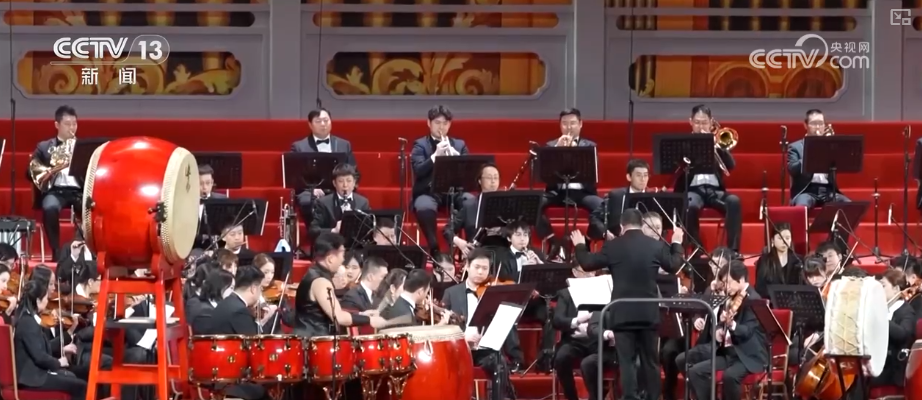
2025年票房收入同比增长6.39% 文旅共生数字赋能催热演出市场
Xin Hua Wang· 2026-01-14 02:18
Group 1 - The core viewpoint of the article highlights the robust growth of China's performance market, projecting significant increases in the number of performances, box office revenue, and audience attendance by 2025 [1][2][3] Group 2 - By 2025, the total number of commercial performances (excluding entertainment venue performances) is expected to reach 640,400, representing a 6.58% increase compared to 2024 [1] - Box office revenue is projected to be 61.655 billion yuan, with a year-on-year growth of 6.39% [1] - The audience size is anticipated to reach 194 million, reflecting a 4.22% increase from the previous year [1] Group 3 - Large-scale performances (over 5,000 attendees) are expected to total 30,000, marking a 12.70% increase from 2024 [1] - Box office revenue from these large performances is projected at 32.448 billion yuan, a 9.49% increase [1] - The audience for large performances is expected to reach 43.386 million, showing an 18.81% growth [1] Group 4 - The number of performances in professional and small theaters is projected to be 438,700, a 7.30% increase compared to 2024 [2] - Musical theater performances are expected to reach 19,700, with a year-on-year growth of 15.04% [2] - Box office revenue from musical theater is projected at 1.807 billion yuan, reflecting a 7.55% increase [2] Group 5 - The number of large and medium-sized tourism performances is expected to reach 198,700, with a 4.95% increase [2] - Box office revenue from tourism performances is projected at 17.442 billion yuan, a 6.43% increase [2] - Audience attendance for tourism performances is expected to be 87.99 million, showing a 3.01% growth [2] Group 6 - The performance market is evolving towards a comprehensive experience, emphasizing content, cultural tourism integration, and digital empowerment [3]
去年全国营业性演出票房收入超616亿元
Xin Lang Cai Jing· 2026-01-13 21:57
Group 1 - The core viewpoint of the articles indicates that the Chinese performance market is experiencing robust growth, with significant increases in both the number of performances and box office revenue for 2025 [1][2] - The total number of commercial performances in China for 2025 is projected to reach 640,400, representing a year-on-year growth of 6.58% [1] - Box office revenue for the same year is expected to be 61.655 billion yuan, reflecting a year-on-year increase of 6.39% [1] Group 2 - Large-scale performances (over 5,000 attendees) are anticipated to generate box office revenue of 32.448 billion yuan in 2025, driven by supportive local policies and the integration of performance projects with regional tourism [1] - The musical theater segment is expected to see a box office revenue increase of 7.55% in 2025, highlighting a growing market for this art form [2] - The tourism performance sector is projected to achieve box office revenue of 17.442 billion yuan in 2025, indicating its significance in the overall performance market [2]
去年全国演出票房收入616.55亿元
Xin Lang Cai Jing· 2026-01-13 20:54
Core Insights - The Chinese performance market is projected to see significant growth in 2025, with a total of 640,400 performances, a 6.58% increase from 2024, generating ticket revenue of 61.655 billion yuan, up 6.39%, and attracting 194 million attendees, a 4.22% rise [2] Group 1: Large Performances - Large-scale performances (over 5,000 attendees) are expected to reach 30,000 events in 2025, marking a 12.70% increase from 2024, with ticket revenue of 32.448 billion yuan, a 9.49% growth, and an audience of 43.386 million, an 18.81% increase [3] - The growth of large performances is driven by supportive local policies and the integration of cultural tourism, enhancing consumer willingness and enthusiasm for attending events [3] - Large performances are projected to generate over 220 billion yuan in additional spending on transportation, accommodation, dining, tourism, and shopping, with an average multiplier effect of 1:6.85 [3] Group 2: Stage Arts Development - The stage arts sector is experiencing robust growth, with 438,700 performances in professional and small theaters, a 7.30% increase from 2024 [4] - Traditional cultural themes are gaining popularity, with successful productions like "The Sword and the Flower" and "The Great Situational King" driving audience engagement [4] - The drama market is characterized by a dual focus on classic adaptations and original contemporary themes, with a notable resurgence of classic IPs and high demand for comedy plays [4] Group 3: Tourism and Performance Integration - The tourism performance sector is set to host 198,700 performances in 2025, a 4.95% increase, generating ticket revenue of 17.442 billion yuan, up 6.43%, and attracting 87.99 million attendees, a 3.01% rise [6] - The integration of tourism and performance is enhancing the artistic experience, creating immersive environments that engage audiences more deeply [6] - The fusion of traditional arts with contemporary cultural trends is appealing to younger consumers, revitalizing interest in cultural performances [6] Group 4: Market Trends and Innovations - The performance market in 2025 is centered around high-quality content, with original productions driving artistic vitality and cultural tourism integration becoming a key growth strategy [7] - Experience-based consumption is emerging as a growth engine, stimulating related sectors such as transportation and accommodation [7] - Digital marketing is playing a crucial role in expanding the reach of performances, while immersive innovations are enhancing the quality of tourism performances [7]

2025全国营业性演出票房收入超616亿,同比增长超6%
Nan Fang Du Shi Bao· 2026-01-13 15:48
Core Insights - The Chinese performance market is projected to experience robust growth by 2025, with new business models and consumption patterns emerging, indicating a clear trend towards high-quality development [1] Group 1: Market Overview - The total number of commercial performances (excluding entertainment venues) is expected to reach 640,400, a 6.58% increase from 2024 [1] - Box office revenue is projected to be 61.655 billion yuan, reflecting a 6.39% year-on-year growth [1] - The audience size is anticipated to reach 194 million, marking a 4.22% increase compared to 2024 [1] Group 2: Large-scale Performances - There will be 30,000 large-scale performances (over 5,000 attendees), representing a 12.70% increase from 2024 [2] - Box office revenue from these performances is expected to be 32.448 billion yuan, a 9.49% increase year-on-year [2] - Audience attendance for large-scale performances is projected to be 43.386 million, showing an 18.81% growth [2] Group 3: Economic Impact - Large-scale performances have an average multiplier effect of 1:6.85, driving over 220 billion yuan in additional spending on transportation, accommodation, dining, tourism, and shopping [3] Group 4: Original Stage Productions - The number of original stage productions is on the rise, with 438,700 performances expected, a 7.30% increase from 2024 [4] - The musical theater segment is also growing, with 19,700 performances projected, a 15.04% increase, and box office revenue of 1.807 billion yuan, up 7.55% [5] Group 5: Venue Transformation - The integration of cultural tourism is leading to a transformation of performance venues into cultural and tourism hubs, enhancing their social functions [6] - Innovative models are being adopted by professional theaters to improve urban cultural quality and promote tourism [6] Group 6: Marketing and Online Presence - The activity of performance projects on social media has significantly increased, with short video content becoming a key marketing tool [7] - The music theater segment is leveraging social media for audience engagement, creating a cycle of sharing and conversion that enhances market diversity [7] Group 7: Tourism and Performance Integration - The number of large and medium-sized tourism performance projects is expected to reach 198,700, with a 4.95% year-on-year increase [8] - Box office revenue from tourism performances is projected to be 17.442 billion yuan, reflecting a 6.43% growth [8] - The audience size for tourism performances is anticipated to be 87.999 million, a 3.01% increase [8] Group 8: Future Development Trends - The performance market is evolving towards a model that emphasizes content quality, cultural tourism integration, experiential consumption, digital marketing, and immersive innovations [8]

中国演出行业协会:2025年全国营业性演出票房收入616.55亿元
Zhong Guo Xin Wen Wang· 2026-01-13 13:07
Core Insights - The China Performance Industry Association forecasts that by 2025, the national box office revenue from commercial performances (excluding entertainment venue performances) will reach 61.655 billion yuan, with a year-on-year growth of 6.39% compared to 2024 [1] - The number of performances is expected to be 640,400, representing a 6.58% increase from 2024, and the audience size is projected to be 194 million, up 4.22% year-on-year [1] Group 1: Large-scale Performances - In 2025, there will be 3,000 large-scale commercial performances (over 5,000 attendees), a 12.70% increase from 2024 [1] - The box office revenue from these large-scale performances is expected to be 32.448 billion yuan, reflecting a 9.49% year-on-year growth [1] - The audience for large-scale performances is projected to reach 43.386 million, an 18.81% increase compared to 2024 [1] Group 2: Economic Impact - Large-scale performances are estimated to drive additional consumption in transportation, accommodation, dining, tourism, and shopping, exceeding 220 billion yuan in 2025 [1] - The average multiplier effect of large performances on other consumption is 1:6.85 [1] Group 3: Cultural Significance - The integration of cultural and tourism sectors is deepening, with performances evolving beyond mere stage art to become urban cultural symbols and consumer hotspots [1] - The association notes that more professional theaters are innovating to expand their social functions, becoming key engines for enhancing urban cultural quality and promoting tourism development [1] Group 4: Tourism Performances - By 2025, there will be 198,700 performances of medium and large-scale tourism-related shows, marking a 4.95% increase [2] - The box office revenue from these tourism performances is projected to be 17.442 billion yuan, with a year-on-year growth of 6.43% [2] - The audience size for tourism performances is expected to reach 87.9897 million, reflecting a 3.01% increase compared to the previous year [2]
2025年全国营业性演出票房收入616.55亿元
Zhong Guo Xin Wen Wang· 2026-01-13 12:07
Group 1 - The core viewpoint of the report indicates that the national box office revenue for commercial performances in China is projected to reach 61.655 billion yuan in 2025, with significant contributions from large-scale performances to related sectors such as transportation, accommodation, and tourism, exceeding 220 billion yuan [1] - In 2025, the total number of commercial performances (excluding entertainment venue shows) is expected to be 640,400, representing a growth of 6.58% compared to 2024, with a box office revenue increase of 6.39% year-on-year [1] - The audience attendance is projected to reach 194 million, marking a year-on-year growth of 4.22% [1] Group 2 - The report highlights a robust development of original stage productions in 2025, with a significant increase in creative and production capabilities, leading to a total of 438,700 performances in professional and small theaters, a growth of 7.3% from 2024 [2] - The revenue from medium and large-scale tourism performance projects is expected to reach 17.442 billion yuan in 2025, with a year-on-year growth of 6.43% [2] - Tourism performance projects are continuously optimizing and upgrading, creating richer immersive experiences and interactive participation, transforming visitors from mere spectators to active participants in the stories [2]
2025年全国营业性演出票房收入超616亿元 大型演出带动非票收入超2200亿元
Xin Lang Cai Jing· 2026-01-13 11:33
Core Insights - The Chinese performance market is projected to experience significant growth by 2025, with an estimated 640,400 performances, a 6.58% increase from 2024, generating ticket revenues of 61.655 billion yuan, a 6.39% year-on-year growth, and attracting 194 million audience members, a 4.22% increase [1][6] Group 1: Market Growth and Trends - The performance market is evolving towards a comprehensive ecosystem characterized by "content supremacy, cultural tourism symbiosis, experiential focus, and digital empowerment" [1][6] - Large-scale performances (over 5,000 attendees) are expected to reach 30,000 events in 2025, a 12.70% increase from 2024, with ticket revenues of 32.448 billion yuan, a 9.49% increase, and an audience of 43.386 million, an 18.81% increase [7] - The average consumption multiplier effect of large performances is 1:6.85, leading to over 220 billion yuan in additional spending on transportation, accommodation, dining, tourism, and shopping [2][7] Group 2: Original Content and Tourism Integration - The original stage play market is thriving, with 438,700 performances expected in 2025, a 7.30% increase from 2024 [3][8] - Musical performances are projected to reach 19,700 events, with ticket revenues of 1.807 billion yuan and an audience of 8.186 million, reflecting growth rates of 15.04%, 7.55%, and 10.41% respectively [3][8] - The integration of cultural elements in tourism is exemplified by the success of the performance "Moon Reflecting Wuyi," which has attracted over 100,000 visitors since its debut [8] Group 3: Social Media and Audience Engagement - The engagement of performance projects on social media platforms has significantly increased, with topics related to performances achieving over 1.5 billion views and 6.8 million interactions on Weibo [5][10] - The Shanghai Grand Theatre's production of "Les Misérables" attracted over 110,000 attendees, with nearly 60% being from outside the city, generating nearly 20 million yuan in merchandise sales [9][10] - Smaller venues and new performance spaces are emerging in cities like Wuhan, Changsha, and Xiamen, catering to the cultural consumption needs of younger audiences [10]
2025年全国营业性演出票房收入超616亿元
Xin Hua Wang· 2026-01-13 10:03
Core Insights - The Chinese performance industry is experiencing robust growth, with a projected 640,400 performances and ticket revenue of 61.655 billion yuan in 2025, reflecting year-on-year increases of 6.58% and 6.39% respectively [1] Group 1: Market Overview - The large-scale performance market (over 5,000 attendees) is expected to generate ticket revenue of 32.448 billion yuan in 2025, driven by supportive local policies and the integration of performance projects with regional tourism [1] - The "ticket economy" is enhancing consumer willingness to spend, positioning large performances as a significant driver of local cultural and tourism consumption [1] Group 2: Artistic Trends - The market for stage arts is showing a high degree of commercialization, with musical theater ticket revenue projected to grow by 7.55% in 2025 [1] - Mainstream themes in productions are becoming more vibrant, with works like "Finding Li Ergou" and "Under the Night in Harbin" showcasing high-quality performances that enrich the cultural landscape [1] - Traditional cultural elements are gaining popularity, with national style musicals such as "The Knight and the Flower" and "The Great Status King" resonating with audiences [1] Group 3: Theatre and Tourism Performances - The drama market is characterized by a dual approach of classic adaptations and original contemporary themes, with new productions like "Romance of the Three Kingdoms" and "Peony Pavilion" gaining market attention [2] - The ticket revenue for large and medium-sized tourism performances is projected to reach 17.442 billion yuan in 2025, with innovative elements like drones and fireworks enhancing audience engagement [2] - The integration of national trend IPs with cultural tourism is revitalizing traditional arts, making them more appealing to modern audiences [2]
2025年全国营业性演出场次超64万场,票房收入超616亿元
Xin Jing Bao· 2026-01-13 09:56
Core Insights - The national performance market in China is expected to show robust growth in 2025, with new business models and consumption patterns emerging [1] Group 1: Market Growth Projections - The number of commercial performances (excluding entertainment venue shows) is projected to reach 640,400 in 2025, representing a 6.58% increase compared to 2024 [1] - Box office revenue is forecasted to be 61.655 billion yuan, reflecting a year-on-year growth of 6.39% from 2024 [1] - The audience size is anticipated to reach 194 million, marking a 4.22% increase compared to the previous year [1]