
脑机接口

Search documents
上半年经济数据今天公布;王兴兴等将亮相中外记者见面会|南财早新闻
2 1 Shi Ji Jing Ji Bao Dao· 2025-07-14 23:46
Group 1 - The Central Committee of the Communist Party of China has issued opinions to strengthen financial trial work, emphasizing the need to punish financial crimes such as market manipulation and insider trading, and to improve rules for handling disputes in emerging financial fields like digital currency and internet finance [1] - The People's Bank of China reported that the cumulative increase in social financing scale reached 22.83 trillion yuan in the first half of 2025, with a year-on-year increase of 4.74 trillion yuan [4] - The General Administration of Customs announced that China's goods trade import and export totaled 21.79 trillion yuan in the first half of the year, a year-on-year increase of 2.9% [4] Group 2 - The National Medical Insurance Administration stated that by the end of 2024, approximately 1.327 billion people will be covered by basic medical insurance, maintaining a coverage rate of over 95% [4] - The China Coal Transportation and Marketing Association emphasized the need to maintain safety and stability in the coal industry while improving supply quality and addressing competition issues [4] - The report from Goldman Sachs indicated that central banks and institutions globally purchased an average of 77 tons of gold per month from January to May, predicting that gold prices could reach $3,700 per ounce by the end of 2025 [4] Group 3 - The electric vehicle ownership in China reached 36.89 million by the end of June, accounting for 10.27% of the total number of vehicles, with a significant increase in new registrations [4] - The expected net profit for Yonghui Supermarket in the first half of 2025 is a loss of 240 million yuan, compared to a profit of 280 million yuan in the same period last year, due to store closures [6] - China Rare Earth's expected net profit for the first half of 2025 is between 136 million and 176 million yuan, indicating a turnaround from losses, driven by improved market conditions [7]


脑机接口 从“解码语言”到更多可能(国际科技前沿)
Ren Min Ri Bao· 2025-07-14 21:57
Core Insights - Brain-computer interface (BCI) technology establishes a direct communication pathway between the brain and external devices, enabling unprecedented human-machine interaction and making "thought dialogue" a reality [1][2] Group 1: Technology Development - Recent advancements in language brain-computer interfaces have led to breakthroughs such as real-time communication for stroke patients and improved quality of life for ALS patients [1][3] - The "Beina No. 1" semi-invasive system developed in China has successfully restored communication abilities in ALS patients by utilizing a flexible high-density electrode for 128-channel synchronous signal acquisition [3] - A new language BCI system from the University of California, Davis, employs a 256-channel microelectrode array and deep learning algorithms to decode speech intentions from a patient with ALS, achieving near real-time decoding every 10 milliseconds [3][4] Group 2: Artificial Intelligence Integration - The integration of advanced AI models is crucial for decoding neural signals and generating natural language outputs in BCIs [4] - Research from Utrecht University and Radboud University has achieved 92%-100% classification accuracy for individual words, while maintaining the tone and timbre of synthesized speech [4] - A multi-stream neural network model developed by a collaborative team in China has achieved a 76% accuracy rate for tone and syllable classification in Mandarin, and a 91% accuracy rate for single-character decoding [4] Group 3: Future Challenges and Opportunities - Future challenges include decoding higher-level intentions and semantics, as many aphasia patients have damage in areas responsible for language organization rather than speech production [5] - The potential for BCI technology to revolutionize treatment for neurological diseases is significant, with applications ranging from restoring speech to enabling movement in paralyzed patients [6][7] - Innovations such as a brain-spinal cord interface and a visual prosthetic device have shown promise in restoring mobility and vision, respectively [7] Group 4: Ethical Considerations - The development of BCI technology must address ethical, privacy, and data security concerns, with ongoing efforts to establish standards and regulations to ensure sustainable and beneficial applications [8]
中美脑机接口竞速,差异在哪里
2 1 Shi Ji Jing Ji Bao Dao· 2025-07-14 13:47
21世纪经济报道记者骆轶琪 广州报道 中国脑机接口公司上大分!这两年已经有不少"全球首个""中国首次"的案例出现。 在脑机接口行业,中国公司到底发展到了什么程度,全球头部企业之间的路线有什么差异,AI又会给 这个行业带来什么新的催化? 21世纪经济报道记者对话脑虎科技创始人兼首席科学家陶虎,听听他的分析。 《21世纪》:近两年国内侵入式脑机接口临床试验案例增多的原因? 陶虎:最近这两年,随着技术的进步,尤其是AI技术的进步。对于行业来说,一方面,让我们对大脑 脑电信号采集的能力,从数量和质量方面都大幅提高。同时随着AI技术发展,对于之前采集来的高质 量、大规模数据,能够更好去分析,进而进行神经编解码。 这让行业可以较好实现用意念合成运动、脑虎团队做到用意念合成语言。这都是基于近些年技术的发展 实现的。 陶虎:我来举个例子,至少我们内部是这样认为的。 例如智能驾驶或无人驾驶,有相对明确的L1-L5技术边界。那么脑机接口行业也有类似定义,至少我们 内部会有这样的定义,也是根据本身实现的难易程度、实现后的获益程度决定的。 L1基本就认为是实时运动解码。相对来说,其涉及的脑区比较单一、所需通道数也比较少。其实目前 行 ...
镜像世界、手机消失、人类爱上AI:“硅谷精神之父”凯文·凯利的2049预言
创业邦· 2025-07-14 09:57
Core Viewpoint - The article discusses Kevin Kelly's new book "2049: The Possibilities of the Next 10,000 Days," which envisions a hopeful future shaped by technology and human agency, emphasizing the importance of imagining and actively working towards a desirable future [5][10][12]. Group 1: Future Scenarios and Technology - Kelly's book outlines optimistic scenarios for the future, including advancements in transportation, employment, the internet, and entertainment, while also considering China's role in the global landscape [9][10]. - The concept of "scenario building" is introduced, where multiple potential futures are imagined, encouraging proactive steps to achieve a positive outcome [12][13]. - The dual nature of technology is highlighted, where it can bring both positive and negative impacts, necessitating a balanced perspective [6][15]. Group 2: Education and Learning - The future of education is discussed, emphasizing the need for lifelong learning and the integration of AI as a core component of the educational experience [17][19]. - Kelly suggests that the focus should shift from acquiring specific knowledge to mastering the ability to learn effectively, as future careers may not yet exist [20][22]. - The importance of teaching students how to ask good questions is emphasized, as this skill will be crucial in a world where AI can provide answers [20][22]. Group 3: AI and Content Creation - The article explores the impact of AI on the content industry, suggesting that while AI will generate content, human journalists will still be needed to manage and take responsibility for the output [26][28]. - Kelly predicts that the role of journalists will evolve, with a greater emphasis on accountability and quality assurance in the age of AI-generated content [28][29]. Group 4: The "Mirror World" Concept - Kelly introduces the idea of a "mirror world," where augmented reality (AR) and virtual reality (VR) technologies will blend the physical and digital realms, fundamentally changing how people interact with their environment [35][37]. - The realization of this mirror world depends on the affordability and efficiency of AI technologies integrated into smart glasses [40]. Group 5: Future Technologies - Five key technologies are identified for future exploration: robotics, autonomous driving, space travel, life sciences, and brain-computer interfaces, each with the potential to revolutionize various aspects of life [50][51]. - Kelly expresses skepticism about the widespread adoption of humanoid robots in households, suggesting they will first be utilized in controlled work environments [52]. - The future of autonomous vehicles is discussed, with the expectation that driving will become less common as AI takes over more driving tasks [56]. Group 6: Population Dynamics and Longevity - Kelly predicts a demographic shift towards an aging population, which will pose challenges for innovation and societal structure [68]. - The potential for advancements in life sciences, including vaccines for major diseases, is seen as a way to extend healthy lifespans, but the overall impact on societal dynamics remains complex [66][68]. Group 7: The Future of Silicon Valley - The article concludes with reflections on the future of Silicon Valley, suggesting that while established companies may decline, new startups will emerge, potentially changing the landscape of innovation and competition [74][75].


宇树科技王兴兴、强脑科技韩璧丞首次出席香港特首顾问团会议
Mei Ri Jing Ji Xin Wen· 2025-07-13 18:36
Group 1 - The Hong Kong Chief Executive, John Lee, held a three-day meeting with the newly appointed Chief Executive Advisory Group, discussing the 2023 Policy Address and overall development of Hong Kong [1][2] - The Advisory Group includes prominent figures such as Zhu Min, former Vice President of the International Monetary Fund, and founders of "Hangzhou Six Little Dragons," Wang Xingxing and Han Bicheng, who emphasized Hong Kong's unique advantages as an international financial center [1][2] - Discussions focused on three main themes: high-quality and sustainable economic development, innovation and entrepreneurship, and regional and global collaboration, particularly in light of geopolitical changes [2][3] Group 2 - The "Hangzhou Six Little Dragons" are recognized for their rapid development in technology sectors such as AI, robotics, and brain-computer interfaces, contributing to a robust industrial ecosystem in Hangzhou [3] - John Lee previously met with representatives of the "Hangzhou Six Little Dragons" during his visit to Zhejiang, exploring opportunities for collaboration between Hong Kong and these innovative companies [3] - One of the "Hangzhou Six Little Dragons," Qunhe Technology, has already submitted its IPO application to the Hong Kong Stock Exchange, marking it as the first among the group to pursue public listing [3]
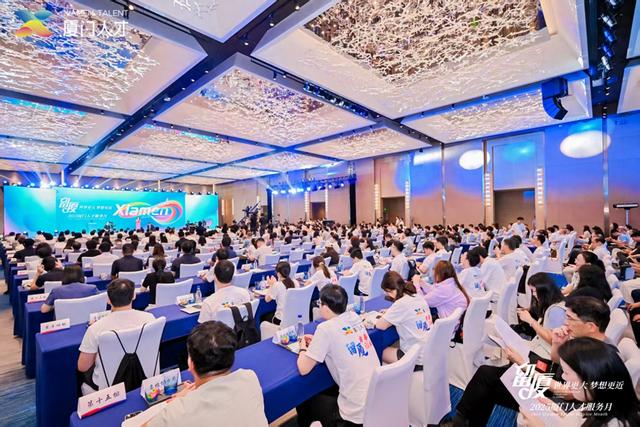
群鹭兴厦 才创未来 2025厦门人才服务月开展“1+10+N”系列活动
Huan Qiu Wang· 2025-07-12 11:11
Group 1 - The "2025 Xiamen Talent Service Month" aims to attract global talent and enhance innovation in the city, focusing on the integration of talent and AI [2][9] - The event showcased significant advancements in brain-computer interface technology, with experts discussing its medical applications and collaborations with local enterprises [4][5] - Xiamen has implemented the "Lü Yin Wuzhou" talent initiative, establishing global talent workstations to facilitate the influx of international professionals [4][8] Group 2 - Xiamen is accelerating new industrialization, emphasizing sectors such as artificial intelligence, future networks, and biotechnology, with over 450 AI-related companies and a market size of 33.6 billion yuan by the end of 2024 [5][7] - The city has launched the "AI Industry Talent 8 Measures" to support talent acquisition and development in AI, including innovative recruitment methods and collaborative projects [7][8] - A total of 143 urgent talent positions have been identified, with a focus on high-demand roles in the modern industrial system [7][8] Group 3 - Xiamen has been recognized as one of China's best talent attraction cities for four consecutive years, with a total talent pool of 1.7 million, including over 60,000 international talents [8][9] - The city is actively promoting international collaboration through events like the "Lü Yin Wuzhou Talent Innovation and Entrepreneurship Competition," attracting projects from nearly 20 countries [9][10] - Xiamen continues to enhance its talent ecosystem by integrating education, technology, and innovation, ensuring a supportive environment for professionals [8][10]
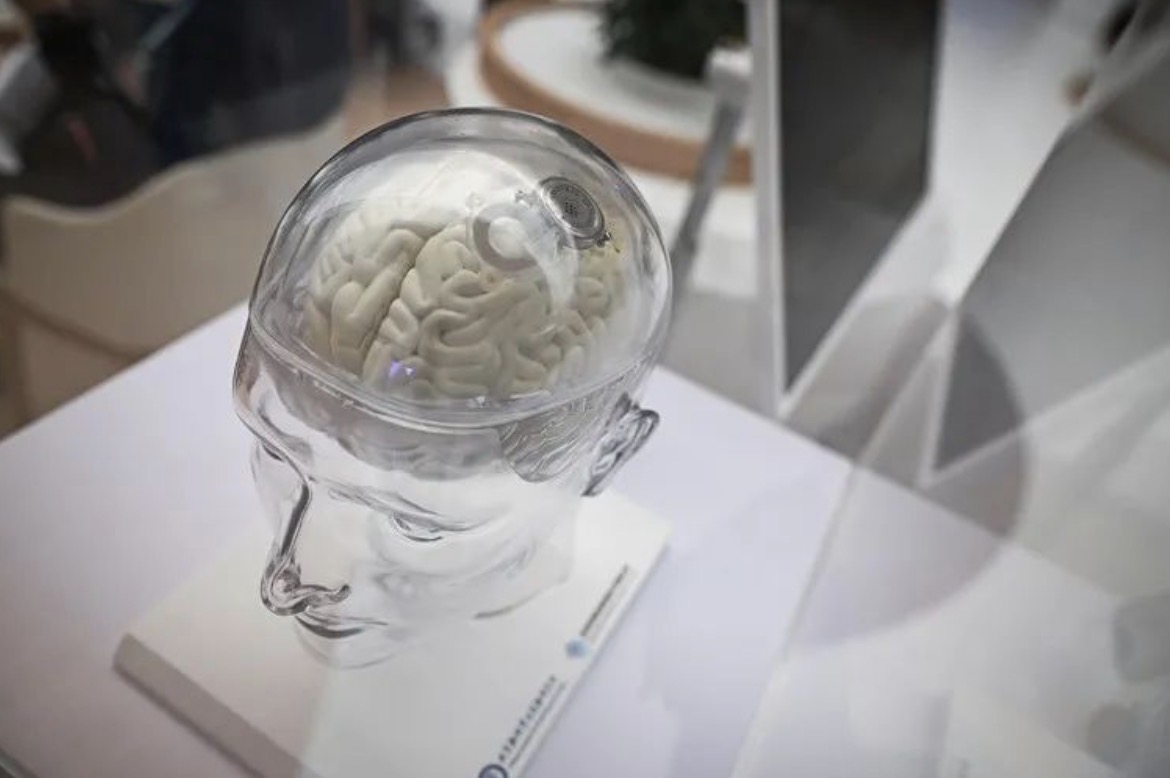
上海司南脑机智能超级孵化器启动 全球征集脑机接口领军项目
Xin Hua Cai Jing· 2025-07-12 07:33
Core Insights - The launch of the Sinan Brain-Machine Intelligence Super Incubator aims to attract leading projects in the brain-machine interface sector, enhancing Shanghai's position as a global innovation hub in this field [1][2] - The incubator will focus on collaborative innovation across technology sourcing, clinical transformation, and product application, creating a specialized platform for service results transformation, enterprise incubation, and industry acceleration [1] - The Minhang District government is committed to supporting the incubator's development through resource integration and policy initiatives, aiming to establish a comprehensive public service system around the brain-machine interface industry cluster [1][2] Group 1 - The Sinan Brain-Machine Intelligence Super Incubator is operated by the Shanghai Lingang Group and is located in the Hongqiao Chengxin Center [1] - The incubator will enhance the attractiveness of Shanghai in the fields of brain science and brain-machine interfaces, aiming to create a demonstration effect for future industries [1] - The Minhang District has established the Shanghai Brain-Machine Interface Future Industry Cluster, which will work in conjunction with the incubator and the concept verification platform [1] Group 2 - The incubator will leverage the policy advantages of Minhang District and the research and clinical strengths of institutions like Fudan University and Huashan Hospital [2] - The goal is to cultivate and deliver high-growth projects for the brain-machine interface cluster [2]

半年盘点|中国脑机接口进入临床试验,拓展消费级应用场景
Di Yi Cai Jing· 2025-07-11 06:36
Group 1: Industry Progress and Government Support - Chinese researchers are advancing brain-computer interface (BCI) technology in various directions, including improving algorithms for decoding neural data and implantable devices [1][4] - The government has prioritized BCI as an innovative field for support, leading to significant investment from institutions [1][4] - The year 2025 is viewed as the "first year" for the domestic BCI industry, with multiple research teams announcing invasive BCI devices entering clinical stages [1][3] Group 2: Clinical Trials and Innovations - The first prospective clinical trial of an invasive BCI in China has been completed, allowing a quadriplegic patient to play computer games [3] - The device used in the trial is similar to Neuralink's but is smaller and less invasive [3] - Other teams, such as Tsinghua University and Borui Kang, plan to enroll 30 to 50 patients for BCI implantation by the end of the year [3] Group 3: Non-Invasive BCI Applications - Non-invasive BCIs, which do not require surgical implantation, are being explored for consumer applications, with companies like Qiangnao Technology leading the market [5][6] - Qiangnao Technology has partnered with a leading mattress company to integrate BCI technology into smart mattress products, aimed at improving sleep quality [6][7] - The potential for consumer-level applications includes enhancing consciousness and achieving "telepathy" through future BCI developments [7] Group 4: Future Outlook and Challenges - While there are ambitious predictions for BCI technology, such as full integration with AI by 2028, industry experts believe that more general BCI technology is still in its early stages [7] - Achieving advanced cognitive capabilities, such as reading and writing consciousness and emotions, may take until 2035 to 2045 [7]
计算机行业深度报告:脑机接口:从概念到落地,开启交互新时代
KAIYUAN SECURITIES· 2025-07-11 06:25
Investment Rating - The investment rating for the computer industry is optimistic (maintained) [1] Core Insights - The brain-computer interface (BCI) market has significant potential, with global medical applications expected to reach $40 billion by 2030 and $145 billion by 2040 [5][36] - The technology is maturing, with companies like Neuralink receiving FDA approval for human trials, indicating a shift from concept to practical application [6][8] - Policy support is increasing, with various regions in China implementing plans to accelerate the commercialization of BCI technologies [7][45] Summary by Sections 1. Brain-Computer Interface: Continuous Breakthrough - BCI creates a communication channel between the brain and external devices, enabling direct information exchange [17] - The global BCI market was valued at $2.35 billion in 2023, with a projected CAGR of 16.55% from 2023 to 2033 [35] 2. Policy and Technology Resonance: Bright Commercial Prospects for BCI 2.1 Policy: BCI Medical Pricing Implementation Accelerates Commercialization - Major countries are investing in BCI research, with the U.S. and EU leading in funding and project initiatives [41][44] - China's government has issued multiple directives to guide BCI development, including the establishment of independent pricing for BCI services [45][46] 2.2 Technology: Positive Progress in Clinical Trials, Approaching Industrialization - The BCI system faces numerous technical barriers, particularly in balancing performance and commercial viability [48] - China's BCI sector is rapidly advancing, with increasing publications and patents in the field [51][52] 3. Beneficiary Companies 3.1 Neuralink: Pioneer in Invasive BCI Technology - Neuralink is leading in invasive BCI technology, having initiated human trials and planning further patient implants [55][66] 3.2 Strong Brain Technology: Leader in Non-Invasive BCI - Strong Brain Technology focuses on non-invasive BCI solutions, having developed multiple products and secured significant funding [67][69] 3.3 Rock Mountain Technology: Forward-Looking Layout of Brainwave Large Models - Rock Mountain Technology is developing brainwave large models to enhance human-computer interaction systems [80]




脑机接口进入“元年”,中西部第一大省要抢占先机
Di Yi Cai Jing· 2025-07-10 12:02
从产业布局发展看,四川构建了"上游核心器件—中游系统集成—下游场景应用"全产业链生态。 脑机接口作为生物智能与机器智能深度融合的前沿技术,正成为重塑未来多领域格局的颠覆性力量,是 全球科技与产业竞争的新焦点。继北京和上海之后,作为中西部第一经济大省,四川也加紧布局抢占脑 机接口未来产业发展先机。 7月9日,四川省经信厅发布致农工党四川省委会的《关于政协四川省十三届委员会第三次会议第0079号 提案办理答复意见的函》(下称《复函》)。 在《复函》中,四川省经信厅称,2024年,四川脑机接口全产业链规模达10亿元,同期相关投资达5亿 元,研发投入达3亿元,均居国内第一方阵。从产业布局发展看,四川构建了"上游核心器件—中游系统 集成—下游场景应用"全产业链生态。 四川的优势 今年5月12日,四川省8部门联合印发实施《四川省脑机接口及人机交互产业攻坚突破行动计划 (2025―2030年)》(下称《行动计划》),明确提出到2027年,产业链关键环节取得重点突破,产业 生态基本构建,建成一批产业发展集聚区;到2030年,产品实现规模化生产应用,产业链供应链体系自 主可控能力显著提升,产业综合竞争力全国领先。 成都前沿类脑 ...