强脑科技智能仿生手

Search documents
穿越周期的力量:2025中国企业家年度榜单
Sou Hu Cai Jing· 2026-01-26 15:59
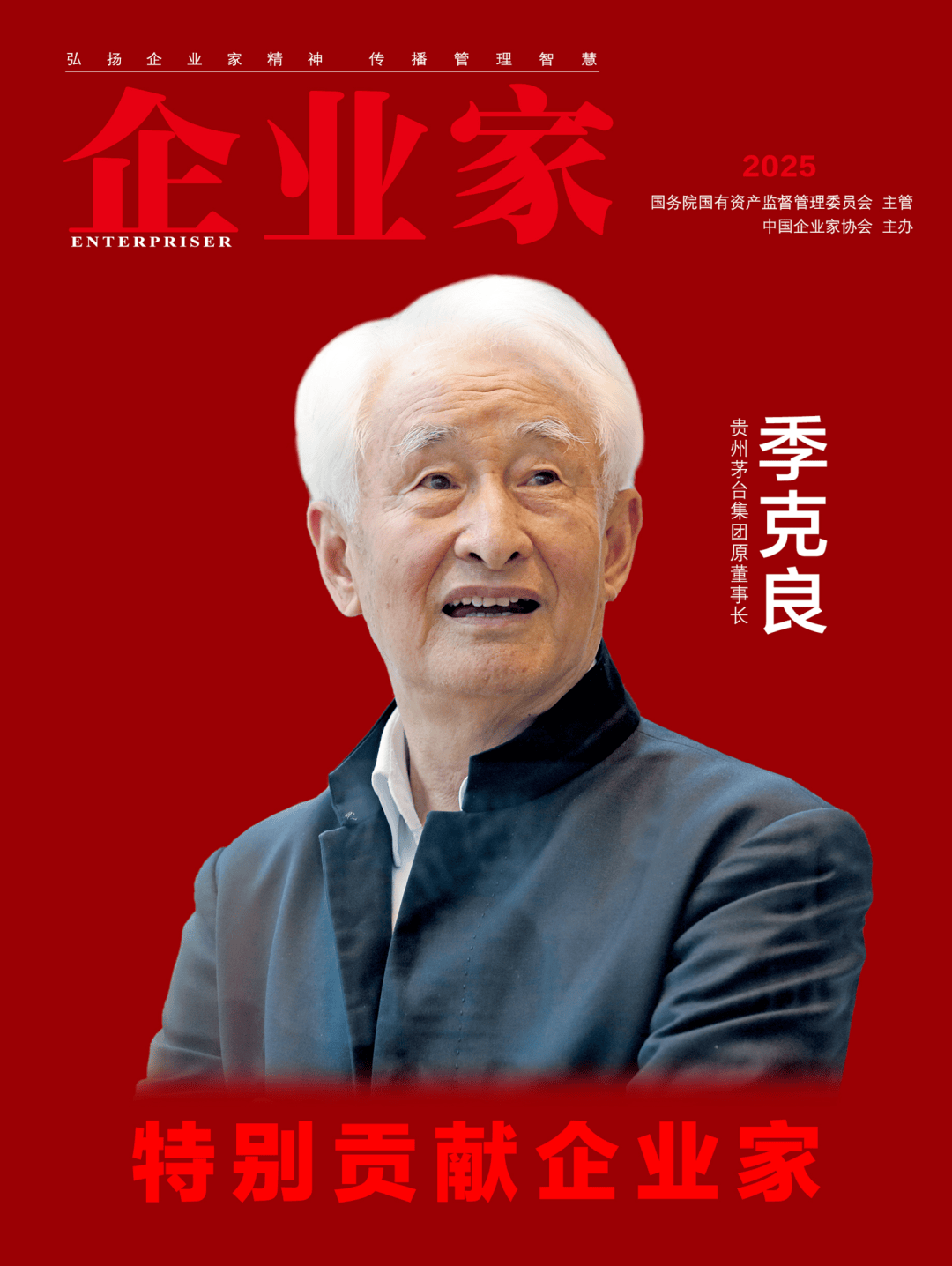
Core Insights - The article highlights the recognition of 3 "Special Contribution Entrepreneurs" and 20 "2025 Entrepreneurs" who exemplify long-termism and innovation across various industries in China, including liquor, manufacturing, energy, agriculture, internet, AI, and new consumption [1][2]. Group 1: Special Contribution Entrepreneurs - Ji Keliang, former chairman of Kweichow Moutai Group, transformed traditional brewing techniques into scientific data over 60 years, emphasizing quality over speed, which laid the foundation for Moutai's billion-dollar brand value [4][10][12]. - Zhang Ruimin, founder of Haier Group, is known for his continuous self-disruption and innovation, leading Haier from a struggling factory to a global leader in home appliances with over 400 billion yuan in revenue [18][20][21]. - Jiang Baoquan, founder of Nanjing Gold Foil Holdings, turned a failing workshop into the world's largest gold foil producer, emphasizing resilience and innovative management theories [25][27][29]. Group 2: 2025 Entrepreneurs - Ma Huateng, chairman of Tencent, focuses on "technology for good," committing to social responsibility and innovation in digital technology to drive high-quality economic development [31][34][41]. - Wang Ning, founder of Pop Mart, capitalizes on emotional value and consumer psychology, creating a successful business model around collectible toys that resonate with young consumers [43][45][46]. - Wang Xingxing, founder of Yushutech, leads advancements in humanoid robotics, achieving significant market presence and profitability while promoting technological innovation [48][49][51]. - Fang Hongbo, chairman of Midea Group, has successfully transformed Midea into a global technology group through strategic restructuring and a focus on efficiency and innovation [54][56]. - Liu Yonghao, chairman of New Hope Group, maintains a long-term vision in agriculture, achieving growth even during economic downturns by embracing new technologies [67][69][70]. - Liu Qiangdong, founder of JD.com, integrates the concept of "common prosperity" into business practices, ensuring fair profit distribution among stakeholders while enhancing supply chain efficiency [73][75][78]. - Li Dongsheng, founder of TCL, exemplifies global leadership in semiconductor display and photovoltaic sectors, driving innovation and sustainable growth through strategic partnerships [110][111].




脑机路线之争:中企们与马斯克针尖对麦芒
Tai Mei Ti A P P· 2026-01-15 11:52
Core Viewpoint - The article discusses the emerging interest in brain-machine interfaces (BMIs) in the capital market, particularly following Elon Musk's provocative ideas about achieving "semi-immortality" through technology [1][2][3]. Industry Overview - The BMI sector has seen a surge, with nearly 50 related companies involved in medical devices, consumer electronics, and content provision, leading to a market capitalization exceeding 1 trillion RMB within just nine trading days in 2026 [1]. - The global BMI market size grew from $1.2 billion in 2019 to nearly $2 billion in 2023, with a compound annual growth rate (CAGR) of over 13% [11]. Company Developments - Musk's Neuralink aims to create a BMI that captures consciousness through invasive methods, while domestic companies like Qiangnao Technology focus on non-invasive techniques, emphasizing safety and rehabilitation [7][10]. - Qiangnao Technology, founded in 2015, has developed the world's first non-invasive brain-controlled bionic hand and has achieved significant market penetration, producing 100,000 units at a fraction of the cost of similar international products [9][10]. Competitive Landscape - The competition between Musk's invasive approach and domestic non-invasive methods represents a broader cultural and technological divergence, with domestic firms prioritizing life preservation and rehabilitation over radical technological replacement [8][11]. - Both Neuralink and Qiangnao Technology are accelerating their efforts, with Neuralink planning large-scale production by 2026 and Qiangnao Technology preparing for an IPO after securing approximately 2 billion RMB in funding [11]. Future Goals - Qiangnao Technology aims to assist 1 million individuals with physical disabilities and improve the lives of 10 million patients suffering from various neurological conditions within the next five to ten years [12].
最神秘“六小龙”,完成20亿融资
投中网· 2026-01-09 01:50
Core Insights - The article discusses the significant advancements and investments in the brain-computer interface (BCI) industry, highlighting the second-largest financing record in the sector with a total of approximately 2 billion yuan for BrainCo [6][7]. Group 1: Industry Overview - The BCI industry is gaining attention due to its potential to enhance human capabilities by understanding and manipulating brain functions, as illustrated by Neuralink's high valuation despite being in clinical trials [3][4]. - The BCI concept was originally proposed by computer scientist Jacques Vidal, emphasizing the possibility of translating human thoughts into signals to control machines [9]. Group 2: Company Highlights - BrainCo, a leading BCI company in China, was founded by Han Bicheng, who has a strong background in brain science and has chosen a non-invasive technology route, contrasting with Neuralink's invasive approach [4][6]. - BrainCo recently completed a financing round with a "star-studded" lineup of investors, including IDG and various industry players, to accelerate the development of core BCI technologies [6][7]. Group 3: Technological Pathways - The BCI field is divided into invasive and non-invasive pathways, with invasive methods providing more accurate signal capture but posing risks of brain tissue damage [10][11]. - Non-invasive methods, while more complex, offer safety advantages and have seen significant advancements, particularly with the integration of artificial intelligence to enhance signal processing [19][20]. Group 4: Future Prospects - BrainCo aims to help 1 million individuals with limb disabilities regain daily functions through neural-controlled prosthetics within the next five to ten years [6][30]. - The company is also exploring applications in mental health, focusing on conditions like depression and ADHD, indicating a broader scope for BCI technology beyond physical rehabilitation [30][31].
浙江2026规上工业增加值增速锚定6% 左右,AI 终端提速
2 1 Shi Ji Jing Ji Bao Dao· 2026-01-08 09:23
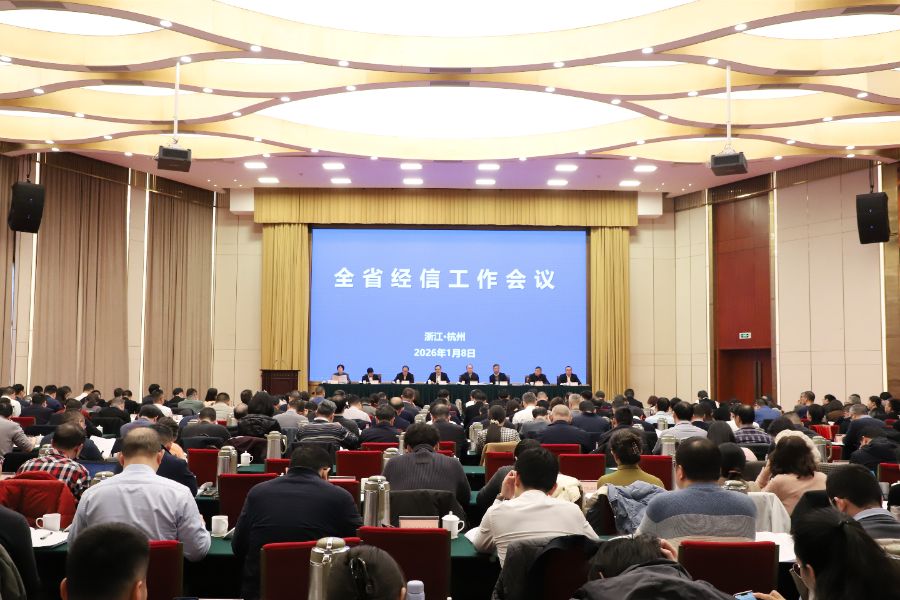
Core Insights - Zhejiang aims for a 6% growth in industrial added value, 8% growth in the digital economy's core industries, and over 8% growth in manufacturing investment for 2026 [2] - The province will implement the "415X" cluster strategy, targeting a revenue of over 10 trillion yuan for these clusters [2][3] - Emphasis on the integration of technological and industrial innovation, with a focus on artificial intelligence and advanced manufacturing [3][6] Economic Goals - The target for industrial added value growth is set at approximately 6% for 2026 [2] - The digital economy's core industries are expected to grow by 8% [2] - Manufacturing investment is projected to increase by over 8% [2] Policy Initiatives - Implementation of the "415X" cluster strategy, focusing on four trillion-level industries and fifteen hundred-billion-level provincial clusters [3] - Development of action plans for new materials, biomedicine, agricultural machinery, and commercial aerospace [7] - Launch of the "Spark Plan" for future industries, emphasizing artificial intelligence and related technologies [6][7] Industry Development - The province will enhance its manufacturing capabilities through the establishment of R&D platforms and support systems for enterprises [6][8] - Focus on nurturing technology-driven SMEs, specialized and innovative enterprises, and world-class companies [8] - Continued investment in major manufacturing projects and technology upgrades [7] Digital Economy - Zhejiang has been approved for a new round of national digital economy innovation development pilot zones [5] - The province aims to leverage artificial intelligence and smart technologies to enhance industrial capabilities [7] - The digital economy's core industries are projected to exceed 1 trillion yuan during the 14th Five-Year Plan period [5]
游戏是现在,硬科技是未来:三七互娱怎么选?
Guan Cha Zhe Wang· 2026-01-06 01:54
Core Insights - The article discusses the long-term investment strategy of 37 Interactive Entertainment in hard technology sectors, emphasizing the extended timeframes for technology commercialization compared to gaming products [1][2][3] Investment Strategy - 37 Interactive Entertainment has made significant moves in the capital market, including investing up to 50 million yuan in the Diao Weihu Shan Fund to enhance its artificial intelligence industry chain [1] - The company's investment portfolio spans various cutting-edge technologies, including lithium niobate films, brain-computer interfaces, large models, XR glasses, and more, indicating a broad focus on foundational computing power and advanced technologies [1][3] Management Perspective - The management of 37 Interactive Entertainment, particularly Chairman Li Weiwei, has expressed a strong belief that AI is a core necessity for current success, transitioning from an optional trend to a mandatory component [2] - The company aims to deepen its integration of technology into entertainment, moving from a focus on hit games to establishing a standardized mechanism for stable revenue generation through technological empowerment [3][9] Industry Context - The article highlights a shift in the gaming industry from creative competition to technological advancement, necessitating companies to develop their own technological foundations rather than relying on external suppliers [9] - The investment strategy has evolved from a focus on gaming entertainment to a broader emphasis on hard technology and its integration with entertainment, driven by advancements in human-computer interaction [11]


计算机行业深度报告:脑机接口:从概念到落地,开启交互新时代
KAIYUAN SECURITIES· 2025-07-11 06:25
Investment Rating - The investment rating for the computer industry is optimistic (maintained) [1] Core Insights - The brain-computer interface (BCI) market has significant potential, with global medical applications expected to reach $40 billion by 2030 and $145 billion by 2040 [5][36] - The technology is maturing, with companies like Neuralink receiving FDA approval for human trials, indicating a shift from concept to practical application [6][8] - Policy support is increasing, with various regions in China implementing plans to accelerate the commercialization of BCI technologies [7][45] Summary by Sections 1. Brain-Computer Interface: Continuous Breakthrough - BCI creates a communication channel between the brain and external devices, enabling direct information exchange [17] - The global BCI market was valued at $2.35 billion in 2023, with a projected CAGR of 16.55% from 2023 to 2033 [35] 2. Policy and Technology Resonance: Bright Commercial Prospects for BCI 2.1 Policy: BCI Medical Pricing Implementation Accelerates Commercialization - Major countries are investing in BCI research, with the U.S. and EU leading in funding and project initiatives [41][44] - China's government has issued multiple directives to guide BCI development, including the establishment of independent pricing for BCI services [45][46] 2.2 Technology: Positive Progress in Clinical Trials, Approaching Industrialization - The BCI system faces numerous technical barriers, particularly in balancing performance and commercial viability [48] - China's BCI sector is rapidly advancing, with increasing publications and patents in the field [51][52] 3. Beneficiary Companies 3.1 Neuralink: Pioneer in Invasive BCI Technology - Neuralink is leading in invasive BCI technology, having initiated human trials and planning further patient implants [55][66] 3.2 Strong Brain Technology: Leader in Non-Invasive BCI - Strong Brain Technology focuses on non-invasive BCI solutions, having developed multiple products and secured significant funding [67][69] 3.3 Rock Mountain Technology: Forward-Looking Layout of Brainwave Large Models - Rock Mountain Technology is developing brainwave large models to enhance human-computer interaction systems [80]




好博会开幕即爆款!小米YU7、宇树机器人都来了,一展解码中国消费新密码
新浪财经· 2025-06-28 00:49
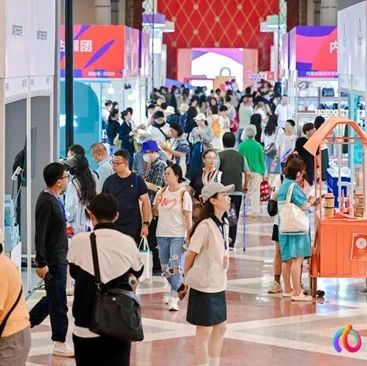
Core Viewpoint - The "2025 First Good Life Expo" aims to enhance consumer confidence and promote the globalization of Chinese brands through a comprehensive exhibition that integrates display, transaction, and communication [2][6]. Group 1: Event Overview - The expo covers an area of 15,000 square meters with six major exhibition halls and over 400 participating companies [2][23]. - Major e-commerce platforms such as Alibaba, JD.com, Pinduoduo, and Douyin e-commerce co-host the event, supported by various strategic partners and associations [2][6]. Group 2: Key Exhibitor Insights - Exhibitors shared their interpretations of "good life," emphasizing the importance of preserving traditional crafts and innovating within their industries [2][18][20]. - Notable speakers included Liu Fangxin from Tangshan Bone China, who highlighted the challenges faced by traditional industries, and Wang Yang from Meikosen Technology, who discussed the shift from manufacturing to innovation [18][19]. Group 3: Consumer Experience and Engagement - The expo features interactive sections, allowing consumers to engage with products and experience new consumption scenarios [23][24]. - Various sectors are represented, including specialty agricultural products, consumer electronics, beauty and personal care, and food and beverages [24][31]. Group 4: Technological Innovations - High-tech companies showcased cutting-edge products, such as humanoid robots and smart devices, enhancing the consumer experience [28][31]. - The event also included a focus on AI applications in agriculture, aiming to bring technological advancements to rural areas [22][20]. Group 5: Market Trends and Future Directions - The expo reflects a shift in consumer preferences towards smaller, more refined dining experiences, as noted by exhibitors like Ma Liu Ji [10][11]. - The emphasis on quality and innovation over quantity in restaurant expansion is a key takeaway from discussions with industry leaders [11][13].
科幻照进现实,产业落地加速
China Post Securities· 2025-06-24 11:16
Investment Rating - The industry investment rating is "Outperform the Market" and is maintained [1] Core Insights - The integration of multiple disciplines is leading to a technological explosion in brain-computer interface (BCI) systems, with China being a global leader in semi-invasive and non-invasive technologies [2][20] - The global BCI market is projected to grow from $2.62 billion in 2024 to approximately $12.4 billion by 2034, with a compound annual growth rate (CAGR) of 17.35% [2][45] - Various countries are accelerating their strategic layouts for BCI technology, with significant government support and policies in place to promote its development [2][40] Summary by Sections 1. Brain-Computer Interface: Multi-Disciplinary Integration and Technological Explosion - BCI systems involve a complex integration of neuroscience, signal processing, computer science, artificial intelligence, and electronic engineering [11] - BCI can be categorized into three types based on signal acquisition methods: invasive, semi-invasive, and non-invasive, with non-invasive methods being the mainstream choice due to their zero trauma and low cost [12][17] - The technology is in a rapid development phase, with significant advancements made since the concept was first introduced in the 1970s [18][20] 2. Accelerated Global Layout and Broad Commercial Applications - Countries like the US, EU, Japan, and South Korea are heavily investing in BCI technology, with the US committing $4.5 billion to its "Brain Initiative" [39][40] - China has also prioritized BCI in its national strategy, with various local governments implementing supportive policies to foster industry growth [41][42] - The BCI market is expected to see diverse applications, primarily in healthcare, but also in entertainment, smart homes, and military sectors [46][50] 3. Stock Selection and Industry Analysis - Key companies in the hardware sector include Hanwei Technology, Jiahe Intelligent, and Gaode Infrared, while application-focused companies include Zhongke Information, iFlytek, and Yingqu Technology [2] - The medical sector represents the largest share of BCI applications, with nearly 200 companies involved, of which 25% focus on invasive methods and 75% on non-invasive methods [50]
现场直击:机器人翻楼梯、飞行汽车将交付!消博会藏着多少科幻彩蛋?
Xin Lang Ke Ji· 2025-04-15 06:18
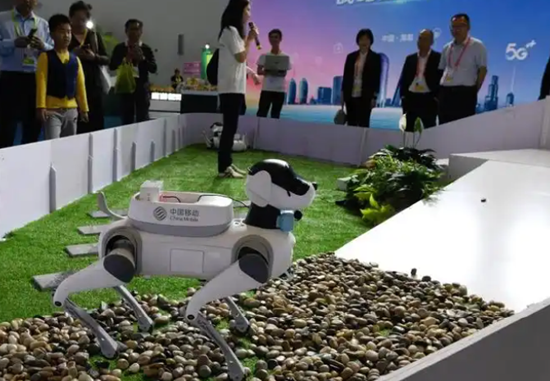
Group 1: Event Overview - The fifth China International Consumer Products Expo features over 1,700 consumer enterprises and more than 4,100 brands from 71 countries and regions, with eight major exhibition halls [3] - New exhibition areas for new consumer technology, artificial intelligence, and low-altitude economy have been established, focusing on cutting-edge technologies such as smart wearables, smart home devices, and intelligent connected vehicles [3] Group 2: Artificial Intelligence and Robotics - The AI exhibition area, particularly the robotics section, has become a focal point, attracting large crowds with demonstrations of various robotic capabilities [4] - China Mobile's quadruped robot, designed for companionship, features a display screen for dynamic expressions and a compartment for delivering medication, with a projected price of 20,000 to 30,000 yuan [5][7] - Strong Brain Technology showcased a bionic hand that can play the piano, integrating brain-computer interface technology and AI algorithms for rehabilitation purposes [7] Group 3: Automotive Innovations - The "vehicle-road-cloud integration" technology in the automotive sector has shown promising results, with real-time interaction between autonomous vehicles and cloud platforms being piloted in Hainan Province [8][10] - The AI smart intersection technology enhances vehicle adaptability and reduces traffic accidents, with a system latency of less than 0.1 seconds [10] - Consumer interest in automotive intelligence has significantly increased, with many attendees prioritizing advanced driving assistance systems [10] Group 4: Low-altitude Economy - The low-altitude economy has been highlighted as a significant topic, with flying cars expected to be delivered next year, primarily for scenic tourism applications [12][14] - Companies like EHang are collaborating with tourism firms to pilot island sightseeing routes, indicating a shift from professional to consumer applications in the low-altitude sector [14][16] Group 5: Globalization of Chinese Brands - Moutai Group reported overseas revenue exceeding 5.189 billion yuan in 2024, a year-on-year increase of 19.27%, emphasizing the importance of internationalization for consumer brands [16][18] - Luckin Coffee is expanding its international presence, with significant growth in Singapore and plans to enter other global markets [20] - The expo reflects China's openness and the clear path for Chinese brands to globalize, showcasing a blend of advanced technology and consumer goods [22]