
制鞋业

Search documents
我国牵头制定 全球首项鞋类有机溶剂测定ISO国际标准发布
Zhong Guo Xin Wen Wang· 2025-08-04 06:21
Core Viewpoint - The global first ISO standard for the detection of organic solvent residues in footwear has been officially released, led by China, addressing a significant global issue in the footwear industry [1] Group 1: Standard Development - The new international standard utilizes advanced gas chromatography-mass spectrometry technology, innovatively solving the limitations of traditional detection methods which could only test a limited number of substances at once [1] - The standard allows for the simultaneous detection of residues from 15 common toxic organic solvents, including formamide, N-methylacetamide, 1-methyl-2-pyrrolidone, and ethylene glycol ethers and derivatives, significantly enhancing detection capabilities [1] - Compared to traditional methods that could only detect 4 to 6 substances at a time, the new standard increases the detection variety by three times, achieving a 3 to 5 times improvement in detection efficiency while ensuring high precision [1] Group 2: International Collaboration and Impact - Experts from multiple countries, including China, Germany, France, Spain, and Italy, contributed to the development of this standard, promoting alignment with international regulations [1] - The implementation of this standard is expected to save compliance costs for global footwear export enterprises and lead to a healthier upgrade of the global footwear industry [1]
我国牵头制定的全球首项鞋类有机溶剂测定国际标准发布
Xin Hua Cai Jing· 2025-08-04 05:39
标准研制过程中,来自中国、德国、法国、西班牙、意大利等多国专家积极贡献智慧,推动该标准与国 际法规协同,为全球鞋类出口企业节省更多合规成本,引领全球鞋类行业健康升级。 该项国际标准针对鞋类有机溶剂残留检测这一全球重要课题,依托先进的气相色谱—质谱联用核心技 术,创新性地解决了传统检测方法单次检测物质种类有限、操作繁杂的痛点,可同时对甲酰胺、N—甲 基乙酰胺、1—甲基—2—吡咯烷酮、乙二醇醚及衍生物等15种常见有毒有机溶剂的残留进行精准检测。 相较传统方法单次仅能检测4~6种的局限,检测覆盖种类提升3倍,在保障高精准度的基础上,检测效 率实现3~5倍的大幅提升,为鞋类有机溶剂残留检测构建起覆盖全面、精准高效的技术优势体系。 (文章来源:新华财经) 新华财经北京8月4日电 日前,由我国牵头制定的全球首项鞋类有机溶剂测定ISO国际标准正式发布。 ...
我国牵头国际标准为全球鞋类安全注入新动能
Zheng Quan Shi Bao Wang· 2025-08-04 02:39
Core Viewpoint - The global first ISO international standard for the detection of organic solvent residues in footwear has been officially released, led by China, addressing a significant global issue in the footwear industry [1] Group 1: Standard Overview - The new international standard focuses on the detection of organic solvent residues in footwear, utilizing advanced gas chromatography-mass spectrometry technology [1] - It innovatively resolves the limitations of traditional detection methods, which could only test a limited number of substances at once [1] Group 2: Technical Advancements - The new method can accurately detect residues of 15 common toxic organic solvents, including formamide, N-methylacetamide, 1-methyl-2-pyrrolidone, and ethylene glycol ethers and their derivatives [1] - Compared to traditional methods that could only test 4 to 6 substances at a time, the new standard increases the detection variety by three times, significantly enhancing the efficiency of testing by 3 to 5 times while maintaining high accuracy [1]
我国牵头制定 全球首项鞋类有机溶剂测定国际标准发布
news flash· 2025-08-04 02:32
从国家标准委了解到,由我国牵头制定的全球首项鞋类有机溶剂测定国际标准近日正式发布。该项国际 标准针对鞋类有机溶剂残留检测这一全球重要课题,依托先进的气相色谱-质谱联用核心技术,创新性 地解决了传统检测方法单次检测物质种类有限、操作繁杂的痛点,可同时对甲酰胺、N-甲基乙酰胺、1- 甲基-2-吡咯烷酮、乙二醇醚及衍生物等15种常见有毒有机溶剂的残留进行精准检测。相较传统方法单 次仅能检测4到6种的局限,检测覆盖种类提升3倍,在保障高精准度的基础上,检测效率实现3到5倍的 大幅提升,为鞋类有机溶剂残留检测构建起覆盖全面、精准高效的技术优势体系。标准研制过程中,来 自中国、德国、法国、西班牙、意大利等多国专家积极贡献智慧,推动该标准与国际法规协同,为全球 鞋类出口企业节省更多合规成本,引领全球鞋类行业健康升级。(央视新闻) ...
关税谈判反复拉锯,风波里的外贸企业何去何从?内外两条“腿”走路能否更快
Si Chuan Ri Bao· 2025-08-01 02:52
Group 1 - The core viewpoint is that U.S. clients are prioritizing shifting production locations, leading to limited order increases for Chinese suppliers unless there is a capacity shortage [1] - The recent U.S.-China trade talks resulted in a consensus to extend the suspension of tariffs for 90 days, but the trade landscape has changed, and future tariff policies remain uncertain [1][10] - The Chinese government is emphasizing the integration of domestic and foreign trade, aiming to cultivate high-quality enterprises in both sectors [1][9] Group 2 - In response to U.S. tariffs, many Chinese companies have begun to explore non-U.S. markets while also focusing on the domestic market to facilitate a dual circulation economy [2] - In April, various domestic retailers and associations initiated activities to help foreign trade companies access domestic sales channels, creating green channels for these businesses [2][3] - Some companies have successfully transitioned to domestic sales, with significant sales increases reported in the months following the tariff announcements [3][4] Group 3 - Despite initial success in domestic sales, many foreign trade companies are experiencing a decline in domestic orders, with a reported drop of over 50% compared to earlier months [4][5] - Companies face challenges in establishing effective domestic market channels, which complicates their ability to transition from foreign to domestic sales [4][6] - The difficulty of operating in both foreign and domestic markets requires enhanced capabilities and resources from companies [6][7] Group 4 - The integration of domestic and foreign trade is not a new concept, as the Chinese government has previously encouraged this transition during economic downturns [9] - The ongoing U.S.-China tariff negotiations are expected to create further uncertainties for import and export activities [10] - Companies are advised to focus on building core competitive advantages and adapting their strategies to navigate the evolving market landscape [10][11]
红蜻蜓(603116)7月29日主力资金净流入2105.41万元
Sou Hu Cai Jing· 2025-07-29 11:23
金融界消息 截至2025年7月29日收盘,红蜻蜓(603116)报收于6.99元,上涨1.45%,换手率5.16%,成 交量29.73万手,成交金额2.07亿元。 资金流向方面,今日主力资金净流入2105.41万元,占比成交额10.19%。其中,超大单净流入935.47万 元、占成交额4.53%,大单净流入1169.94万元、占成交额5.67%,中单净流出流入19.29万元、占成交额 0.09%,小单净流出2124.70万元、占成交额10.29%。 来源:金融界 红蜻蜓最新一期业绩显示,截至2025一季报,公司营业总收入5.62亿元、同比减少6.36%,归属净利润 406.29万元,同比减少81.19%,扣非净利润110.32万元,同比减少94.52%,流动比率2.846、速动比率 2.291、资产负债率23.70%。 天眼查商业履历信息显示,浙江红蜻蜓鞋业股份有限公司,成立于2007年,位于温州市,是一家以从事 皮革、毛皮、羽毛及其制品和制鞋业为主的企业。企业注册资本57620.08万人民币,实缴资本57620.08 万人民币。公司法定代表人为钱金波。 通过天眼查大数据分析,浙江红蜻蜓鞋业股份有限公司共对外 ...

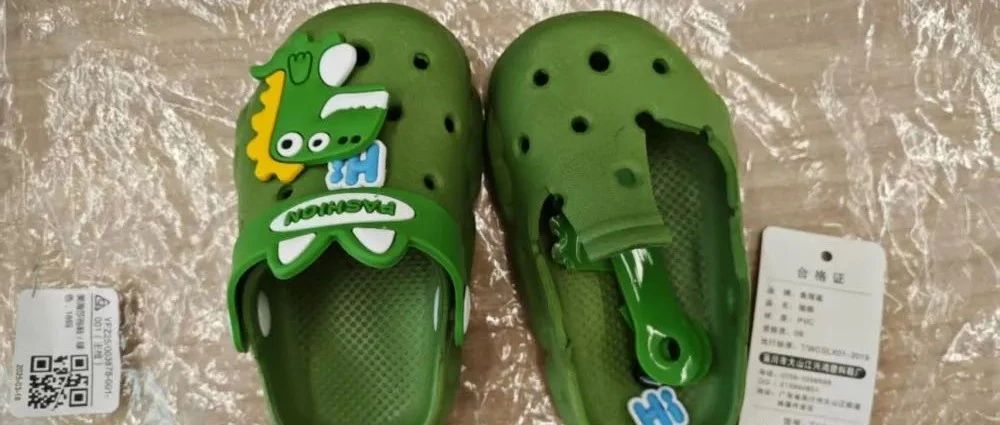
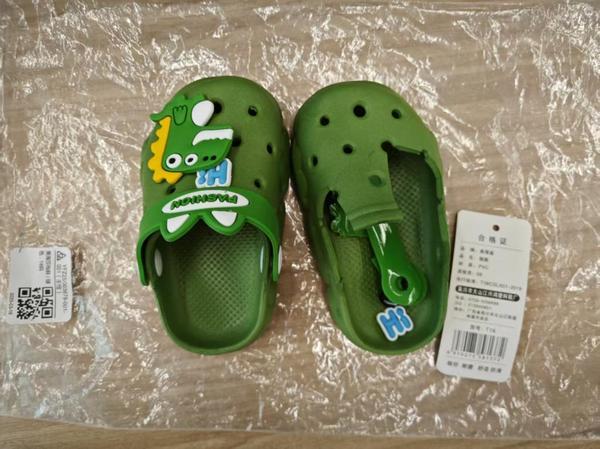
增塑剂超标“问题童鞋”,被严查!
新华网财经· 2025-07-26 01:58
Core Viewpoint - The article highlights the serious issue of excessive phthalate plasticizers in children's shoes, particularly in low-cost products sold on e-commerce platforms, raising concerns about child safety and regulatory oversight [1][2][4]. Group 1: Investigation Findings - A survey conducted by the Shenzhen Zero Waste Environmental Public Welfare Development Center found that 50% of the 50 sampled PVC children's sandals exceeded phthalate limits, with an average excess of 365 times and a maximum of 509 times [5]. - A specific model, the "T16" children's shoe, was found to contain 38.016% phthalate, significantly exceeding the national standard limit of 0.1% by approximately 380 times [5][6]. - Many of the non-compliant products were sold by a trading company that continued to sell outdated stock, highlighting a gap in product recall and market regulation [6]. Group 2: Regulatory Actions - The implementation of the mandatory national standard "Children's Shoe Safety Technical Specification" (GB 30585—2024) on June 1, 2023, has tightened regulations on phthalate content, changing the limit from not exceeding 0.1% to less than 0.1% [7]. - Regulatory bodies are increasing inspection frequency and scope, conducting special rectification efforts, and enforcing strict compliance to enhance quality safety awareness among manufacturers [16]. Group 3: Market Dynamics - The average price of compliant samples was 37 yuan, while non-compliant samples averaged 16 yuan, indicating a significant price disparity that incentivizes manufacturers to cut costs by using cheaper, harmful materials [10]. - Many manufacturers opt for phthalate plasticizers due to their lower cost compared to environmentally friendly alternatives, which can increase production costs by approximately 0.3 yuan per pair [10][9]. Group 4: E-commerce Platform Responsibilities - E-commerce platforms are legally obligated to ensure the quality and safety of products sold, but many sellers exploit loopholes by submitting false compliance reports [11][12]. - A significant portion of non-compliant products (80%) lacked proper labeling, which complicates regulatory oversight and allows substandard products to enter the market [12]. Group 5: Consumer Awareness and Recommendations - Consumers are advised to be cautious of children's plastic shoes priced below 11 yuan for EVA material and 7 yuan for PVC material, as these prices may indicate compromised quality [18]. - It is recommended that consumers choose reputable sellers and request inspection reports to safeguard against purchasing non-compliant products [18].

增塑剂超标“问题童鞋”被严查,如何全链条筑牢安全防线?
Xin Hua She· 2025-07-25 08:18
Core Viewpoint - The investigation reveals that many low-priced children's plastic sandals sold on e-commerce platforms contain excessive levels of phthalates, posing health risks to children [1][2][5]. Group 1: Investigation Findings - A study conducted by the Shenzhen Zero Waste Environmental Public Welfare Development Center found that 50% of the sampled PVC children's sandals exceeded phthalate limits, with an average excess of 365 times and a maximum of 509 times [2][3]. - Random purchases of children's shoes revealed that one model had a phthalate content of 38.016%, far exceeding the national standard limit of 0.1%, indicating a violation of safety regulations [3][5]. - The market supervision department has taken action against non-compliant products, including product recalls and inspections of manufacturers [3][12]. Group 2: Health Risks - Phthalates are known to disrupt endocrine functions, potentially leading to early sexual development in girls and impaired testicular function in boys [5][6]. - The presence of phthalates in children's products is a recurring issue, with previous recalls and reports indicating similar problems in other brands [5][6]. Group 3: Regulatory Actions - A new mandatory national standard for children's shoes (GB 30585—2024) has been implemented to tighten regulations on phthalate content, reducing the acceptable limit from 0.1% to less than 0.1% [5][10]. - The market supervision authorities are enhancing their inspection frequency and scope to improve product safety awareness among manufacturers [12][13]. Group 4: E-commerce Platform Responsibilities - E-commerce platforms are legally obligated to ensure the quality and safety of products sold, but many sellers exploit loopholes by submitting false compliance reports [9][13]. - A significant portion of the non-compliant products lacks proper labeling, making it easier for substandard items to enter the market [9][13]. Group 5: Consumer Guidance - Consumers are advised to be cautious of children's plastic sandals priced below certain thresholds, as these may indicate compromised quality and safety [12][14]. - Recommendations include purchasing from reputable sellers and ensuring products have complete labeling and certification [14].
广东博罗四会惠东跻身全国百强县,县域经济迈向“千亿时代”
2 1 Shi Ji Jing Ji Bao Dao· 2025-07-23 09:37
Core Insights - The 2025 County Economic Innovation Development Forum highlighted the significant role of the top 100 counties in China's economic landscape, with Guangdong's counties showing remarkable growth and vitality [1][4][6] - The number of billion-yuan counties in Guangdong is set to increase to 62 by 2024, indicating a shift towards a "billion-yuan era" in county economies [2][4] Economic Performance - Bo Luo County's GDP reached 95.22 billion yuan in 2024, positioning it close to becoming Guangdong's first billion-yuan county [2][4] - Si Hui City is leveraging its electric vehicle industry, attracting 109 enterprises and generating an industrial cluster output value of 51.95 billion yuan [2][4] - Hui Dong County, known for its women's shoe production, achieved a GDP of 82.851 billion yuan in 2024, marking its entry into the top 100 counties [2][3] Industrial Development - The "Hundred Million Project" has been pivotal in transforming Guangdong's county economies, with 57 counties experiencing GDP growth rates surpassing the provincial average for two consecutive years [4][5] - The counties are focusing on unique industrial clusters, with Bo Luo excelling in electronic information, Si Hui in advanced manufacturing, and Hui Dong in green energy and fashion footwear [4][5] Infrastructure and Policy Initiatives - Guangdong has established 64 provincial industrial parks and 13 provincial characteristic industrial parks, facilitating over 1,620 industrial transfer projects with a total planned investment exceeding 580 billion yuan [5] - The counties are enhancing their infrastructure and public services, with Bo Luo integrating into the Shenzhen metropolitan area and Si Hui developing quality education and healthcare access [5][6] Collaborative Mechanisms - The province has innovated a "horizontal cooperation + vertical linkage" mechanism to enhance industrial support, exemplified by partnerships between Shenzhen and Bo Luo [5][6] - The ongoing implementation of the "Hundred Million Project" aims to optimize the business environment and strengthen the support mechanisms for county economic development [5][6]
【私募调研记录】高毅资产调研华利集团
Zheng Quan Zhi Xing· 2025-07-21 00:08
Group 1 - The core viewpoint of the article highlights that Gao Yi Asset recently conducted research on a listed company, Huali Group, focusing on its operations and market conditions amid changing U.S. tariffs on Vietnam and Indonesia [1] - Huali Group is closely monitoring the U.S. tariff policies and maintaining communication with clients, with second-quarter orders fully booked and most clients not adjusting shipment plans [1] - The company sources over 50% of its raw materials for its Vietnam factory locally, with approximately 30% coming from mainland China, and the U.S. market accounts for about 40% of its sales revenue [1] Group 2 - The company expects its gross margin to be impacted in the first quarter of 2025 due to the initial phase of new factory operations, but operational efficiency is anticipated to improve as employee proficiency increases [1] - Huali Group employs a multi-client model and possesses strong shoe manufacturing technology and production capabilities, indicating a robust overall performance [1] - The company plans to maintain an active capacity expansion strategy with annual capital expenditures of approximately 1.1 to 1.7 billion RMB, while also emphasizing shareholder returns through dividends after meeting capital and operational funding needs [1]