
食品业

Search documents
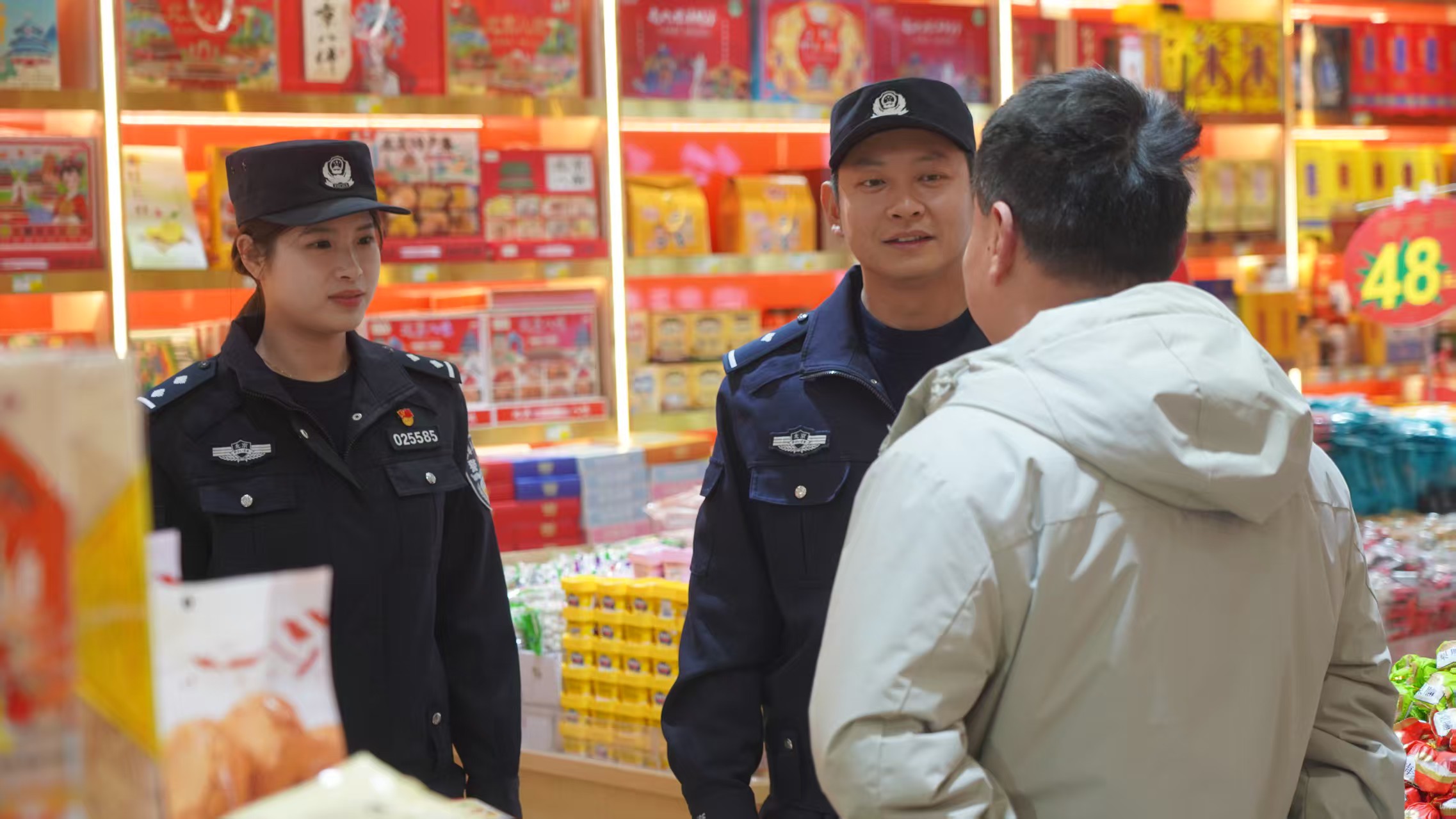
北京警方聚焦旅游市场和食品安全 全力守护市民群众安心过年
Yang Shi Wang· 2026-02-15 00:45
Group 1 - The core focus of Beijing police is to ensure a safe and orderly tourism market during the Spring Festival, emphasizing the importance of food safety and public order [2] - A collaborative enforcement mechanism involving police and various administrative departments has been established to conduct joint inspections at key tourist sites and address potential issues [3][4] - Over 5,000 activities, including traditional temple fairs and cultural events, are being monitored to maintain order and enhance visitor experience at major attractions [3] Group 2 - The police have intensified efforts against illegal "one-day tours" and related violations, resulting in over 30 arrests to protect tourists' rights [3][4] - A proactive approach to food safety has been implemented, with increased inspections and monitoring of markets, leading to the detention of over 30 individuals involved in counterfeit alcohol sales [5] - The police have seized more than 1,200 bottles of counterfeit liquor and 2,600 pieces of fake packaging materials to ensure consumer safety during the holiday season [5]

广货再闯上海滩,具有重要的风向标意义
Xin Lang Cai Jing· 2026-02-01 00:44
Core Viewpoint - The event "Guangdong Goods Go Global: Zhongshan Department Store Enters Shanghai" showcases nearly 800 high-quality products from around 300 Zhongshan enterprises, marking a significant step in the transformation and upgrading of the manufacturing industry and regional collaborative development [1][2]. Group 1: Event Overview - The event is not merely a product exhibition but a vital action to reconnect the historical commercial ties between Zhongshan and Shanghai, reflecting the evolution of modern retail in China [1]. - Zhongshan's participation in Shanghai represents a shift from "selling globally" to "manufacturing globally," highlighting the city's advancements in technology and intelligent manufacturing [1]. Group 2: Thematic Focus - The event features six thematic exhibition areas, showcasing a range of products from high-end manufacturing like robotics and home appliances to local delicacies, illustrating Zhongshan's diverse manufacturing capabilities [2]. - Zhongshan has developed a unique "Guangdong Goods" identity, supported by 18 provincial-level specialized towns that contribute to four trillion-level industrial clusters, indicating a clear path for the city to ascend the industrial chain [2]. Group 3: Regional Collaboration - The event signifies a deep collaboration between the Guangdong-Hong Kong-Macao Greater Bay Area and the Yangtze River Delta, two of China's most economically vibrant regions, aligning with national strategies to enhance domestic demand and market integration [2]. - The "Guangdong Goods Go Global" initiative aims to promote high-quality Guangdong products nationwide, facilitating a dual empowerment of market and manufacturing, and fostering deep integration of innovation and industrial chains [2]. Group 4: Future Outlook - The historical significance of this event is underscored by its potential to drive more "Guangdong Goods" into the global market, propelling Chinese manufacturing and brands towards high-quality development in a new blue ocean of opportunities [3][4].
在华四十余年 泰国正大集团不断加码投资——“深耕中国市场的决心从未改变”(见证·中国机遇)
Ren Min Ri Bao· 2026-01-28 22:07
Core Viewpoint - Charoen Pokphand Group (CP Group) has significantly contributed to China's economic development over the past 40 years, evolving from a small seed business to a major multinational corporation with extensive investments across various sectors in China [1][3][4]. Group 1: Company History and Development - CP Group was founded in 1921 by a Chinese immigrant, starting as a small seed shop in Bangkok, Thailand, and has since become one of the largest foreign investors in China [2][3]. - The company established its first modern feed factory in Shenzhen in 1979, marking its entry into the Chinese market [3]. - As of 2024, CP Group operates over 670 enterprises in China, employing more than 80,000 people and generating a total revenue of 208 billion RMB [3][4]. Group 2: Investment Strategy and Market Position - CP Group has maintained a strong commitment to investing in China, adapting to market changes and focusing on high-quality development opportunities [4][10]. - The company emphasizes a "three benefits" business philosophy, prioritizing benefits for the country, the people, and the enterprise [4]. - CP Group's investment strategy includes exploring new business models and expanding its product offerings to meet the evolving demands of Chinese consumers [5][10]. Group 3: Innovations and New Business Models - CP Group is leveraging technology in its operations, such as using smart robotics in egg production, which allows one person to manage 168,000 chickens [5]. - The company is diversifying its product range to include health-oriented options like DHA eggs and selenium-enriched eggs, responding to consumer trends [5][6]. - CP Group is also exploring industrial tourism by transforming its egg production facilities into educational and tourist attractions [5][6]. Group 4: Cultural and Economic Contributions - CP Group has invested in the Hainan coffee industry, revamping the "Sun River" coffee brand and establishing a cultural park that integrates tourism and coffee production [7][9]. - The company aims to enhance local economies by collaborating with farmers and local governments, creating job opportunities and promoting rural revitalization [6][9]. - CP Group's coffee products have gained international recognition, with exports to Australia underlining its commitment to expanding its global footprint [9].
本周启程!芬兰总理将率20余家企业高管访华
Huan Qiu Shi Bao· 2026-01-22 22:48
Group 1 - The Finnish Prime Minister Orpo will visit China from January 25 to 28, 2024, at the invitation of Chinese Premier Li Qiang, with discussions on bilateral relations and international issues [1][3] - The visit aims to enhance dialogue between Finland and China, focusing on bilateral cooperation, EU-China relations, and international hotspots like the Ukraine conflict [3] - Orpo emphasized the importance of dialogue with China on cooperation and challenges in trade, highlighting China as a significant export market for Finnish companies and the EU's second-largest trading partner [3] Group 2 - Over 20 executives from Finnish companies in sectors such as machinery, forestry, innovation, clean energy, and food will accompany Orpo during the visit [4] - The Chinese Ministry of Commerce is preparing for the sixth meeting of the China-Finland Innovation Enterprise Cooperation Committee, with around 50 companies registered to participate [4] - A memorandum of understanding will be signed to strengthen the cooperation committee, and multiple business cooperation agreements are expected to be signed during the visit [4]

“功夫见永春”时尚产业推介进京 非遗赋能产业签约落单
Xin Lang Cai Jing· 2026-01-17 13:36
Core Viewpoint - The "Kung Fu Meets Yongchun" fashion industry promotion event was launched in Beijing, aiming to showcase Yongchun's cultural and industrial integration, highlighting its unique development path of "cultural empowerment of industry and industry activation of culture" [1][3]. Group 1: Event Overview - The event was organized by the Fujian Provincial Government Office in Beijing in collaboration with the Yongchun County Committee and the Yongchun County People's Government [1]. - The event featured the launch of the "Kung Fu Yongchun" regional public brand and the Kuixing cultural IP image, which is rooted in the culture of Baihequan and aims to create a brand ecosystem driven by government guidance and market operations [3]. Group 2: Cultural and Industrial Integration - Yongchun County has transformed its industry from "traditional manufacturing" to "fashion creation," with various intangible cultural heritage products such as Yongchun incense, ceramics, and paper weaving gaining international recognition [3][5]. - The event included a fashion show themed "Yongchun Fragrance Aesthetic Matching," which infused cultural and fashion vitality into the atmosphere [5]. Group 3: Strategic Partnerships and Projects - A series of signing ceremonies took place, including a collaboration project between the China International Cultural Exchange Center and the Yongchun County Government aimed at promoting the international dissemination of Yongchun culture [5]. - The "China Fragrance Capital · Fashion Yongchun" industry development project was signed, covering key initiatives such as the Yongchun National Trend Harmony Fragrance Manufacturing Project and the OOTD·Agarwood Tea Fragrance R&D project, which will drive the transformation of the traditional fragrance industry towards branding and fashion [5]. Group 4: Cultural Promotion Activities - During the event, additional activities such as the promotion of Yongchun's "Kuixing Banquet" cuisine and intangible cultural heritage flash events in scenic areas were held, allowing urban residents to experience Yongchun's cultural charm up close [5].
2025年12月物价数据点评:多重因素共振,年末物价数据全面回升
Dong Fang Jin Cheng· 2026-01-09 05:59
Group 1: CPI Analysis - In December 2025, the CPI increased by 0.8% year-on-year, up from 0.7% in the previous month, marking the highest increase since August 2023[2] - The cumulative CPI for January to December 2025 was 0.0%, indicating a stagnation in price growth over the year[1] - The main drivers for the December CPI increase included rising vegetable and fruit prices due to adverse weather, consumer promotion policies boosting appliance and vehicle prices, and an increase in international gold prices[3] Group 2: PPI Analysis - The PPI in December 2025 decreased by 1.9% year-on-year, a slight improvement from a 2.2% decline in November, with a cumulative decline of 2.6% for the year[1] - The December PPI saw a month-on-month increase of 0.2%, marking the third consecutive month of rising prices[6] - Key factors contributing to the PPI changes included improved supply-demand dynamics in certain industries and rising prices in the non-ferrous metals sector, with specific increases of 3.7% and 2.8% in mining and refining respectively[7][8] Group 3: Economic Outlook - The overall economic environment in 2025 was characterized by weak demand and a "strong supply, weak demand" scenario, leading to a continued decline in PPI[10] - Looking ahead to January 2026, the CPI is expected to drop to around 0.2% year-on-year due to a higher base effect from the previous year and seasonal price fluctuations[5] - The forecast for 2026 indicates a continued low inflation environment, with an expected annual CPI of approximately 0.4%[5]
内蒙古将监管与技术帮扶深度融合筑牢产品质量安全底线
Xin Lang Cai Jing· 2025-12-26 06:42
Core Viewpoint - Inner Mongolia focuses on integrating regulatory measures with technical support to enhance product quality safety, addressing public concerns and ensuring a robust safety baseline for products [1] Group 1: Regulatory Measures and Actions - Inner Mongolia's market regulatory authority has conducted over 45,400 inspections of key industrial product production and sales units, implementing more than 15,900 product quality supervision checks, and identifying 225 quality risk issues [1] - The authority has transitioned to a proactive "prevention-first" model for product quality risk management, establishing a risk monitoring system that includes daily monitoring, weekly analysis, and monthly assessments [2] - A total of 45,000 risk information entries have been monitored, with 1,000 batches subjected to risk monitoring checks, leading to 132 risk alerts [2] Group 2: Quality Improvement Initiatives - The authority has achieved a historic breakthrough in quality traceability management, guiding 274 companies to implement source coding for 1,249 products, and assisting 113 companies in establishing traceability systems covering 44,300 cubic meters of products [2] - The "You Point, I Help" service has been launched, providing targeted assistance to nearly 4,000 businesses in understanding new standards and risk management [3] - The authority has conducted 157 quality consultations, assisting 2,296 businesses and resolving 258 quality-related issues, which has directly contributed to an increase in industrial output value of approximately 332 million [3] Group 3: Focus on Children's Products - The authority has organized free inspections of over 8,000 batches of school uniform samples, reducing the non-compliance rate from 10.6% to 7.9% [4] - Specific support has been provided to companies like Inner Mongolia Luwang Cashmere Co., which developed new technologies, resulting in over 15,000 new orders [4] - The authority has facilitated significant growth in online sales for companies, with one reporting a year-on-year increase of over 50% [4] Group 4: Regional Regulatory Practices - Various cities in Inner Mongolia have implemented unique regulatory practices, such as focusing on children's product safety and enhancing oversight of online platforms [5] - Baotou has conducted comprehensive inspections of electric bicycle sales and repair units, effectively eliminating the sale of non-compliant bicycles [5] - Tongliao has improved the compliance rate of agricultural products, achieving a 100% compliance rate for agricultural film products [5]
南非11月生产者价格指数维持在2.9%不变
Zhong Guo Xin Wen Wang· 2025-12-18 17:08
Core Viewpoint - The Producer Price Index (PPI) in South Africa remained stable at 2.9% year-on-year in November, indicating a steady inflation rate in the production sector, which is a key indicator for consumer inflation and economic conditions [1] Group 1: PPI Data - The PPI for the electricity and water sector increased by 15.3% year-on-year in November, down from 16.1% in October [1] - The mining sector's PPI rose from 18.4% in October to 19.9% in November [1] - The PPI data reflects the cost changes of goods before reaching consumers, serving as an important reference for monetary policy and business decisions [1] Group 2: Consumer Inflation - The consumer inflation rate in South Africa slowed to 3.5% year-on-year in November, down from 3.6% in October [1] - Nedbank's economic report anticipated a slight decrease in the PPI to 2.8% due to falling fuel costs [1] - The report highlighted that despite the expected decrease in PPI, both CPI and PPI may trend upwards in the coming months due to low base effects from the previous year [1] Group 3: Food Prices - The report indicated that food prices are expected to remain stable overall, with high meat prices being offset by price declines in other categories [1] - Favorable weather conditions, improved logistics, and stable electricity supply are contributing factors to the stabilization of prices in certain categories [1]
刘永好:以稳就业筑牢根基,在转型中激发民营经济新动能
Zhong Guo Neng Yuan Wang· 2025-12-17 09:17
Core Insights - The article discusses the transformation challenges faced by traditional industries in China as the economy shifts from high-speed growth to high-quality development, emphasizing the need for innovation and adaptation in the face of new opportunities and pressures [1][2]. Group 1: Economic Environment - The current economic environment in China is characterized by structural adjustments, with traditional industries facing significant pressures such as rising costs and changing demand, while new technologies like artificial intelligence are emerging as strong growth drivers [2]. - The development environment for the private economy is summarized as "timing, location, and harmony," highlighting government support, technological advancements, and the entrepreneurial spirit cultivated over 40 years of reform [2]. Group 2: Employment and Innovation - Employment stability is identified as a key macroeconomic task, with a focus on maintaining traditional jobs, expanding new types of employment driven by new productivity, and revitalizing flexible employment through supportive policies [3]. - Innovation is emphasized as essential for all enterprises, including traditional ones, with New Hope Group integrating AI and automation into agriculture and food production to enhance efficiency and quality [3]. Group 3: Internationalization and Social Responsibility - New Hope Group has been expanding internationally for 30 years, establishing factories and employing local workers in various countries, promoting a win-win development model that enhances its international competitiveness and improves the image of Chinese enterprises [4]. - The company actively engages in social responsibility initiatives, contributing to national strategies through projects that promote employment and development, reflecting its commitment to giving back to society [4].


11月北京工业生产者出厂价格同比下降1.3%
Bei Jing Shang Bao· 2025-12-11 02:33
Core Insights - In November, Beijing's industrial producer prices decreased by 1.3% year-on-year and 0.2% month-on-month, while the purchasing prices fell by 1.7% year-on-year and 0.1% month-on-month [1][2] Group 1: Year-on-Year Analysis - Among the 34 industrial sectors surveyed, 11 sectors saw an increase in producer prices, 20 sectors experienced a decline, and 3 sectors remained unchanged [1] - The producer prices for production materials decreased by 0.4% year-on-year, with processing materials down by 0.8% and raw materials down by 0.1%, while extraction materials increased by 0.7% [1] - The producer prices for living materials fell by 3.2% year-on-year, with durable consumer goods down by 5.8%, food down by 1.6%, and clothing down by 1.3%, while general daily necessities increased by 3.0% [1] - In the purchasing prices, agricultural and sideline products dropped by 11.1%, black metal materials decreased by 6.2%, and construction materials and non-metallic products fell by 4.5% [1] Group 2: Month-on-Month Analysis - In November, 15 sectors reported an increase in producer prices month-on-month, while 11 sectors saw a decrease and 8 sectors remained stable [2] - The producer prices for production materials increased by 0.2% month-on-month, with extraction materials up by 2.8% and processing materials up by 0.3%, while raw materials decreased by 0.1% [2] - The producer prices for living materials decreased by 0.9% month-on-month, with durable consumer goods down by 1.6% and clothing down by 0.1%, while food prices increased by 0.3% [2] - In purchasing prices, chemical raw materials fell by 0.8%, while both black metal materials and agricultural products decreased by 0.6% [2]