Toys

Search documents
Spin Master's Viral Primal Hatch™ Jurassic World T.REX Hits Shelves, Feeding Dinosaur Fervour
Prnewswire· 2025-09-15 12:30
Core Insights - Spin Master Corp. has launched the Primal Hatch Jurassic World T. REX toy, which is now available at major US retailers, tapping into the popularity of the Jurassic World franchise [1][2] - The toy allows children to hatch and interact with a baby T. REX, enhancing the play experience through training and personality development [2][3] - The suggested retail price for the Primal Hatch T. REX is $65.99 USD, and it has already gained significant attention online, including over 4 million views on TikTok [3][4] Product Details - The Primal Hatch toy features an egg that children can tap to initiate the hatching process, resulting in a lifelike experience as the T. REX emerges [2][3] - Once hatched, the T. REX can be trained and interacted with, allowing it to evolve into either a fierce predator or a friendly companion based on the child's actions [2][3] - The toy has been recognized as a 1 Best Seller on Amazon in the Kids' Play Dinosaur category and has received several international awards [3] Company Background - Spin Master Corp. is a leading global children's entertainment company known for creating exceptional play experiences across toys, entertainment, and digital games [5] - The company has a diverse portfolio of award-winning brands and engages 60 million active users monthly through its digital games [5] - Spin Master operates 29 offices in nearly 20 countries and employs over 2,500 team members globally [5] Franchise Context - The Jurassic World franchise, created by Universal Pictures and Amblin Entertainment, is a $6 billion film series that captivates audiences with its themes of coexistence between dinosaurs and humans [4] - The franchise extends beyond films, offering a larger-than-life experience that includes various products and attractions [4]

Pop Mart Founder Wang Ning's Net Worth Drops $6 Billion As Labubu Demand Cools
Forbes· 2025-09-15 09:05
Core Insights - Pop Mart International Group's Labubu doll series is experiencing declining popularity in mainland China, leading to a significant drop in the net worth of its founder, Wang Ning, by nearly $6 billion in less than a month [1][2]. Company Performance - Wang Ning's current net worth stands at $21.6 billion, down from $27.5 billion in late August, reflecting a shift in market sentiment and consumer interest [2]. - Pop Mart's shares have fallen over 20% since the release of the Labubu 4.0 series on August 28, which retails for 79 yuan ($11) each [3][5]. - The transaction price for the latest Labubus has decreased by 14.3% to 150 yuan each post-release, raising concerns about demand and growth outlook [4]. Investor Sentiment - Investor sentiment has been negatively impacted by JPMorgan Chase's downgrade of Pop Mart's stock to neutral, citing declining product popularity, which resulted in a 6.4% drop in share price [5]. - A spokesperson from Pop Mart attributed the price decline in resale markets to increased production aimed at meeting consumer demand, suggesting that greater accessibility may have influenced pricing [6]. Future Outlook - Despite recent setbacks, Pop Mart's stock is still up over 180% year-to-date, although growth may slow down in 2026 due to a high base effect [7]. - Wang Ning had previously forecasted that Pop Mart could achieve 30 billion yuan in sales for the year, following a nearly 400% rise in profit in the first half of the year [7].


Pop Mart Founder Wang Ning’s Net Worth Drops $6 Billion As Labubu Demand Cools
Forbes· 2025-09-15 08:41
Core Insights - The founder of Pop Mart International Group, Wang Ning, has experienced a significant decline in net worth, dropping nearly $6 billion in less than a month due to waning interest in the Labubu doll series in mainland China [1][2] Company Performance - Wang Ning's current net worth stands at $21.6 billion, down from $27.5 billion in late August, reflecting a shift in his ranking among China's wealthiest individuals [2] - Pop Mart's shares have fallen over 20% since the release of the Labubu 4.0 series on August 28, which retails for 79 yuan ($11) each [3] - The transaction price for the latest Labubus has decreased by 14.3% to 150 yuan each following the product's launch, raising concerns about demand and growth outlook [4] Investor Sentiment - Investor sentiment has been negatively impacted by JPMorgan Chase's downgrade of Pop Mart's stock to neutral, citing declining product popularity, leading to a 6.4% drop in share price [5] - A spokesperson for Pop Mart attributed the declining resale prices to increased production aimed at meeting consumer demand, suggesting that greater accessibility has contributed to the price drop [6] Future Outlook - Despite recent setbacks, Pop Mart's stock is still up over 180% year-to-date, although growth may slow down in 2026 due to a high base effect [7] - Wang Ning had previously forecasted that Pop Mart could achieve 30 billion yuan in sales for the year, following impressive first-half results with nearly a 400% profit increase driven by Labubu's popularity [7]

X @Bloomberg
Bloomberg· 2025-09-15 02:38
Shares of toymaker Pop Mart slump the most since April on Monday after JPMorgan downgraded the stock citing a lack of catalysts and an unattractive valuation https://t.co/5oH9AkxItn ...
汕尾市生栈科技有限公司成立 注册资本2万人民币
Sou Hu Cai Jing· 2025-09-13 06:51
Group 1 - A new company named Shanwei Shengzhan Technology Co., Ltd. has been established with a registered capital of 20,000 RMB [1] - The legal representative of the company is Zeng Qingjiang [1] - The business scope includes technology services, development, consulting, and various sales related to automotive parts, toys, and mother-baby products [1] Group 2 - The company is authorized to conduct business activities independently based on its business license, except for projects that require approval [1]
养「AI宠物」一个月,我发现这门生意充满泡沫
创业邦· 2025-09-13 03:11
Core Viewpoint - The AI toy market is rapidly growing, with expectations for the market size in China to exceed 10 billion yuan annually, and potentially surpass 100 billion yuan by 2030, with a compound annual growth rate (CAGR) exceeding 70% [6][8]. Group 1: Market Dynamics - A number of companies, including Ropet, Haivivi, and Qidian Lingzhi, have recently secured new rounds of financing, indicating a surge in interest and investment in AI toys [6]. - The AI toy market is characterized by a diverse range of products aimed at different demographics, with a common theme of "companionship" [8][10]. - The early users of AI toys are primarily young parents, single youths, trend enthusiasts, and students, predominantly from Generation Z [15]. Group 2: User Experience and Expectations - Users report that while AI toys provide emotional support, they often fall short in delivering a true sense of companionship [15][20]. - The AI toy experience is often compared to traditional toys, with users noting that current AI toys tend to have similar functionalities and designs, leading to limited engagement over time [15][16]. - Emotional value is a significant factor driving purchases, but safety and adaptability for different age groups are also critical considerations for parents [15][16]. Group 3: Competitive Landscape - The AI toy industry is experiencing intense competition, with nearly 100 companies currently operating in the space, leading to a crowded market with similar product offerings [22][20]. - Companies are faced with the challenge of meeting high user expectations while navigating a rapidly evolving supply chain and competitive environment [20][24]. - There are two distinct growth strategies emerging: one focusing on rapid product release and market penetration, while the other emphasizes a slower, more deliberate approach to product development and user feedback [23][24]. Group 4: Lessons from Competitors - The Japanese company GROOVE X, known for its LOVOT product, serves as a benchmark for domestic companies, emphasizing the importance of emotional engagement and unique positioning in the market [28][31]. - The success of brands like Pop Mart highlights the potential for IP and brand strength to become key competitive advantages in the AI toy sector [32]. - The AI toy market is still in its early stages, with significant room for growth and development, particularly in achieving higher levels of user engagement and satisfaction [32][33].
知名玩偶品牌快闪店重返上海,入场券炒至500元!百元玩偶二手平台炒至千元
Bei Jing Shang Bao· 2025-09-12 07:22
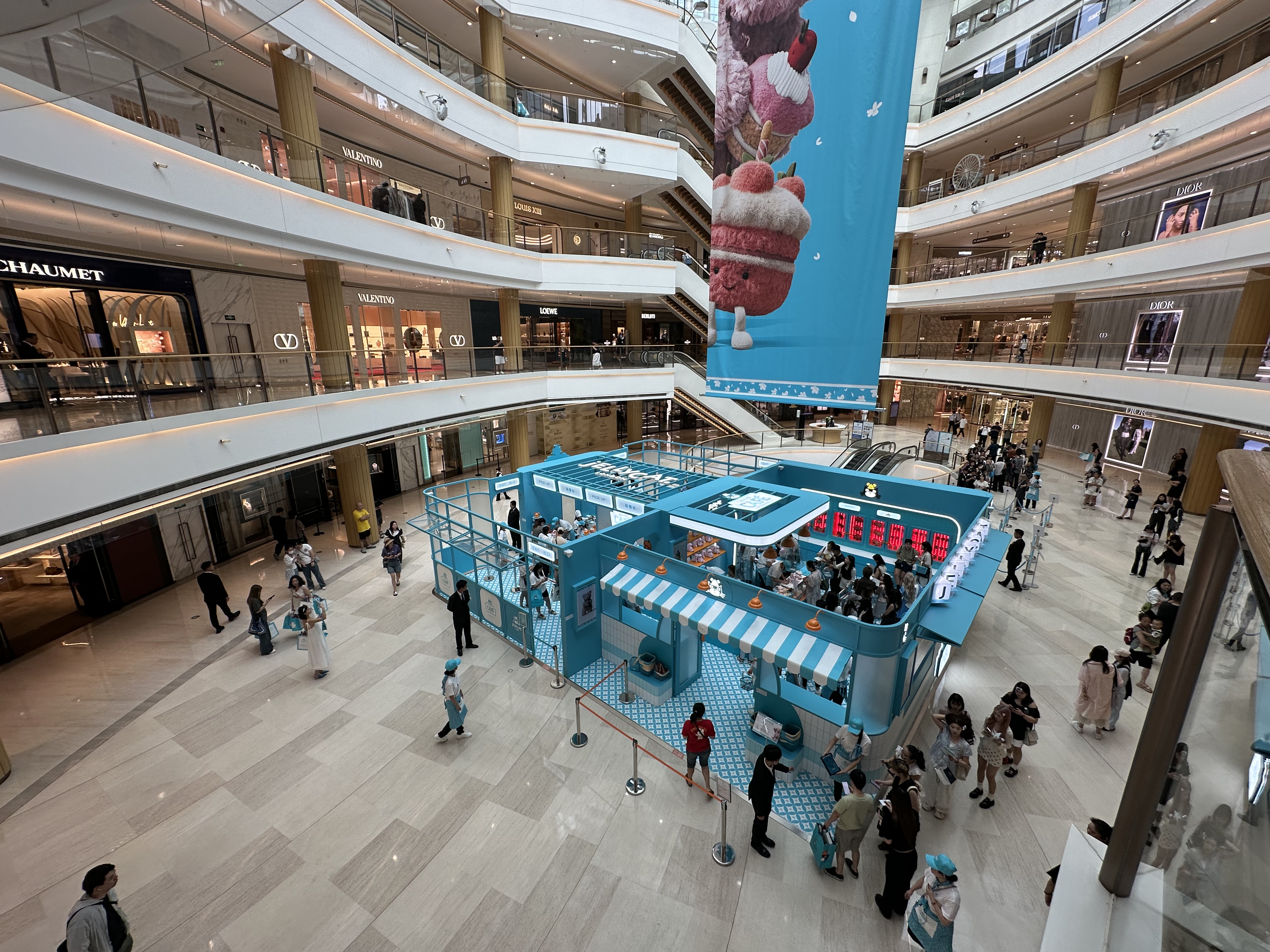
Core Insights - The return of Jellycat's pop-up store in Shanghai has sparked a new wave of consumer enthusiasm, particularly among young people, highlighting the brand's emotional connection with its audience [4][12] - The brand's pricing strategy positions its products as premium items, with plush toys generally priced above 100 yuan, and popular models ranging from 300 to 500 yuan, with some exceeding 1,000 yuan [4][14] - The phenomenon of "electronic scalpers" selling entry tickets and plush toys at marked-up prices indicates a high demand and scarcity for Jellycat products [3][10] Consumer Behavior - The interactive and theatrical service experience at the pop-up store has resonated with younger consumers, fulfilling their emotional needs and enhancing the shopping experience [6][12] - The store operates on a reservation system to control foot traffic, with limited shopping time for customers, making it challenging to secure entry [6][9] - Many consumers resort to purchasing entry tickets from scalpers, indicating the high demand and competitive nature of accessing the store [9][10] Market Performance - Jellycat, founded in 1999, initially targeted infants but has successfully transitioned to appeal to all age groups, significantly increasing its market presence [12][14] - The brand's revenue has seen substantial growth, achieving 200 million pounds (approximately 1.85 billion yuan) in the 2023 fiscal year, more than tripling since 2020 [14]
部分“秒空”!这种东西在昆明热销,399元及以上款式最受欢迎
Sou Hu Cai Jing· 2025-09-10 17:24
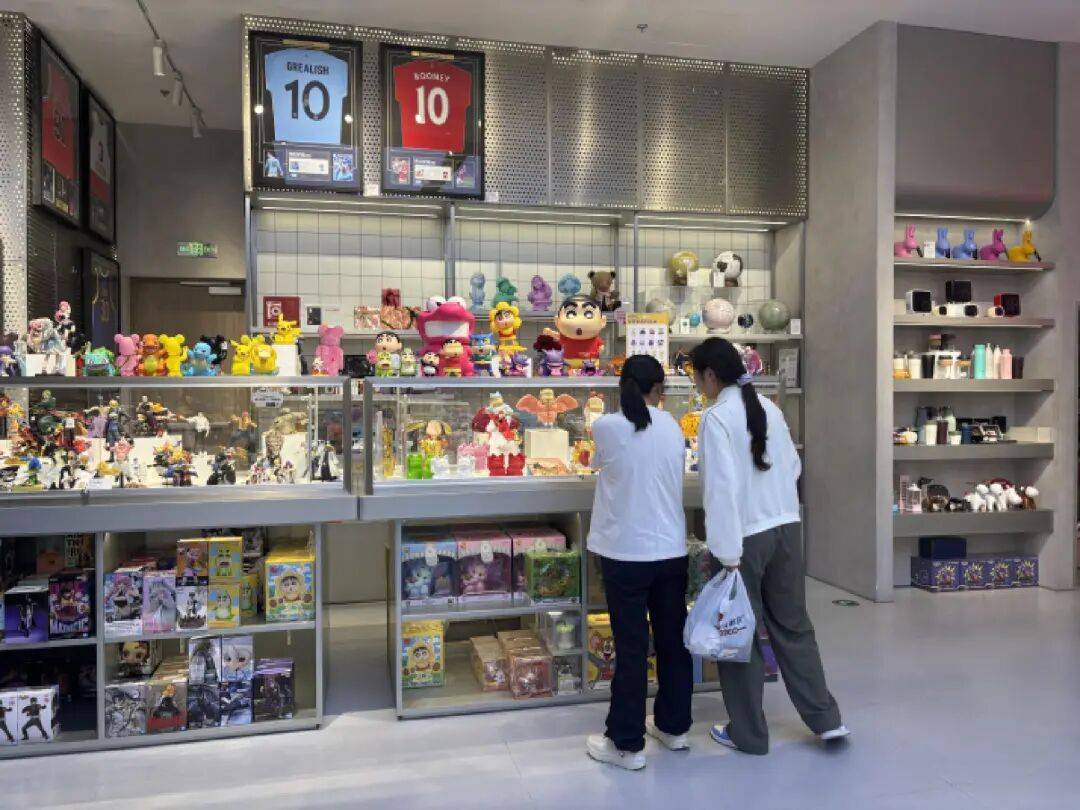
Core Insights - Jellycat, a plush toy brand from London, has created a consumer frenzy in multiple cities with its engaging packaging and interactive experiences, appealing to both adults and children [1] - The brand has seen significant popularity, leading to long queues for purchases and unique consumer behaviors such as naming the toys and creating stories around them [1] Consumer Demographics - The primary consumer demographic for Jellycat products is aged between 10 and 35 years [8] - In Kunming, local consumers account for 60% of sales, while 40% are tourists, indicating a diverse customer base [8][10] Product Offerings - Jellycat offers a wide range of plush toys, including themed items for holidays like Halloween, with prices ranging from 299 yuan to 339 yuan for limited edition products [4] - The average price of Jellycat products is above 200 yuan, with a focus on safety and comfort, appealing to a broad age range from infants to adults [11] Sales and Marketing Strategies - The brand adapts its product offerings based on seasonal demands and consumer trends, with a notable increase in wedding-related purchases post-October [6] - Stores frequently experience stock shortages due to high demand, with restocking occurring weekly [8] Unique Consumer Experience - Jellycat enhances the shopping experience through "emotional value services," such as personalized packaging and interactive in-store events, which have proven popular during holidays [19] - Custom embroidery services are available, allowing consumers to personalize their toys, further enhancing emotional attachment to the products [16] Additional Product Lines - Besides Jellycat, stores also feature other popular items, such as signed sports memorabilia and audio products, catering to various consumer interests [18]
400元一个的玩偶,正在成为成年人的“精神布洛芬”|乐言商业
Di Yi Cai Jing· 2025-09-06 03:49
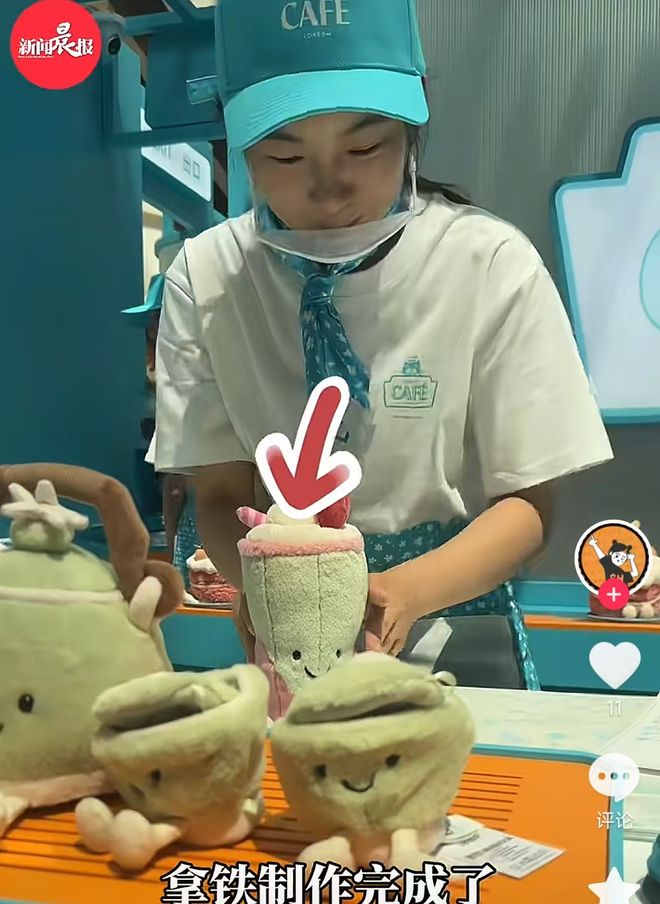
Core Viewpoint - The success of Jellycat's plush toys is attributed to the emotional value they provide, particularly through the immersive "play house" experience that resonates with adult consumers' desire to escape reality and fulfill their inner child [10][12]. Group 1: Product Offering - Jellycat offers a variety of plush toys, including common animal shapes and everyday objects, categorized into different series [4]. - The unique aspect of Jellycat's products is the incorporation of a "ceremonial" experience, such as the themed café where all toys resemble food items, enhancing the overall consumer experience [7]. Group 2: Consumer Engagement - The buying process at Jellycat includes interactive performances, such as candle lighting on plush cakes and tea preparation, creating a sense of ritual that appeals to consumers' nostalgia and emotional needs [10]. - Consumers perceive Jellycat toys not merely as playthings but as "children" that they care for, fulfilling a sense of purpose and control in their lives [11]. Group 3: Market Performance - During the 2023 "Double 11" shopping festival, Jellycat's sales surpassed Disney, establishing it as a leader in the plush fabric category, with an average transaction price of 465 yuan [12]. - In March 2024, data from Tmall indicated that products priced above 400 yuan accounted for 14.1% of sales, with Jellycat's "Pirate Dog" plush toy achieving a remarkable average transaction price of 2759 yuan, ranking as the best-selling item [12]. Group 4: Emotional Connection - The immersive "play house" environment created by Jellycat allows adults to temporarily escape their worries, fulfilling a psychological need for comfort and emotional healing [12]. - The appeal of Jellycat and similar brands lies in their ability to satisfy consumers' emotional needs, making them key players in the toy and IP economy [13].
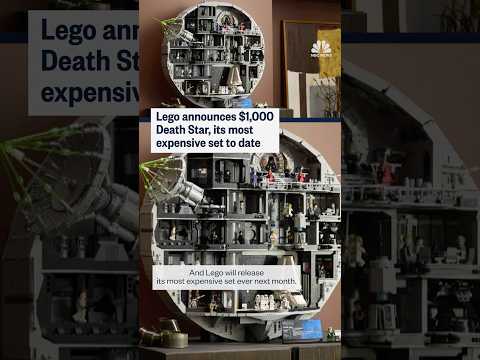
Lego announces $1,000 Death Star, its most expensive set to date
NBC News· 2025-09-05 18:21
And LEGO will release its most expensive set ever next month. So, the toy company said the ultimate collector series Death Star contains more than 9,000 pieces and 38 minifigures to recreate iconic scenes from the Star Wars franchise. It is the latest Star Wars set and will cost shoppers $999.99% plus. ...