
Jellycat毛绒玩具

Search documents
Jellycat卖爆背后:Z世代父母带火万亿母婴情绪消费市场
Sou Hu Cai Jing· 2026-02-27 13:32
Core Insights - The article highlights a significant shift in consumer sentiment within the maternal and infant industry, moving from a focus on functionality and price to emotional connection and recognition, driven by the emergence of the Z generation parents [1][3][10]. Group 1: Changing Consumer Preferences - The evaluation criteria for the Spring Festival Gala have evolved from mere entertainment value to emotional resonance, reflecting broader changes in consumer expectations [1][3]. - Z generation parents are increasingly prioritizing emotional connections in their parenting choices, moving away from the "sacrificial parenting" model to a dual growth philosophy that emphasizes both child development and personal well-being [3][9]. Group 2: Market Trends - The maternal and infant market is experiencing a significant transformation, with a projected market size exceeding 5.5 trillion yuan and a 30% annual growth rate in the children's entertainment sector [8][10]. - New parenting demands are shifting from single-function products to multi-dimensional value offerings, where emotional and social aspects are as important as safety and functionality [5][10]. Group 3: Emotional Consumption - Over 90% of young consumers are willing to pay for emotional value, indicating a trend where products must evoke feelings of companionship and joy rather than just serve a functional purpose [6][10]. - The concept of "relaxed parenting" is gaining traction, with brands needing to adapt their messaging to resonate with the desire for ease and emotional comfort among new mothers [9][10]. Group 4: Marketing and Product Strategy - Future successful products will need to combine functionality, emotional appeal, and social value, creating a "three-in-one" offering that meets the complex needs of modern parents [11][12]. - Marketing strategies are shifting from traditional advertising to creating emotional narratives that resonate with consumers, emphasizing real-life parenting experiences rather than idealized portrayals [13][14]. Group 5: Retail Experience - Retail spaces are being redefined from mere sales points to emotional engagement hubs, where the shopping experience fosters connections and community among parents [15][18]. - The integration of experiential elements in stores, such as relaxation areas for parents, is becoming essential to drive additional, unplanned purchases [18].

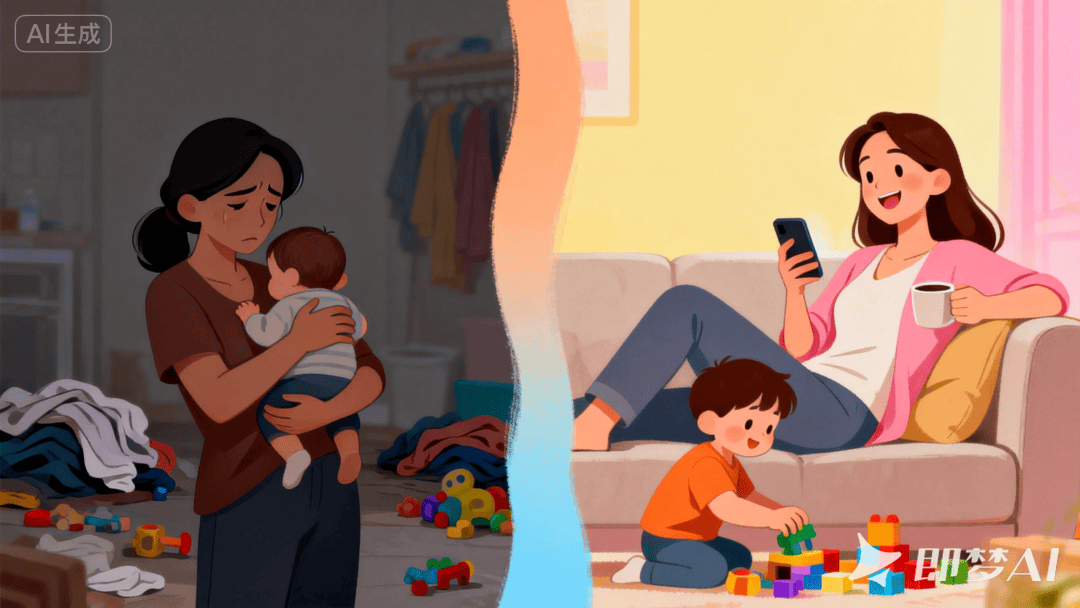
2.6亿Z世代登场:消费正式从“功能时代”进入“情绪时代”
Sou Hu Cai Jing· 2026-02-25 04:27
Group 1 - The core consumer group in China is shifting from a focus on product functionality to emotional experiences, identity expression, and social value, primarily driven by Generation Z [1][4] - Generation Z, born between 1995 and 2010, comprises approximately 260 million individuals with an annual consumption capacity exceeding 5 trillion yuan, expected to become the dominant force in the consumer market over the next decade [1][4] - In various industries, such as the trendy toy sector, over 70% of core users are aged 18-30, indicating a shift towards purchasing for surprise, participation, and social discussion rather than just the product itself [1][4] Group 2 - The logic of consumption is changing, with "liking" replacing "value for money" as the primary decision-making factor among young consumers [3][4] - The traditional purchasing decision sequence of functionality, price, and brand is now often reversed to prioritize emotional connection, recognition, and then functionality [3][4] - The emotional consumption market in China is nearing a scale of 2 trillion yuan, encompassing industries like trendy toys, pets, experiential consumption, and content entertainment, where emotional clarity is more significant than functional scarcity [4][6] Group 3 - The rise of emotional consumption among Generation Z is attributed to three structural reasons: the transition to higher-level needs after material abundance, the amplification of emotional value through social media, and the increased demand for identity expression [6][8][10] - As basic functional needs are met, consumers are seeking emotional fulfillment, aligning with Maslow's hierarchy of needs [6][7] - Social media has made "shareability" a key product value, with many purchases driven by the desire to present appealing content on platforms [8][10] Group 4 - Companies are rethinking their product logic, moving from a focus solely on functionality to incorporating emotions and social aspects into their offerings [14][17] - Brands are increasingly transforming products into content, designing them with an emphasis on storytelling and visual appeal [14][15] - Retail spaces are evolving from mere sales points to experiential environments, encouraging consumer participation rather than just transactions [15][16] Group 5 - The emotional competition era has arrived, where traditional metrics like better materials or lower prices are no longer sufficient for brand differentiation [17][20] - Brands lacking emotional expression risk becoming interchangeable commodities, as consumers may forget quality products that do not resonate emotionally [17][20] - Future competition in the consumer market will hinge on three capabilities: understanding emotions, creating emotional connections in products, and amplifying those emotions for consumer sharing [18][19][20]
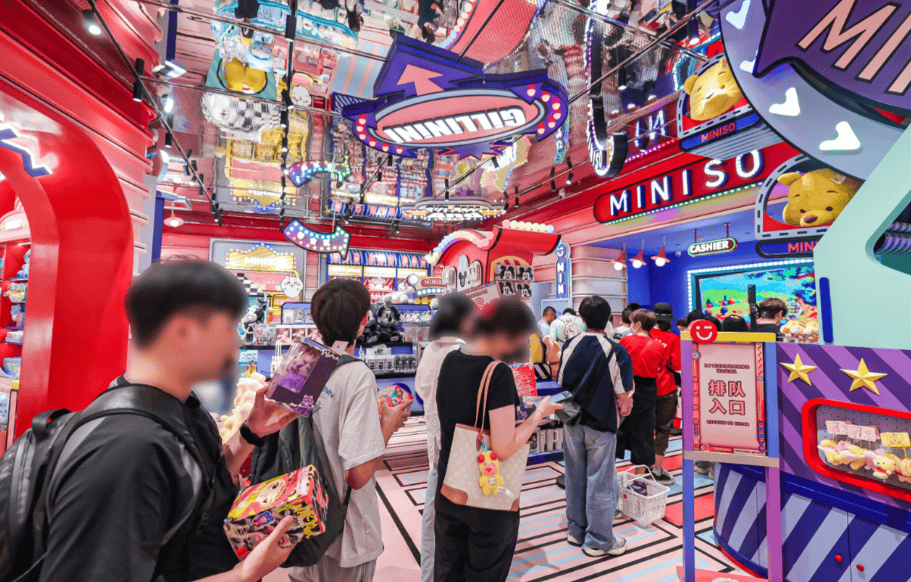
3000元扫货、均价超百元仍疯抢!Jellycat凭情绪价值拿捏全龄段钱包|华夏双节观察
Sou Hu Cai Jing· 2025-10-08 12:03
Core Insights - The article highlights the transformation in consumer behavior, emphasizing the growing importance of emotional and experiential value in purchasing decisions [4][12][17] - The popularity of Jellycat, a high-end plush toy brand, reflects this trend, as consumers are increasingly willing to queue for products that offer emotional connections and unique experiences [5][14][15] Consumer Behavior Trends - Consumers are prioritizing emotional value and experiential aspects over mere functionality when making purchases, as seen in the long queues for Jellycat's limited edition plush toys [4][12] - The phenomenon of queuing for products signifies a shift towards valuing the emotional significance and shopping experience, rather than just the product itself [4][12][17] Jellycat Brand Insights - Jellycat's global sales were estimated at approximately £150 million in 2022, with projections suggesting sales could exceed £200 million (around 18-20 billion RMB) by 2024 [14] - The brand's success is attributed to its innovative anthropomorphism in design, which resonates emotionally with consumers, particularly adults [14][15] Emotional Consumption - The article discusses how consumers view plush toys as companions that provide emotional comfort, reflecting a broader trend of seeking emotional solace through purchases [5][12][17] - The interactive experiences offered in stores, such as virtual dessert decoration, enhance the emotional connection consumers feel towards the products, making the shopping experience more memorable [10][12] Market Implications - The shift towards emotional and experiential consumption indicates that businesses must focus on unique experiences and emotional design to meet the evolving demands of consumers [17] - As consumers increasingly seek products that offer emotional fulfillment, companies like Jellycat are positioned to thrive by catering to these desires [14][17]
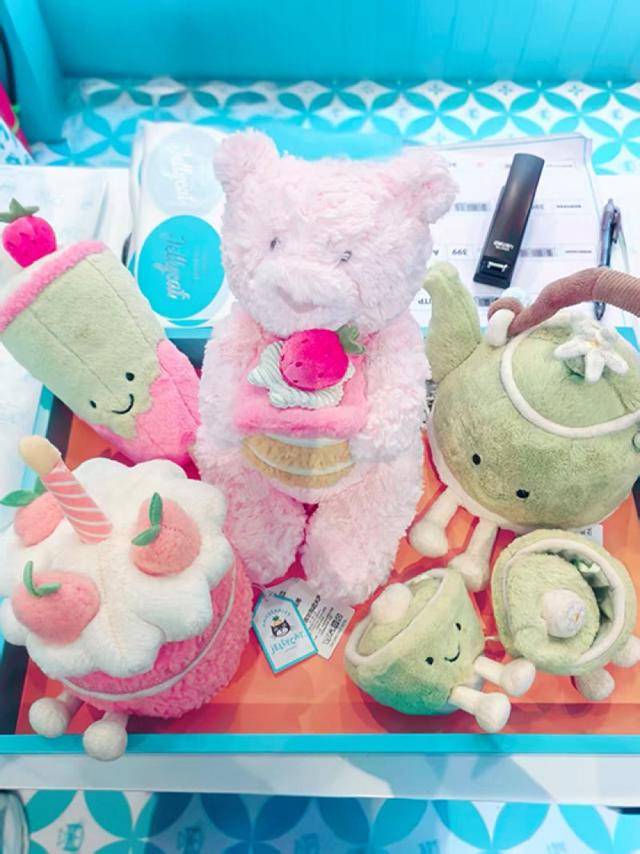
知名玩偶品牌快闪店重返上海,入场券炒至500元!百元玩偶二手平台炒至千元
Bei Jing Shang Bao· 2025-09-12 07:22
Core Insights - The return of Jellycat's pop-up store in Shanghai has sparked a new wave of consumer enthusiasm, particularly among young people, highlighting the brand's emotional connection with its audience [4][12] - The brand's pricing strategy positions its products as premium items, with plush toys generally priced above 100 yuan, and popular models ranging from 300 to 500 yuan, with some exceeding 1,000 yuan [4][14] - The phenomenon of "electronic scalpers" selling entry tickets and plush toys at marked-up prices indicates a high demand and scarcity for Jellycat products [3][10] Consumer Behavior - The interactive and theatrical service experience at the pop-up store has resonated with younger consumers, fulfilling their emotional needs and enhancing the shopping experience [6][12] - The store operates on a reservation system to control foot traffic, with limited shopping time for customers, making it challenging to secure entry [6][9] - Many consumers resort to purchasing entry tickets from scalpers, indicating the high demand and competitive nature of accessing the store [9][10] Market Performance - Jellycat, founded in 1999, initially targeted infants but has successfully transitioned to appeal to all age groups, significantly increasing its market presence [12][14] - The brand's revenue has seen substantial growth, achieving 200 million pounds (approximately 1.85 billion yuan) in the 2023 fiscal year, more than tripling since 2020 [14]
400元一个的玩偶,正在成为成年人的“精神布洛芬”
第一财经· 2025-09-06 07:29
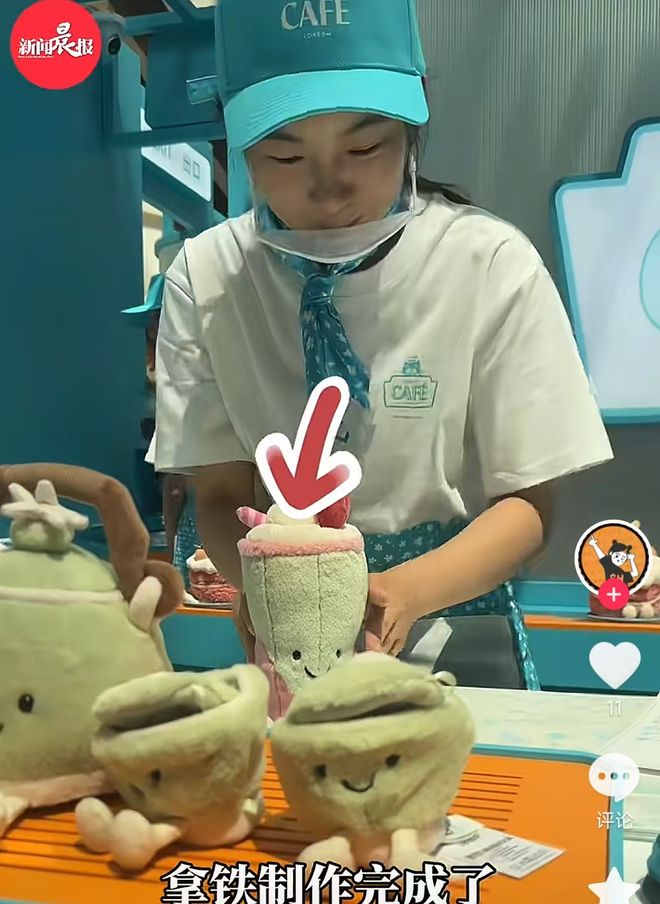
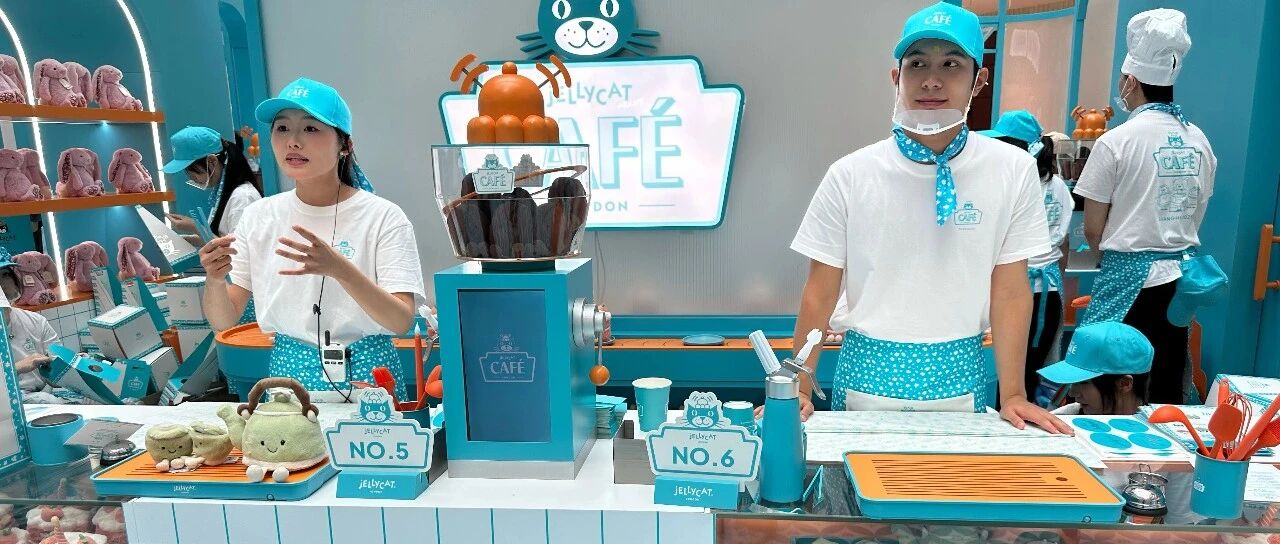
Core Viewpoint - The article discusses the unique business model of Jellycat, a toy brand that combines plush toys with an immersive experience, creating emotional value for consumers rather than just selling toys [5][10]. Group 1: Business Model and Consumer Engagement - Jellycat has opened a themed café in Shanghai where all items are plush toys designed to look like food, creating a playful and immersive environment for customers [3][7]. - The café experience includes interactive performances during the checkout process, enhancing the emotional connection between consumers and the products [9][10]. - The pricing for Jellycat products ranges from 300 to 400 yuan for individual items, with limited edition sets costing over 2000 yuan, indicating a strong demand despite higher prices [9]. Group 2: Emotional Value and Market Trends - The success of Jellycat is attributed to its ability to provide emotional value, acting as a "spiritual ibuprofen" for adults seeking to fulfill their inner child and alleviate stress [10][11]. - The brand's products allow consumers to engage in a form of "no-pain parenting," where they can care for plush toys without the complexities of real-life parenting [10]. - Data from the China Toy and Baby Products Association shows that Jellycat's sales exceeded Disney's during the 2023 Double Eleven shopping festival, with an average transaction price of 465 yuan [12].
400元一个的玩偶,正在成为成年人的“精神布洛芬”|乐言商业
Di Yi Cai Jing· 2025-09-06 03:49
Core Viewpoint - The success of Jellycat's plush toys is attributed to the emotional value they provide, particularly through the immersive "play house" experience that resonates with adult consumers' desire to escape reality and fulfill their inner child [10][12]. Group 1: Product Offering - Jellycat offers a variety of plush toys, including common animal shapes and everyday objects, categorized into different series [4]. - The unique aspect of Jellycat's products is the incorporation of a "ceremonial" experience, such as the themed café where all toys resemble food items, enhancing the overall consumer experience [7]. Group 2: Consumer Engagement - The buying process at Jellycat includes interactive performances, such as candle lighting on plush cakes and tea preparation, creating a sense of ritual that appeals to consumers' nostalgia and emotional needs [10]. - Consumers perceive Jellycat toys not merely as playthings but as "children" that they care for, fulfilling a sense of purpose and control in their lives [11]. Group 3: Market Performance - During the 2023 "Double 11" shopping festival, Jellycat's sales surpassed Disney, establishing it as a leader in the plush fabric category, with an average transaction price of 465 yuan [12]. - In March 2024, data from Tmall indicated that products priced above 400 yuan accounted for 14.1% of sales, with Jellycat's "Pirate Dog" plush toy achieving a remarkable average transaction price of 2759 yuan, ranking as the best-selling item [12]. Group 4: Emotional Connection - The immersive "play house" environment created by Jellycat allows adults to temporarily escape their worries, fulfilling a psychological need for comfort and emotional healing [12]. - The appeal of Jellycat and similar brands lies in their ability to satisfy consumers' emotional needs, making them key players in the toy and IP economy [13].
兴业证券:中国正处于“精神消费时代”起点 看好谷子潮玩、黄金珠宝和城市户外赛道β机会
智通财经网· 2025-05-19 05:50
Core Viewpoint - The rise of emotional consumption is a natural outcome of economic development, marking the beginning of a "spiritual consumption era" in China, where consumers seek emotional resonance and identity recognition rather than just functional value from products [1] Group 1: Emotional Consumption Dynamics - Emotional-driven consumer behavior creates a resonance between cultural and commercial potential, exemplified by the transformation of ordinary items into premium symbols through storytelling and emotional connections [2] - Brands like Jellycat leverage interactive emotional marketing to create a high emotional experience chain, differentiating themselves in the plush toy market and driving consumer enthusiasm [2] - Cultural identity enhances brand value, as seen with brands like Laopuhuangjin, which evoke a sense of cultural belonging and identity among consumers, challenging international luxury brands [2] Group 2: Investment Strategies - The investment strategy emphasizes capturing strategic opportunities brought by emotional functionality in both new and traditional sectors, with a focus on the beta opportunities in the trendy toy, gold jewelry, and urban outdoor markets [3] - Catalysts for stock price increases include the iteration of major products, the opening of high-potential stores, and the listing of new consumer companies [3] Group 3: Sector Insights - Trendy Toys: The Chinese pan-entertainment industry is projected to grow by 30% in 2024, with significant potential for IP development and consumption, particularly in blind boxes and collectible cards [4] - Gold Jewelry: Brands like Laopuhuangjin and Chow Tai Fook are moving away from traditional processing fees to offer products that satisfy high-net-worth consumers' needs for craftsmanship and cultural identity [5] - Urban Outdoor: The urban outdoor sector is emerging as a new lifestyle choice, expected to grow at a CAGR of 15% from 2024 to 2029, with brands like Anta Sports leading the way [6]



Jellycat 如何将 vibe 注入商品?丨晚点周末
晚点LatePost· 2024-11-03 14:20
"营造一个安全的地方,周围都是笑脸。" 文丨徐煜萌 编辑丨钱杨 印尼西爪哇省苏横区,绿顶白墙厂房的厂房外,三名围着粉色头巾的女工倚着小桌聊天。每天有 1700 名工人走进这 里,大部分是女性。 白炽灯下,她们弯腰在激光切割机前,将韩国进口的毛绒面料切出一小片一小片的圆形。在另一间更大、更高的厂房 里,数百位女工戴着口罩,密集地坐在一排排木椅上,为玩偶塞进填充棉,缝合身体部位,然后处理眼睛和鼻子。 这是英国毛绒玩具公司 Jellycat 过去十年最大工厂 PT Sheba Indah——它也是韩国公司 Sheba Toys 的两家海外工厂之 一。 每天,她们做好的玩具被装上工厂外等着几辆挂车,每个集装箱装近 800 只毛绒玩偶。随后,这些印着中远海运标志 的挂车驶向雅加达港,货物被卸下,装载上船,送往全球各地。 Jellycat 生产环节的一切都遵循成熟、常规的现代工业生产体系:韩国制造企业比中国同行更早开始承担欧美转移出 来的毛绒玩具订单,当地生产的中高端面料也比欧洲产的便宜;东南亚工人的薪资远低于中国,在这里生产的商品销 往欧美享有关税优惠;中远海运是拥有全球最大的商船队,能提供最经济的运力。 但随着集装箱 ...