区块链金融

Search documents
孙宇晨“牵手”最大预测市场平台Kalshi,推动科技金融落地
Sou Hu Cai Jing· 2026-01-09 07:10
Group 1 - The collaboration between Kalshi and TRON marks a significant integration of traditional finance and blockchain technology, supported by Justin Sun [1][3] - This partnership allows users to deposit and withdraw TRX and TRC-20 USDT directly on the Kalshi platform, creating a new liquidity channel for blockchain participants [3][5] - TRON's efficient block speed and competitive low fees have attracted a large user base, with daily transaction volumes exceeding $24 billion and USDT circulation surpassing $80 billion [5] Group 2 - The integration of traditional finance platforms with blockchain digital finance is expected to enhance transaction efficiency, expand global markets, and reduce settlement friction [5][7] - The partnership is seen as a testament to the accelerating convergence of traditional financial markets and blockchain infrastructure, with clearer regulatory frameworks emerging [7] - As the collaboration deepens, it is anticipated to bring more innovation and transformation to the global financial market, empowering finance through technology [7]

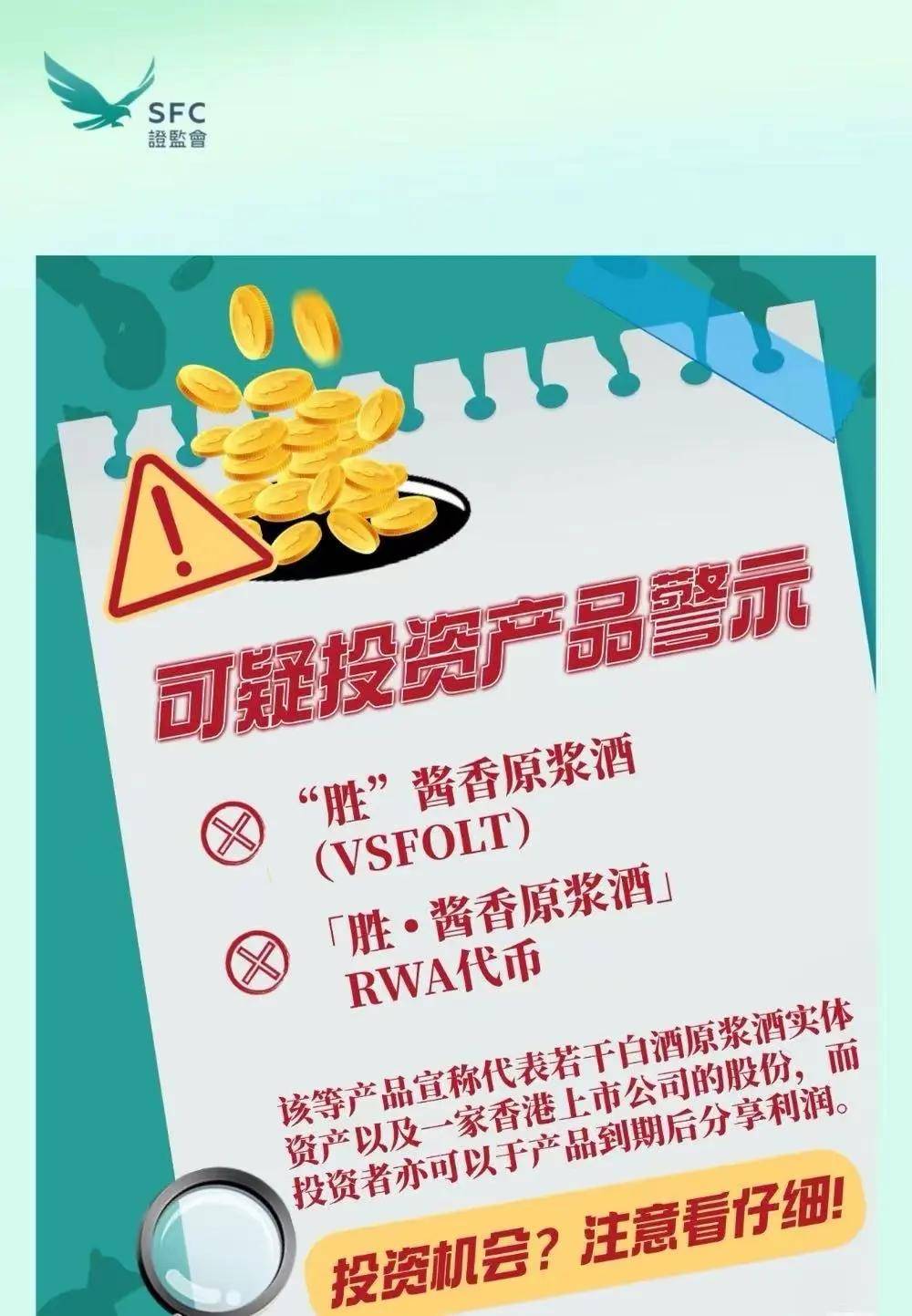
深度研究|当白酒资产“遇见”RWA:香港证监会警示背后的结构性风险
Sou Hu Cai Jing· 2025-12-30 12:22
Core Viewpoint - The integration of traditional assets like high-end liquor into the concept of Real World Assets (RWA) is raising regulatory concerns, particularly regarding the potential for investor protection issues and the complexity of these financial products [1][2][3]. Regulatory Perspective - The Hong Kong Securities and Futures Commission (SFC) has issued warnings about certain "liquor RWA Token" products, categorizing them as suspicious investment products due to their lack of public sale approval and insufficient transparency [3][4]. - The SFC's warning highlights that these products do not fall under regulated securities or collective investment schemes, limiting investor protections and recourse options in case of disputes [6][4]. - The complexity of the product structures is a significant risk factor, as it obscures responsibility and makes it difficult for investors to understand their rights and the associated risks [6][10]. Structural Issues - The tokenization of liquor assets presents three main structural problems: 1. The unverifiable nature of the underlying liquor assets, which are not standardized and depend on subjective assessments for quality and value [9]. 2. The deliberate dispersion of legal and financial responsibilities across multiple entities, complicating accountability in case of disputes [10]. 3. The one-sided distribution of risks and returns, where investors bear most risks while issuers may secure funds upfront, leading to a misalignment of interests [11]. Compliance Boundaries - The SFC's warning does not reject the RWA concept but emphasizes that real-world assets can be digitized only within existing financial and legal frameworks [12][14]. - For liquor assets to be compliant in a blockchain context, they must have clear ownership structures and be subject to independent verification of their existence and condition [14]. - Legal structures must ensure transparency and accountability, anchoring investor rights in regulated legal frameworks to facilitate clear recourse in case of disputes [14][12]. Investor Perspective - The incident involving liquor RWA highlights a broader structural issue where real assets do not inherently equate to low-risk investments, and blockchain integration does not automatically enhance security [16][18]. - Investors should focus on whether products are regulated, if rights are clearly defined, and if information disclosure is sustainable and verifiable, rather than solely on the asset's tangible nature [18][16]. - The SFC's stance signals that RWA will not create a regulatory vacuum, reinforcing that public investment and profit-sharing will always be subject to regulatory scrutiny [18].
孙宇晨领衔波场,携手Revolut开启数字金融新纪元
Sou Hu Cai Jing· 2025-12-24 12:58
Core Insights - The integration between fintech company Revolut and TRON, founded by Sun Yuchen, marks a significant step towards the maturation and intelligence of blockchain finance [1][3] - This collaboration is expected to enhance digital financial services for users, enabling fast remittances of stablecoins, seamless exchanges between fiat and stablecoins, and staking of TRX tokens within the app without platform fees [3][6] Group 1 - The integration is seen as a recognition of TRON's capability to provide enterprise-level financial infrastructure [5] - The collaboration allows users to participate in decentralized governance and earn rewards through TRX staking [3][5] - TRON's user base and on-chain transaction volume have been reaching new highs, with mainstream stablecoin circulation exceeding $79 billion, positioning TRON as a core player in the next generation of digital financial infrastructure [3][8] Group 2 - Sun Yuchen expressed confidence in the partnership, highlighting the combination of compliance, transparency, and superior technology to drive global financial transformation [6] - Emil Urmanshin from Revolut praised TRON's infrastructure for its market validation, low fees, and excellent performance, aligning with Revolut's mission to break traditional financial barriers [6] - The collaboration is viewed as a model for cooperation between compliant fintech platforms and blockchain infrastructure providers, aiming to provide user-centric digital asset services [8]

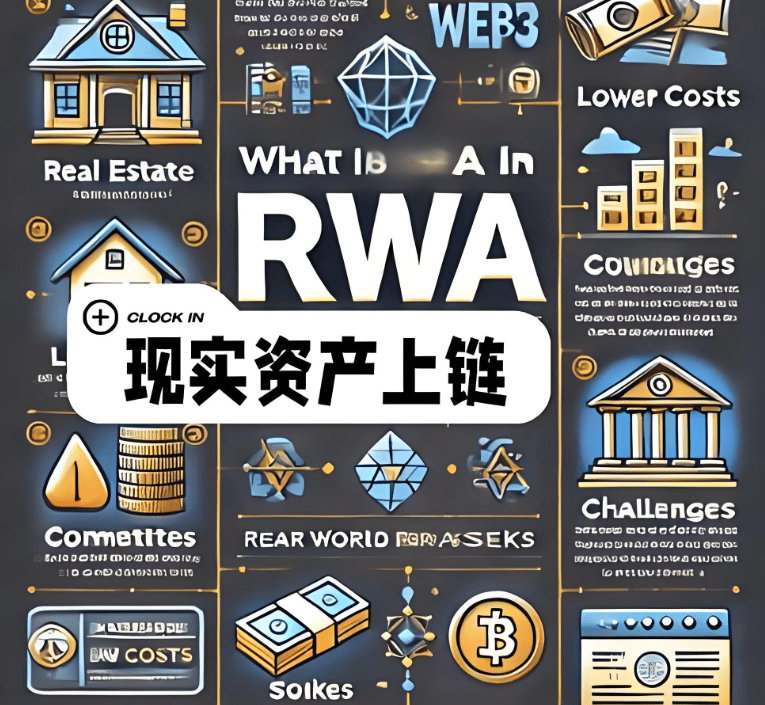
RWA链上经济:下一片创业蓝海,90%人未参透的底层规则
Sou Hu Cai Jing· 2025-12-23 06:11
Core Insights - The article emphasizes the potential of Real World Assets (RWA) in transforming traditional industries through blockchain technology, moving beyond the perception of blockchain as merely a speculative tool for cryptocurrencies [1][3]. Group 1: Understanding RWA - RWA refers to the process of digitizing real-world assets such as government bonds, real estate, and receivables, making transactions more efficient and accessible [3]. - The global RWA market is projected to exceed $5 billion by the end of 2024, with major players like BlackRock, JPMorgan, and DBS Bank entering the space [3]. Group 2: RWA's Underlying Logic - The evolution of wealth is tied to the transformation of production relationships, with Web3 enabling individuals to truly "own" digital production assets [6]. - RWA democratizes investment opportunities by allowing fractional ownership of high-value assets, thus enhancing resource allocation efficiency [6]. Group 3: Opportunities for Entrepreneurs - There are three key areas for entrepreneurs to explore within RWA: 1. Digital tools for traditional asset digitization 2. Compliance and structural design services for RWA 3. Cross-scenario intelligent collaboration solutions [8][9][10]. - Startups are successfully creating user-friendly SaaS solutions that simplify blockchain technology for traditional businesses, as evidenced by a Shenzhen company serving over 20 small factories [8]. Group 4: Compliance and Regulatory Framework - Compliance is critical for RWA, with regions like Hong Kong, Singapore, and the UAE serving as testing grounds for regulatory frameworks [9]. - There is a demand for professionals who understand both policy and industry to assist companies in navigating the compliance landscape [9]. Group 5: Practical Steps for Engagement - Companies are advised to build foundational knowledge of RWA, focusing on practical applications rather than speculative investments [12]. - Engaging in small-scale, compliant RWA projects can provide valuable insights into market challenges and opportunities [12]. - Identifying specific roles within the RWA ecosystem, such as industry-specific solutions or compliance services, can lead to successful ventures [12].

孙宇晨手里那张AI牌打出来了:波场TRON生态正被Allora悄悄植入“预测神经”
Sou Hu Cai Jing· 2025-12-19 03:47
Core Insights - The integration of blockchain and AI is accelerating, with Allora launching its predictive intelligence feature on the TRON network, enabling developers to embed on-chain AI capabilities into DeFi applications, shifting from passive responses to proactive predictions [1][6] - TRON has processed over $23 trillion in transactions and serves over 350 million accounts, emphasizing the importance of intelligent prediction in DeFi applications [2][4] - Allora's predictive system utilizes multiple AI models to create a self-improving, goal-oriented prediction framework, allowing developers to seamlessly integrate predictive capabilities without building their own machine learning infrastructure [1][4] Group 1 - Allora's predictive intelligence updates data streams at intervals ranging from 5 minutes to 24 hours, providing forward-looking signals on volatility and liquidity [1][4] - The collaboration between TRON and Allora aims to enhance the adaptability and capital efficiency of financial infrastructure, allowing DeFi protocols to dynamically adjust funding strategies based on real-time predictions [4][6] - Allora's integration is seen as a critical step in developing a more autonomous and responsive DeFi ecosystem, enabling applications to execute strategies based on predictive signals [4][6] Group 2 - The high throughput and low transaction fees of TRON support the real-time application of predictive intelligence, allowing developers to create innovative applications like high-frequency trading strategies and dynamic risk management tools at low costs [4][6] - The combination of TRON's active ecosystem and Allora's AI capabilities is expected to fundamentally transform financial infrastructure, enabling DeFi applications to predict market changes rather than merely react to them [6][8] - This technological fusion is set to reshape the development logic and user experience of DeFi applications, leading to more efficient capital utilization and smarter risk management [6][8]
RWA 衍生品市场 OI 突破 6 亿美元,Lighter 与 Hyperliquid 市占显著提升
Xin Lang Cai Jing· 2025-12-12 02:55
Core Insights - On-chain RWA derivatives trading is gaining attention, with Lighter leading the RWA open interest (OI) at $280 million, accounting for 16% of the platform's total positions [1] - Lighter's market share in RWA derivatives has increased from 29% to nearly 50% over the past month [1] - Hyperliquid's market share in the HIP-3 market has risen from 15% to 30% [1] - Ostium, while maintaining a significant share this year, is beginning to lose its leading position [1] - The growth of Lighter and Hyperliquid has contributed to increased liquidity, with RWA OI rising from $384 million to $607 million [1]
近 24 小时
Xin Lang Cai Jing· 2025-12-04 11:53
吴说获悉,据官方面板,近日完成 2,000 万美元融资的链上永续协议 Ostium 累积交易量已超过 280 亿 美元,从开仓费、清算和 Rollover 中捕获了超过 1,250 万美元的费用。近 24 小时,Ostium 上由 675 个 用户地址推动了 1.37 亿美元的交易量。值得注意的是,Ostium 每日交易量主要集中在大宗商品。 (来源:吴说) 来源:市场资讯 ...
中国置业投资(00736.HK)拟与Kimber Labs合作开展真实世界资产的潜在代币化项目
Jin Rong Jie· 2025-12-01 11:53
Core Viewpoint - China Property Investment (00736.HK) has announced a non-binding term sheet with Kimber Labs Inc. regarding potential collaboration on tokenization projects for real-world assets (RWA) [1] Group 1 - The agreement is set to take effect on December 1, 2025 [1] - The collaboration aims to explore opportunities in the tokenization of real-world assets [1]
Berachain 被曝在 Series B 融资中向 Nova Digital 提供 2,5...
Xin Lang Cai Jing· 2025-11-24 16:52
Core Viewpoint - Berachain has disclosed that it granted Nova Digital, a subsidiary of Brevan Howard, a $25 million "refund right" during its Series B financing in 2024, raising questions about potential violations of MFN clauses and disclosure obligations [1] Group 1 - Berachain's refund right allows Nova to request the return of the full investment principal within one year after the TGE on February 6, 2025 [1] - Nova must deposit $5 million with Berachain within 30 days post-TGE to exercise this right [1] - The unique terms of this agreement were not disclosed to other investors, leading to scrutiny regarding transparency [1] Group 2 - The price of BERA has dropped approximately 66% compared to Nova's investment price of $3 [1] - Berachain's co-founder, Smokey the Bera, stated that all parties used the same documents for this financing round but did not address specific concerns or clarify the related commercial agreements [1]
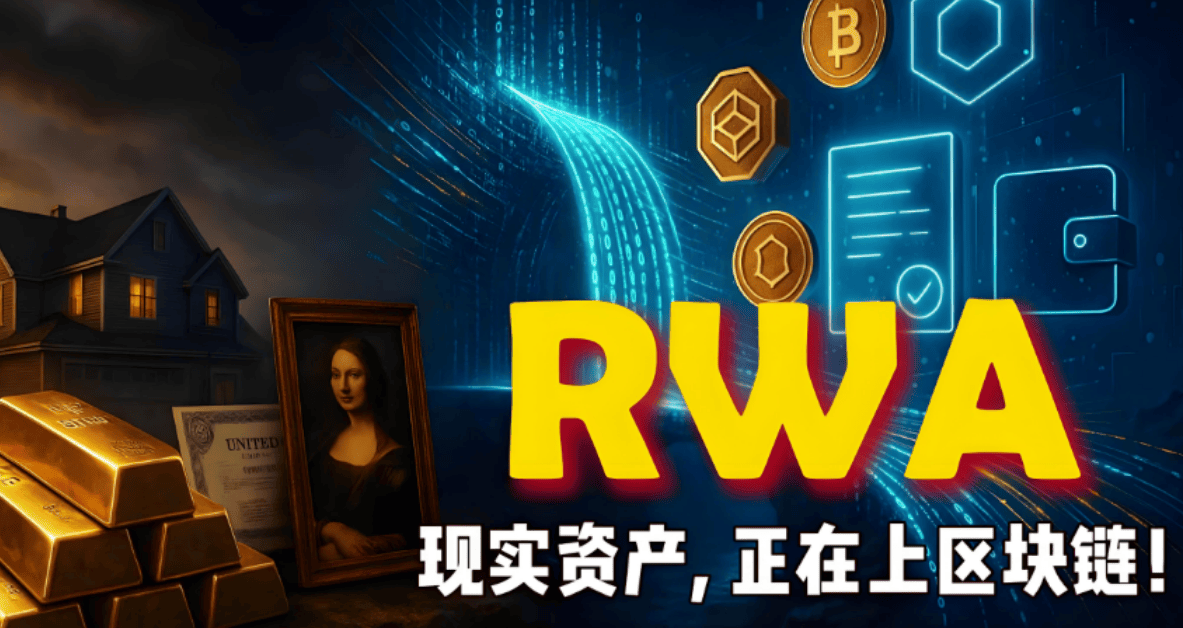
风口下的RWA:万亿市场盛宴,还是破裂前的泡沫?
Sou Hu Cai Jing· 2025-11-19 01:13
Core Insights - Real World Assets (RWA) are becoming a hot trend, bridging traditional finance and the crypto world through tokenization of physical assets like real estate and art [2][3] - The market for tokenized assets is projected to reach $45 trillion by 2030, but current engagement levels are low, with many RWA tokens having fewer than 10 active addresses monthly [2][4] Definition and Market Overview - RWA refers to physical assets that are tokenized and entered into the blockchain, including financial assets like government bonds and tangible assets like real estate and art [3] - The tokenization of non-liquid assets could create a market worth $16 trillion, representing nearly 10% of global GDP by 2030 [3] Market Growth and Composition - As of mid-2025, $24 to $25 billion of RWA has been successfully migrated to blockchain, a significant increase from under $5 billion in early 2023 [4] - Private credit and tokenized U.S. government bonds dominate the RWA market, with BlackRock's BUIDL token valued at $2.42 billion and Ondo Finance's OUSG token at $1.76 billion, together accounting for nearly 20% of the market [4] Liquidity Challenges - Despite the impressive market size, liquidity remains a significant issue, with BlackRock's BUIDL token having only 85 holders and 30 active addresses monthly [6] - Tokenized real estate and art face severe liquidity constraints, often being illiquid "digital specimens" with minimal trading activity [4][6] Driving Factors Behind RWA Interest - The recent surge in interest for RWA is driven by yield differentials, with U.S. Treasury yields rising from 0.3% to 5%, attracting capital to safer, higher-yielding assets [5] - Traditional financial institutions are increasingly entering the RWA space, providing legitimacy and support for the market [5] Structural Barriers to Development - Regulatory challenges exist, as many RWA tokens are classified as securities, limiting market participation to accredited investors and complicating cross-border transactions [8] - The market is fragmented, with various decentralized exchanges and platforms creating liquidity "islands," hindering efficient price discovery [9] Future Development Pathways - A hybrid market structure combining centralized and decentralized elements may be the best approach, allowing for compliant issuance and trading of tokenized assets [12] - Emphasizing collateralized lending as a means to enhance liquidity, allowing RWA holders to access funds without selling their assets [13][14] Ecosystem Improvement Strategies - Regulatory innovation and the establishment of standardized asset disclosure and valuation frameworks are essential to reduce information asymmetry [15] - Industry self-regulation and the involvement of rating agencies can enhance market credibility and transparency [15] Investment Strategies - Investors should focus on liquid asset classes and compliant platforms, recognizing the inherent risks and diversifying investments across different RWA categories [16] - Advanced investors may consider participating in the foundational aspects of the RWA ecosystem, such as market-making or governance [17]