
RWA代币化

Search documents
RWA新规开闸,谁会抢占跨境融资新风口?
3 6 Ke· 2026-02-12 11:19
Core Viewpoint - The recent regulatory announcements from the People's Bank of China and other departments clarify the framework for the tokenization of Real World Assets (RWA) and related activities, allowing for a narrow pathway for domestic assets to engage in cross-border financing through RWA tokenization [1][2]. Regulatory Framework - The "Notice" explicitly prohibits domestic RWA tokenization activities and related intermediary services, while allowing exceptions for activities approved by relevant authorities [1]. - The "Guidelines" issued by the China Securities Regulatory Commission (CSRC) provide clearer regulatory rules for the issuance of asset-backed securities tokens for domestic assets abroad [2][3]. Market Implications - The new regulations are seen as a signal to clarify the gray areas of regulation, emphasizing that cross-border RWA tokenization must adhere to existing securities, foreign exchange, and data security rules [2]. - The timing of these announcements is speculated to be related to Hong Kong's issuance of stablecoin licenses, indicating a strategic alignment with Hong Kong's regulatory developments [2][3]. Types of RWA Tokenization - The "Notice" defines RWA tokenization as a new type of securities activity, categorizing it into three types: debt-like RWA tokenization, equity-like RWA tokenization, and other forms of RWA tokenization [4][5]. - The principle of "same business, same risk, same rules" is emphasized, indicating that RWA tokenization will not escape existing legal regulations simply by being on-chain [5]. Compliance and Risk Management - The guidelines stress the importance of compliance and risk management for financial institutions and intermediaries involved in RWA tokenization, requiring them to establish robust internal control systems [10]. - The CSRC's guidelines outline specific prohibitions and a negative list for underlying assets, emphasizing the need for clear ownership and verifiable cash flows [6][7]. Beneficiaries of the New Regulations - Licensed securities firms in both mainland China and Hong Kong are expected to benefit from the new regulations, as they can facilitate cross-border RWA tokenization activities [8][10]. - The Hong Kong market is currently transitioning towards commercial implementation of RWA tokenization, focusing on high-credit, low-volatility assets such as government bonds and high-rated corporate bonds [8][9]. Future Considerations - The industry anticipates further clarifications and detailed rules from regulatory bodies to ensure operational transparency and compliance in cross-border RWA tokenization [11].
数字资产牌照提速,君威资本以RWA代币化赋能港美上市
Sou Hu Cai Jing· 2026-02-10 02:48
Core Insights - The Hong Kong Financial Secretary's announcement in July 2025 regarding the acceleration of digital asset trading platform license approvals, with 11 licenses issued and 9 applications processed, indicates a proactive regulatory environment for digital assets [1] - Nasdaq is enhancing digital asset disclosure rules and exploring the integration of Real-World Asset (RWA) tokenization with listed companies, presenting new opportunities for Chinese enterprises [1] Group 1: Policy Benefits - The Hong Kong Securities and Futures Commission has expanded its "fast-track licensing process" to all new applicants, featuring risk-based onsite inspections and upgraded regulatory sandboxes, which provide a compliant environment for RWA tokenization [2] - Nasdaq's improvements in digital asset disclosure rules recognize the liquidity enhancement of compliant RWA tokenization, supporting the valuation of companies holding RWA assets for listing [2] Group 2: RWA Practices by Junwei Capital - Junwei Capital focuses on three RWA tokenization scenarios that align with the needs of companies listed or planning to list on the Hong Kong Stock Exchange and Nasdaq, including the design of LP equity tokens to address liquidity issues in the private equity secondary market [4] - The issuance of rental/revenue tokens for commercial real estate and overseas production bases aims to enhance cash flow transparency, meeting the asset quality review requirements of the Hong Kong Stock Exchange and Nasdaq [4] - The securitization of intellectual property through tradable digital assets is designed to realize patent value and strengthen core asset competitiveness, aligning with the listing standards of both exchanges [4] Group 3: Compliance and Risk Control - RWA tokenization must comply with the Hong Kong Securities and Futures Commission's guidelines, SEC regulations, and cross-border financing compliance requirements from the China Securities Regulatory Commission to ensure adherence to listing standards [5] - Key measures by Junwei Capital include establishing special purpose vehicles (SPVs) in Hong Kong to isolate operational risks and ensure compliance with SEC requirements for overseas listed companies [5] - Smart contract audits and investor suitability management are implemented to ensure transparency and compliance in RWA tokenization processes, limiting high-risk products to professional investors [5] Group 4: Strategic Cooperation - Junwei Capital aims to act as an "RWA integrator," linking resources from Hong Kong and U.S. markets to empower companies for listings [7] - Technical collaborations with licensed digital asset platforms and blockchain technology providers ensure that RWA asset structures meet overseas listing compliance requirements [7] - Cross-border settlement leveraging Hong Kong's offshore RMB center facilitates RMB-denominated RWA transactions, connecting with Nasdaq's USD trading system to support asset liquidity post-listing [7]


RWA啥意思?为啥这些业务都叫停?
Sou Hu Cai Jing· 2026-02-09 04:26
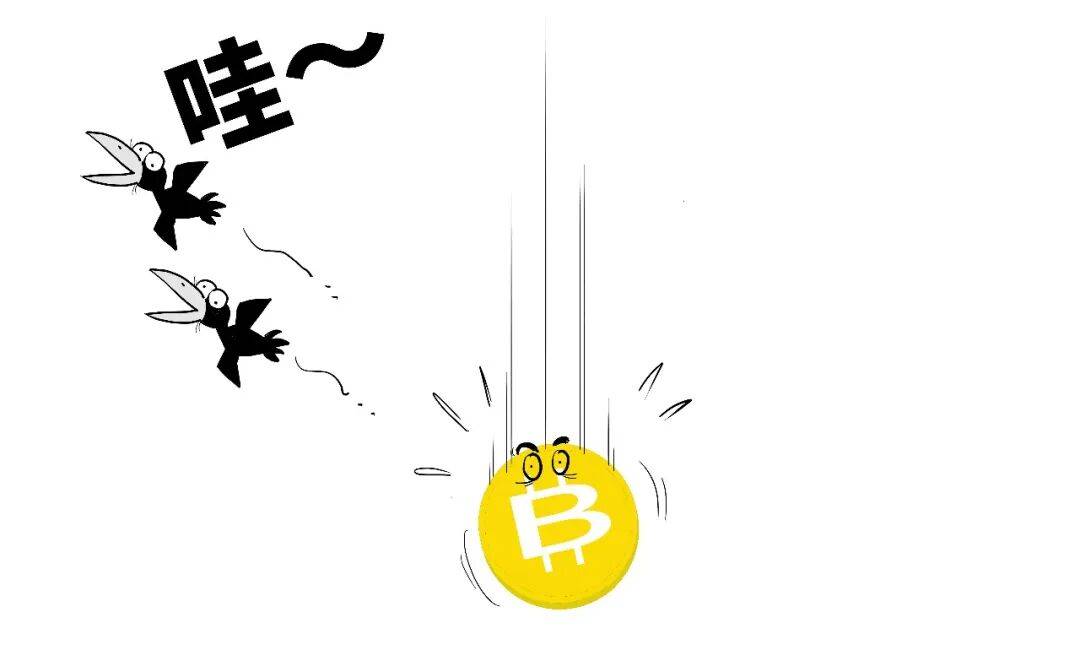
Core Viewpoint - Bitcoin has experienced a significant decline, dropping over 52% from its historical high of $126,000 in October 2025 to around $60,000 at the beginning of this month [3]. Group 1: Market Overview - The recent downturn in the cryptocurrency market has affected not only Bitcoin but also other virtual currencies, leading to widespread losses [3]. - Factors contributing to this decline include uncertainty surrounding Federal Reserve policies and a drop in precious metals, which has tightened liquidity [4]. Group 2: Regulatory Actions - The U.S. government reportedly froze 127,000 Bitcoins through hacking, undermining the myth of cryptocurrencies being untraceable and completely secure, leading to a crisis of faith in the market [5]. - On February 6, the People's Bank of China and eight other regulatory bodies issued a notice declaring all cryptocurrency-related activities in China as illegal financial activities [5]. Group 3: Stablecoins and RWA - The notice also prohibits any entity from issuing stablecoins pegged to the Chinese yuan without proper authorization, highlighting the regulatory stance on stablecoins [6]. - Stablecoins, while not equivalent to fiat currencies, perform some functions of legal tender and are linked to monetary sovereignty [8]. - Real World Assets (RWA) are defined as tangible assets like real estate and commodities that can be tokenized using blockchain technology, allowing for fractional ownership [10][12]. Group 4: Risks and Concerns - RWA tokenization presents various risks, including asset misrepresentation, inflated valuations, and legal disputes, which could lead to speculative pitfalls [16][19]. - The notice emphasizes the need to combat the rising trend of speculation in virtual currencies and RWAs, as it poses a threat to public financial security and disrupts economic order [21].
新华视点丨8部门“攥指成拳”强监管 合力遏制虚拟货币等风险
Xin Hua Wang· 2026-02-06 14:17
Core Viewpoint - The Chinese government, through the People's Bank of China and eight other departments, has issued a joint notice to strengthen regulation and prevent risks associated with virtual currencies and related activities, emphasizing that such activities are illegal financial operations [1][2]. Regulatory Actions - The notice categorically states that virtual currencies do not possess legal tender status and should not circulate as currency in the market [2]. - All forms of token issuance and financing related to virtual currencies are prohibited, with a focus on halting domestic virtual currency trading and token issuance platforms [2][5]. - The notice reiterates previous policies aimed at curbing virtual currency trading risks, maintaining a strict regulatory stance [2][7]. Stablecoin Regulations - The notice provides a clear judgment on stablecoins, indicating that those pegged to fiat currencies may functionally act as legal tender [3]. - It prohibits any domestic or foreign entities from issuing stablecoins linked to the Renminbi without proper authorization [3][4]. RWA Tokenization - The notice defines Real World Asset (RWA) tokenization as the conversion of asset ownership and income rights into tokens using cryptographic and distributed ledger technologies [5]. - It emphasizes that no company in China can legally conduct RWA transactions, with many entities misusing the term for speculative activities [6]. Multi-Department Collaboration - The notice highlights the need for a coordinated effort among various departments to effectively manage and mitigate risks associated with virtual currencies [7][8]. - Specific regulatory measures include strict monitoring of advertisements related to virtual currencies and RWA, as well as the closure of platforms engaging in illegal activities [8][9]. Cross-Border Regulations - The notice establishes that domestic entities and their foreign-controlled counterparts are prohibited from issuing virtual currencies abroad without proper consent [8][9]. - It mandates that any cross-border asset securitization activities based on domestic assets must be reported and comply with relevant laws and regulations [9].
新华视点|8部门“攥指成拳”强监管 合力遏制虚拟货币等风险
Xin Hua She· 2026-02-06 14:13
Core Viewpoint - The joint announcement by eight departments, including the People's Bank of China, emphasizes the illegality of virtual currency activities in China and aims to strengthen regulations to protect public financial security [1][2]. Regulatory Measures - The notification clearly states that virtual currencies do not have legal tender status and should not circulate as currency in the market [2]. - All activities related to virtual currencies and the issuance of tokens are strictly prohibited, with a focus on halting various token issuance and financing activities [2][5]. - The notification reiterates previous policies aimed at preventing and addressing risks associated with virtual currency trading and speculation [2][5]. Market Conditions - The virtual currency market has experienced extreme volatility, with Bitcoin reaching over $120,000 in October 2025 and dropping below $70,000 by February 2026, leading to significant financial losses [1]. - Stablecoins, which were previously considered stable, have also shown significant price fluctuations, raising concerns about their reliability [2][3]. RWA Tokenization - The notification provides a clear definition of Real World Asset (RWA) tokenization, which involves converting ownership and income rights of assets into tokens using cryptographic technology [3][4]. - Currently, there are no companies in China capable of legally conducting RWA transactions, with many institutions engaging in speculative activities under the guise of RWA [4]. Multi-Department Collaboration - The approach to managing risks associated with virtual currencies requires collaboration across multiple departments, establishing a long-term mechanism for risk prevention and resolution [5][6]. - Various departments will enhance their regulatory efforts, including monitoring advertisements related to virtual currencies and conducting crackdowns on illegal activities such as fraud and money laundering [5][6]. Cross-Border Regulations - The notification specifies that domestic entities and their overseas counterparts are prohibited from issuing virtual currencies abroad without proper authorization [6]. - Strict regulations are in place for any RWA tokenization activities conducted outside of China, requiring prior approval and compliance with relevant laws [6].
数码港:区块链与数字资产试点资助计划已有9间企业入围
Zhi Tong Cai Jing· 2025-12-10 11:30
Core Insights - The first phase of the "Blockchain and Digital Asset Pilot Funding Scheme" received over 200 applications, exceeding expectations, covering areas such as RWA tokenization, stablecoins, payment solutions, and Web3.0 security and risk management [1] - Nine companies have been shortlisted, including five in the RWA sector, one in payments, two in security, and one in smart living [1] - The pilot program has completed its tasks and is in the final acceptance stage, with nearly half of the pilot products and services successfully launched or about to be launched, involving an asset scale of over HKD 120 million [1] Funding Scheme Details - The scheme aims to fund promising blockchain and Web3.0 projects, offering up to HKD 500,000 (with a maximum of 80% funding) to support companies in testing innovative solutions in real environments [1] - The initiative serves as a bridge between startups and large institutions, providing testing opportunities to facilitate the implementation of innovative applications and promote overall industry upgrades [1] - The Digital Port has gathered over 300 blockchain and digital asset-related companies [1] Investor Network and Future Plans - The Digital Port's investor network includes over 220 investment institutions, covering venture capital funds, family offices, and private equity funds, and collaborates with various blockchain underlying protocols to build a comprehensive industrial ecosystem [1] - Due to the success of the first phase, there are plans to launch a second phase of the funding scheme, although no specific timeline has been established yet [2] - The Digital Port will continue to align with national and local government development strategies, supporting blockchain and digital asset enterprises through various plans and support projects, while enhancing public awareness of the industry [2]
铸帝控股(01413)附属天坤与香港理工大学订立合作协议
智通财经网· 2025-12-04 14:05
Core Viewpoint - The collaboration between TianKun Digital Limited and The Hong Kong Polytechnic University aims to establish a center focused on the research and development of regulatory-compliant stablecoins and tokenization of real-world assets, marking a significant milestone for the company in the fintech and digital asset sectors [1][2]. Group 1: Collaboration Details - The partnership will create the Hong Kong Polytechnic University Business School - TianKun Digital Stablecoin and Real-World Asset Innovation Center [1]. - The center will focus on developing a framework aligned with Hong Kong's upcoming Stablecoin Regulation Draft and Virtual Asset Policy Declaration 2.0 [1]. - The initial collaboration period is set for two years, with a total financial commitment of approximately HKD 1.7 million, to be paid in phases [2]. Group 2: Objectives and Goals - The core objectives include promoting AI-driven tokenization and real-time asset valuation model innovations [1]. - Pilot projects will be conducted in sectors such as automotive, real estate, and supply chain finance to validate practical applications [1]. - The center aims to publish academic research and form industry alliances to enhance Hong Kong's competitiveness in the global digital asset landscape [1]. Group 3: Strategic Importance - This collaboration is seen as a strategic expansion into the fintech and digital asset fields, enhancing the company's technological R&D capabilities and broadening the practical applications of RWA tokenization [2]. - The partnership is expected to leverage cross-border digital asset services as a new business growth driver [2]. - The company anticipates establishing early influence in international digital asset infrastructure and collaboration networks through global market exploration [2].
稳定币支付提速,8月份稳定币转账总额超100亿美元
Huan Qiu Wang Zi Xun· 2025-10-27 01:48
Group 1 - The core viewpoint of the article highlights the rapid increase in the use of stablecoins for real-world payments and transactions since the U.S. regulatory framework was introduced in July [1] - Tang Bo, Director of the Financial Research Institute at Hong Kong University of Science and Technology, emphasizes that stablecoins and RWA tokenization involve monetary control, cross-border capital flows, and investor protection [1][3] - Stablecoins are described as a form of "narrow banking," fully backed by safe assets, which may absorb deposits, reshape credit channels, and introduce new systemic risks, thereby putting pressure on traditional financial intermediaries [1] Group 2 - Tang Bo suggests that Hong Kong should focus on institution-led projects, such as the tokenization of government bonds and regulatory stablecoins for trade settlement, leveraging its position as a bridge between East and West [3] - According to a report from blockchain data provider Artemis, the total amount transacted through stablecoins for goods, services, and transfers exceeded $10 billion in August, representing a 70% increase from $6 billion in February and more than double the amount from August of the previous year [3]
德林控股涨超5% 获570万美元私募股权投资供RWA代币化 包括间接持有字节跳动等
Zhi Tong Cai Jing· 2025-10-09 06:37
Core Viewpoint - Derin Holdings (01709) has seen a stock price increase of over 5%, currently trading at 3.42 HKD with a transaction volume of 175 million HKD, driven by the company's active development and expansion of its digital asset strategy focusing on tokenization of private equity from well-known tech companies [1] Group 1 - The company is concentrating on the tokenization of private equity from ByteDance, Payward, Inc. (Kraken), and E-Self.AI Ltd. (eSelf AI) [1] - Derin Holdings has recently acquired approximately 5.7 million USD in private equity investments through various investment funds or special purpose vehicles (SPVs) [1] - The aim of these private equity investments is to facilitate future Real World Asset (RWA) tokenization [1]
港股异动 | 德林控股(01709)涨超5% 获570万美元私募股权投资供RWA代币化 包括间接持有字节跳动等
智通财经网· 2025-10-09 06:36
Core Viewpoint - Delin Holdings (01709) has seen a stock price increase of over 5%, currently trading at 3.42 HKD with a transaction volume of 175 million HKD, driven by the company's active development and expansion of its digital asset strategy focusing on tokenization of private equity from well-known tech companies [1] Group 1 - The company is focusing on the tokenization of private equity from ByteDance, Payward, Inc. (Kraken), and E-Self.AI Ltd. (eSelf AI) [1] - Delin Holdings has recently acquired approximately 5.7 million USD in private equity investments through various investment funds or special purpose vehicles (SPVs) [1] - The private equity investments include indirect holdings in well-known tech companies such as ByteDance, Kraken, and eSelf AI [1]