小吃餐饮

Search documents
低价诱惑背后:2元面包、7元米线批量倒下,创业者何去何从?
Sou Hu Cai Jing· 2025-05-20 10:47
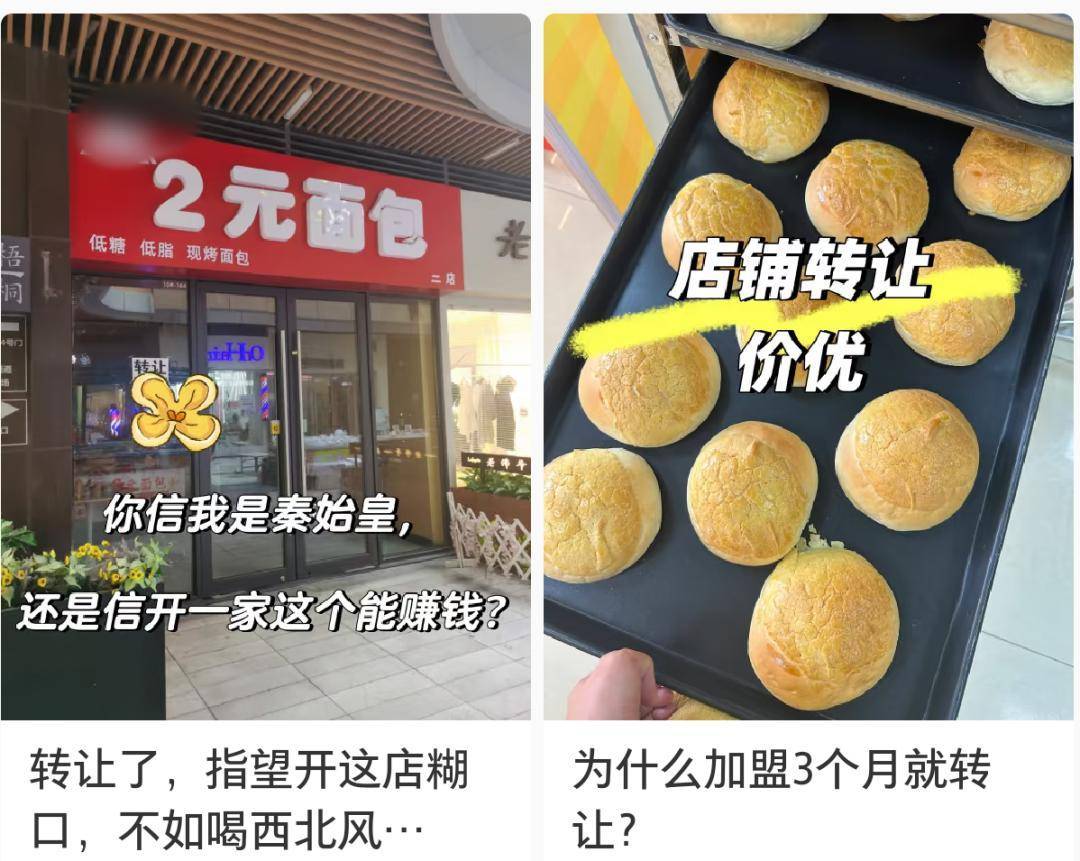
Core Insights - The recent trend in the food and beverage market features low-cost items like 2 yuan bread and 7 yuan beef noodle soup, attracting many entrepreneurs with stories of high earnings and rapid customer turnover [1][5] - Despite initial success, many of these businesses are facing challenges as the market becomes saturated, leading to closures and transfers of ownership [1][5][7] Market Dynamics - In Guangzhou, a concentration of 2 yuan bread and 7 yuan beef noodle soup shops has emerged, with multiple establishments opening within close proximity to each other [1] - Entrepreneurs are drawn to these low-cost, high-turnover models, but many are experiencing disappointing sales and are forced to close or transfer their businesses shortly after opening [5][7] Entrepreneurial Challenges - The influx of inexperienced entrepreneurs has intensified competition, with many opening shops without adequate market research or location analysis, resulting in financial losses [7][8] - The low entry barriers and high return expectations have led to a proliferation of similar businesses, which can dilute customer traffic and profitability [7] Sustainability Concerns - The lifecycle of small-scale food projects has shortened, with many businesses failing within months due to a lack of sustainable practices and market understanding [7][8] - Entrepreneurs are encouraged to adopt a more rational approach when selecting business ventures, emphasizing the importance of market research, competitive analysis, and strategic location selection to ensure long-term viability [8]


被爆吃出生蛆,正新鸡排正在年轻人中失去“魔力”
凤凰网财经· 2025-05-16 10:28
Core Viewpoint - The article highlights the recurring food safety issues faced by Zhengxin Chicken, which have led to a decline in consumer trust and brand reputation, despite its rapid expansion in the past. Group 1: Food Safety Issues - Zhengxin Chicken has been involved in multiple food safety controversies, including a recent incident where a customer reported finding maggots in chicken legs purchased from a store in Guizhou [2][4] - The local market supervision bureau has intervened, sealing similar products for testing, although the store claimed the video evidence was misleading [2][7] - Previous incidents include reports of unsanitary conditions, such as flies contaminating food and the use of old frying oil [4][8] - Numerous complaints have been filed against Zhengxin Chicken, citing issues like undercooked food, spoiled meat, and difficulty in obtaining refunds [8][9] Group 2: Business Performance and Challenges - Zhengxin Chicken, founded in 1995, has seen significant growth, expanding from 10,000 stores in 2017 to 25,000 by 2021, becoming a leading brand in the fast-food sector [11][12] - However, the company has faced stagnation, with the number of stores remaining at 25,000 as of March 2023, indicating no growth in franchise numbers over two years [14] - The price of chicken has increased from 10 yuan to as high as 15 yuan, which has affected consumer perception and sales [12][13] - The company has not disclosed updated store numbers since March 2023, with independent data suggesting a decline to approximately 10,695 stores by the end of 2023 [15][15] - The shift in consumer preferences towards healthier eating and increased competition in the market have further complicated Zhengxin Chicken's growth prospects [15][16]

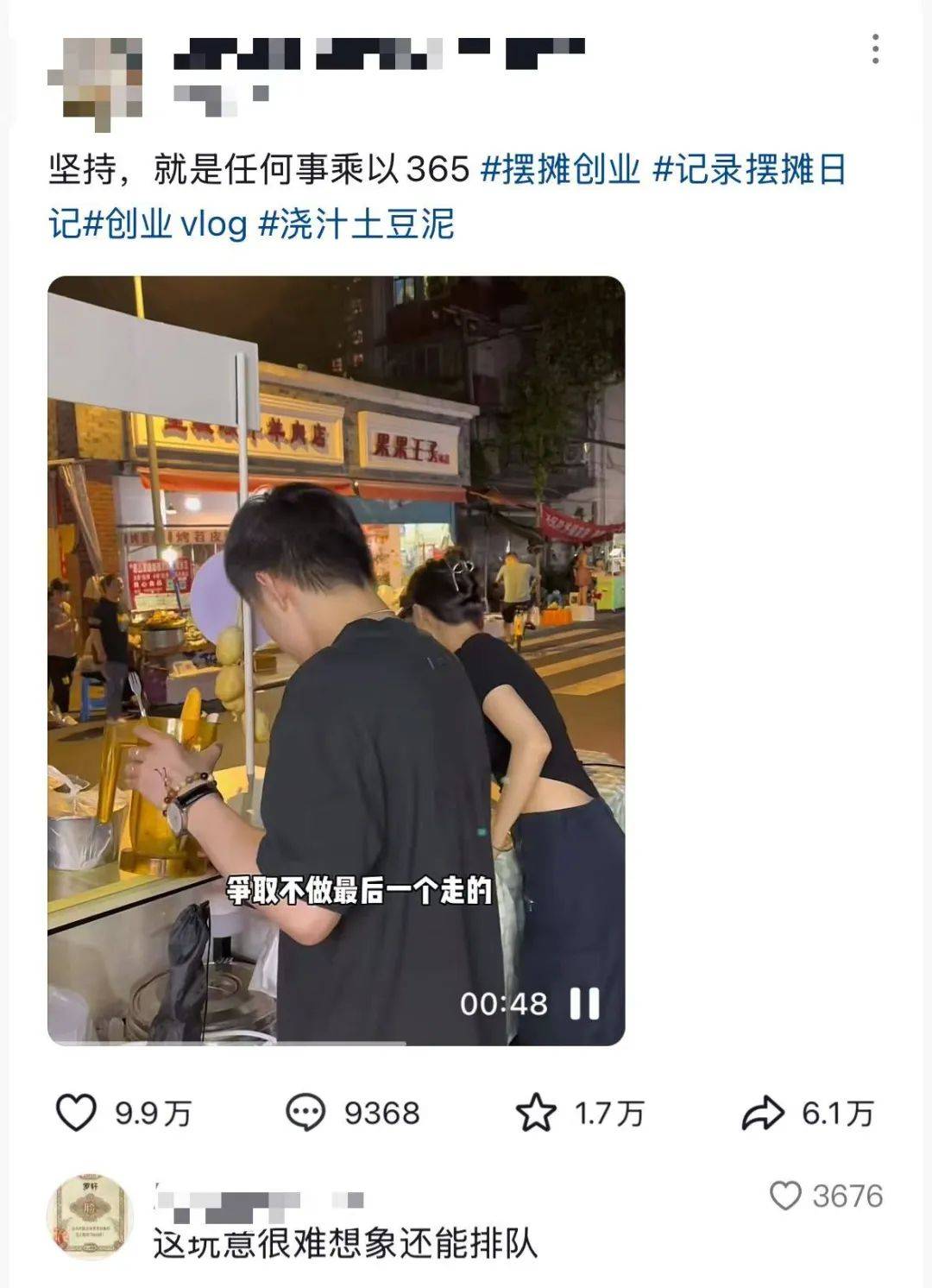
市集摆摊,先赔为敬
Hu Xiu· 2025-05-06 08:12
Core Insights - The article discusses the evolving landscape of street vending, highlighting the challenges and trends faced by vendors in the current market environment [1][8][9]. Group 1: Trends in Street Vending - Street vendors are increasingly influenced by internet food culture, often replicating popular online products to attract customers [3][4]. - There is a notable generational difference in product selection among vendors, with older vendors favoring traditional items while younger ones seek innovation [6][7]. - The rise of themed markets and events, such as "carbohydrate freedom festivals" and "handicraft festivals," reflects a trend towards niche marketing in street vending [5][9]. Group 2: Economic Dynamics - The street vending economy has transformed from a passive income source during economic downturns to a popular entrepreneurial avenue for youth [8][10]. - Government policies have shifted to support street markets, with cities promoting "creative night markets" and "composite commercial streets" [9][10]. - The cost of operating a street stall has increased, with vendors facing high fees for prime locations and additional costs for sanitation and management [22][23]. Group 3: Consumer Perception - Despite the growth of street vending, consumers are expressing dissatisfaction with rising prices, often finding street food comparable to or more expensive than traditional restaurants [25][27]. - The perception of street food as a cost-effective option has diminished, leading to complaints about affordability among consumers [28][29].