
水下机器人

Search documents
报告指全球海洋城市呈四大梯队分化,亚洲力量崛起明显
Zhong Guo Xin Wen Wang· 2025-10-11 08:27
Core Insights - The report indicates a clear differentiation among global ocean cities into four tiers, with a notable rise of Asian cities [1][2] - The assessment covers 60 global ocean cities based on five dimensions: economic vitality, technological innovation, maritime services, international influence, and urban governance [1] Group 1: Global Ocean City Rankings - London, Singapore, and New York are ranked in the top tier, serving as benchmarks for global ocean development [1] - Tokyo, Shanghai, Hong Kong, and Sydney are also prominent, forming the "leading forces" in the global ocean economy [1] - Asian cities, particularly Chinese cities like Shenzhen (ranked 11th globally) and Qingdao (ranked 16th), are emerging as significant players in global ocean competition [1][2] Group 2: China's Leading Ocean Economic Circles - Shanghai is identified as the leader of China's ocean economy, ranking second globally in economic vitality and maintaining the highest port cargo throughput [2] - Shenzhen ranks fourth globally in technological innovation, with strengths in marine electronic information, high-end equipment manufacturing, and underwater robotics [2] - Qingdao ranks eighth in technological innovation and is a major hub for marine scientific research in China, hosting about one-fifth of the country's marine research institutions [2] Group 3: Emerging Trends and Challenges - New technologies and business models, such as artificial intelligence, deep-sea development, and blue carbon trading, are reshaping the logic of ocean competition [2] - Chinese ocean cities need to enhance their "soft power" in areas like rule-making and ecological construction while maintaining their "hard infrastructure" advantages [2]
2025年中国水下机器人产业供应链十大代表性企业:天海防务、亚星锚链、鳍源科技、潜行创新、蔚海明祥……
Qian Zhan Wang· 2025-10-07 08:03
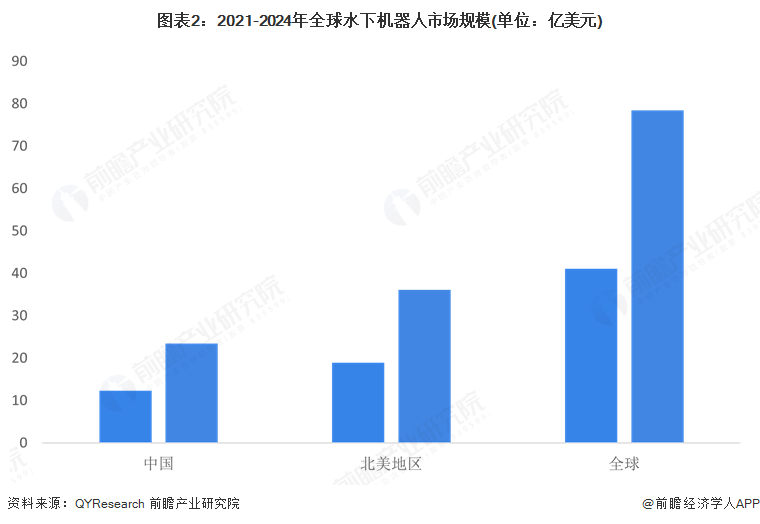
Core Insights - The underwater robotics industry is increasingly recognized as a key component in marine development, driven by government support and strategic initiatives [2][39] - The industry has established a complete value chain, from upstream technology development to downstream applications across various sectors [3][39] Industry Development - The Chinese government prioritizes the underwater robotics sector in its "14th Five-Year Plan," providing funding and favorable policies to promote technological innovation [2][39] - Coastal provinces like Guangdong, Shanghai, Jiangsu, and Zhejiang have become hubs for underwater robotics companies, benefiting from economic and marine resource advantages [5][36] Market Structure - The underwater robotics market in China is segmented into consumer-grade, industrial-grade, and military-grade products, with notable companies in each category [7][39] - The market is expected to grow significantly, with projections indicating a market size of approximately 74.74 billion yuan by 2030, reflecting a compound annual growth rate of 28.3% from 2025 to 2030 [39][40] Key Players - Leading companies in the underwater robotics sector include: - Tianhai Defense, known for its AUV and ROV capabilities, with a revenue of 3.945 billion yuan in 2024 [10] - Yaxing Anchor Chain, the largest anchor chain manufacturer globally, with a production capacity of 200,000 tons [13] - Qiyuan Technology, specializing in underwater AI solutions and holding over 150 global patents [16] - Qianxing Innovation, a leading global player in underwater robotics with a strong R&D team [18] - Deep Blue Technology, focusing on underwater intelligent equipment and solutions [21] Market Trends - The global underwater robotics market is projected to reach $7.85 billion by 2024, with North America being the largest market [33][34] - China's underwater robotics market is expected to reach $2.35 billion by 2024, making it the second-largest market globally [34] - The industry is entering a high-growth phase, driven by advancements in AI, 5G, and new materials, enhancing product intelligence and operational capabilities [40]


水下机器人“海龟”诞生记
Ke Ji Ri Bao· 2025-09-21 01:22
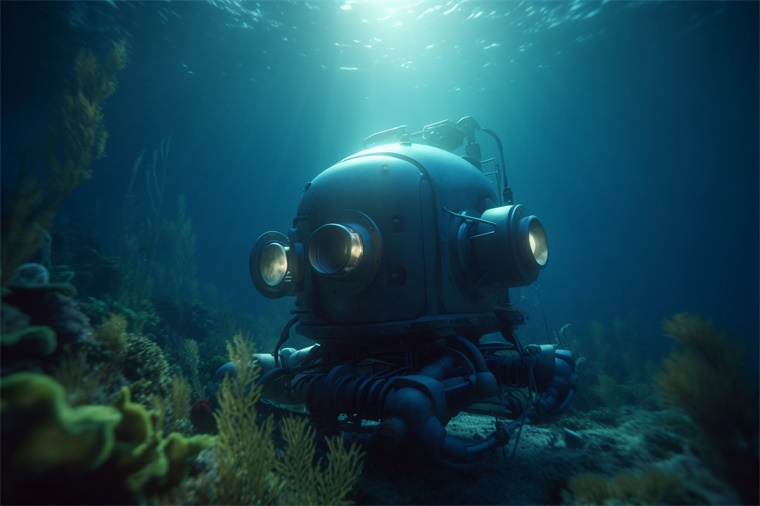
Core Viewpoint - The development of the agile underwater robot "Turtle" by Harbin Engineering University represents a significant advancement in underwater observation technology, enabling precise, efficient, and environmentally friendly exploration of marine environments [1][4]. Group 1: Technological Innovations - The "Turtle" robot reduces sediment disturbance by 90%, allowing for clearer underwater observations compared to traditional robots that create significant sediment clouds [2][3]. - A mathematical model was developed to predict the robot's low disturbance performance, enhancing research efficiency and reducing the need for extensive physical testing [3]. - The robot's stability has improved by 7.16 times, allowing it to maintain close proximity to the seabed while effectively adjusting its posture in response to external forces [5][6]. Group 2: Navigation and Maneuverability - The introduction of a posture constraint algorithm allows the "Turtle" robot to achieve 360-degree maneuverability, enabling it to navigate complex underwater terrains with ease [7]. - The robot demonstrated its agility through a practical test, successfully completing a challenging task in a confined space, showcasing its advanced navigation capabilities [8]. Group 3: Future Applications - The "Turtle" robot is expected to play a crucial role in coral observation, underwater rescue, and mining operations, with plans to enhance its functionality by adding features like macro cameras and robotic arms for more versatile applications [8].

深圳发布水下机器人应用场景
Shen Zhen Shang Bao· 2025-09-15 03:24
Group 1 - The Shenzhen Marine Industry Cluster Conference and Underwater Robot Industry Alliance 2025 Annual Meeting was held, aiming to inject new momentum into Shenzhen's goal of becoming a global marine center city [1] - From January to July this year, Shenzhen's marine economy has shown stable overall performance and a positive development trend, with key enterprises in the marine oil service industry maintaining good operational conditions [1] - The Shenzhen Underwater Robot Application Scenario Opportunity List focuses on five major areas: marine oil and gas, deep-sea mining, offshore wind power, shipbuilding, and marine transportation, including over 20 specific demands [1] Group 2 - The Nanshan District Development and Reform Bureau introduced special support policies for the marine industry, with 18 million yuan allocated this year to support underwater intelligent equipment research and application [2] - The underwater robot industry alliance has gathered numerous quality enterprises and research institutions, covering key aspects of the industry chain such as body research and development, mechanical arms, and sensors [2] - The alliance promotes collaboration between demand and technology providers through initiatives like "project bidding" and scenario matching meetings, accelerating the application of underwater robots in innovative fields such as smart water services and marine surveying [2]
第四届世界大学生水下机器人大赛收官
Zhong Guo Zi Ran Zi Yuan Bao· 2025-08-27 07:06
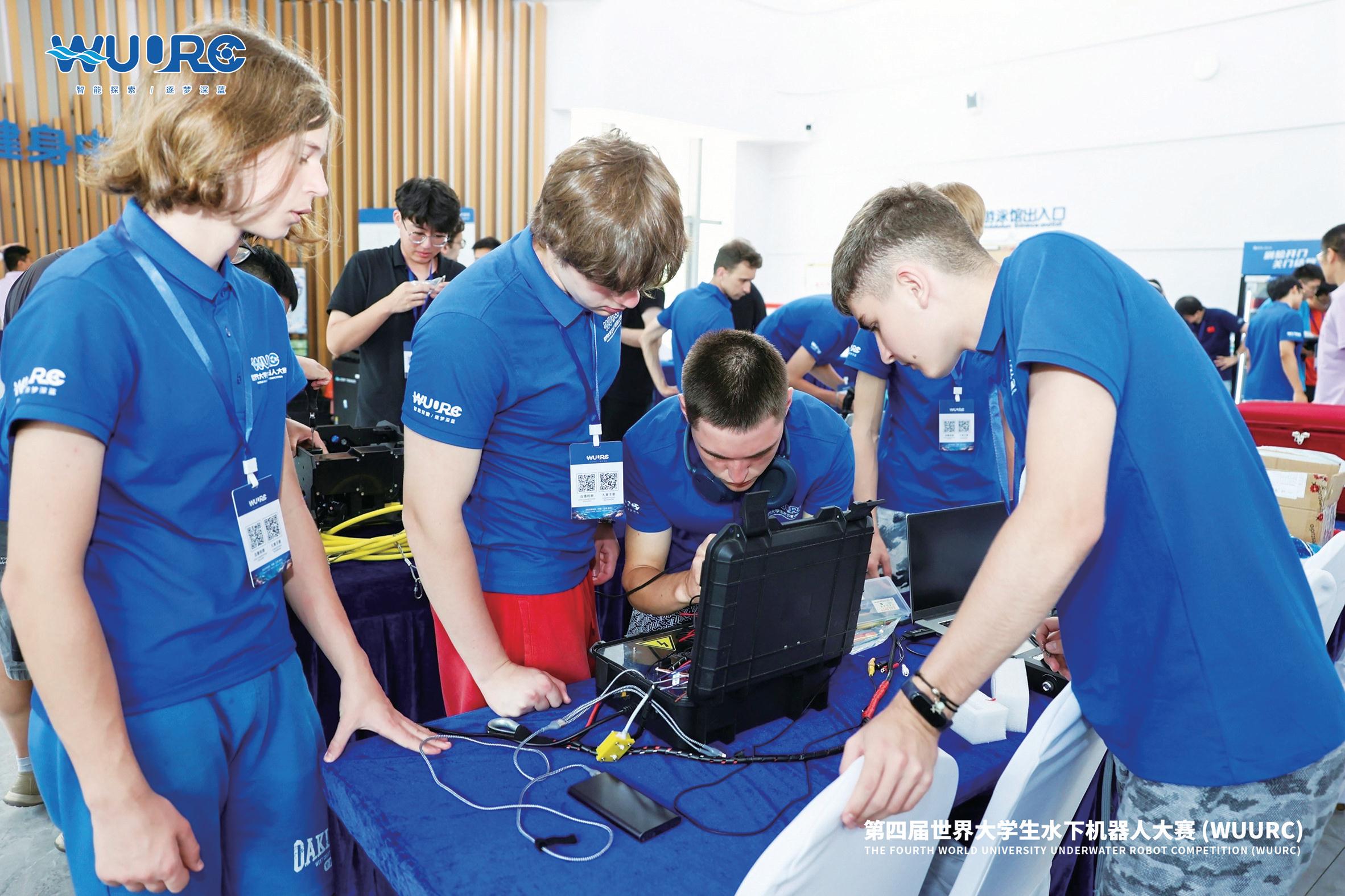
Core Insights - The Fourth World University Underwater Robot Competition concluded at Harbin Engineering University, showcasing significant advancements in underwater robotics and technology [3][4] - The event has become a globally influential brand, promoting technological cooperation and cultural exchange [3] - The competition focused on real-world applications in the maritime industry, aiming to cultivate innovative engineering talents [3] Group 1: Competition Overview - The competition featured three tracks: Autonomous Underwater Vehicles (AUV), Remotely Operated Vehicles (ROV), and Creative Concepts [3] - Harbin Engineering University's teams won championships in both the AUV and ROV categories [3] - A total of 130 teams from 27 domestic and international institutions participated, with awards distributed across various categories [4] Group 2: Technological Focus - The competition emphasized practical scenarios such as underwater pipeline inspection and environmental sample collection, assessing capabilities in underwater detection, intelligent control, and autonomous decision-making [3] - The AUV track replicated the "Deep Sea No. 1" operational chain, requiring teams to achieve complex tasks involving dual-mode navigation and underwater collaboration [4] - The ROV track simulated aquaculture scenarios, where teams executed precise tasks like deployment and harvesting [4]
企业竞争图谱:2025年水下机器人行业头豹词条报告系列
Xin Lang Cai Jing· 2025-08-27 02:42
Core Viewpoint - Underwater robots are essential components of marine defense systems, capable of performing extreme underwater tasks with various functionalities [1] Industry Trends - The future development of underwater robots is shifting from multifunctional single units to specialized and modular designs [1] - There is a transition from individual operations to collaborative group efforts and multi-platform coordination [1] - The evolution from information-based systems to autonomous underwater vehicles (AUVs) is anticipated [1] Market Drivers - The market size is driven by the development of marine resource exploration [1] - The rapid growth of the underwater entertainment industry is also expected to propel the underwater robotics sector [1] - Increasing demand for consumer-grade underwater robots is providing a strong impetus for industry growth [1]
向海洋最深处进发
Ren Min Ri Bao· 2025-08-26 00:39
Core Viewpoint - The article highlights the advancements and achievements of China's underwater robotics, particularly focusing on the "Haidou" series of submersibles, emphasizing their contributions to scientific exploration and data collection in deep-sea environments [1][2][3]. Group 1: Technological Advancements - The "Haidou 1" submersible has made significant progress from experimental applications to widespread use, overcoming key technical challenges such as multi-vessel compatibility and autonomous operations, greatly enhancing its versatility [1]. - The underwater robotics research team has successfully achieved record-breaking depths with the "Haidou" submersible series, including the first successful descent beyond 10,000 meters, which provided valuable temperature, salinity, and depth data from the ocean's depths [2]. Group 2: Team and Organizational Structure - The underwater robotics research team consists of 127 members, with 71 being party members, showcasing the strong organizational structure and commitment to the mission of advancing underwater robotics in China [3]. - The article emphasizes the dedication of team members, many of whom have sacrificed personal opportunities and time with family to contribute to the success of underwater missions, reflecting a strong sense of duty and teamwork [2][3]. Group 3: Future Aspirations - The team aims to continue pushing the boundaries of underwater exploration, with a commitment to placing the party flag in the deepest parts of the ocean, symbolizing their dedication to national and scientific goals [3].
向海洋最深处进发(党旗在基层一线高高飘扬)
Ren Min Ri Bao· 2025-08-25 22:27
Core Viewpoint - The "Haidou-1" submersible is embarking on a scientific mission in the South China Sea, showcasing advancements in underwater robotics technology and the commitment of the research team to contribute valuable scientific data [1]. Group 1: Technological Advancements - The "Haidou-1" has achieved significant breakthroughs in key technologies such as multi-vessel compatibility and autonomous operations, greatly enhancing its versatility [1]. - The research team has successfully transitioned from experimental applications to broader operational capabilities, with the "Haidou" series setting records for maximum diving depths [2]. Group 2: Team Commitment and Achievements - The underwater robotics research team, consisting of 127 members with 71 party members, has demonstrated unwavering dedication, often sacrificing personal opportunities for the advancement of underwater robotics [3]. - The team has successfully completed multiple deep-sea missions, including the first successful dive beyond 10,000 meters, which provided critical temperature, salinity, and depth data from the ocean's depths [2]. Group 3: Organizational Support - The establishment of temporary party groups on research vessels has been a tradition, emphasizing the importance of organizational support in overcoming challenges during missions [1]. - The leadership within the team has played a crucial role in decision-making during critical moments, ensuring that the team can take bold actions backed by organizational trust [1].
水下机器人产业招商清单:天海防务、亚星锚链、鳍源科技等最新投资动向【附关键企业名录】
Qian Zhan Wang· 2025-08-17 06:59
Core Viewpoint - The underwater robotics market is experiencing explosive growth, with the global market expected to reach $7.85 billion by 2024, driven by advancements in technology and increasing applications in various sectors [1][3]. Market Overview - The underwater robotics market in China is projected to grow at a compound annual growth rate (CAGR) of 28.3%, surpassing the global average, and is expected to exceed $10.33 billion by 2030 [3]. - North America leads the global market with a size of $3 billion, while China follows closely with a market size of $2.35 billion, accounting for 30% of the global market [1]. Product Segmentation - Underwater robots can be categorized into consumer-grade and industrial/military-grade robots, with industrial and military products dominating the high-end market [5]. - Applications include marine exploration, underwater rescue, resource development, and ecological protection, with notable implementations in various sectors such as marine ranching and oil and gas [5][8]. Industry Chain - China's underwater robotics industry chain has formed a complete closed loop from hardware research and development to complete machine manufacturing and application scenarios [5]. - The upstream includes core hardware and technology system development, while the midstream focuses on complete machine manufacturing, and the downstream encompasses applications in marine engineering, aquaculture, scientific research, and environmental monitoring [8]. Technological Advancements - Domestic components such as microcontrollers, high-precision thrusters, and multi-beam sonar are gradually replacing imports, enhancing efficiency by 40% [8]. - Companies like Tianhai Defense have established modular production systems, achieving significant operational records in the South China Sea [8]. Policy Support - The Chinese government emphasizes the development of the underwater robotics industry through policies like the "14th Five-Year Plan," which includes setting up special funds and providing tax incentives [10][11]. - Local governments are actively attracting investment in underwater robotics, which is seen as a key area for upgrading local manufacturing and enhancing regional competitiveness [11]. Leading Companies - Tianhai Defense is a leading player in the underwater robotics sector, with a reported revenue of 3.945 billion yuan in 2024, showcasing strong technical research and market application capabilities [15][20]. - The company has a significant market share in the civil sector, with its "Haixun" series AUV and 3000-meter ROV leading in operational capabilities [19][20]. Market Demand Structure - The marine engineering sector represents the highest demand for underwater robots, accounting for 35% of the market, driven by increasing activities in deep-sea mining [21]. - The aquaculture sector follows with a 20% share, where underwater robots monitor water quality parameters to ensure healthy growth of aquatic organisms [21][23]. Regional Insights - As of May 2025, there are over 200 active companies in China's underwater robotics sector, with Guangdong province having the highest concentration of approximately 49 companies [26]. Future Outlook - Experts predict that underwater robots will accelerate the digital transformation of the marine development industry, with significant opportunities in deep-sea mining, environmental monitoring, and marine scientific research [29].
2025年中国水下机器人行业概览:深海科技崛起,水下机器人如何撬动万亿市场
Tou Bao Yan Jiu Yuan· 2025-07-30 13:12
Investment Rating - The report does not explicitly state an investment rating for the underwater robot industry Core Insights - The underwater robot industry in China is at an early stage of development, with significant potential for growth driven by advancements in technology and increasing demand across various applications [3][5] - The market size for underwater robots in China is projected to reach 637.1 billion yuan by 2030, growing at a compound annual growth rate (CAGR) of approximately 25% from 2024 [5][40][42] Industry Development Status - The underwater robot is defined as a robot capable of operating underwater to assist or replace humans in extreme underwater tasks. The ocean covers about 71% of the Earth's surface, with 93% of the deep-sea floor (below 200 meters) yet to be explored. Underwater robots serve as the "eyes" and "arms" for deep-sea exploration [3][4] - The industry is characterized by a low market concentration and differentiated competition among companies, which can be categorized into consumer-grade, industrial-grade, and military-grade underwater robots [4][38] Market Competition - The Chinese underwater robot industry has not yet formed a clustering effect, leading to a low concentration of market players. Companies like Deep Blue, Boya Gongdao, and Qianwei represent consumer-grade products, while industrial-grade products are represented by companies like Zhonghai Huigu [4][38] Market Size - The underwater robot market in China is expected to reach 167 billion yuan by 2024, with a projected growth to 637.1 billion yuan by 2030. The demand is driven by various sectors, including marine oil and gas exploration, aquaculture, underwater security, and more [5][40][42] Industry Chain Overview - The underwater robot industry chain consists of upstream core materials and technology systems, midstream manufacturing companies, and downstream application fields such as marine engineering, aquaculture, and scientific research [24][29] Development Trends - Future trends indicate a shift from multifunctional underwater robots to specialized and modular designs, as well as a transition from single-unit operations to collaborative group operations among different types of underwater robots [45][46][47]