水利工程

Search documents
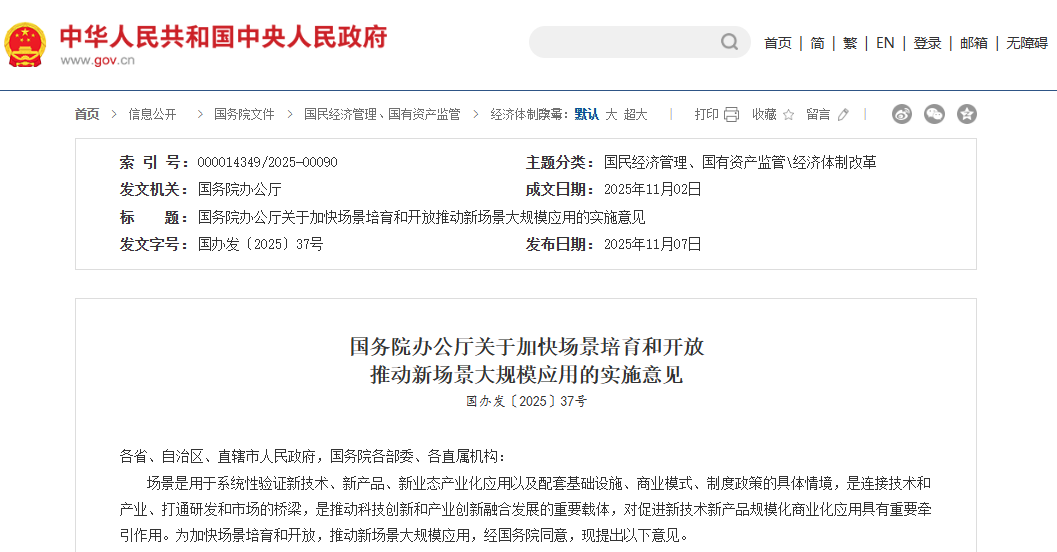
大禹节水:公司已积累地下水资源勘探、深水井建设配套节水技术等实践经验
Zheng Quan Ri Bao· 2025-11-14 12:14
Core Viewpoint - Dayu Water-saving focuses on the water conservancy and agriculture sectors, emphasizing its experience in groundwater resource exploration and water-saving technologies related to deep well construction [2] Group 1: Company Strategy - The company has accumulated practical experience in groundwater resource exploration and water-saving technologies for deep well construction [2] - Dayu Water-saving will continue to monitor policy trends and technological advancements in the context of the "deep economy" development trend [2] - The company plans to explore opportunities related to groundwater resource development and supporting deep water conservancy projects, with future strategic layouts to be disclosed to the market [2]


大禹节水:已采取多项措施改善盈利水平
Zheng Quan Ri Bao· 2025-11-14 12:13
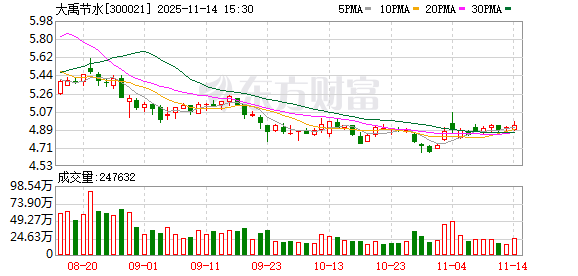
(文章来源:证券日报) 证券日报网讯大禹节水11月14日在互动平台回答投资者提问时表示,公司去年同期房产出售带来了较大 非经常性收益,造成了今年三季报净利润的同比下滑,但扣非净利润对于三同比扭亏为盈,显示了基本 面的稳中有进。公司收入和利润行业季节性波动较大。公司已采取多项措施改善盈利水平:一是优化项 目结算节奏,加快存量项目回款;二是严控成本费用,提升运营效率;三是聚焦高毛利业务,增强盈利 质量。后续公司将持续推进降本增效,以稳定的盈利增长回报投资者。 ...
大禹节水:公司高度重视技术创新与奖项申报工作
Zheng Quan Ri Bao· 2025-11-14 12:13
(文章来源:证券日报) 证券日报网讯大禹节水11月14日在互动平台回答投资者提问时表示,大禹水利科学技术奖是水利行业重 要的技术奖项,旨在表彰水利领域具有创新性、实用性的技术成果与实践贡献。公司高度重视技术创新 与奖项申报工作,目前正积极评估2025年度奖项的申报资格与相关成果,将根据评估结果决定是否申 报。过往年度公司曾参与相关奖项申报并获得认可,其中防汛抗旱指挥平台曾获得特等奖。后续若有申 报进展或获奖情况,将及时向投资者通报。 ...
大禹节水:公司持续关注聊城位山灌区相关建设机会
Zheng Quan Ri Bao· 2025-11-14 12:13
(文章来源:证券日报) 证券日报网讯大禹节水11月14日在互动平台回答投资者提问时表示,公司持续关注聊城位山灌区相关建 设机会,项目目前在申报阶段,公司将密切跟踪项目进展,积极对接相关合作机会,若未来达成合作或 取得实质性进展,将按照信息披露要求及时公告。 ...
大禹节水(300021.SZ):在福建地区已布局水利工程建设、节水设备供应、全域土地整治等业务
Ge Long Hui· 2025-11-14 07:07
Core Viewpoint - Dayu Water-saving (300021.SZ) is actively expanding its business in Fujian province, focusing on water conservancy projects, water-saving equipment supply, and land remediation, while participating in local agricultural water conservancy renovation and water resource optimization projects [1] Group 1 - The company has established a presence in Fujian, engaging in water conservancy construction and related services [1] - Future plans include leveraging local teams to further expand into the southeastern Fujian market, supported by local policies and industry demand [1] - The company aims to participate in projects such as the construction of smart water networks, water resource security for islands, and high-standard farmland development in Fujian [1] Group 2 - Dayu Water-saving is exploring collaboration opportunities with local enterprises and research institutions to enhance its regional influence [1] - Progress on related business activities will be disclosed in a timely manner as per regulations [1]
近1500名参建人员、300余台机械设备“钉”在东风渠总干渠整治项目工地上 立下“军令状”:本月25日通水
Si Chuan Ri Bao· 2025-11-14 01:11
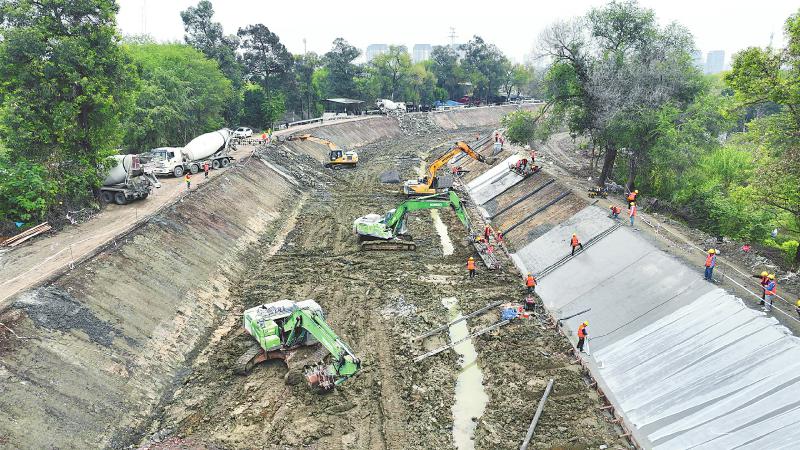
目前进入施工高峰期,力争11月22日前完成混凝土浇筑作业,确保11月25日总干渠恢复通水 11月12日一早,位于成都市成华区与龙泉驿区交界处的东风渠总干渠整治项目施工现场,四川省都江堰水利 发展中心东风渠管理处规建科科长何晓强和同事已在工地上紧盯技术细节。作为项目现场办公室技术负责人,自 10月25日断流进场施工以来,何晓强和同事们每天都"钉"在工地上。"参建各方立下确保11月25日通水的'军令 状',时间紧、任务重、强度高,每天必须争分夺秒。" 为何必须确保11月25日通水 "此次东风渠总干渠整治覆盖范围广、工程量大,对沿线供水影响也很大。"何晓强介绍,东风渠主要承担向 成都、眉山2市19个县(市、区)及天府新区输送生活、生产、生态用水的任务,是都江堰灌区的一条输水大动 脉。 项目名片 东风渠总干渠整治项目 项目概况 都江堰灌区"十四五"续建配套与现代化改造工程收官的关键项目,本年度投资2.37亿元,涉及整治渠道20公 里 项目进展 11月12日,东风渠总干渠整治项目工程施工现场。 施工现场,工人手持振捣棒对刚浇筑的混凝土边坡进行振捣作业,以提升混凝土的密实度和强度。多台挖掘 机同步对渠底进行清理与平整,为 ...
【省水利厅】陕西水利:潮涌三秦绘绿卷 江河作笔谱新篇
Shan Xi Ri Bao· 2025-11-12 00:09
Core Viewpoint - The news emphasizes the importance of water management and ecological restoration in Shaanxi Province, highlighting the integration of ecological protection with economic development through the "Happy Rivers and Lakes" initiative [1][4][8]. Group 1: Water Management and Ecological Restoration - Shaanxi's water management system has been strengthened since the "14th Five-Year Plan," focusing on the "river and lake chief system" and comprehensive governance of water resources, environment, and ecology [1][4]. - The province aims to achieve a significant improvement in river and lake conditions by 2030 and 2035, with goals including clean water, beautiful landscapes, and harmonious human-water relationships [4][8]. - The "Happy Rivers and Lakes" initiative has led to the transformation of local water bodies, enhancing the living environment and providing ecological benefits to the community [2][3]. Group 2: Economic Development through Ecological Initiatives - The initiative promotes the integration of ecological restoration with economic development, creating high-quality development spaces centered around rivers and lakes [4][8]. - The construction of ecological corridors and parks along rivers aims to enhance recreational spaces while fostering community engagement and tourism [6][8]. - The province is exploring pathways for converting ecological products into economic value, ensuring that environmental benefits translate into economic advantages for local communities [9][11]. Group 3: Carbon Trading and Sustainable Practices - Shaanxi has initiated carbon trading projects related to soil and water conservation, exemplifying innovative approaches to ecological product value realization [9][10]. - The province's efforts in soil and water conservation have led to significant improvements in vegetation cover and reductions in soil erosion, contributing to carbon sequestration goals [9][11]. - The implementation of a market-oriented approach to ecological product value realization aims to foster sustainable development and enhance the quality of life for residents [11].
引大济岷工程启动建设 大渡河“牵手”岷江 双水源滋养平原(美丽中国)
Ren Min Ri Bao· 2025-11-10 22:18
Core Points - The Yinda Jimin Project has officially commenced construction, aiming to create a dual water source network with the Dujiangyan water supply project, enhancing regional water resource regulation capacity and supporting ecological protection in the upper Yangtze River [1][2][3] Group 1: Project Overview - The Yinda Jimin Project is a key backbone water network project as outlined in the National Water Network Construction Planning Outline, covering 8 cities and 43 counties, benefiting a population of 34.13 million [1][2] - The project will establish a water supply pattern consisting of a main line and two branch lines, with an annual water diversion capacity of 1.523 billion cubic meters, ending the reliance on a single water source for the Chengdu Plain [3][4] Group 2: Engineering Challenges - The project involves a total water conveyance length of 261 kilometers, with 95% of the route consisting of tunnels and pipelines, facing complex geological conditions [4][5] - Innovative drilling techniques are being employed to minimize environmental disturbance, including horizontal directional drilling and real-time monitoring of geological conditions [5][7] Group 3: Environmental Considerations - The project emphasizes ecological protection, implementing full-cycle ecological monitoring and dynamic restoration during construction [6][8] - Measures such as low-noise operations and green transportation are being adopted to reduce ecological disruption, with plans to enhance regional ecological corridors upon completion [8][9]
改革赋能水治理!陆河清淤物业化实现“短期整治”到“持久惠民”跨越
Nan Fang Nong Cun Bao· 2025-11-10 06:50
Core Insights - The article emphasizes the innovative approach taken by Luhua County in Guangdong to enhance water management through a market-oriented model, addressing traditional inefficiencies in waterway maintenance [1][2][4] Group 1: Mechanism Innovation - Luhua County has shifted from a "fiscal support" model to a "performance-based payment" system, utilizing professional property management companies for waterway maintenance [2][4] - A specialized team of 12 members has been established, equipped with 11 machines, to implement dynamic management of water bodies, ensuring efficient resource allocation [2][4] Group 2: Efficiency and Quality Control - A three-tiered supervision mechanism involving county, town, and village levels has been implemented to ensure quality and efficiency in the cleaning process [4] - The approval process for cleaning projects has been streamlined from 2-3 months to just 2 days, significantly enhancing operational efficiency [4] Group 3: Targeted Governance and Resource Utilization - The governance strategy includes a comprehensive assessment of water facilities, establishing a database for targeted cleaning efforts, and prioritizing ecological protection [7] - The initiative has also focused on the resource utilization of dredged materials, with valuable sediments being sold, generating over 3 million yuan in revenue [7] Group 4: Socioeconomic Impact - The reforms have led to visible improvements in the local environment, with cleaner water bodies and enhanced agricultural productivity, benefiting rural revitalization efforts [8][10] - The cost of operations has decreased by approximately 40% compared to traditional methods, while also improving irrigation capabilities for nearly 10,000 acres of farmland [10] Group 5: Overall Development - The water management reforms in Luhua County serve as a model for integrating ecological benefits with economic growth, contributing to the broader goals of the "Hundred Million Project" [12]
利好来了!刚刚 国办发布实施意见!信息量很大
Zhong Guo Ji Jin Bao· 2025-11-07 16:20
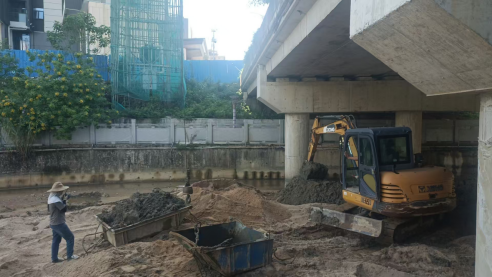
Core Viewpoint - The State Council's implementation opinion aims to accelerate the cultivation and large-scale application of new scenarios, emphasizing the integration of technology and industry to promote economic and social high-quality development [1][3]. Summary by Relevant Sections Overall Requirements - The opinion emphasizes innovation-driven, reform-promotion, and systematic advancement, leveraging China's vast market and diverse application scenarios to support the construction of major comprehensive scenarios and high-value niche scenarios [8]. Economic and Social Application Scenarios - Focus on creating new application scenarios in digital economy, artificial intelligence, unmanned systems, and biotechnology, with specific emphasis on integrating these technologies into various industries [9][10]. New Industry Application Scenarios - In manufacturing, the focus is on smart and green manufacturing, while in transportation, the emphasis is on intelligent traffic management and logistics [11][12]. Industry-Specific Application Scenarios - Emergency management, mining safety, and smart water management are highlighted as key areas for developing innovative application scenarios [13][14]. Social Governance and Public Services - The opinion promotes the development of smart governance services, including intelligent appointment systems and digital social security, to enhance public service efficiency [15][16]. Enhancing Application Scenario Support - The document outlines the need for policy support and management systems to ensure the effective implementation of new application scenarios, emphasizing collaboration among various sectors [20][21].