
葡萄酒

Search documents
【财经分析】意大利葡萄酒行业受美关税冲击 酒商寻求出口新策略
Xin Hua Cai Jing· 2025-08-20 22:43
Core Insights - The implementation of a 15% tariff on Italian wine exports to the U.S. has resulted in significant economic losses for Italian wine producers, prompting a shift in market strategies [1][2][3] Impact on the Wine Industry - Italian wine exports to the U.S. are valued at €2 billion in 2024, accounting for nearly 25% of the global export value of this category [2] - The tariff has forced producers like Guido Porro's winery to offer a 5% discount to U.S. importers to maintain business relationships, thereby reducing their profit margins [2] - The Italian Farmers' Association has highlighted that the wine industry is a crucial economic engine for Italy, and the current tariff situation poses a risk to the achievements of small and medium enterprises in the sector [2] Financial Losses - The Italian Wine Producers Association estimates that the 15% tariff will lead to approximately €317 million in losses for the industry over the next year [3] Global Trade Repercussions - The tariff has not only affected profit margins but has also led to fluctuations in market demand and delayed purchases from importers, increasing financial and inventory pressures on wineries [4] - The interconnected nature of global trade means that U.S. tariffs have repercussions for Italian wine exports, as seen with Canadian importers reducing purchases of U.S. wines, which in turn affects their ability to buy Italian wines [4] Market Strategy Adjustments - In response to the tariff, many Italian wineries are diversifying their market strategies, focusing on strengthening partnerships with Asian markets, particularly China [5] - The Chianti Wine Consortium's president emphasized the need to view the U.S. tariff as an opportunity to shift focus to more stable markets in South America, Asia, and Africa [5] Future Outlook - An economics professor from Rome's Second University suggests that Italy should not rely solely on the U.S. market, especially given the current economic conditions in the U.S. [6] - The professor believes that the tariff situation could serve as a catalyst for enhancing trade relations between European companies and China, particularly between Italy and China [6]
广东蓝带集团旗下葡萄酒厂宣告破产
Sou Hu Cai Jing· 2025-08-20 18:35
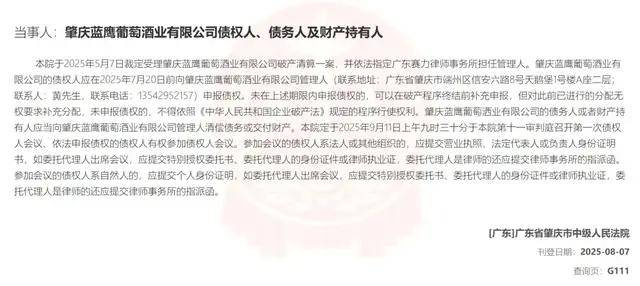
Core Viewpoint - The bankruptcy of Zhaoqing Blue Eagle Wine Industry Co., Ltd. highlights the challenges faced by beer companies attempting to diversify into the wine sector, as evidenced by the failure of Blue Eagle and similar struggles experienced by major beer corporations in the wine market [1][11][12] Company Summary - Zhaoqing Blue Eagle Wine Industry Co., Ltd. was established in 1996 as a joint venture involving Guangdong Blue Ribbon Group Co., Ltd., American KING Company, and Hong Kong Jiayin [1] - The company had its business license revoked in 2006, and the recent bankruptcy liquidation was initiated by the government after nearly 20 years [4] - Blue Eagle initially aimed to replicate the success of Blue Ribbon beer by venturing into wine production, utilizing American brewing technology and Italian production lines [6][7] - Despite producing red and white wines, Blue Eagle failed to establish a significant market presence, with many local distributors unaware of its products [7][10] Industry Summary - The challenges faced by Blue Eagle reflect broader difficulties in the beer industry, where major companies like Constellation, AB InBev, and others have struggled to achieve expected returns from their wine ventures [11] - Constellation Brands recently sold several wine brands amid a decline in wine sales, while AB InBev ceased canned wine production and Treasury Wine Estates divested from certain wine operations [11] - The inherent differences in market logic, consumer mindset, and profit models between beer and wine create significant barriers for beer companies attempting to enter the wine market [12] - Successful integration into the wine sector may require a long-term commitment, specialized team development, and a deeper understanding of local consumer culture [12]

200元一瓶的国产葡萄酒也卖不动了丨一线
Sou Hu Cai Jing· 2025-08-19 05:40
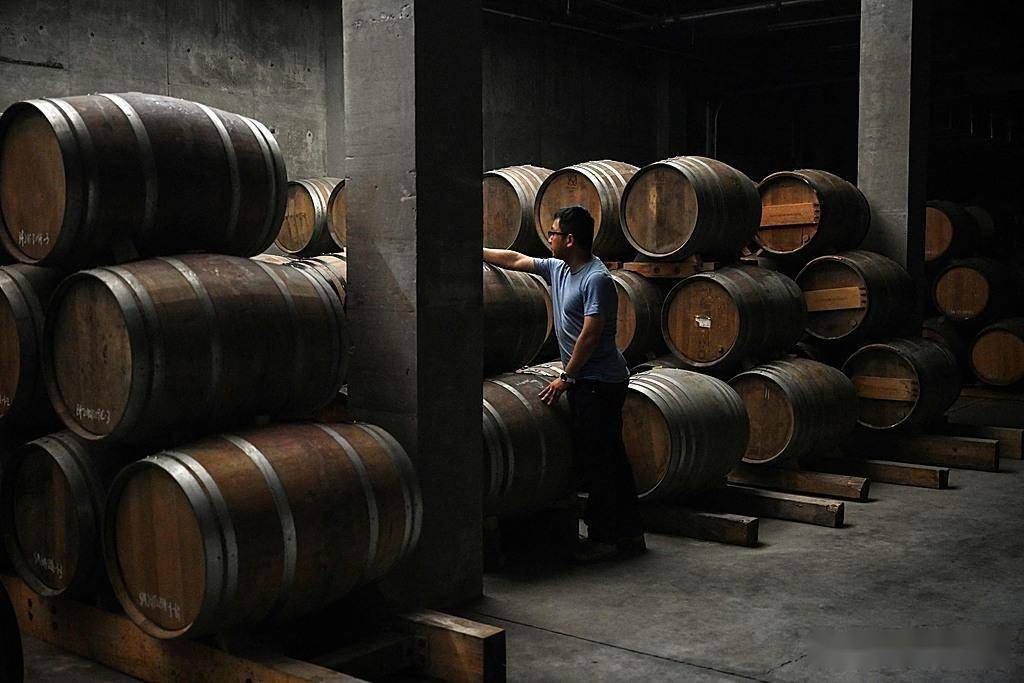
Core Viewpoint - The transformation and upgrade of domestic wine in China is essential to break free from traditional Western wine culture and establish a local wine culture with higher standards for cost-effective products, which is key for future success [1][41]. Industry Overview - The Helan Mountain area in Ningxia is now China's largest concentrated wine grape production region, covering over 600,000 acres, accounting for nearly 40% of the national total, with an annual wine production of 140 million bottles and a comprehensive output value of 40 billion yuan [3]. - Ningxia's wine industry has 261 enterprises and 130 wineries, with over 1800 awards won in international competitions, representing more than 60% of the national total [6]. Market Challenges - Domestic wine production has significantly declined from a peak of 1.38 billion liters in 2012 to an estimated 118 million liters in 2024, a drop of over 91% [8]. - In 2024, China's wine imports are projected to reach 280 million liters, a growth of 13.6%, further squeezing the domestic market [8]. - The recent "ban on alcohol" has added pressure to an already fragile domestic wine market [8]. Pricing and Sales Strategies - The main price range for Ningxia wines is between 80 to 800 yuan, with some wineries forced to lower prices to recover costs [11][12]. - Many wineries are struggling with sales, focusing heavily on production while lacking effective sales strategies [13]. Production and Operational Challenges - The traditional cultivation methods and lack of industrial support have led to high production costs, with significant reliance on manual labor due to unsuitable conditions for large-scale mechanization [15][18]. - The local market lacks sufficient industrial and market infrastructure, with many key materials sourced from outside the region [19]. Survival Strategies - Wineries are diversifying by selling raw materials and original wine to reduce costs, with some shifting focus from branded wines to raw wine sales [26]. - Tourism has become a significant revenue stream, with wineries attracting visitors through unique experiences and educational tours [29]. - Export opportunities are growing, with a projected export value of 13.75 million yuan in 2024, a year-on-year increase of about 42% [32]. Cultural and Consumer Insights - There is a notable lack of wine drinking culture in Ningxia, with local preferences leaning towards baijiu and beer [36]. - The perception of wine as a high-end product has hindered its acceptance among the general population, leading to a disconnect between quality and pricing [37][39]. Future Trends - The industry is witnessing a shift towards younger, more fashionable wine options, with an increasing market share for white wines [43]. - Emphasis on quality control and high cost-performance products is becoming more prevalent, as wineries seek to improve their offerings [44]. - Collaboration among smaller wineries is encouraged to reduce costs and enhance brand competitiveness [47].
200元一瓶的国产葡萄酒也卖不动了丨一线
吴晓波频道· 2025-08-19 00:29
Core Viewpoint - The transformation and upgrade of domestic wine in China is essential to break free from traditional Western wine culture and establish a local wine culture with higher standards and cost-effectiveness, which is key to future success [2][52]. Industry Overview - Ningxia is now China's largest contiguous wine grape production area, covering over 600,000 acres, accounting for nearly 40% of the national total, with an annual production of 140 million bottles and a comprehensive output value of 40 billion yuan [3]. - The region has 261 wineries and 130 established wine estates, with over 1800 awards won in international competitions, representing over 60% of the national total [5]. Current Challenges - Domestic wine production has significantly declined from a peak of 1.38 billion liters in 2012 to an estimated 118 million liters in 2024, a drop of over 91% [7]. - The market is increasingly dominated by imported wines, with imports reaching 280 million liters in 2024, a growth of 13.6% [8]. - The recent "ban on alcohol" has further shocked the fragile domestic wine market [9]. Sales and Marketing Strategies - Many wineries are struggling with sales, with a focus on production rather than marketing, leading to a lack of effective sales strategies [16]. - Wineries are adjusting their pricing strategies, with some reducing prices to stimulate sales, particularly for products priced above 200 yuan [12][13]. - The sales strategy has shifted towards selling raw wine and engaging in tourism to boost revenue [31][37]. Cultural and Consumer Insights - There is a notable lack of wine drinking culture in Ningxia, with local preferences leaning towards baijiu and beer [45]. - The perception of wine as a high-end product has hindered its acceptance among the general public, leading to a disconnect between pricing and quality [48]. Future Trends - The industry is witnessing a shift towards younger, more fashionable wine options, with white wine gaining popularity, accounting for 49.3% of the market share in 2024 [53]. - There is an increasing emphasis on quality control and high cost-performance products, with some wineries focusing on improving production standards based on award-winning products [54][56]. - Collaboration among smaller wineries is encouraged to enhance market presence and reduce systemic costs [57].
看贺兰山下酒文旅小镇如何“酿”出消费新活力
Sou Hu Cai Jing· 2025-08-18 10:24
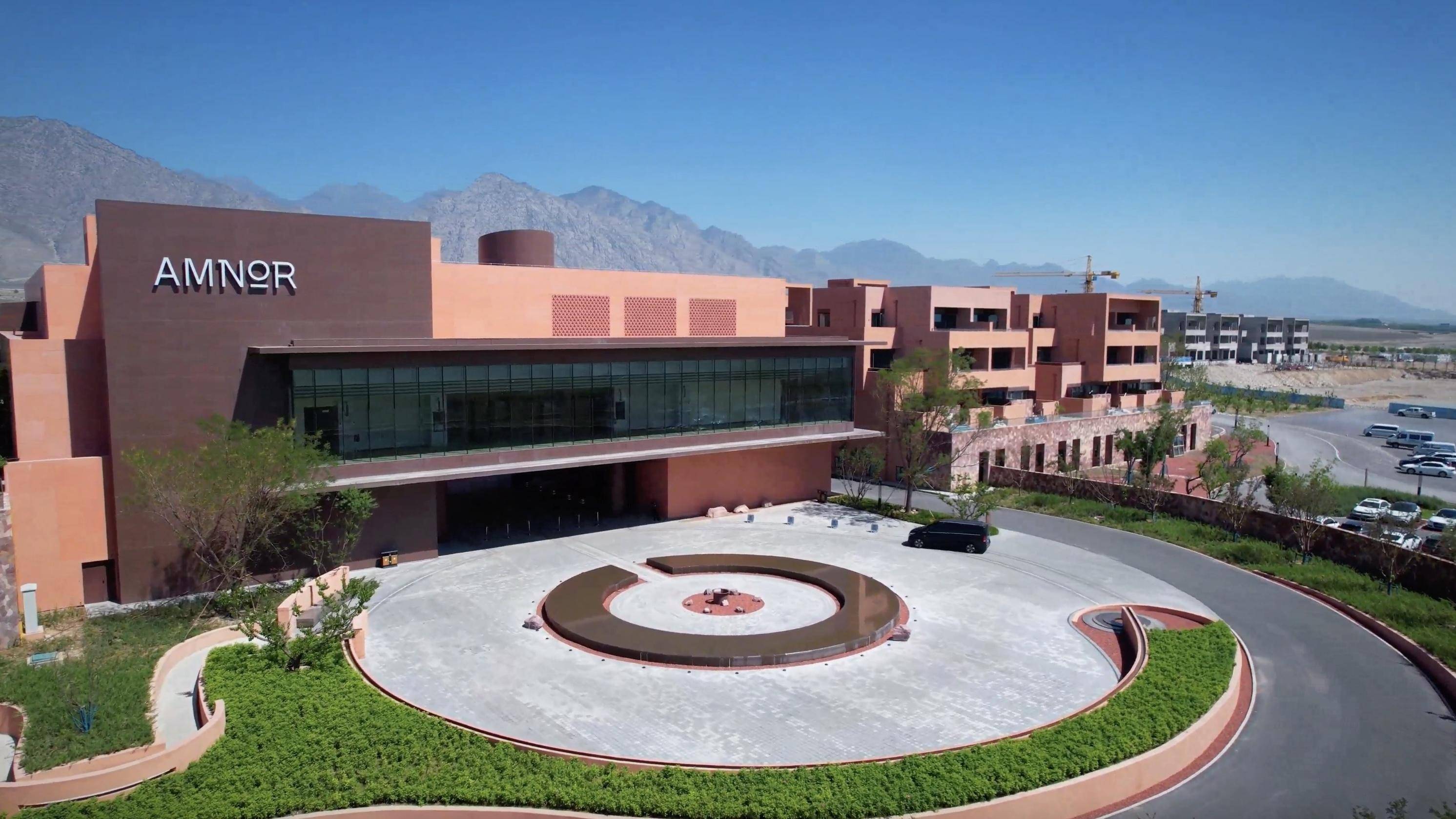
Core Insights - The Turandot Wine Town in Ningxia has become a significant driver of regional consumption and tourism through its innovative "industry + cultural tourism" model, winning seven international wine awards [1] - The town features a total investment of approximately 2.5 billion yuan and spans 3,303 acres, focusing on immersive luxury experiences [2] - The integration of digital planting technologies and aesthetic vineyard designs enhances visitor engagement and satisfaction [5] New Scene - The Turandot Wine Town offers a unique "immersive wild luxury vacation experience" with the first project being the Yin Chuan Anmo Wild Luxury Hotel, featuring 176 rooms connected to vast vineyards [2] - Guests can participate in grape picking and exclusive wine tasting courses, enjoying the natural beauty of the Helan Mountain at night [2] - Facilities include an 18-meter high wine art space and an indoor infinity pool, enhancing the connection with nature [2] New Business Model - The town has established a closed-loop ecological system through the integration of primary, secondary, and tertiary industries, promoting a circular economy [6] - Waste materials from grapevines are transformed into unique art pieces, and wellness experiences like wine SPAs extend the value of wine beyond taste [6] - The town has hosted over 20 industry seminars and plans to attract more than 15,000 sports enthusiasts annually through new projects, creating 80-100 jobs [6] New Mode - The Turandot Wine Town has shifted from a traditional sightseeing model to a participatory platform, offering customizable products like personalized wine labels [9] - Limited edition products are expected to see a 40% increase in sales by 2025, driven by social media engagement and a 50% increase in visitor check-in rates [9] - The second phase of the project, with an investment of approximately 120 million yuan, is set to begin operations in October 2025, projected to boost overall tourism revenue in Helan County by 15% [9] Future Outlook - The Turandot Wine Town aims to continue its development with a focus on sustainable practices and enhancing Ningxia's unique wine brand on an international scale [12]
宁夏葡萄产业向“数字时代”迈进
Zhong Guo Chan Ye Jing Ji Xin Xi Wang· 2025-08-17 22:23
Core Insights - The project "Construction and Demonstration of Smart Production Management Technology System for Ningxia Helan Mountain East Foot Wine" has been launched, marking a significant step towards the intelligent and digital transformation of the Ningxia wine industry [1][2] - The project aims to address key bottlenecks in the industry, such as reliance on traditional experience for vineyard management and winemaking processes, by implementing a comprehensive smart production management system [1][2] Project Overview - The project will be executed over four years, led by the Ningxia Academy of Agricultural and Forestry Sciences, in collaboration with several universities and research institutions [2] - Key focus areas include precise meteorological disaster prediction, intelligent water and fertilizer management, pest monitoring and early warning, and smart winemaking [2] - The project will integrate "3S" technologies (Remote Sensing, Geographic Information Systems, Global Positioning Systems), smart sensors, IoT, and big data analysis to create a smart production management system covering the entire supply chain from land to table [2] Expected Outcomes - By December 2028, the project is expected to provide a complete smart production management technology system for the Ningxia Helan Mountain East Foot wine industry, enhancing data support and decision-making for disaster prevention, precise irrigation, scientific fertilization, efficient pest control, and optimized winemaking processes [2]
在“北国山城”品“东方波尔多”(边城见闻)
Ren Min Ri Bao· 2025-08-17 22:01
Core Viewpoint - The article highlights the development and recognition of the Tonghua wine industry, particularly focusing on the unique ice wine produced from local wild grapes, which has gained international acclaim and serves as a cultural bridge for exchanges between China and other countries [6][11][12]. Group 1: Geographic and Historical Context - Tonghua, located in Jilin Province, is characterized by its mountainous terrain and rich biodiversity, including over 2000 plant species, making it suitable for grape cultivation [3][9]. - The region has a historical tradition of winemaking, with wild mountain grapes being used for wine production since ancient times, and it became one of the few places in the world to industrialize mountain grape wine production in the 1930s [6][8]. Group 2: Wine Production and Techniques - The underground wine cellar in Tonghua is the largest of its kind, featuring 772 oak barrels made from century-old trees, capable of storing around 6000 tons of wine [7][8]. - The climate in Tonghua, situated in the world's grape-growing golden latitude, is ideal for producing high-quality ice wine, which requires grapes to be naturally frozen before harvesting [9][10]. Group 3: Innovation and International Collaboration - The introduction of the Canadian grape variety "Vidal" into Tonghua has been pivotal in enhancing local winemaking techniques, leading to the successful cultivation of this cold-resistant grape [10]. - The development of new grape varieties, such as "Beibinghong," has positioned Tonghua as a significant player in the global ice wine market, showcasing a unique Chinese flavor [10][11]. Group 4: Recognition and Awards - The ice wine produced in Tonghua has received numerous awards, including a gold medal at the 2025 Brussels International Wine Competition, establishing it as a notable representative of Chinese wine on the international stage [11][12]. - The local wine industry has actively participated in international competitions, earning nearly a hundred awards, which has bolstered its reputation and facilitated cultural exchanges [11][12]. Group 5: Cultural and Economic Impact - The annual ice wine festival in Tonghua attracts international experts and tourists, promoting cultural exchange and enhancing the region's visibility [11][12]. - Tonghua has established friendly city relationships with various international cities, fostering cooperation in technology, culture, and economic development [14].

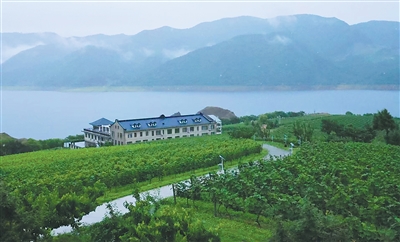
有世界最大“野生山葡萄”原酒贮藏窖,所产葡萄酒为开国大典专用酒—— 在“北国山城”品“东方波尔多”(边城见闻)
Ren Min Ri Bao· 2025-08-17 21:45
Core Insights - The article highlights the significance of Tonghua's wild mountain grapes and its wine industry, emphasizing its unique geographical and climatic advantages for producing high-quality wines, particularly ice wine [1][4][6]. Group 1: Historical Context - Tonghua, known as the "Northern Mountain City," has a rich history of wild mountain grape cultivation and wine production, dating back to the Ming Dynasty [1]. - The region became one of the few in the world capable of industrially producing mountain grape wine in the 1930s, with significant contributions from Soviet craftsmen [1][2]. - After the establishment of New China, Tonghua wine became a prominent export product and a diplomatic symbol, being featured in important state events [2][3]. Group 2: Production and Techniques - The underground wine cellar in Tonghua is the largest of its kind globally, with 772 oak barrels capable of storing approximately 6,000 tons of wine [2][3]. - The region's climate, located between latitudes 40° and 43°, is ideal for growing high-quality grapes, including those used for ice wine [2][4]. - The introduction of the "Vidal" grape variety from Canada has enhanced the local wine production, allowing for the adaptation of international techniques to local conditions [5][6]. Group 3: Recognition and Awards - The "North Ice Red" grape variety, developed in Tonghua, has gained international recognition, winning awards at prestigious competitions, including the Brussels International Wine Competition [6][7]. - The local wine industry has actively participated in international wine events, showcasing its unique flavors and techniques, which has led to numerous accolades [7][8]. Group 4: Cultural Exchange - The production of Tonghua wine has fostered cultural exchanges, attracting international visitors and experts to the region, enhancing its global reputation [7][9]. - Events like the "Ice Wine Festival" have been organized to promote local wines and attract tourists, further solidifying Tonghua's position in the global wine market [7][9].
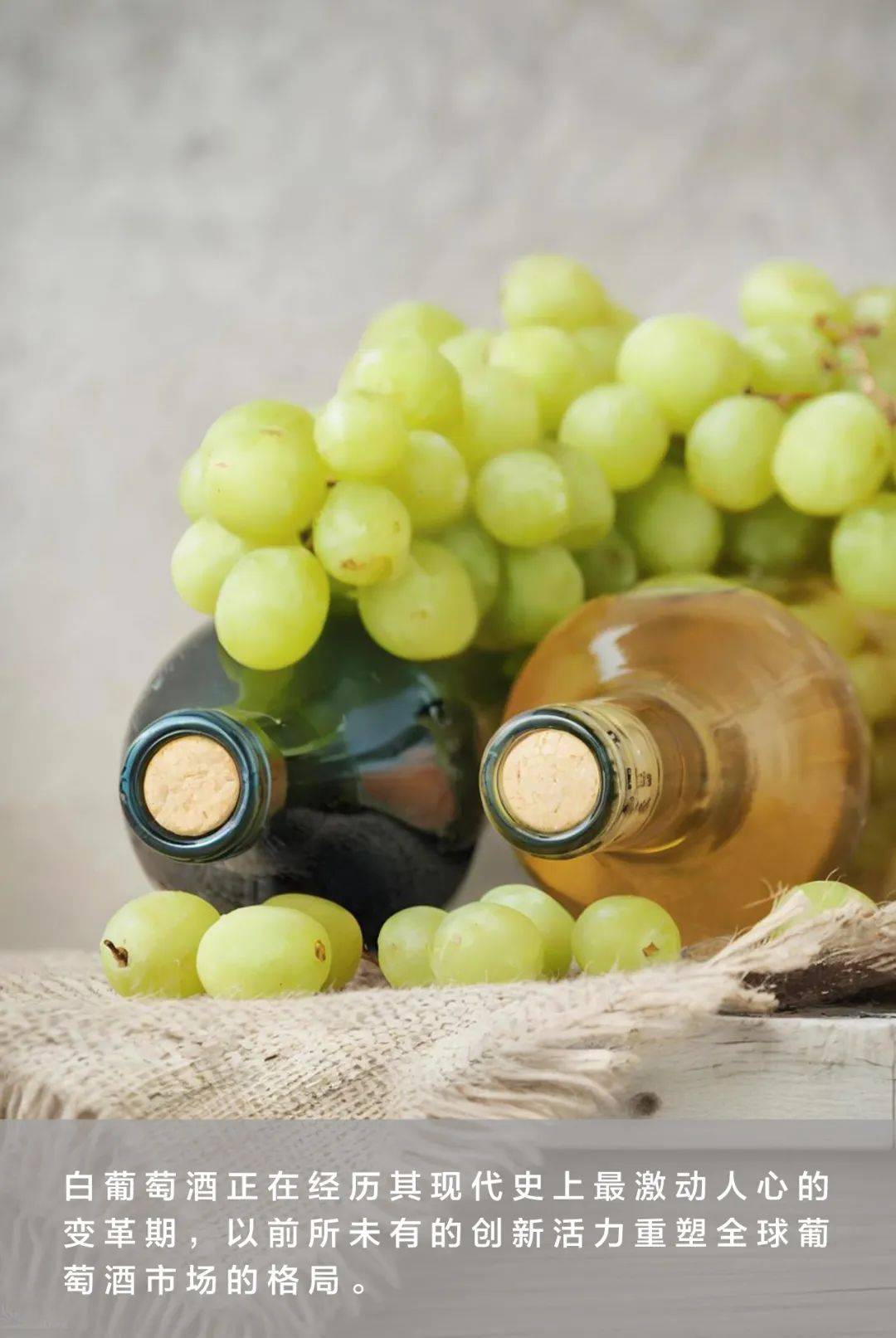
白葡萄酒逆袭!这10个趋势正在改写行业规则
Sou Hu Cai Jing· 2025-08-17 11:32
Core Insights - The global white wine market is experiencing significant innovation and growth, with consumption expected to exceed 8.5 billion bottles in 2024, marking a 3.8% increase despite a slowdown in the overall wine market [3]. Group 1: Trends in White Wine - Low-alcohol wines are becoming a health trend, with Casa Santos Lima's Leve Lisboa series leading the charge, achieving sales of 2,000 bottles per month in Shanghai and 5,000 bottles in a single day during the 618 shopping festival [4]. - The "salinity" flavor profile is emerging as a distinctive characteristic, with Éminence de Bijou's Viognier benefiting from natural sea minerals, enhancing its taste [8]. - Innovative aroma control systems are being developed, such as Mar de Frades' "aroma calendar" that optimizes grape picking for maximum floral and fruity aromas [9]. Group 2: Production Techniques and Innovations - The use of micro-oxygenation techniques is being revived, allowing wines like Malvasia to achieve complex nutty flavors while maintaining freshness [14]. - Ramón Bilbao's "wood symphony" project explores the flavor profiles of different oak types, resulting in a unique blending process that enhances the wine's complexity [11]. - Organic wine production is gaining traction, with J García Carrión's organic Verdejo showcasing sustainable practices and achieving a 30% premium in sales [12]. Group 3: Market Dynamics and Investment - Burgundy's Domaine d'Auvenay is reshaping the investment logic for top wines, with a record auction price of €17,000 for a 2005 vintage, reflecting a 230% premium over 2020 prices [17]. - The Hong Kong Sotheby's spring auction for white wines achieved a 100% sell-through rate, indicating strong market demand and interest from private banks for rare wine investments [19].
通天酒业发布中期业绩,股东应占溢利6.2万元
Zhi Tong Cai Jing· 2025-08-15 15:00
Group 1 - The core viewpoint of the article highlights that Tongtian Wine Industry (00389) reported a revenue of 59.695 million RMB for the six months ending June 30, 2025, representing a year-on-year growth of 6.3% [1] - The company recorded a profit attributable to owners and total comprehensive income of 62,000 RMB, a significant recovery from a loss of 261 million RMB in the same period last year [1] - Basic earnings per share were reported at 0.02 RMB [1] Group 2 - The increase in revenue is attributed to stable growth in demand for high-end wine products in China, which helped maintain stable sales and gross margins for the company's high-end wine segment [1]