核能发电

Search documents
月内多家上市公司披露并购重组新动态
Zheng Quan Ri Bao Wang· 2025-12-09 11:45
Core Viewpoint - The A-share merger and acquisition (M&A) market has entered a concentrated window period since December, with multiple listed companies disclosing M&A progress, driven by policy support and internal development needs [1][2]. Group 1: Market Activity - From December 1 to December 9, 39 listed companies announced M&A progress, with 5 companies disclosing M&A announcements for the first time, compared to only 1 company in the same period in 2024 [1]. - The M&A market in December shows a trend of "traditional industries seeking transformation and emerging industries undergoing strong integration," focusing on enhancing core competitiveness [1][3]. Group 2: Policy Influence - The increase in M&A activity is attributed to continuous policy easing and active guidance, particularly the "Six M&A Policies" released in September 2024, which significantly improved review efficiency and encouraged industrial mergers, especially in sectors like software information, new energy, and biomedicine [1][3]. Group 3: Specific Company Actions - State Power Investment Corporation's subsidiary, Electric Power Investment Holdings, plans to transform its business focus to nuclear power through a three-step strategy involving asset swaps and fundraising, with a total transaction value of approximately 151.08 billion yuan for the asset swap [2]. - Harbin Weidi Electronics announced a cash acquisition of a 51% stake in Jiangsu Zhiyue Tiancheng, aiming to gain control and enhance its automotive electronics product offerings [3]. - Yunnan Enjie New Materials is planning to issue shares to acquire 100% of Qingdao Zhongke Hualian New Materials, emphasizing the integration of industry chain resources to strengthen core competitiveness [3].



电投产融购买约554亿元资产,拟转型为核电巨头
Xin Lang Cai Jing· 2025-12-09 01:44
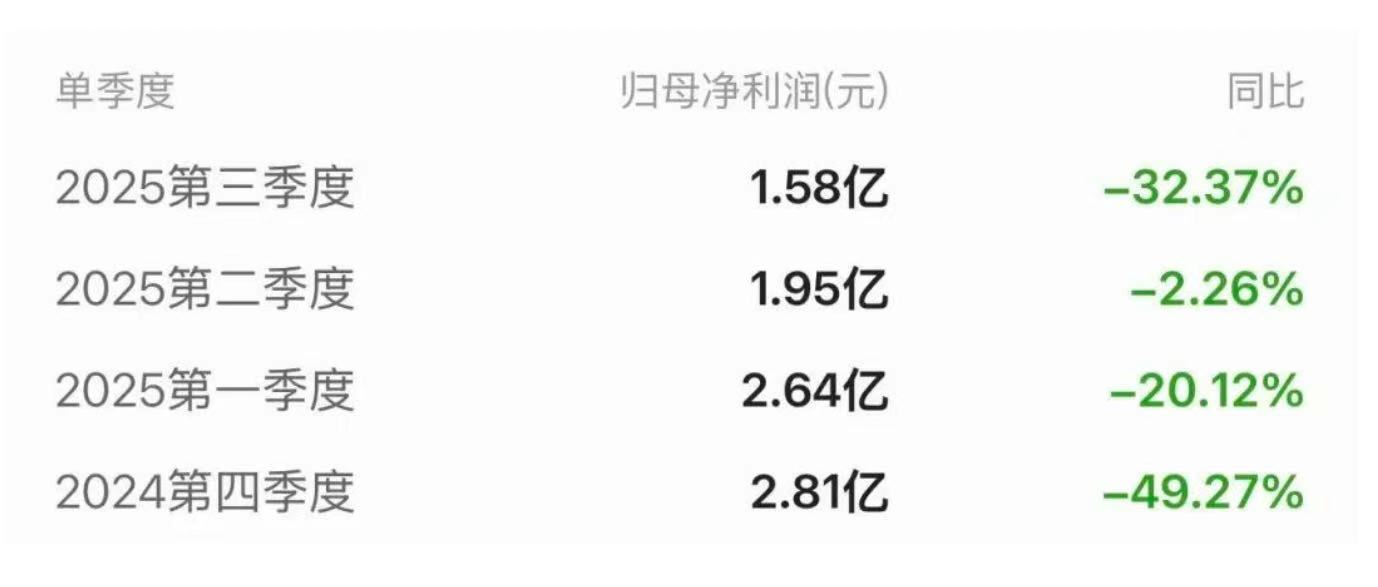
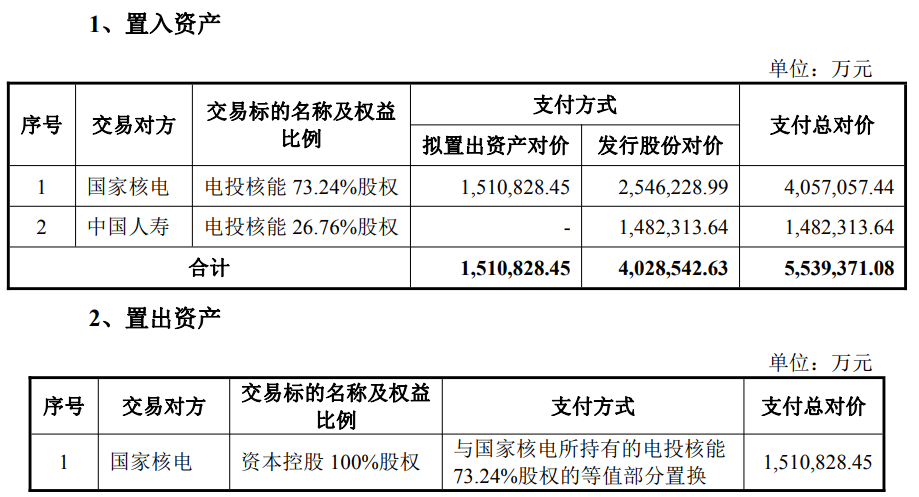
Group 1 - The core point of the article is that State Power Investment Corporation's subsidiary, Electric Power Investment and Financing Co., Ltd. (referred to as "Electric Power Financing"), is undergoing a significant asset swap and share issuance to transform its business focus from a dual model of finance and energy to a single focus on nuclear power generation [1][2] - The proposed transaction involves the acquisition of 100% equity of State Nuclear Power Technology Company and China Life's stake in State Power Investment Nuclear Co., Ltd. for a total valuation of 55.394 billion yuan, while divesting 100% equity of State Power Investment Capital Holdings for 15.108 billion yuan [1] - The difference of 40.285 billion yuan will be settled through share issuance to State Nuclear and China Life, along with a fundraising of up to 5 billion yuan from no more than 35 specific investors, aimed at financing the construction of Units 3 and 4 of the Shandong Haiyang Nuclear Power Plant [1] Group 2 - Following the transaction, State Nuclear will hold a 43.62% stake in Electric Power Financing, making it the controlling shareholder, while China Life will become the second-largest shareholder with a 25.40% stake [2] - The performance commitment for the acquired assets includes a minimum net profit of 3.375 billion yuan in 2025, 3 billion yuan in 2026, and 3.587 billion yuan in 2027, with provisions for compensation if actual profits fall short [3] - The restructuring is seen as a dual example of state-owned enterprise reform and energy structure transformation, aligning with national clean energy goals and addressing previous inefficiencies in the dual business model [3] Group 3 - For the first three quarters of the year, Electric Power Financing reported total revenue of 3.65 billion yuan, a year-on-year decrease of 7.66%, and a net profit attributable to shareholders of 617 million yuan, down 19.20% [3] - The company has experienced a continuous decline in net profit for four consecutive quarters, with a negative cash flow from operating activities of 38.5629 million yuan [3] - As of December 9, the stock price of Electric Power Financing was 6.75 yuan per share, with a total market capitalization of approximately 36.338 billion yuan [5]

切尔诺贝利核电站保护罩受损
中国能源报· 2025-12-07 04:15
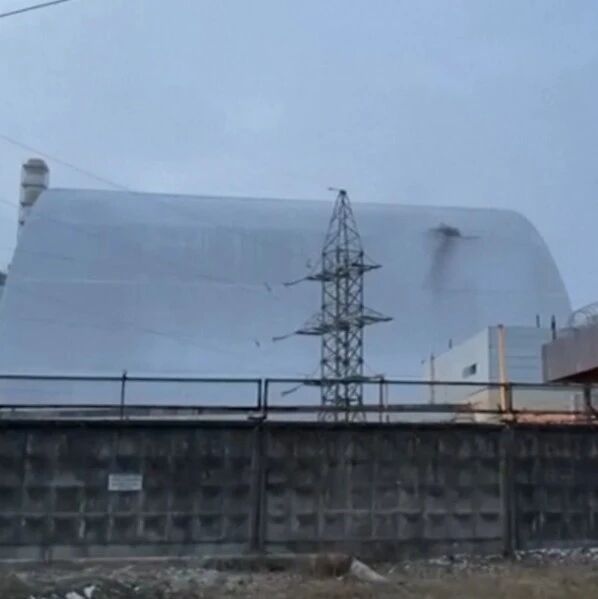
国际原子能机构5日发表声明说,切尔诺贝利核电站一个用于封存反应堆的保护罩今年2 月因遭无人机袭击后严重受损。该机构一个工作组上周在对保护罩进行全面评估后认定, 保护罩失去了密封性能,但其承重结构和监测系统未受永久性损坏。 切尔诺贝利核电站保护罩受损,维修已启动。 今年2月,乌克兰政府称一架携带高爆弹 头的无人机击中了切尔诺贝利核电站设施,引起火灾并令保护罩受损。 ▲央视新闻客户端 资料图 来源:央视新闻客户端 End 该机构总干事拉斐尔·格罗西说,保护罩维修工程已启动,需全面修复后才能防止设施功 能进一步退化,保障长期安全。 今年2月,乌克兰政府称一架携带高爆弹头的无人机击中了切尔诺贝利核电站设施,引起 火灾并令保护罩受损。事故发生后,核电站辐射水平保持正常水平,未出现核泄漏相关报 道。乌方称该无人机来自俄罗斯,俄方则否认袭击该核电站。 切尔诺贝利核电站位于乌克兰首都基辅以北约110公里处。1986年,核电站4号反应堆 爆炸,造成严重核泄漏。事故后苏联用水泥浇筑"石棺"封存反应堆。乌克兰2012年用一 个 巨 大 的 拱 形 钢 结 构 外 壳 给 "石 棺 "加 封 保 护 罩 。 该 保护 罩 2019 ...
中美核能发电比较:美国核能发电量超8100亿度,中国是多少?
Sou Hu Cai Jing· 2025-12-06 14:47
Group 1 - The United States remains the global leader in nuclear power generation with a total output of 781 billion kilowatt-hours, accounting for 18.9% of the national total generation, supported by an installed capacity of 96.95 gigawatts [1] - China ranks second with 58 operational units and a capacity of 60.88 gigawatts, but is significantly expanding its nuclear fleet with 27 units under construction, which raises concerns among Western observers [3] - The stagnation of nuclear power development in the U.S. is attributed to the high costs and long investment cycles associated with nuclear projects, as exemplified by the Vogtle units 3 and 4, which exceeded $30 billion in costs [3][5] Group 2 - China's nuclear expansion is driven by its strong industrial manufacturing capabilities, achieving a 100% localization rate for units like the Hualong One, reducing the unit cost to approximately 13,000 RMB per kilowatt [5] - The construction timeline for nuclear power plants in China has been shortened to 4 to 5 years, contrasting with the lengthy approval processes in the U.S. [5] - The operational efficiency of the aging U.S. nuclear fleet, with an average capacity factor exceeding 92%, highlights the effectiveness of asset management despite the age of the plants [5] Group 3 - The U.S. nuclear sector is shifting focus from large reactors to developing small modular reactors (SMRs), with projects like TerraPower's sodium-cooled fast reactor in Wyoming representing a strategic pivot [8] - While China has advantages in engineering, it faces challenges in original innovation and commercializing advanced nuclear technologies, such as high-temperature gas-cooled reactors and molten salt reactors [10] - The U.S. is forming exclusive nuclear supply chain alliances, which may pose risks for China, particularly regarding access to high-performance nuclear fuel and control chips amid geopolitical tensions [10][12]
电投产融重组获深交所通过 中信证券与中银证券建功
Zhong Guo Jing Ji Wang· 2025-12-05 02:56
Core Viewpoint - The company intends to acquire 100% equity of Guodian Power Nuclear Co., Ltd. through asset swap and share issuance, while divesting 100% equity of State Power Investment Group Capital Holdings Co., Ltd. and raising supporting funds [1][3]. Group 1: Transaction Details - The transaction involves a major asset swap, share issuance for asset purchase, and fundraising [3]. - The assets to be acquired include 100% equity of Electric Power Nuclear held by State Nuclear Power and China Life, while the divested asset is 100% equity of Capital Holdings [3]. - The total transaction price for the acquired assets is 5,539,371.08 million, with an appreciation rate of 99.65%, while the divested asset is valued at 1,510,828.45 million, with an appreciation rate of 46.85% [5][6]. Group 2: Financial Advisory - The independent financial advisors for this transaction are CITIC Securities Co., Ltd. and Bank of China International Securities Co., Ltd. [6].

2025年1-9月中国核能发电量产量为3580.8亿千瓦时 累计增长9.2%
Chan Ye Xin Xi Wang· 2025-11-29 06:42
Core Insights - The article discusses the growth and performance of China's nuclear power generation industry, highlighting a production increase in 2025 [1] Industry Overview - As of September 2025, China's nuclear power generation reached 36.2 billion kilowatt-hours, marking a year-on-year growth of 1.6% [1] - Cumulatively, from January to September 2025, the total nuclear power generation was 358.08 billion kilowatt-hours, reflecting a 9.2% increase compared to the previous year [1] Companies Mentioned - Listed companies in the nuclear power sector include China General Nuclear Power (003816), China National Nuclear Power (601985), Sheneng Co., Ltd. (600642), Zhejiang Energy Power (600023), Hubei Energy (000883), Huaneng International (600011), Datang Power (601991), Jiangsu Guoxin (002608), China Nuclear Technology (000777), and Funiu Co., Ltd. (600483) [1] Related Reports - The article references a report by Zhiyan Consulting titled "Market Operation Pattern and Investment Strategy Analysis of China's Nuclear Power Generation Industry from 2025 to 2031" [1]




电投产融重组标的电投核能毛利率下滑至31.14% 会计师详解成本构成及减值合理性
Xin Lang Cai Jing· 2025-11-25 13:38
Core Viewpoint - The recent developments regarding the major asset swap and share issuance for asset acquisition by State Power Investment Corporation (SPIC) indicate a focus on addressing financial concerns related to the acquired assets, particularly the financial status of the nuclear power segment, with a low risk of continued decline in gross profit margins [1][3]. Financial Status and Cost Structure - The main business costs of the nuclear power segment are primarily composed of depreciation, fuel costs, repair costs, spent fuel disposal funds, and employee compensation, which collectively accounted for approximately 90% of the total business costs in recent periods [2]. - Depreciation costs represent the largest portion, with amounts of 1.772 billion, 1.814 billion, and 0.945 billion for the years 2023, 2024, and the first half of 2025, respectively [2]. - The spent fuel disposal fund is expected to significantly increase starting in 2024, reaching 458 million, which will impact overall cost structures [2]. Gross Profit Margin Trends - The gross profit margin for the nuclear power segment is projected to decline from 42.30% in 2023 to 31.14% in 2024, primarily due to the increased allocation of spent fuel disposal funds [3]. - The gross profit margin for electricity sales is expected to drop from 42.55% to 31.47%, while the heating business margin is anticipated to decrease from 24.95% to 19.15% [3]. - However, there is an indication of recovery in the first half of 2025, with the heating business margin rebounding to 30.31% due to the absence of major repairs [3]. Accounts Receivable and Inventory Management - The accounts receivable balance has remained stable at approximately 713 million, while inventory has increased from 1.416 billion to 2.004 billion without any impairment provisions, which has raised regulatory inquiries [4]. - Accounts receivable are primarily from State Grid Shandong Electric Power Company, which has a strong repayment history, and from Haiyang Haifa Water Group, with a 100% historical collection rate [4]. - Inventory mainly consists of nuclear fuel and spare parts, with a significant portion being specialized components for nuclear safety, aligning with industry practices [4]. Fixed Assets and Depreciation Policies - As of the end of 2024, fixed assets totaled 40.709 billion, representing 37.09% of total assets, while construction in progress amounted to 34.974 billion, accounting for 31.87% [5]. - The depreciation policies for fixed assets are consistent with industry standards, with no significant impairment detected, thus no provisions have been made [5]. - The detailed financial disclosures provided in response to regulatory inquiries are intended to enhance market understanding of the asset quality involved in the major asset restructuring [5].
首个、首次、首台!本周,大国重器再传好消息
Yang Shi Xin Wen Ke Hu Duan· 2025-11-21 06:49
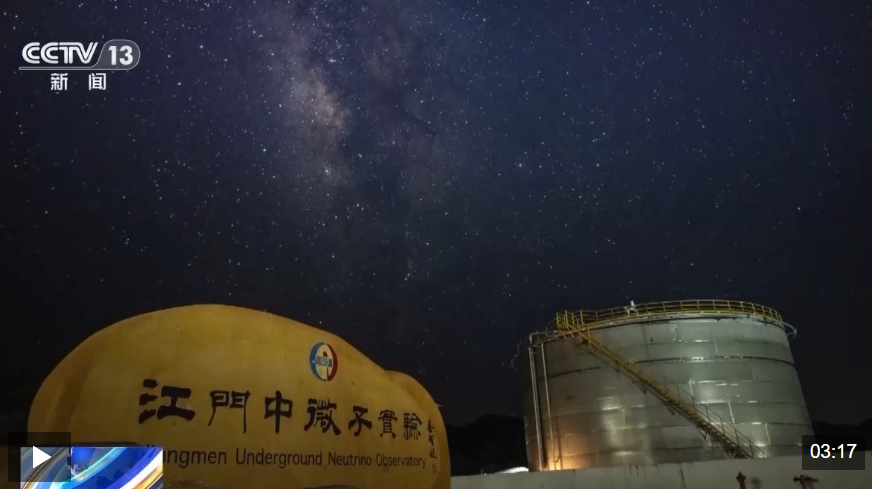
Core Insights - China has achieved significant breakthroughs in engineering construction and scientific exploration, showcasing its technological prowess and precision in various fields [1][3] Group 1: Neutrino Experiment - The Jiangmen Neutrino Experiment, the world's first large-scale and high-precision neutrino facility, has released its first major scientific results, improving measurement precision by 1.5 to 1.8 times compared to previous experiments [1][3] - The primary scientific goal of the experiment is to determine the mass ordering of neutrinos, addressing a major issue in particle physics for the next decade [3] Group 2: Nuclear Power Development - The construction of China's first "Hualong One" nuclear power plant with cooling towers has officially begun, marking a significant milestone in the Shandong Zhaoyuan nuclear power base [5] - The Hualong One technology is China's self-developed third-generation nuclear power technology, with a total planned capacity of approximately 7.2 million kilowatts across six units, capable of meeting the annual electricity needs of 5 million people [5] Group 3: Energy Utilization Innovations - The first high-pressure natural gas long-distance pipeline pressure recovery power generation project has commenced operations, enhancing the efficient use of pressure resources during gas transportation [5] - A green hydrogen coupling coal chemical project has entered market operation, demonstrating a successful model for the green transformation of the coal chemical industry [7] Group 4: Aquaculture Advancements - The "Zhanjiang Bay No. 1" floating dynamic positioning aquaculture platform has been delivered, featuring a capacity of 8,000 cubic meters for multi-species farming and an annual production capacity of 2,000 to 5,000 tons [7][9] - This platform represents a significant advancement in deep-sea aquaculture technology, supporting the modernization of marine ranching in China [9]
乌克兰两座核电站,降负荷运行
中国能源报· 2025-11-18 01:20
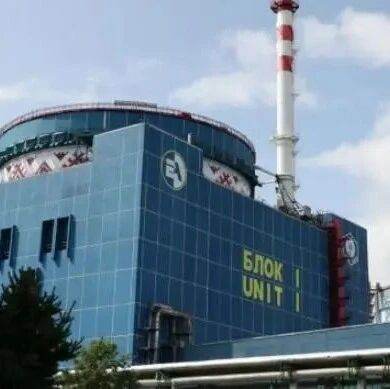
Core Viewpoint - The operational capacity of Ukraine's Khmelnytskyi and Rivne nuclear power plants has been reduced due to military attacks on a transformer station, which is critical for maintaining external power supply and ensuring safety systems and cooling functions [3]. Group 1 - The Khmelnytskyi and Rivne nuclear power plants have been operating at reduced power for the past ten days due to military attacks on a transformer station [3]. - The transformer station is a vital node in the national power grid, essential for the nuclear plants to maintain external power supply [3]. - The Director General of the International Atomic Energy Agency (IAEA), Grossi, emphasized the importance of reliable external electricity for nuclear safety and stated that experts will continue to assess the condition of key transformer stations [3].
乌能源腐败窝案背后,总统身边小圈子腐败加剧,反腐事关乌克兰存亡
Sou Hu Cai Jing· 2025-11-16 06:29
Core Insights - The article highlights significant military advancements by Russian forces in southeastern Ukraine, particularly the capture of the strategic city Pokrovsk, leading to intense urban combat with Ukrainian troops [1] - A major corruption scandal involving Ukraine's energy sector has emerged, with nearly $100 million implicated, affecting several cabinet members and close associates of President Zelensky [1][5] - The ongoing war and energy infrastructure attacks by Russian forces have exacerbated the challenges faced by low-income groups in Ukraine, especially with winter approaching [3] Group 1: Military Developments - Russian military units have made notable progress, breaking through defenses and entering Pokrovsk, resulting in fierce street fighting with Ukrainian forces [1] - The intensified attacks on Ukrainian logistics by Russian forces have put Ukrainian troops in a precarious position, facing potential encirclement [1] Group 2: Corruption Scandal - The Ukrainian National Anti-Corruption Bureau (NABU) and the Specialized Anti-Corruption Prosecutor's Office (SAPO) have uncovered a vast corruption network within Energoatom, involving kickbacks of 10% to 15% from contracts, amounting to nearly $100 million [7][8] - Key figures in the scandal include Timur Mindich, a partner of Zelensky from his entertainment career, who allegedly led the corruption network and fled Ukraine shortly before raids [8][12] - The investigation has led to over 70 searches and the seizure of documents and cash related to the case [7] Group 3: Political Implications - Analysts suggest that the corruption scandal could severely damage Zelensky's approval ratings and provoke backlash from Western donors, potentially leading to a political crisis [5] - Zelensky has publicly condemned the corruption in the energy sector and initiated measures such as the resignation of implicated ministers and a comprehensive audit of state-owned enterprises [12] - The scandal has drawn public outrage, with many Ukrainians perceiving a corrupt circle around Zelensky, raising concerns about his administration's integrity [17]