
演出行业

Search documents
上海大剧院新年“艺”启新声 11台95场演出贯穿元旦与新春佳节 东西方艺术经典对话交融
Jie Fang Ri Bao· 2025-12-26 01:47
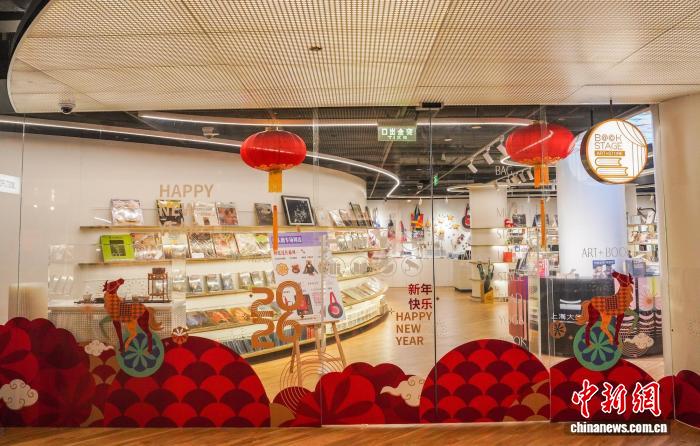
2026年1月3日至4日,美国One Voice儿童合唱团重返申城,呈现《如愿》等中文金曲与欧美流行歌 曲。1月9日至11日,剧作家何冀平、导演司徒慧焯与表演艺术家茅威涛共同上演越剧《苏东坡》。1月 23日至25日,舞台剧《魔幻时刻》三度登陆大剧场,演绎错进错出的江湖恩怨与龙套演员的"杀手梦"。 伦敦西区原版音乐剧《玛蒂尔达》2月11日起接棒,这部狂揽全球100余项大奖的作品讲述"叉腰小女 孩"玛蒂尔达用勇气与智慧改变命运的故事。 中剧场内,东西方艺术经典对话交融。音乐剧《干花》以细腻笔触描绘高中生通过音乐寻找梦想与 自我的青春图景。戏曲爱好者迎来"伶歌三叠"第二季·韩宜珈昆剧专场。"歌剧星空间"系列推陈出新, 2026年1月15日情景音乐会版《茶花女》重温威尔第的经典爱情悲剧,1月16日的《舞动Opera——歌剧 中的舞蹈精粹》,上海歌剧院首席演员谭一梅、宋雨将携上海歌剧院舞剧团,以现代编舞解构歌剧经 典,用肢体语言重新诠释经典旋律的别样魅力。位于五楼的小剧场"9号空间"则迎来开放2周年,沉浸式 悬念剧场《9号秘事》持续热演。 为迎接丙午马年,上海大剧院已悄然换上新装。剧院入口、大堂、A+艺术空间等多处场景 ...
上海大剧院开启“迎新季” 近百场演出共迎佳节
Zhong Guo Xin Wen Wang· 2025-12-24 13:41
Core Viewpoint - Shanghai Grand Theatre has launched its "New Year Season" with nearly 100 performances to celebrate the upcoming Year of the Horse, featuring a variety of artistic forms and a festive atmosphere [1][2]. Group 1: Event Overview - The "New Year Season" will last for over two months, spanning from New Year's Day to the Spring Festival, presenting 11 productions and 95 performances [2]. - The performances include musicals, stage plays, operas, symphonic concerts, and choral music, showcasing a vibrant start to the Year of the Horse [2]. Group 2: Featured Performances - On December 31, the Milan Symphony Orchestra will perform pieces such as "The Blue Danube" and "Spring Festival Overture" during the New Year concert, blending European romance with Chinese New Year flavors [2]. - The One Voice Children's Choir from the USA will perform on January 3-4, followed by the Yue Opera "Su Dongpo" from January 9-11, and the stage play "Magical Moments" from January 23-25 [2][5]. - The London West End musical "Matilda" will take the stage on February 11, telling the story of a brave girl who changes her fate [2][5]. Group 3: Special Activities - The theatre has organized a series of New Year-themed activities, including a "New Year Grab Bag" hidden in some seats, allowing audiences to "sit down and welcome good fortune" [7]. - On January 1, the "Art Experience Day" will offer audiences a chance to engage with the theatre's behind-the-scenes, participate in artistic creation, and enjoy a cultural feast [7].

年末在上海看演出,这些国风佳作值得期待
Xin Lang Cai Jing· 2025-12-24 06:51
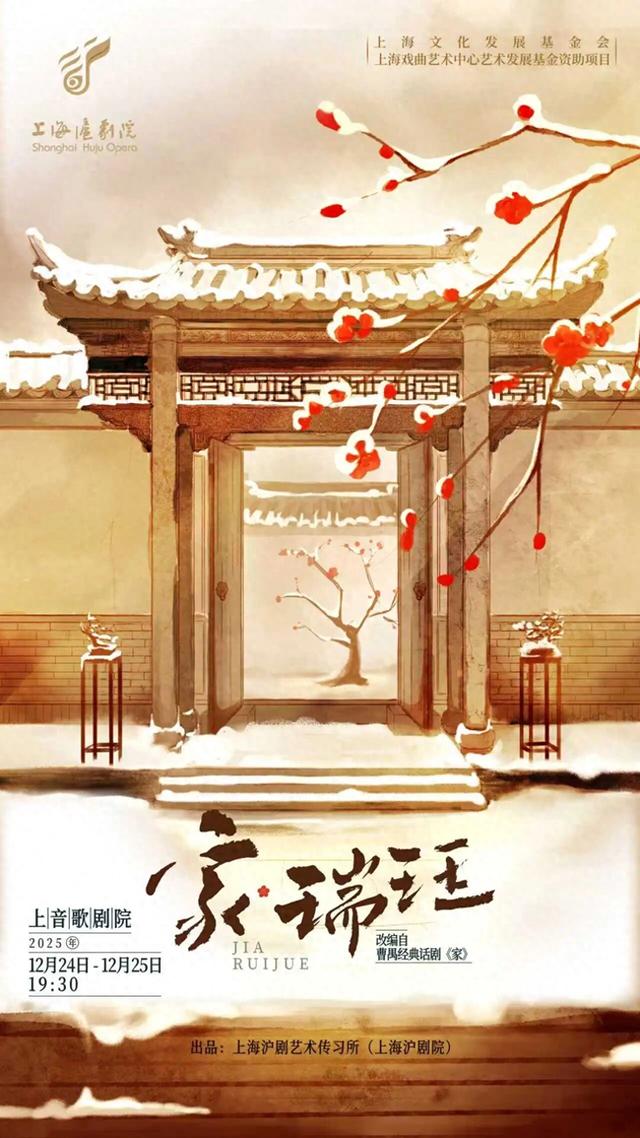
Core Viewpoint - The Shanghai performance market is thriving at the end of the year, showcasing a variety of traditional Chinese performances, including Huju, Yueju, and national-style musicals, which are set to engage the public during the New Year celebrations [1] Group 1: Huju Performance - The Huju play "Home·Rui Jue" will be staged at the Shanghai Opera House from December 24 to 25, commemorating the 20th anniversary of Ba Jin's passing and the 115th birthday of playwright Cao Yu [2] - The play features a new generation of Huju actors and aims to present a fresh interpretation of this classic work, highlighting the character Rui Jue's kindness and resilience [2] - "Home·Rui Jue" is adapted from Cao Yu's classic play "Home" and has been a significant work in the Huju repertoire since its debut in 2003 [2] Group 2: National-Style Musical - The national-style musical "Jinyiwei: Knife and Flower" will run from December 24 to January 4 at the Shanghai West Bank Theatre, marking its 100th performance [5] - This musical, part of the "New National Style" series, tells the story of a young Jinyiwei caught in a power struggle during the Ming Dynasty [5] - The production features a blend of hip-hop and rock music, showcasing the dynamic character of the protagonist [5] Group 3: Stage Play - The stage play "Normandy Apartment" will be performed from December 21 to January 11 at the Shanghai Drama Arts Center, adapted from a novel by Gao Yuan [7] - The narrative is set in the 1930s-1940s Shanghai French Concession and revolves around a suspenseful event that reflects the lives of international residents during wartime [7] Group 4: Dance Drama - The dance drama "Peony Pavilion" will take place from January 2 to 4 at the Shanghai Poly Theatre, based on Tang Xianzu's classic work [9][10] - The performance explores the love story between Du Liniang and Liu Mengmei, utilizing innovative stage techniques to create a dreamlike atmosphere [9][10] - The dance drama "Li Bai" will be staged from January 9 to 10 at the Shanghai West Bank Theatre, depicting the life of the famous poet through a combination of traditional dance and music elements [12] Group 5: Yueju Performance - The new Yueju "Su Dongpo" will be performed from January 9 to 11 at the Shanghai Grand Theatre, featuring an all-female cast [14] - The play intertwines the emotional interactions between Su Dongpo and his three wives, utilizing bamboo as a central motif throughout the performance [14]
视频丨跨省奔赴音乐之约 演唱会音乐节成文旅消费新引擎
Xin Lang Cai Jing· 2025-12-22 13:13
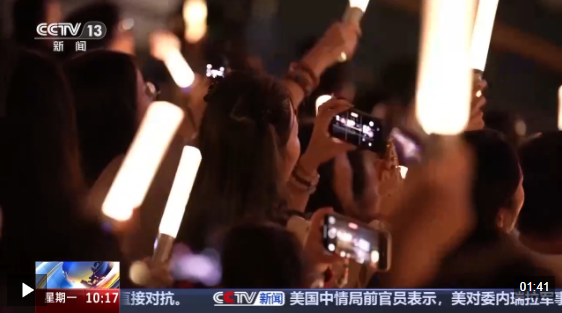
Core Insights - The large-scale performance market is experiencing continuous growth, with concerts and music festivals becoming a new engine for driving cultural and tourism consumption [1][3]. Group 1: Market Growth and Revenue - The China Performance Industry Association reported that in 2024, ticket revenue from concerts and music festivals is expected to reach 29.636 billion yuan, a year-on-year increase of 66%, accounting for 51.1% of total ticket revenue from commercial performances [3]. - In Beijing, a single performance team's series of concerts increased sales in the surrounding business district by 164% through innovative strategies like creating a "second venue" [3]. - The total ticket revenue for concerts and music festivals is projected to exceed 30 billion yuan for the year, with related consumption expected to surpass 200 billion yuan [5]. Group 2: Consumer Behavior and Trends - The audience for performances is creating concentrated demand for travel, dining, and accommodation, rapidly stimulating the cultural tourism consumption chain [7]. - The trend of traveling to different cities for concerts is becoming popular, with over 67% of attendees traveling across cities for performances this year [7]. - In Shaanxi, nearly 60% of concert attendees are from outside the province, indicating a strong cross-province audience [9]. Group 3: Local Economic Impact - In Xi'an, innovative measures have been implemented to enhance audience experience, linking performances with local attractions, accommodations, and dining [11]. - The local railway has introduced special trains to meet the travel needs of concert-goers from major cities like Beijing and Shanghai [13]. - In Zhejiang, over 40% of large concerts are held in non-capital cities, generating over 5 billion yuan in comprehensive consumption [20].
跨省奔赴音乐之约 演唱会音乐节成文旅消费新引擎
Yang Shi Xin Wen Ke Hu Duan· 2025-12-22 12:50
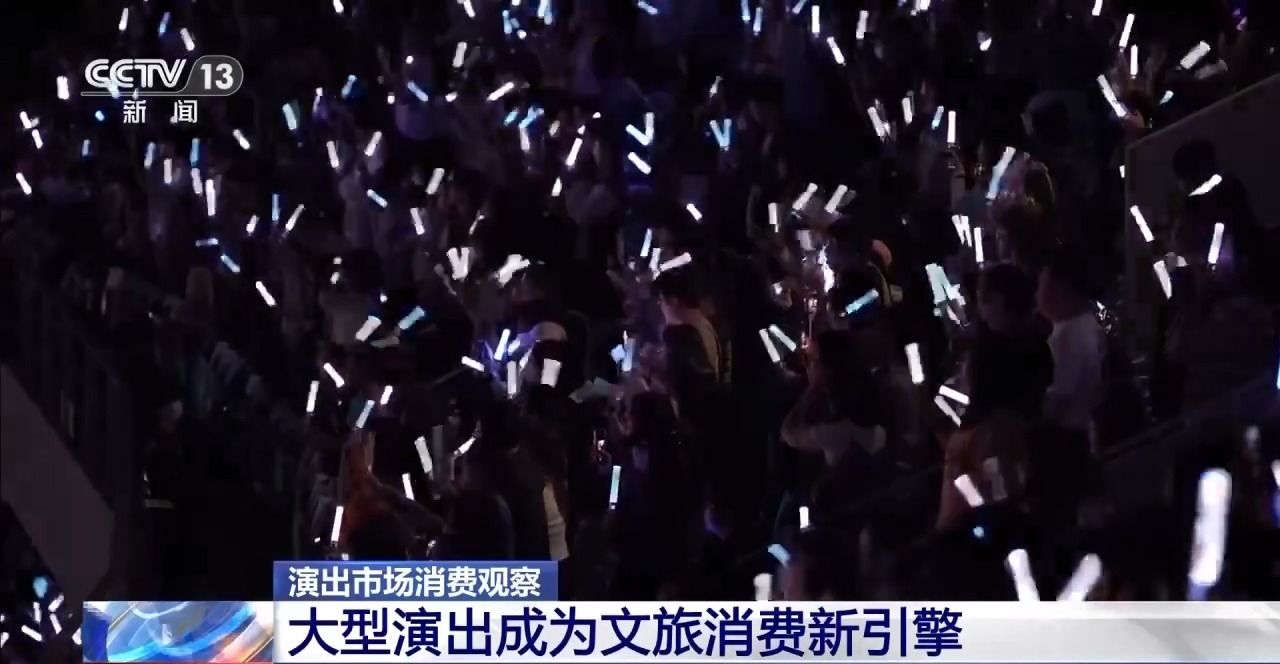
Core Insights - The large-scale performance market is experiencing continuous growth, with concerts and music festivals becoming a new engine for driving cultural and tourism consumption in China [1][3] Group 1: Market Growth and Revenue - The China Performance Industry Association reports that ticket revenue from concerts and music festivals is expected to reach 29.636 billion yuan in 2024, a year-on-year increase of 66%, accounting for 51.1% of total ticket revenue from commercial performances [1] - In Beijing, a single performance team's concert series has led to a 164% month-on-month increase in sales for the surrounding business district [1] - The total ticket revenue for concerts and music festivals is projected to exceed 30 billion yuan for the year, with direct consumption related to these events expected to surpass 200 billion yuan [3] Group 2: Consumer Behavior and Trends - The number of concerts in Beijing has exceeded 180 this year, with approximately 80% of tickets sold out [3] - The trend of traveling to different cities for concerts is becoming popular, with nearly 60% of concert attendees in Shaanxi coming from outside the province [5][9] - The integration of performances with tourism is creating new consumption patterns, as seen in cities like Xi'an, where local initiatives enhance the audience experience [7][9] Group 3: Regional Impact and Economic Boost - Large-scale performances are not only thriving in first-tier cities but are also expanding into second, third, and fourth-tier cities, stimulating new vitality in the cultural tourism market [10] - In Zhejiang, over 40% of large concerts are held in non-provincial capital cities, generating over 5 billion yuan in comprehensive consumption [14] - Local businesses, such as restaurants, are experiencing significant revenue increases during concert events, with some reporting a doubling of sales [14]
文化这一年|票根为钥,解锁文商旅融合新图景
Bei Jing Ri Bao Ke Hu Duan· 2025-12-19 10:53
Core Insights - The Beijing performance market in 2025 has undergone a significant upgrade, integrating various experiences such as accommodation, dining, and entertainment, thereby enhancing urban consumption and showcasing the cultural and commercial vitality of the national cultural center [1][2] Group 1: Concert Market Dynamics - The concert market in Beijing continues to thrive, attracting audiences from across the country, with major events like Mayday's unprecedented 13 concerts at the National Stadium (Bird's Nest) [4] - The demand for accommodation spikes during concert weekends, with hotels near venues experiencing price increases and remaining fully booked [4] - The concert ecosystem extends beyond ticket sales, creating a long consumer chain that includes transportation, dining, and retail [4][6] Group 2: Integration of Culture and Commerce - The integration of culture and commerce is not limited to large concerts; smaller theatrical performances are also linking with commercial districts, as seen in the Beijing People's Art Theatre's initiatives [7] - The "ticket root economy" is being activated through partnerships, offering discounts and benefits to audiences, which has led to increased sales in participating businesses [7][8] - Cultural parks are becoming active sites for this integration, with events that combine performances with various consumer experiences, attracting frequent visits from the public [8] Group 3: Public Welfare and Cultural Engagement - Public performances in historical venues have successfully attracted local citizens and cultural tourists, demonstrating the potential for "cultural attraction + commercial monetization" [9][11] - Events like the "Cultural Season" in East Dongcheng and "Theatrical Events" in West Xicheng have drawn significant attendance, with thousands engaging both online and offline [9][11] - The synergy between cultural events and surrounding commercial environments encourages audience engagement with local businesses, enhancing the overall cultural experience [11]
票价低至168元,演唱会“下沉”比在一线还赚
投中网· 2025-11-20 03:45
Core Viewpoint - The trend of major concerts and music festivals moving to lower-tier cities is becoming increasingly evident, driven by lower costs and less competition compared to first-tier cities [4][5][6]. Group 1: Market Trends - A significant portion of concerts is now being held in third-tier and below cities, with 45.6% of mixed concerts taking place in these areas by the third quarter of 2025 [4]. - The music festival market is also thriving in lower-tier cities, with over 40% of events occurring in these locations [4]. Group 2: Economic Considerations - The costs of hosting concerts in lower-tier cities are substantially lower, with venue rental costs in first-tier cities being 6-10 times higher than in smaller cities [11]. - The overall travel and accommodation expenses for artists' teams in lower-tier cities can be significantly reduced, allowing for better profit margins even with lower ticket prices [11]. Group 3: Audience and Artist Dynamics - Audience demographics in lower-tier cities are favorable, as many areas have large populations with limited exposure to major artists, creating a strong local fan base [6][9]. - Different types of artists have varying considerations for city selection, with some prioritizing the local cultural vibe and infrastructure to enhance their performance [8][9]. Group 4: Government Support and Subsidies - Local governments are increasingly offering substantial subsidies for concerts, which can reach hundreds of thousands, to promote tourism and local economies [11][15]. - However, the actual access to these funds can be challenging, with strict criteria affecting the disbursement of subsidies [12]. Group 5: Impact on Local Economy - Concerts in lower-tier cities can significantly boost local economies, with external visitors accounting for 60-65% of attendees, leading to increased spending in transportation, accommodation, and dining [15]. - The presence of concerts can create a "concert economy" that benefits local vendors and businesses, enhancing overall economic activity [15][16]. Group 6: Challenges and Risks - The reliance on ticket sales for revenue, which constitutes about 70% of total income, poses risks if market assessments are inaccurate, potentially leading to unsold tickets and financial losses [12][13]. - The pricing strategy often used by promoters can be risky, as it may not account for local market conditions, leading to potential oversupply and price reductions [13].
票价低至168元,演唱会“下沉”赚过一线城市?
3 6 Ke· 2025-11-19 00:13
Core Insights - The trend of major artists holding concerts in lower-tier cities is becoming increasingly prominent, with 45.6% of concerts in the first three quarters of 2025 taking place in third-tier cities and below, and music festivals also showing significant activity in these areas [1][2]. Group 1: Market Dynamics - The competition in first-tier cities is intense, leading many organizers to shift focus to lower-tier cities where costs are significantly lower, with venue costs dropping by up to 70% [1][2]. - Factors influencing city selection include population size, economic conditions, and transportation accessibility, with cities like Xiangyang being attractive due to their large population and GDP [2][3]. - The approval process for concerts is much simpler in lower-tier cities, as local governments are supportive of events that boost cultural tourism [3][6]. Group 2: Financial Considerations - Ticket prices in lower-tier cities are generally lower, with some concerts priced as low as 168 yuan, compared to starting prices of 380 yuan in first-tier cities, yet organizers can still achieve comparable or even higher profits due to lower operational costs [5][6]. - The majority of concert revenue comes from ticket sales (approximately 70%), with additional income from secondary sales, sponsorships, and government subsidies [7][8]. - Organizers face challenges in securing government subsidies, as the criteria for receiving funds can be stringent, impacting their financial models [6][8]. Group 3: Economic Impact - Concerts in lower-tier cities can significantly boost local economies, with up to 65% of attendees being from outside the city, leading to increased spending on transportation, accommodation, and food [8][9]. - Different types of artists have varying impacts on local tourism, with popular artists driving substantial economic activity, while legacy artists often attract local audiences motivated by nostalgia [8][9]. - The trend of concerts moving to lower-tier cities reflects a maturation of the entertainment market, promoting a healthier business model within the industry [9].
演唱会下沉:文旅KPI的焦虑狂欢还能持续多久?
3 6 Ke· 2025-11-05 12:40
Group 1 - The concert market in lower-tier cities is expected to grow significantly, with 45.6% of mixed concerts taking place in third-tier and below cities by Q3 2025, and large music festivals in these cities accounting for 34.9% of total events [2][4] - The ticket sales in third and fourth-tier cities have increased, with box office share rising from 25.3% to 29.1% [2][4] Group 2 - The approval process for concerts in major cities like Beijing and Shanghai is extremely challenging, with lengthy bureaucratic procedures and strict regulations [3][4] - In contrast, local authorities in smaller cities are more supportive, often providing assistance and less stringent oversight for concert organizers [4][5] Group 3 - Ticket pricing strategies in lower-tier markets are aggressive, with practices such as ticket subsidies and transportation reimbursements becoming common [5][6] - Fans from smaller cities are now able to attend concerts more easily and affordably, leading to increased local attendance [12][14] Group 4 - The appeal of concerts in smaller cities is growing, as they provide a more accessible and enjoyable experience compared to traveling to larger cities [14][18] - Local governments recognize the economic potential of concerts, viewing them as a means to stimulate local GDP beyond traditional sectors [15][19] Group 5 - However, replicating the success of concerts from major cities in smaller markets is not straightforward, with many organizers facing challenges due to misaligned pricing and local demand [21][22] - The market is becoming saturated, with many cities planning regular concerts, which may dilute the perceived value of such events [25][27] Group 6 - The demographic of concert attendees is shifting, with local fans becoming the primary audience, reducing the influx of external visitors [26][28] - The future of concerts in smaller cities may resemble large-scale karaoke events, primarily benefiting local audiences rather than attracting significant tourism [28][30]
为什么经济越下行,演唱会越嗨?
创业邦· 2025-11-03 03:59
Core Viewpoint - The concert industry is experiencing unprecedented growth despite economic challenges, with ticket sales and attendance reaching record levels, indicating a shift in consumer behavior towards experiential spending rather than material possessions [6][18]. Group 1: Concert Industry Growth - In 2025, over 330 concerts were held in May alone, averaging more than 10 concerts per day, showcasing the rapid expansion of the concert market [6]. - Total attendance reached 4.484 million, generating ticket sales of 3.333 billion, with an average ticket price of approximately 750 yuan [7]. - In the first eight months of 2025, concert ticket sales exceeded 20 billion, with concerts alone accounting for 16.46 billion, reflecting a year-on-year growth of 43% [7]. Group 2: Consumer Behavior and Emotional Value - Consumers are prioritizing experiences over material goods, viewing concert tickets as "emotional power banks" that provide a necessary escape from daily stress [8][10]. - The phenomenon is described as a "high emotional premium scarce experience," where individuals are willing to spend significantly on concerts to feel a sense of belonging and release [10]. - The modern concert experience has evolved into a comprehensive social event, with extensive planning and social media engagement before, during, and after the event [11][12]. Group 3: Economic Impact and Tourism - Concerts are driving significant economic activity, with an average cross-city attendance rate exceeding 60%, leading to increased local spending on accommodation, food, and transportation [13][15]. - For every yuan spent on concert tickets, approximately 4.8 yuan is generated in related local spending, indicating a strong multiplier effect on the local economy [15]. - Local governments are incentivizing concerts through subsidies, recognizing their potential to boost tourism and local economies [17]. Group 4: Cultural Shift - The concert economy reflects a broader cultural shift among younger generations, who prioritize experiences over ownership, signaling a transformation in consumer values [18]. - This trend highlights a collective desire for shared experiences and emotional connections in an increasingly uncertain world, where concerts provide a sense of certainty and community [18].
