
养老服务

Search documents
7个老年助餐服务点挂牌运营
Xin Lang Cai Jing· 2026-01-12 19:03
十师北屯市民政局相关负责人表示,将以此次老年助餐服务点挂牌运营为契机,持续完善服务网络布 局,丰富服务内容,提升服务质量,推动老年助餐服务可持续、规范化发展,让更多老年人享受到便 捷、实惠、安全的餐饮服务,不断提升老年群体的获得感、幸福感。 据介绍,为切实破解老年人"做饭难、吃饭愁"问题,2024年以来,十师北屯市通过统筹街道社区、养老 机构及第三方餐饮企业资源,支持推动现有场地进行适老化改造,高质量推进老年助餐服务点建设。经 过实地考察、资质审核、群众评议等多个环节严格筛选,最终确定并挂牌运营7个规范化老年助餐服务 点,初步构建起多元参与、布局合理的助餐服务体系。为让老年人得到实实在在的优惠,该师市同步实 施助餐补贴政策,对符合条件的老年人给予相应就餐补助,有效降低了老年人就餐成本,让惠民政策真 正落地见效。 北屯讯(通讯员 刘春燕 龚素梅) 近日,位于十师北屯市的北屯养老院、北屯康乐养老院、新疆北屯得 仁老年公寓、一八四团养老院、一八八团海川社区食堂、北屯市汉唐餐饮、北屯市怡香怡绝拌面王7个 老年助餐服务点相继挂牌运营。 ...
本市将试点推进“家政+养老”空间建设
Xin Lang Cai Jing· 2026-01-12 18:00
Core Viewpoint - The Beijing Municipal Civil Affairs Bureau, Commerce Bureau, and Human Resources and Social Security Bureau have issued guidelines to accelerate the development of the "Home Services + Elderly Care" model, aiming to enhance the integration of elderly care and home services for better resource sharing and professional services for the elderly [1][2][3] Group 1: Key Tasks - The guidelines outline seven key tasks, including accelerating talent development for "Home Services + Elderly Care," piloting space construction, and promoting service integration [1] - The focus on talent development includes supporting home service companies to provide care services for severely disabled elderly individuals and enhancing cooperation with elderly care institutions [1] - The guidelines encourage the establishment of a professional human resources market and the inclusion of home service personnel in the evaluation of elderly care workers [1] Group 2: Space Construction - The city will pilot the construction of "Home Services + Elderly Care" spaces, utilizing community elderly service centers and meal points to facilitate home service activities [2] - The initiative aims to enhance the service supply of elderly care facilities and address temporary resting needs for service personnel [2] - Home service companies are encouraged to operate within community elderly service centers, promoting collaboration with elderly care institutions [2] Group 3: Future Development - The city plans to support home service companies in entering a professional elderly service provider database, fostering a symbiotic ecosystem of elderly care services [3] - There is an emphasis on deep collaboration between community service stations and home service companies to provide door-to-door services for elderly individuals [3] - The guidelines promote the design of inclusive service packages tailored to the frequent needs of the elderly, ensuring personalized services for high-demand individuals [3]
2026年开年新政红利持续释放 银发经济激活消费新动能
Sou Hu Cai Jing· 2026-01-12 13:03
Core Insights - The silver economy is projected to become a core engine for domestic demand activation by 2026, with the population aged 60 and above expected to exceed 310 million by the end of 2024, accounting for 22% of the total population [1] - The silver economy is steadily approaching a scale of 12 trillion yuan, driven by policy incentives that cater to diverse needs such as smart health care, social engagement, emotional companionship, and value realization [1] - The silver economy encompasses various segments, including "for the elderly economy," "preparation for the elderly economy," and "utilizing the elderly economy," with core drivers identified as elderly care services, health consumption, and cultural entertainment consumption [1] Policy and Market Dynamics - A new round of national subsidies is effectively stimulating the diverse demands of the silver population, with significant growth in community, institutional, and home care services, showing year-on-year revenue increases of 30.4%, 22.6%, and 18.0% respectively in the first half of 2025 [1] - The launch of the elderly service consumption subsidy project by the Ministry of Civil Affairs and the Ministry of Finance aims to support elderly individuals with moderate to severe disabilities, providing electronic vouchers for various care services, with a maximum monthly deduction of 800 yuan [3] - The silver economy is not only a response to aging demographics but also a significant contributor to economic growth, highlighting the importance of understanding the needs of the elderly population for future societal development [3] Consumer Behavior and Trends - The consumption capacity of the silver population is continuously being released, reflecting a deeper upgrade in their views on aging and consumption, with increasing participation in cultural and recreational activities [2] - Health-related products, such as smart health devices, are becoming essential for the elderly, with a notable example being the opening of Shanghai's first silver store, which achieved sales of over 300,000 yuan within two weeks [2] - The silver economy's growth is supported by a stable and capable consumer base, driven by effective policy support and a focus on enhancing the quality of life for the elderly [2] Future Outlook - The government has emphasized the development of the silver economy in its 2025 work report and the 14th Five-Year Plan, indicating a strategic focus on this sector [4] - The interplay of policy, demand, and supply is creating a new ecosystem for the silver economy, which is expected to be a key area for domestic demand growth in the coming years [4] - Understanding the underlying logic of the silver economy is crucial for capturing growth opportunities in this emerging market, aligning with demographic trends and consumer needs [4]
晶采观察丨2026年开年新政红利持续释放 银发经济激活消费新动能
Yang Guang Wang· 2026-01-12 13:02
Core Insights - The "silver economy" is emerging as a significant driver of domestic demand in China, with the population aged 60 and above expected to exceed 310 million by the end of 2024, accounting for 22% of the total population [1] - The silver economy is projected to reach a market size of 12 trillion yuan, supported by favorable policies that cater to diverse needs such as smart health care, social engagement, emotional companionship, and self-actualization [1] - The government is implementing a series of policies to enhance the silver economy, focusing on elderly care services, health consumption, and cultural entertainment as the three core drivers of silver consumption [3] Market Dynamics - Sales revenue from community, institutional, and home-based elderly care services saw year-on-year growth of 30.4%, 22.6%, and 18.0% respectively, indicating a sustained release of consumption capacity among the elderly [4] - The rise in demand for spiritual consumption is evident, with more elderly individuals willing to spend on experiences that provide emotional satisfaction and social connections, such as travel and cultural events [4] - The introduction of smart health devices, like mobility aids and emergency call systems, is becoming standard for the elderly, reflecting a shift towards health-oriented consumption [4] Policy Support - The Ministry of Civil Affairs and the Ministry of Finance have launched a subsidy program for elderly care services, providing electronic vouchers that can cover up to 800 yuan per month for various care services [7] - The policy aims to create a complete ecosystem for health consumption rather than merely providing financial support, highlighting the importance of addressing the needs of the elderly population as a response to aging demographics [7] - The 2025 government work report emphasizes the need to improve policies for the development of the elderly care industry and the silver economy, indicating a strategic focus on this sector [8]

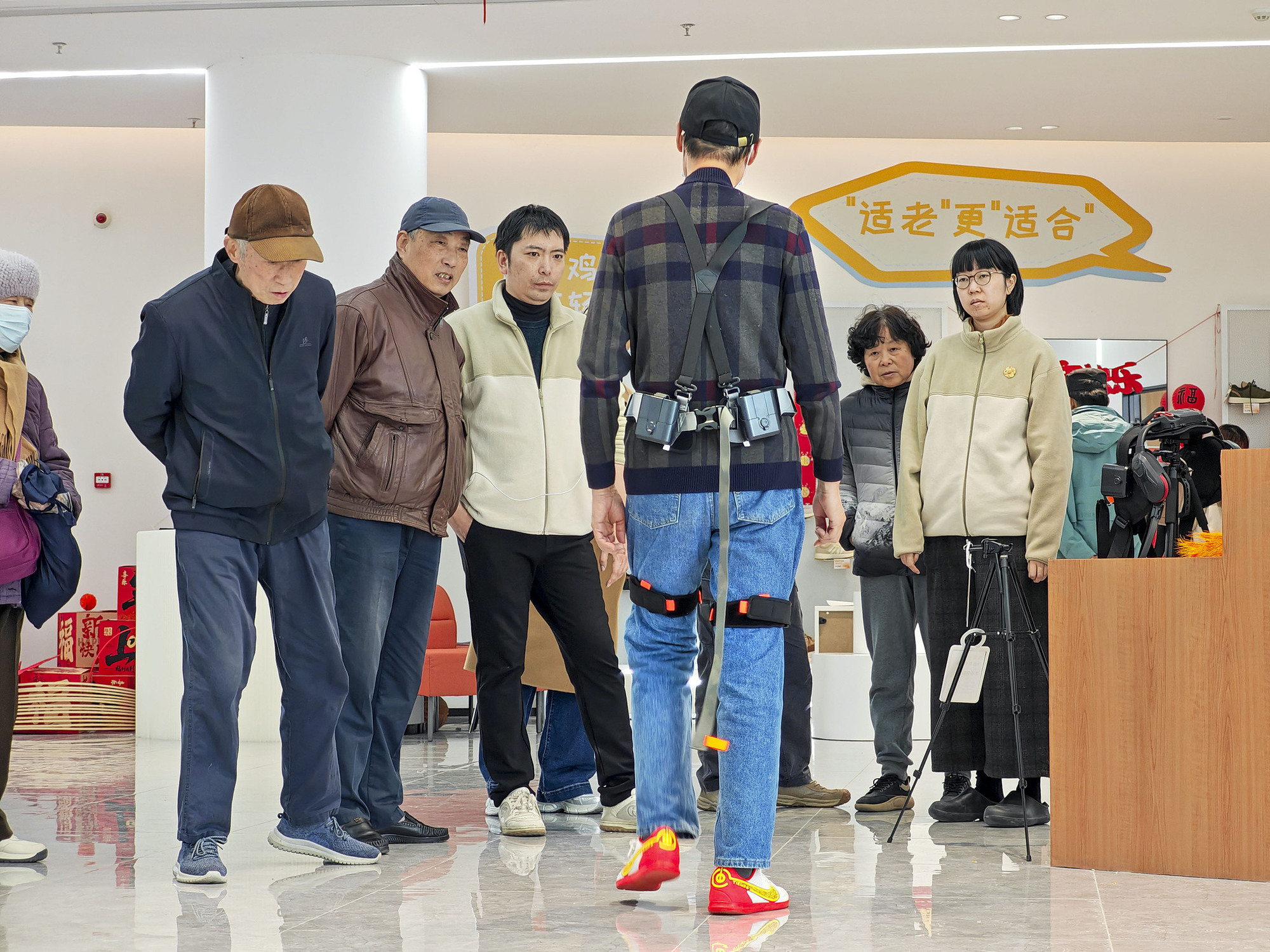
北京将试点推进“家政+养老”空间建设
Xin Lang Cai Jing· 2026-01-12 11:47
Core Viewpoint - The Beijing Municipal Civil Affairs Bureau, Commerce Bureau, and Human Resources and Social Security Bureau have issued guidelines to accelerate the integration of "housekeeping + elderly care" services, aiming to provide more professional and convenient home services for the elderly [1][2]. Group 1: Key Tasks - The guidelines outline seven key tasks, including accelerating talent development for "housekeeping + elderly care," piloting space construction for these services, and promoting the overall service model [1]. - The city will pilot the construction of "housekeeping + elderly care" spaces, utilizing community elderly service centers and meal service points to provide service venues for housekeeping companies [1][2]. Group 2: Institutional Support - There will be moderate advancement in the construction of "housekeeping + elderly care" institutions, encouraging housekeeping companies to operate within elderly service facilities and collaborate with elderly care enterprises [2]. - The city supports the establishment of a symbiotic ecosystem for elderly services, integrating community service centers, service stations, and professional service providers [2]. Group 3: Service Development - The guidelines encourage housekeeping companies to enter professional elderly service databases and effectively connect with elderly care institutions to meet the needs of the elderly [2]. - There is an emphasis on designing inclusive "housekeeping + elderly care" service packages tailored to the high-frequency needs of the elderly, along with personalized services for those with ongoing high demands [2].
光明日报 | 用心用情暖民心——2025年各项民政工作取得新进展新成效
Xin Lang Cai Jing· 2026-01-12 10:43
Group 1: Elderly Care Services - The elderly care service system in China has improved significantly, transitioning from "养老" (nursing) to "享老" (enjoying old age), enhancing the happiness of millions of elderly individuals [2] - In Jiangxi Province, a renovated elderly care center now offers 82 beds, with 66 being nursing beds, providing various quality services for residents [2] - The Ministry of Civil Affairs plans to allocate 296 million yuan to support 59 regions in innovating county-level elderly care service mechanisms by 2025 [2] Group 2: Home and Community-Based Services - A national initiative for enhancing home and community-based elderly care services has been launched, with a central government investment of 900 million yuan to support 50 project areas [3] - The introduction of the elderly service profession into the national occupational list aims to create clearer career paths for elderly care workers, with plans to train 1.5 million skilled personnel over three years [3] - Various regions are developing training programs for elderly care professionals, with specific targets set for training thousands of caregivers and assessors [3] Group 3: Welfare and Social Assistance - The Ministry of Civil Affairs has focused on enhancing welfare for vulnerable groups, ensuring that benefits are accessible to all eligible individuals [4] - A comprehensive mechanism for social assistance has been established, allowing for efficient processing of various aid applications, including disability benefits and housing support [5] - The dynamic adjustment mechanism for disability benefits now covers 11.89 million individuals, ensuring that welfare is effectively delivered [5] Group 4: Child Welfare - Child welfare initiatives have shifted towards precise identification and service delivery, with increased support for orphans and children without guardians [6] - The average monthly support for orphans in institutional care has reached 2064.1 yuan, while support for scattered orphans and children without guardians is 1599.5 yuan and 1586.5 yuan, respectively [5] Group 5: Social Services Reform - The Ministry of Civil Affairs has implemented reforms to improve social services, making them more equitable and accessible [7] - A national initiative for marriage registration has been launched, allowing for streamlined processes and digitalization of records [7] - Funeral customs reform is underway, with policies in place to support low-income families in accessing essential funeral services [8] Group 6: Geographic and Public Service Development - The integration of geographic information systems is enhancing public service delivery and supporting rural revitalization efforts [9] - Innovative logistics solutions are being developed to improve rural access to markets, utilizing digital tools and standard address databases [9]
普惠“家政+养老”服务套餐,北京今年拟推不少于十套
Xin Lang Cai Jing· 2026-01-12 09:46
Core Viewpoint - Beijing is actively promoting the integration of "housekeeping + elderly care" services to provide more professional and convenient home services for the elderly, as outlined in the recent guidelines issued by multiple government departments [1][2]. Group 1: Talent Development - The guidelines emphasize the need to accelerate the supply of talent for "housekeeping + elderly care" services, including deepening external cooperation and school-enterprise partnerships to broaden the talent pool [1][3]. - A regular training system combining offline training and online modules will be established, encouraging participation in skill level assessments [1][3]. - The goal is to establish at least five cooperative relationships between housekeeping enterprises, elderly care institutions, and external labor bases or vocational colleges to create stable talent supply channels [3]. Group 2: Service Standards and Ecosystem - Beijing will support housekeeping companies to enter a professional elderly service provider database and participate in building a collaborative elderly care service ecosystem [2]. - The guidelines call for the joint promotion of standards for "housekeeping + elderly care" services, aiming to develop group and enterprise standards that exceed national and industry benchmarks [2]. - The establishment of community service points through collaboration between housekeeping companies and elderly care institutions is encouraged [2]. Group 3: Policy Support and Implementation - The guidelines propose subsidies for housekeeping companies that establish elderly care institutions, as well as support for projects related to aging-friendly renovations [2]. - This year, a consumer subsidy project for elderly care services will be organized, specifically targeting services for elderly individuals with moderate to severe disabilities [3]. - At least 2,000 personnel in housekeeping and elderly care services will undergo unified training and evaluation as part of the initiative [3].
裕民县市场监督管理局持续深化养老机构监管、守护老年人食品安全
Zhong Guo Shi Pin Wang· 2026-01-12 02:57
Core Viewpoint - The article highlights the comprehensive safety inspection conducted by the Yumin County Market Supervision Administration in collaboration with other departments to ensure the health and safety of elderly residents in nursing homes [1][2] Group 1: Safety Inspection Details - The inspection focused on key areas such as food procurement and storage, catering processing, drug management, and the operational safety of special equipment like elevators and boilers [1] - Enforcement personnel strictly adhered to relevant regulations, checking the licensing and changes in food service operations at nursing home kitchens, as well as the implementation of health management for staff [1] - The inspection aimed to enhance the internal management standards of nursing homes by urging them to refine their food safety management systems and clarify responsibilities and operational procedures [1] Group 2: Outcomes and Future Actions - The inspection successfully identified food safety risks in nursing home kitchens, leading to improved compliance with food safety responsibilities and management standards [1] - The Yumin County Market Supervision Administration plans to continue focusing on food safety for the elderly, further deepening regulatory efforts to eliminate food safety risks [2]
多元化服务,让“养老”变“享老”
Nan Jing Ri Bao· 2026-01-12 02:44
Group 1 - The core objective is to establish 12 senior-friendly living experience centers to provide services such as product display, selection, renovation, leasing, and maintenance tailored for the elderly [1] - By 2025, Nanjing has completed and put into operation 12 senior living experience centers, creating a one-stop platform for elderly care services that focus on personalized solutions for home care needs [2] - The experience centers aim to enhance the quality of life for seniors by offering customized solutions for health management and daily care, integrating smart home technologies for safety and comfort [2] Group 2 - The "Elderly Dining Hall" in the Gulou District has been designed specifically for seniors, providing a warm dining environment and affordable meals, with delivery services available for those in need [3] - In 2025, 14 senior dining points have been renovated and are operational, ensuring that elderly residents can access nutritious meals conveniently, alleviating concerns for their families [3] - The establishment of mutual aid points in rural areas aims to improve elderly care services, providing daytime care and cultural activities, thereby enhancing the overall quality of rural elderly care [4] Group 3 - Nanjing's elderly care services are evolving from basic support to comprehensive upgrades, ensuring that every elderly individual can enjoy a safe, comfortable, and dignified life [4]
我省投入运营的标准化养老机构达261家
Xin Lang Cai Jing· 2026-01-11 22:25
本报讯(记者 李莎)"每天一早护理员就来测血压、问情况,院里环境干净敞亮,住这儿比在家省心多 了。"1月9日,在贵阳市观山湖区养老服务中心,90岁的沈朝爱老人满脸笑意。去年,因行动不便需专 业照护,沈朝爱和85岁的老伴一同入住,如今已把这里当成了第二个家。 转自:贵州日报 "十四五"以来,贵州正常运营的养老机构648家,床位总数5.98万张,其中护理型床位4.39万张,入住人 数3.64万人。为提升服务质量,贵州大力推进标准化养老机构建设,建成标准化养老机构317家,261家 正式投入运营,覆盖城乡的标准化养老服务网络逐步成型。 为保障服务质量,贵州印发相关标准,依规开展养老机构等级评定与日常监测,将评定结果作为机构运 营补贴、评优评先的重要依据。同时,统筹多部门力量重点核查消防安全、食品卫生等关键环节,对违 法违规行为依法惩戒,为老人筑牢保障防线。 沈朝爱老两口的舒心体验,是贵州标准化养老机构服务质量的生动缩影。作为全省医养结合型养老公寓 之一,观山湖区养老服务中心以标准化建设为核心,配备专业医护团队和基础医疗科室,与三甲医院搭 建双向转诊"绿色通道",构建11级精细化护理体系,精准满足老人照护需求。此外, ...