装备制造

Search documents
吉林发改委党组书记李平:高标准推进长春现代化都市圈建设
Xin Lang Cai Jing· 2026-01-11 04:50
Core Viewpoint - The construction of the Changchun Modern Urban Circle aims to enhance the city's radiating effect, promote urban integration, and serve as a driving force for high-quality development in Jilin Province and revitalization in Northeast China [1] Group 1: Urban Circle Development - The Changchun Modern Urban Circle, centered around Changchun City, includes Jilin City, Siping City, and Liaoyuan City, covering an area of approximately 29,700 square kilometers with a resident population of about 12.1 million [1] - The "Changchun Urban Circle Development Plan" was officially issued in October 2025, marking the transition from planning to implementation [1] Group 2: Industrial Collaboration - The urban circle will leverage its industrial foundation and educational resources to enhance industrial layout and collaborative systems, focusing on sectors like automotive, equipment manufacturing, green food, and fine chemicals [2] - A collaborative model will be established where R&D headquarters are in Changchun, manufacturing occurs within the circle, and innovation results are transformed and applied locally [2] Group 3: Infrastructure Connectivity - Key projects will be initiated in transportation, energy, water resources, and information sectors to improve connectivity and resource flow within the urban circle [3] - A comprehensive transportation network will be developed, including high-speed rail, highways, and aviation, alongside a robust energy and water resource system [3] Group 4: Public Services - The province aims to create a public service system that is equitable, high-quality, and regionally shared, focusing on education, healthcare, and employment security [4] - The goal is to ensure that the benefits of urban circle development are distributed fairly among the population [4] Group 5: Open Cooperation - The urban circle will promote industrial collaboration, transportation linkage, and innovation synergy with other cities in the province, creating five cooperative development zones [5] - New channels and platforms for open cooperation will be established with other provinces in Northeast China, enhancing the region's openness [5]
海南自贸港封关第一年 各行各业抢抓政策新机遇
Yang Shi Xin Wen Ke Hu Duan· 2026-01-11 01:47
Group 1 - Hainan Free Trade Port is actively seizing new policy opportunities post-closure, with over a hundred quality projects opened for various sectors across all 18 cities and counties in Hainan, including low-altitude economy and tropical agriculture [1] - The number of inbound tourists in Hainan has surged, with data showing a 28% increase in Sanya and a 15% increase in Haikou during the first week of the new year [6] - Hainan's offshore duty-free shopping saw a revenue of 1.21 billion yuan in the first week of the new year, marking an 88% year-on-year increase, with nearly 150,000 shoppers, a 38.3% increase [9] Group 2 - The number of newly registered foreign trade enterprises in Hainan has reached 4,396 since the closure, indicating strong investment confidence among businesses [12] - Companies are optimistic about growth, with expectations of a 20% increase in orders for 2026 compared to 2025 [15] - Hainan's policies have enabled companies like Baiwei Gene Biotechnology to introduce over 5 million yuan worth of zero-tariff biomedical equipment, saving nearly 1 million yuan [14]

兵团装备制造业增长动能持续强劲
Xin Lang Cai Jing· 2026-01-10 19:31
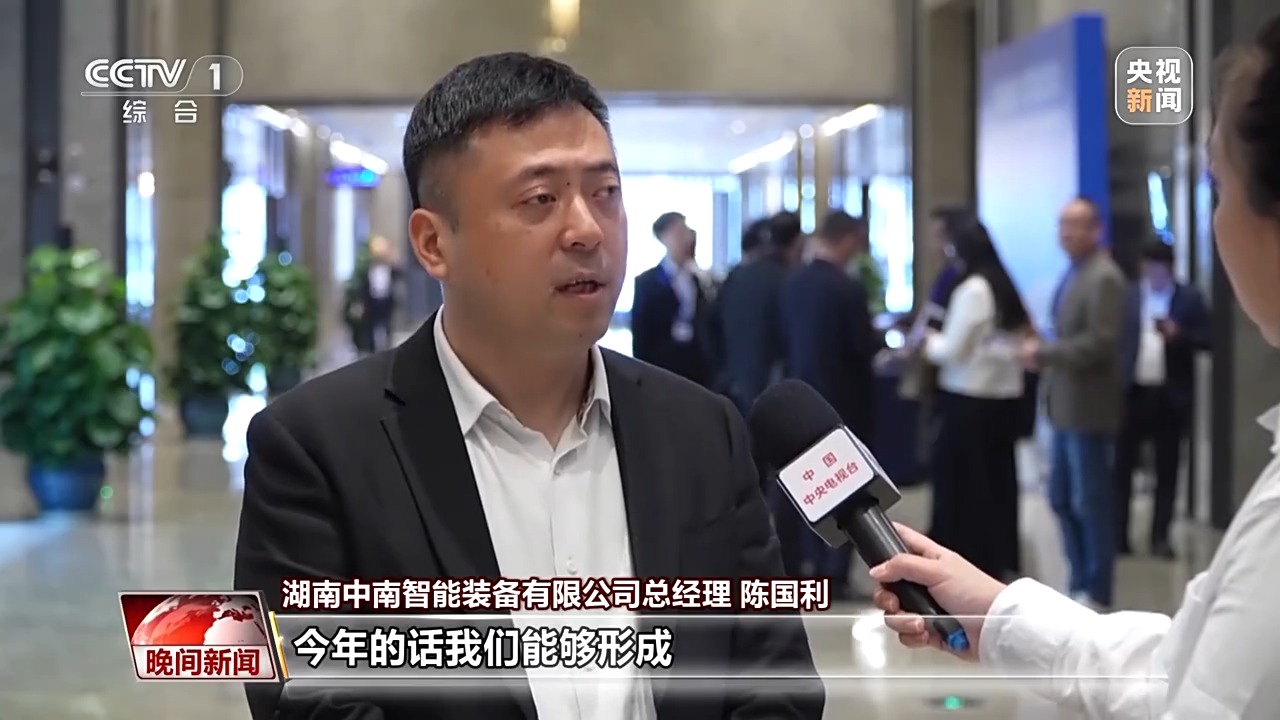
Group 1 - The core viewpoint is that the equipment manufacturing industry is a crucial foundation for the high-quality development of the industrial economy, with significant growth in value-added and investment since 2025 [1][2] - From January to November 2025, the value-added of the equipment manufacturing industry in the region increased by 21.1% year-on-year, achieving double-digit growth for 19 consecutive months, contributing 5.8% to industrial economic growth [1] - Innovation is key for the equipment manufacturing industry to ascend to the mid-to-high end of the value chain, with over 140 companies in the sector enhancing competitiveness and cluster development [1] Group 2 - The region is promoting deep integration of the digital economy and the real economy, with over a hundred small and medium-sized enterprises completing digital transformation as part of a comprehensive action plan for technological upgrades [2] - There is a strong emphasis on green development, accelerating the green transformation of the equipment manufacturing industry, and promoting upgrades in traditional industries to support low-carbon industrial growth [2] - The equipment manufacturing sector's role as a "ballast stone" is increasingly prominent, with the manufacturing and application levels of equipment such as cotton-picking machines and large drones ranking among the best in the country [2]
四川造“超级能源工厂”入选央企十大超级工程
Xin Lang Cai Jing· 2026-01-10 18:28
Core Viewpoint - The "Global First 700 MW Ultra-Supercritical Circulating Fluidized Bed Boiler" developed by Dongfang Electric Group has been recognized as one of the "Top Ten Super Projects of Central Enterprises for 2025," showcasing Sichuan's world-class innovation in the equipment manufacturing sector [1] Group 1 - The boiler is described as a giant, intelligent, and environmentally friendly "super energy factory" that efficiently converts difficult-to-burn "poor coal" (such as high-moisture lignite) into electricity while minimizing pollution emissions [1] - This equipment represents a significant breakthrough in China's energy equipment sector, with all core components independently developed by Dongfang Electric, ensuring complete control over the technology [1] Group 2 - The project successfully completed a 168-hour full-load trial operation at the Yuneng Honghe Power Plant on April 17, 2025, marking the official commissioning of the world's largest circulating fluidized bed boiler [1] - During the trial operation, the unit's systems operated stably, with main reheat steam parameters meeting standards, and all performance indicators, including automatic device utilization rate, protection device accuracy, and water quality compliance rate, achieving 100% [1] - The average load rate reached 99%, demonstrating the excellent performance of the equipment [1]

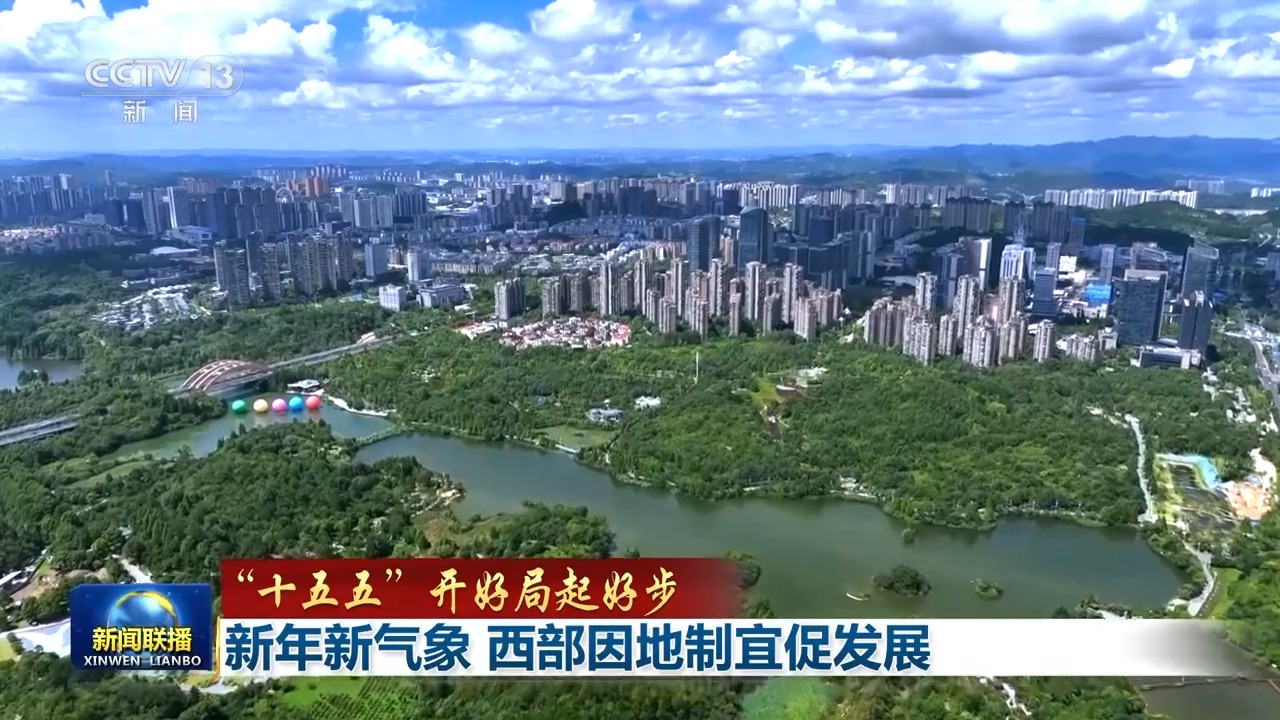
“十五五”开好局起好步丨新年新气象 西部因地制宜促发展
Yang Shi Xin Wen Ke Hu Duan· 2026-01-10 01:19
Group 1: Economic Development Initiatives - The western region is focusing on high-quality development by leveraging local resources and promoting tailored growth strategies [1] - Guizhou plans to enhance the quality of its business entities by utilizing big data to categorize over 4.8 million business entities, with government procurement targeting 40% for small and medium enterprises [3] - Gansu is allocating 120 billion yuan to advance 310 key projects aimed at "intelligent, green, and integrated" transformation to build a modern industrial system [5] Group 2: Energy Sector Developments - Qinghai is prioritizing the development of energy storage technologies and constructing integrated renewable energy bases to establish a global solar thermal center [6] - Xinjiang is focusing on building a new power system centered on renewable energy, accelerating the construction of large wind and solar power bases [7] - Inner Mongolia aims to enhance the resilience of its renewable energy sector, with plans to add 30 million kilowatts of new grid-connected renewable energy capacity this year [7] Group 3: Regional Collaboration and Infrastructure - Chongqing is implementing ten actions to build a modern industrial system, collaborating with Sichuan to develop new trillion-level industrial clusters [8] - Ningxia is emphasizing urban-rural integration and optimizing public resources to advance major projects like underground pipeline upgrades and clean heating [10] - Ningxia's development strategy includes coordinating new industrialization and urbanization efforts to promote common prosperity among its diverse population [12]
智能化变革探索未来制造模式
Jing Ji Ri Bao· 2026-01-09 22:07
Core Viewpoint - China's smart manufacturing is transitioning from digitization and networking to intelligence, with the establishment of leading smart factories as a benchmark for global development [1] Group 1: Overview of Leading Smart Factories - The Ministry of Industry and Information Technology and six other departments announced the first batch of 15 leading smart factories, covering key industries such as equipment manufacturing, raw materials, electronic information, and consumer goods [1][2] - Leading smart factories integrate new information technologies, advanced manufacturing techniques, and lean management concepts, representing the highest standards of China's manufacturing intelligence [1][2] Group 2: Importance and Impact - Building leading smart factories is crucial for the digital transformation and intelligent reform of the manufacturing industry, serving as a benchmark for future manufacturing models and enhancing global competitiveness [1][4] - These factories can accelerate the transition from "factor-driven" to "innovation-driven" manufacturing, addressing traditional industry pain points and fostering a more resilient supply chain [4] Group 3: Technological and Economic Standards - Leading smart factories must have at least 60% of their AI technology application scenarios, significantly higher than the 20% requirement for excellent-level factories [7] - They are required to cover five key areas: factory construction, research and design, production operations, production management, and operational management [7] Group 4: Case Studies and Achievements - Xuzhou Heavy Machinery Co., Ltd. was selected for its mobile crane smart factory project, which emphasizes global customization and agile response, integrating 5G, digital twins, and industrial internet [2] - SAIC-GM-Wuling's island-style smart factory has improved manufacturing efficiency by 30%, with a comprehensive equipment utilization rate of 98.8% and a 43% reduction in product development cycles [5] Group 5: Future Directions and Recommendations - The first batch of leading smart factories should focus on consolidating advantages while achieving higher quality development, emphasizing continuous technological innovation and the deep application of core technologies [6][8] - A multi-faceted promotion system involving policy guidance, enterprise responsibility, and ecological collaboration is essential for fostering more leading smart factories from excellent-level ones [8]
中国一重:首件超超临界机组FB2转子锻件完工
Zheng Quan Shi Bao Wang· 2026-01-09 12:31
人民财讯1月9日电,据中国一重(601106)消息,1月8日,中国一重为上海电气(601727)研制的首件 620℃超超临界机组FB2转子锻件完工仪式在齐齐哈尔举行。该锻件的成功完工,标志着中国一重在 620℃超超临界汽轮机转子锻件制造领域取得重大进展,实现了我国在该类高端核心部件自主化研制上 的重要突破。 ...


国机集团:2025年集团先进装备制造及产业基础研制与服务板块利润占比实现历史性突破
Zheng Quan Shi Bao Wang· 2026-01-09 12:30
人民财讯1月9日电,1月9日,记者从国务院国资委召开国有企业改革深化提升行动经验交流会上获悉, 2025年中国机械工业集团有限公司的先进装备制造及产业基础研制与服务板块利润占比达53%,实现历 史性突破。 ...
北玻股份:关于公司对外投资设立子公司的进展公告
Zheng Quan Ri Bao Zhi Sheng· 2026-01-09 11:41
(编辑 丛可心) 证券日报网讯 1月9日,北玻股份发布公告称,公司2026年1月8日完成控股子公司洛阳北玻高温电窑智 能装备有限公司工商登记,注册资本1000万元,聚焦陶瓷等工业电热高温装备研发制造,预计拓展建筑 外新增长曲线。 ...

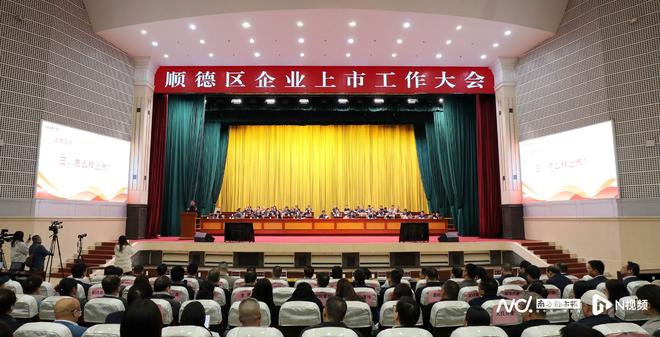
顺德新年第一会释放强信号,企业家聚焦云鹭小镇新蓝图
Nan Fang Du Shi Bao· 2026-01-09 08:21
Core Insights - The Shunde District is promoting itself as a "capital-strong area" through the launch of the "Yunlu Listing Town" development plan and the release of supportive policies for companies aiming to go public [1][5]. Group 1: Conference Highlights - The Shunde District held its annual enterprise listing conference, marking the tenth consecutive year of high-profile events focused on empowering companies for listing and high-quality development [1]. - The conference emphasized the importance of capital markets for companies, with leaders indicating a favorable market environment for the year ahead [3]. Group 2: Company Perspectives - Companies expressed optimism about the new policies, particularly the "Yunlu Listing Town" measures, which aim to attract more intermediary institutions and enhance collaboration between supply and demand [5]. - A company representative highlighted the need for capital market resources to support their global expansion strategy, indicating a reliance on external financing due to the long investment cycles in the equipment manufacturing industry [4]. Group 3: Future Plans and Goals - Companies like Cardwa Technology aim to leverage capital markets to strengthen their business, with plans to list on the A-share market within the next 3-4 years [6][7]. - Another company, Megke, plans to initiate its capital market layout after achieving a revenue target of 10 billion yuan, with a focus on expanding its market presence and enhancing its governance structure [17][19]. Group 4: Supportive Policies - The "Yunlu Listing Town" policies include targeted administrative support and solutions for compliance issues, which are seen as beneficial for companies preparing for listing [9]. - The Shunde District government has committed 600 million yuan to support enterprises in their listing efforts, which is expected to provide significant assistance to companies during their capital market journey [18].