
旅游业

Search documents
贵州文旅亮相泰国国际旅游展
Xin Lang Cai Jing· 2026-01-25 21:22
Core Viewpoint - The article highlights the participation of Guizhou's cultural and tourism sector in the 31st Thailand International Tourism Expo, aiming to promote Guizhou as a travel destination for Thai tourists [1] Group 1: Event Participation - Guizhou's cultural and tourism department organized a delegation including travel agencies, Jiuyuan Airlines, and the Bijie Wumeng Performing Arts Group to attend the expo in Bangkok from January 22 to 24 [1] - A special performance of the Guizhou bell dance, showcasing the unique ethnic culture, was presented at the opening ceremony of the expo [1] Group 2: Promotion and Collaboration - During the "Qianjin Thailand" cultural tourism promotion meeting, Guizhou introduced ticket discounts, group incentives, and "Bring Guests to Guizhou" reward policies aimed at the Thai market [1] - Thai travel merchants engaged in discussions with Guizhou tourism enterprises regarding flight schedules, tourism route development, and promotional strategies in Thailand [1] Group 3: Market Trends - With the recovery of the Thai outbound tourism market to China, Guizhou is increasingly recognized as a popular destination for Thai tourists [1]
城乡“一盘棋” 携手共奋进
Xin Lang Cai Jing· 2026-01-25 20:19
Core Viewpoint - Qinghai Province is advancing a unique model of urban-rural integration and revitalization, focusing on improving living conditions, enhancing infrastructure, and fostering economic development through a combination of urban and rural resources [2][4][10] Urban-Rural Integration - Qinghai has achieved full coverage of green buildings in new urban constructions and improved living conditions for 186,700 rural households [2] - The province has implemented effective waste management systems, with 96.2% of administrative villages achieving effective waste disposal [3][4] - Smart governance initiatives, such as real-time monitoring of waste management, have significantly improved efficiency and community engagement [3] Infrastructure Development - The province has upgraded 32 roads totaling 19.2 kilometers, enhancing connectivity between urban and rural areas [5] - By 2025, a new scenic highway named "North Drive Qilian No. 9" is expected to boost tourism and local economies [5] - Qinghai has constructed 4,000 kilometers of new and renovated rural roads, ensuring 86% of townships have access to tertiary roads [6] Economic Growth and Industry Integration - Qinghai is fostering a collaborative economic model where urban industries support rural development and vice versa, creating a symbiotic relationship [8] - The annual "Pear Blossom Festival" attracts around 100,000 tourists, stimulating local economies and related industries [8] - The province's diverse industrial strategies, including tourism and agriculture, are revitalizing rural areas and encouraging youth to return for entrepreneurial opportunities [9] Income and Quality of Life - By 2025, the per capita disposable income for rural residents in Qinghai is projected to reach 16,751 yuan, reflecting a 35.7% increase since 2020 [10] - The integration of urban and rural development is leading to improved living standards and a reduction in the urban-rural income gap [10]

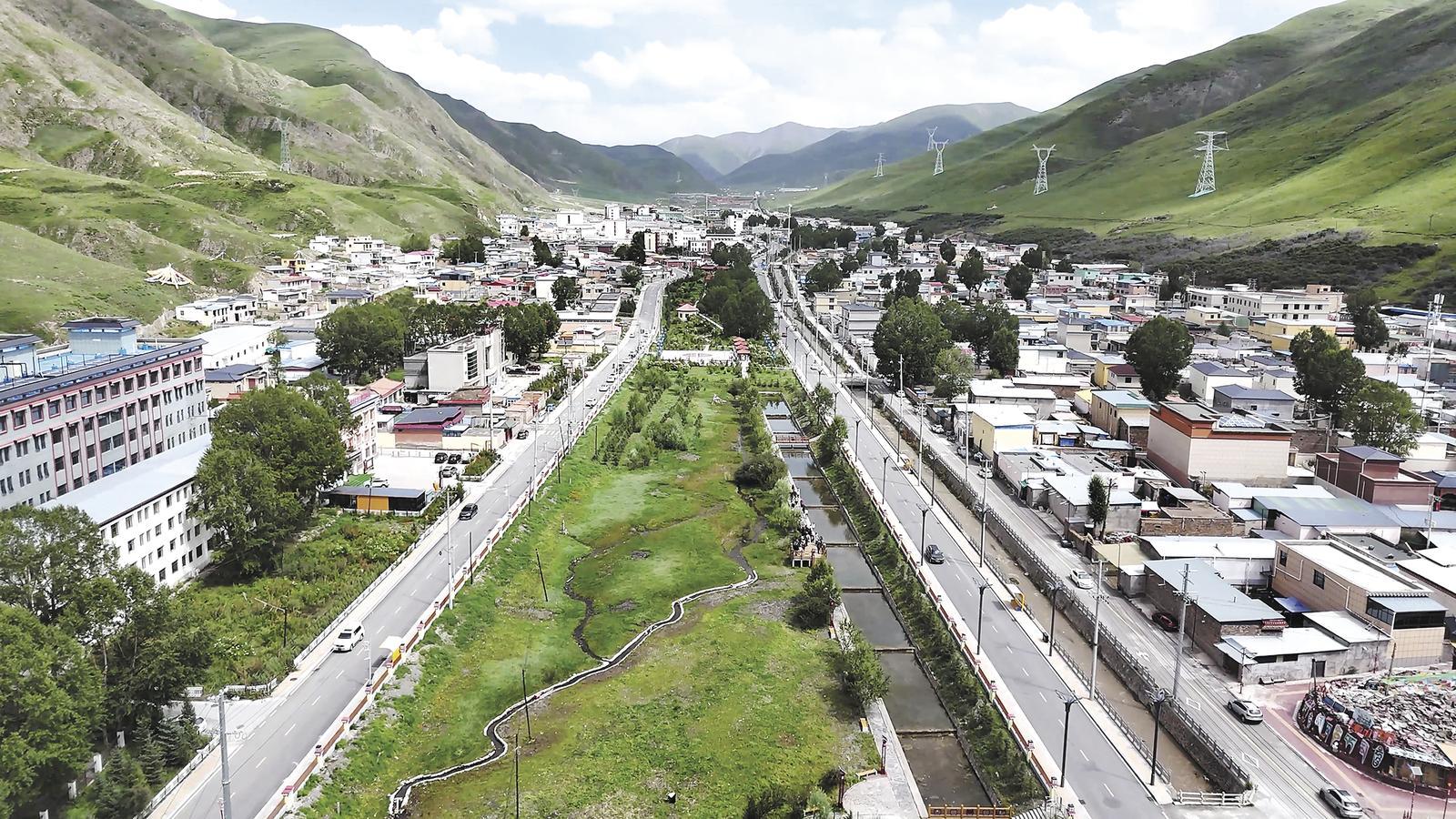
三江源头春潮涌 秘境囊谦气象新
Xin Lang Cai Jing· 2026-01-25 20:19
Core Viewpoint - Nangqian County is experiencing high-quality development, showcasing significant progress in various sectors, including economy, ecology, and social welfare, as evidenced by the positive changes in the community and environment [1][2]. Economic Development - The region's GDP is expected to grow steadily, with retail sales of consumer goods on the rise, reflecting market vitality and consumer confidence [2] - A total of 413 new individual businesses and 130 new registered enterprises have emerged, contributing to job stability with an urban unemployment rate maintained below 3.5% [2] - Agricultural production has reached 132,600 acres, with a stable increase in the planting area of black barley [4] Ecological Protection - The county has implemented 128 million yuan in grassland subsidy funds, resulting in the addition of 2,409 ecological caretakers and the restoration of 32,000 acres of degraded grassland [3] - The ecological protection efforts have led to a significant increase in vegetation coverage and wildlife presence, reflecting a community commitment to environmental stewardship [3] Industry and Tourism - The agricultural sector is being revitalized through innovative practices such as live-streaming sales, generating 21.35 million yuan in direct sales from promotional events [4] - Tourism has flourished, with over 200,000 visitors contributing 131 million yuan in revenue, showcasing the region's unique cultural and natural attractions [4] Social Welfare - The county has prioritized education with a dedicated fund of 105 million yuan, ensuring equitable access to education for all children [6] - Health initiatives have improved, with over 74,000 emergency visits recorded at the county hospital, and significant investments in social security benefiting over 23,000 individuals [6] Infrastructure Development - Key infrastructure projects, including water pollution control and waste management facilities, have been completed, enhancing the quality of life for residents [7] - The county has planned 350 major projects for the upcoming five years, focusing on transportation and public services [7] Community Harmony - A grassroots mediation model has been successfully implemented to resolve community disputes, contributing to social stability and harmony [8] Future Outlook - The county aims to enhance ecological governance, boost the agricultural sector, and improve social welfare, with a focus on sustainable development and community well-being [9]
2400余道新春大餐邀您入川过年
Xin Lang Cai Jing· 2026-01-25 18:15
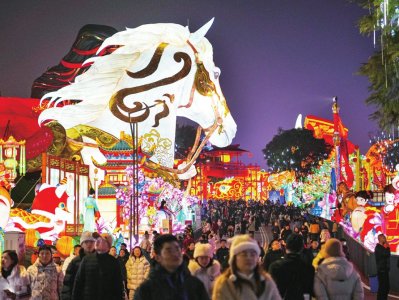
Core Viewpoint - The 32nd Zigong International Dinosaur Lantern Festival and Sichuan Spring Cultural Tourism Promotion event has officially launched, featuring over 2,400 cultural and tourism activities across the province, inviting visitors to experience the vibrant cultural offerings of Sichuan [6][8]. Group 1: Event Highlights - The event features a blend of traditional and modern elements, showcasing performances such as acrobatics and LED displays, with a total of 2,026 drones illuminating the night sky [7]. - The festival includes a global children's creative lantern design competition, with participants from countries like China, the UK, Lebanon, and Thailand, highlighting the international appeal of the event [7]. - The theme of the festival is "Lighting Up China, Building Dreams for the Future," with various large and small lantern displays that integrate Eastern aesthetics with modern technology [10]. Group 2: Activities and Promotions - Over 2,400 cultural and tourism activities will be held during the Spring Festival, including exhibitions of ancient Shu culture, red spirit inheritance, music performances, and traditional rural customs [8]. - The event will offer consumer incentives such as tourism vouchers covering attractions, hotels, dining, and cinema, aimed at enhancing visitor experiences [8]. - Zigong has established a "Happy Ticket Alliance" with nearly 200 local businesses, promoting a food list and organizing over 350 activities to ensure a dynamic experience for visitors [8]. Group 3: Infrastructure and Services - The festival has seen significant upgrades in infrastructure, including the renovation of walking paths, new floating bridges, and additional service facilities within the park [8]. - A new parking lot and improved street lighting have been implemented to enhance the festive atmosphere and visitor convenience [8]. - Enhanced transportation services, including increased shuttle bus frequencies and optimized parking layouts, have been established to ensure a smooth experience for attendees [8].
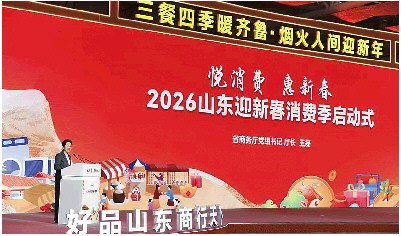
专项投入75亿元点燃消费热潮
Xin Lang Cai Jing· 2026-01-25 18:14
Core Viewpoint - The "2026 Shandong New Year Consumption Season" aims to stimulate consumer spending and boost market confidence through various initiatives and financial support, with a total of over 27 billion yuan allocated for consumption promotion throughout the year [2]. Group 1: Consumption Promotion Initiatives - The event features a theme of "Three Meals, Four Seasons Warm Qi Lu," focusing on creating a vibrant consumption atmosphere during the New Year [2]. - A matrix of ten themed activities, including the "Qilu New Year Goods Shopping Festival" and "Winter Travel Qi Lu," will be organized to enhance consumer engagement [2]. - A total of 327 unique promotional activities will be held across the province, leveraging various consumer venues such as shopping districts and scenic spots [2]. - The government will allocate over 27 billion yuan for initiatives like trade-in programs for consumer goods and subsidies for elderly care services [2]. - During the New Year period, a special investment of 7.5 billion yuan will be made to provide discounts and consumer vouchers in shopping, cultural tourism, and dining sectors [2]. Group 2: Cultural and Sports Activities - The provincial tourism department announced four major themes for cultural and tourism consumption activities, including 834 performances and 29,000 community cultural events to enhance New Year celebrations [3]. - The sports department will promote winter sports with a budget of 10 million yuan for the Ice and Snow Consumption Season and will host over 100 winter sports events [3]. - Nineteen "brand destinations" and ten "premium outdoor sports routes" will be promoted to develop the ice and snow tourism sector [3]. Group 3: Local Government Initiatives - Jinan city will enhance its "Spring Festival Consumption Season" with initiatives to immerse visitors in local culture and traditions [4]. - A budget of 50 million yuan will be allocated for automotive consumption subsidies and programs for upgrading household appliances [4]. - The city will host its first Ice and Snow Consumption Season, featuring high-profile sports events to attract visitors [4]. Group 4: Industry Collaboration - Various national commercial associations have launched initiatives to stimulate consumer spending, emphasizing quality, innovation, and market fairness [5]. - The event showcased five major exhibition areas focusing on service consumption, green product trade-ins, and traditional brands [6]. - The exhibitions included displays of international products and local specialties, promoting a seamless shopping experience for consumers [6].
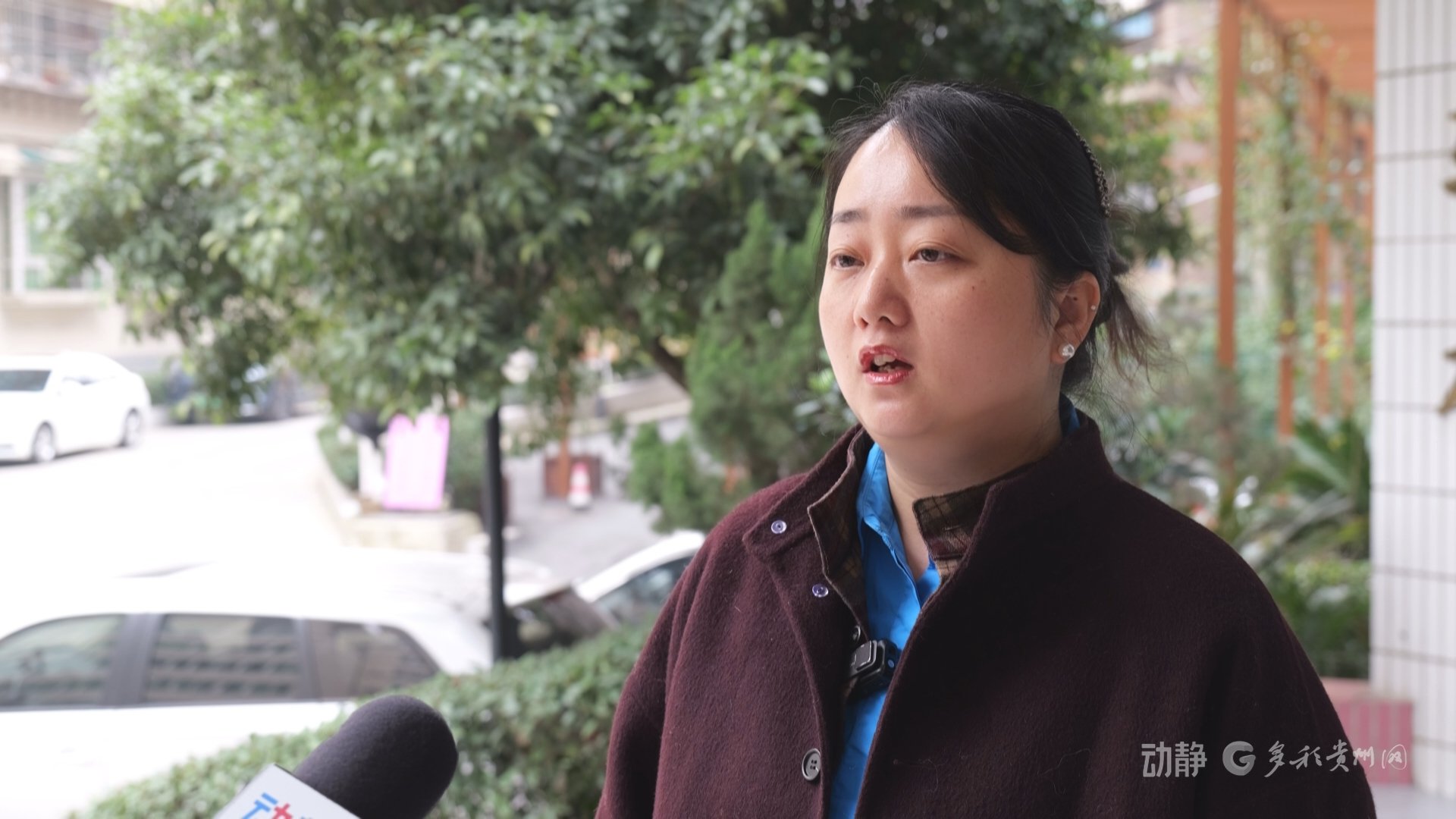
贵州省社会科学院朱薇:贵州文旅正从“资源优势”向“品牌优势”“产业优势”转变
Xin Lang Cai Jing· 2026-01-25 09:01
Core Viewpoint - The article emphasizes the strategic focus on high-quality development in the tourism industry, particularly in Guizhou, under the national plans for the 14th and upcoming 15th Five-Year periods, highlighting the integration of culture and tourism as a key driver for creating world-class tourism destinations [1][4]. Group 1: 14th Five-Year Plan Initiatives - During the 14th Five-Year period, Guizhou implemented four major actions to promote tourism industrialization, focusing on key scenic spots, routes, and products, leading to a significant enhancement in brand influence and reputation of core scenic areas [3]. - Infrastructure development has played a crucial role in supporting tourism industrialization, with projects like the "county-to-county highway" and accelerated high-speed rail access improving visitor accessibility and experience [3]. - Major transportation projects, such as the Huajiang Grand Canyon Bridge, have become new tourist landmarks, showcasing the innovative transformation of "transportation as scenery" and "engineering as resources" [3]. Group 2: 15th Five-Year Plan Goals - The 15th Five-Year Plan aims to build world-class tourism destinations and continue the push for tourism industrialization, presenting both strategic opportunities and a critical window for capability enhancement for Guizhou [4]. - Guizhou plans to amplify the impact of core scenic areas by promoting a model where "one leading scenic area drives one region," transitioning tourism development from "point breakthroughs" to "overall improvements" [4]. - The province will also focus on cultivating "village-branded" cultural tourism clusters, transforming unique ethnic cultural resources into competitive tourism products, while establishing a multi-dimensional and international communication system to promote the "Colorful Guizhou" brand globally [4]. - Overall, Guizhou's tourism industrialization is transitioning from "resource advantages" to "brand advantages" and "industrial advantages," with the construction of world-class tourism destinations expected to enhance its international recognition and influence [4].
六旬老人跟团游时猝死,连续两天凌晨集合!网友:年轻人也吃不消
Xin Lang Cai Jing· 2026-01-25 06:54
Core Viewpoint - The case highlights the multiple risks associated with group travel for elderly individuals, emphasizing the need for travel agencies to ensure safety and for elderly travelers to disclose their health conditions accurately [1][2]. Group 1: Incident Overview - An elderly man, Mr. Jiang, died during a group tour organized by a travel agency, raising concerns about the adequacy of the agency's services and the health precautions taken by elderly travelers [1]. - The travel itinerary included early morning departures and additional unplanned activities, which contributed to the physical strain on Mr. Jiang, who had a history of hypertension [1][2]. Group 2: Legal Proceedings - The travel agency argued that Mr. Jiang's death was due to his pre-existing health condition and that he failed to disclose his medical history, thus denying responsibility [2]. - The court ruled that the travel agency was liable for 350,000 yuan due to its failure to provide adequate safety measures and unreasonable scheduling that exceeded the physical capabilities of elderly travelers [2]. Group 3: Recommendations for Elderly Travelers - Elderly travelers are advised to disclose their health conditions accurately when booking tours and to choose travel packages specifically designed for seniors to avoid strenuous itineraries [3]. - It is crucial for elderly individuals to monitor their health during trips and to communicate any discomfort to guides and family members immediately [3].

一张票根的新旅程
Guang Xi Ri Bao· 2026-01-25 02:58
Core Insights - A new consumption model is rapidly emerging in Guangxi, where consumers can leverage event tickets to gain discounts and benefits across various sectors, including tourism, dining, and transportation [1][2][3] Group 1: Ticket Economy - The ticket economy in Guangxi transforms event tickets into valuable assets that unlock discounts for attractions, dining, and accommodation, effectively extending consumer engagement and promoting tourism [2][3] - In 2025, Guangxi hosted 69 large-scale performances, attracting 1.8 million attendees and generating ticket revenue of 1.025 billion yuan, with related consumption reaching 7.175 billion yuan [3] Group 2: Event-Driven Consumption - The integration of events and tourism has led to customized packages that enhance visitor experiences, such as discounts on attractions and accommodations for ticket holders [2][4] - The 2025 Jay Chou concert in Nanning attracted 132,000 attendees, directly contributing over 1 billion yuan to the local economy [2][3] Group 3: Sports Events and Economic Impact - The ticket economy model is also applied to sports events, with initiatives like the 2025 Guangxi Road Cycling World Tour, which offered discounts to participants and spectators, significantly boosting local consumption [4] - The economic benefits from sports events include direct revenue of 1.112 billion yuan and indirect benefits of 1.942 billion yuan, with average spending per visitor reaching 3,208.97 yuan [4] Group 4: Transportation and Tourism Synergy - The opening of new transportation routes, such as the Nanning-Pingxiang high-speed rail, has stimulated tourism by offering discounts to travelers, enhancing the appeal of cross-border and deep-dive tourism experiences [6] - The implementation of a three-day ticket policy at 127 A-level tourist attractions has increased visitor stay duration and boosted accommodation spending by 20% [6] Group 5: Future Prospects - The ticket economy is expected to drive comprehensive consumption growth in Guangxi, transitioning from isolated events to a thriving, interconnected market that supports high-quality economic development [7]
Le tourisme doit être considéré comme une infrastructure économique pour stimuler la croissance et la résilience, déclare le ministre saoudien du tourisme au Forum économique mondial
Prnewswire· 2026-01-24 23:19
DAVOS, Suisse, 24 janvier 2026 /PRNewswire/ -- Lors de la réunion annuelle du Forum économique mondial 2026 Ã Davos, Son Excellence Ahmed Al-Khateeb, ministre du Tourisme du Royaume d'Arabie saoudite, a délivré un message clair aux dirigeants mondiaux : Le tourisme doit être considéré comme une infrastructure économique si l'on veut qu'il stimule la croissance, la résilience et les liens humains dans un monde de plus en plus fragmenté. S'exprimant lors de ses engagements au Forum économique mondial, le mini ...
[回眸“十四五”·高质量发展这五年]喜看黔山焕新彩
Xin Lang Cai Jing· 2026-01-24 22:39
Economic Development - Guizhou focuses on "Four New" and "Four Modernizations" to enhance economic development and industrial upgrading, with industrial contribution to GDP increasing from 17.1% in 2020 to 36.1% by Q3 2025 [1] - The province aims for a 7.0% growth in industrial added value by 2025, with significant exports in electric vehicles, lithium batteries, and solar cells projected to rise by 85.8% in 2024 [1] Agricultural Modernization - Guizhou is developing modern mountain characteristic high-efficiency agriculture, with a total agricultural output value expected to reach 519.64 billion yuan in 2025, a 4.5% increase from the previous year [2] - The province leads the nation in the planting scale of various crops, including chili peppers and medicinal herbs, with 13 national modern agricultural industrial parks established [2] Tourism Development - The tourism sector is projected to see an 8.9% increase in visitor numbers and an 11.1% rise in total tourism expenditure by 2025, with a 46.6% increase in international tourists from January to October 2025 [2] - The opening of the Hongjiang Gorge Bridge on September 28, 2025, is expected to enhance regional tourism and serve as a world-class tourism landmark [2] Quality of Life - Guizhou's GDP is expected to reach 2.356 trillion yuan in 2025, with a per capita GDP surpassing 60,000 yuan, reflecting a 4.9% growth from the previous year [3] - The province aims to create over 600,000 new urban jobs annually, with disposable income for urban and rural residents projected to grow by 3.9% and 5.7% respectively by 2025 [3] Future Outlook - Guizhou plans to continue implementing the "Four New" mission and "Four Modernizations" strategy, aiming for accelerated development and a vibrant practice of Chinese-style modernization [4]