演唱会门票

Search documents
2026消费风向标:精打细算的我们,为何仍愿为一场狂欢买单?
Sou Hu Cai Jing· 2026-02-05 11:34
Group 1 - The core position of consumption as the "mainstay" of China's economy is solidified, with final consumption contributing 52% to economic growth in 2025, indicating that over half of economic growth is supported by consumer spending [3] - The adjustment of the new energy vehicle purchase tax from full exemption to a 5% rate starting January 1, 2026, signals a shift from policy-driven support to market-driven growth, leading to a last-minute buying spree in late 2025 [3][12] - The consumer landscape is evolving, with over 60% of consumers adopting defensive saving behaviors while simultaneously showing a willingness to spend extravagantly on experiences like concerts, indicating a complex consumption pattern [4] Group 2 - Consumers in 2026 exhibit a "liquid personality," easily switching between different consumer identities based on context, with 50.4% identifying as "life accountants" focused on savings [6] - The trend of "rational emotionalism" emerges, where consumers save resources through careful budgeting to allocate for meaningful experiences, with 75.2% consciously managing their psychological accounts [7] - The "in-place awakening" trend highlights a growing preference for local culture and brands, with consumers favoring products that reflect local cultural elements and stories, pushing brands to be more transparent and authentic [8] Group 3 - The integration of AI into daily life has transformed it from a mere tool to a partner in various aspects, with over 80% of consumers using AI frequently across multiple dimensions of life [10] - Investment opportunities in 2026 are seen in traditional sectors like liquor, which may experience a value rebound, and companies with strong cash flow and dividend yields above 4% are worth monitoring [11][12] - Emerging fields such as discount retail, AI-enhanced consumer products, and local cultural experiences present structural growth opportunities for brands, emphasizing the importance of user experience alongside technological advancements [13]

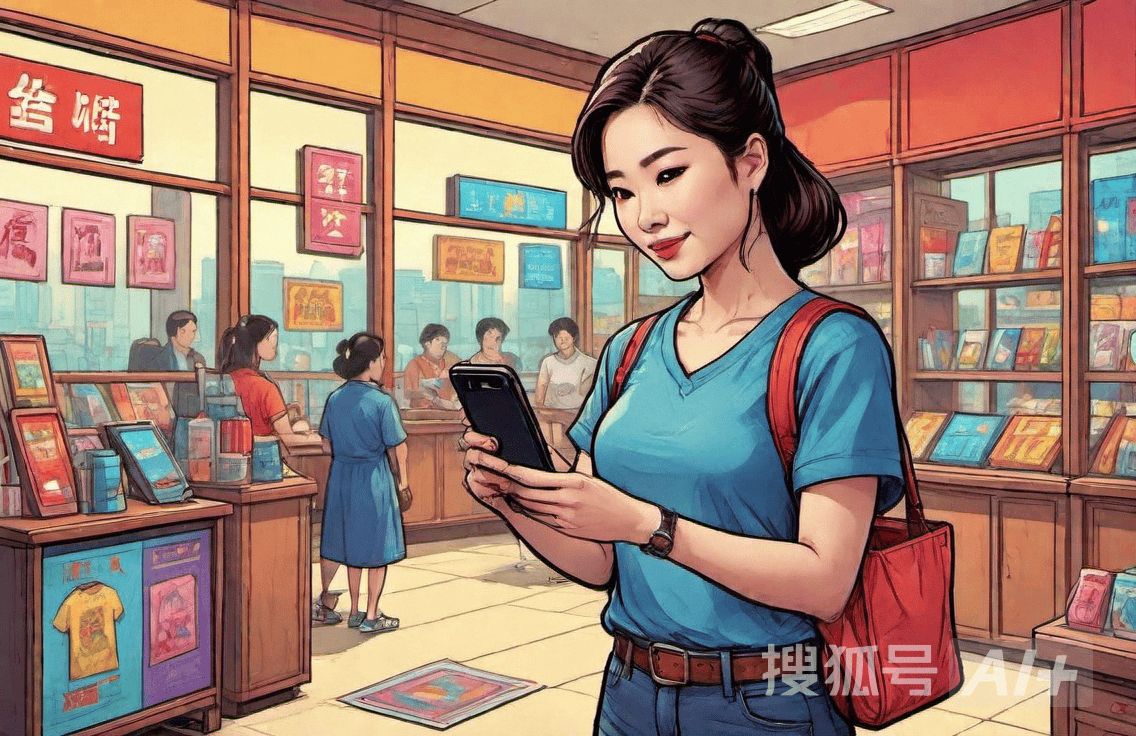
她们在朋友圈“发疯”:高净值女性的“追星”消费升级
Xin Lang Cai Jing· 2026-02-05 06:54
Core Insights - The high-net-worth female social circle in first-tier cities in China is undergoing a significant transformation, moving from a restrained "quiet luxury" to a more vibrant and expressive culture driven by pop concerts and celebrity fandom [1][3][13] Group 1: Consumer Behavior - High-net-worth women are engaging in extravagant spending not just for tickets but for a sense of vitality and youthfulness, reflecting a deep psychological need for self-expression and liberation [3][4] - These women, often decision-makers in their professional lives and caretakers at home, are seeking experiences that allow them to break free from their structured lives, leading to a surge in unconventional consumer behavior [5][6] Group 2: Economic Impact - The spending patterns of these women extend beyond ticket purchases, influencing various sectors such as travel, hospitality, and luxury goods, creating a "super leverage" effect on local economies during concert tours [6][8] - The demand for high-end services, including luxury accommodations and fine dining, is significantly boosted by their concert attendance, marking a shift in tourism dynamics towards high-value experiences [6][8] Group 3: Social Dynamics - Concerts are becoming new social venues, replacing traditional settings like golf courses for networking and relationship building, with shared experiences fostering deeper emotional connections [9][11] - The phenomenon of fandom is also serving as a bridge in family dynamics, particularly for mothers navigating relationships with their teenage children, as shared interests in pop culture help dissolve generational gaps [11][12] Group 4: Market Opportunities - The beauty and fashion industries are capitalizing on this trend, with brands targeting these women through collaborations with popular idols, as purchases are not just about products but also about the psychological affirmation of youth and vitality [8][10] - Companies that can resonate with this demographic's desire for excitement and engagement are positioned to capture significant market share, as these women represent a lucrative consumer base [13]
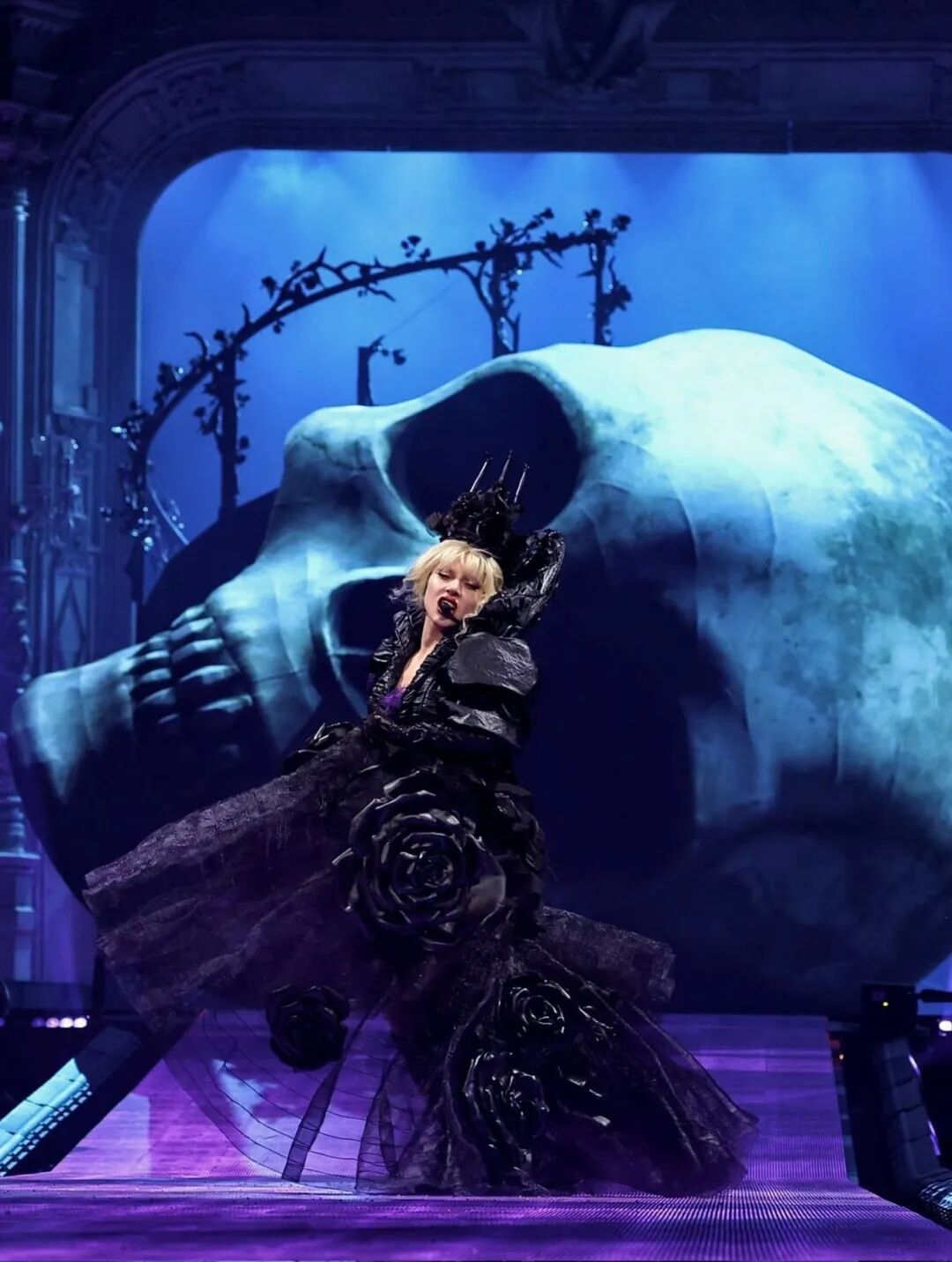
张晓敏:文商旅体展融合适应消费升级三大趋势
Xin Jing Bao· 2026-01-25 22:59
Core Viewpoint - Beijing is transforming into a cultural and commercial city by integrating culture with business, tourism, sports, and exhibitions to create a vibrant consumption landscape [1][2]. Group 1: Integration of Culture and Commerce - The integration of culture, commerce, tourism, sports, and exhibitions is driven by three trends in consumer behavior: a shift from functional consumption to emotional value, a move from single-function to composite-function experiences, and a transition from basic space provision to multi-dimensional empowerment [2][3]. - Beijing's unique advantages include its status as a "Double Olympic City," rich cultural heritage with 8 UNESCO World Heritage Sites, and a wealth of museum resources [3]. Group 2: Growth in Tourism and Events - In 2025, Beijing is expected to receive 390 million tourists, a 4.8% increase year-on-year, with total tourism expenditure reaching 715.91 billion yuan, up 6.5% [4]. - Events like concerts and international competitions are becoming significant drivers of urban consumption, with each concert ticket generating approximately 4.8 times its value in related spending [6]. Group 3: Future Development Plans - Beijing plans to create distinctive cultural and commercial landmarks in the east, west, south, and north of the city, enhancing the consumer experience through well-designed spaces and diverse activities [7][8]. - New initiatives will focus on leveraging top-tier sports events, enhancing night economy, and utilizing technology to connect online traffic with offline experiences, creating seamless consumer interactions [8].
一张票根的新旅程
Guang Xi Ri Bao· 2026-01-25 02:58
Core Insights - A new consumption model is rapidly emerging in Guangxi, where consumers can leverage event tickets to gain discounts and benefits across various sectors, including tourism, dining, and transportation [1][2][3] Group 1: Ticket Economy - The ticket economy in Guangxi transforms event tickets into valuable assets that unlock discounts for attractions, dining, and accommodation, effectively extending consumer engagement and promoting tourism [2][3] - In 2025, Guangxi hosted 69 large-scale performances, attracting 1.8 million attendees and generating ticket revenue of 1.025 billion yuan, with related consumption reaching 7.175 billion yuan [3] Group 2: Event-Driven Consumption - The integration of events and tourism has led to customized packages that enhance visitor experiences, such as discounts on attractions and accommodations for ticket holders [2][4] - The 2025 Jay Chou concert in Nanning attracted 132,000 attendees, directly contributing over 1 billion yuan to the local economy [2][3] Group 3: Sports Events and Economic Impact - The ticket economy model is also applied to sports events, with initiatives like the 2025 Guangxi Road Cycling World Tour, which offered discounts to participants and spectators, significantly boosting local consumption [4] - The economic benefits from sports events include direct revenue of 1.112 billion yuan and indirect benefits of 1.942 billion yuan, with average spending per visitor reaching 3,208.97 yuan [4] Group 4: Transportation and Tourism Synergy - The opening of new transportation routes, such as the Nanning-Pingxiang high-speed rail, has stimulated tourism by offering discounts to travelers, enhancing the appeal of cross-border and deep-dive tourism experiences [6] - The implementation of a three-day ticket policy at 127 A-level tourist attractions has increased visitor stay duration and boosted accommodation spending by 20% [6] Group 5: Future Prospects - The ticket economy is expected to drive comprehensive consumption growth in Guangxi, transitioning from isolated events to a thriving, interconnected market that supports high-quality economic development [7]
游客持票根可享多家景区首道门票5折优惠
Xin Lang Cai Jing· 2026-01-22 23:17
Group 1 - The concert "Love City · Starry Night" will take place on January 24 at the Guangxi Sports Center, featuring renowned Chinese singers Li Jian, Zhang Xinzhe, Cai Jianya, and Huang Pinyuan, marking their first collaboration on stage [1] - To attract visitors, Nanning's cultural tourism department is offering a 50% discount on the first entry tickets to several scenic spots for concert ticket holders, promoting a dual experience of attending the concert and exploring the city [1] - The concert aims to enhance the festive atmosphere in Nanning ahead of the upcoming Spring Festival, providing a warm musical experience for both locals and tourists [1] Group 2 - Nanning is actively updating its concert schedule for 2026, with artists like Chen Jiahua, Jolin Tsai, and Li Ronghao set to perform, indicating a growing trend of high-profile events in the city [2] - The city is committed to creating memorable experiences for visitors, ensuring that the essence of the concerts lingers in the memories of attendees [2]
场景构建叠加社群崛起 次元经济重塑零售逻辑
Bei Jing Shang Bao· 2026-01-20 06:19
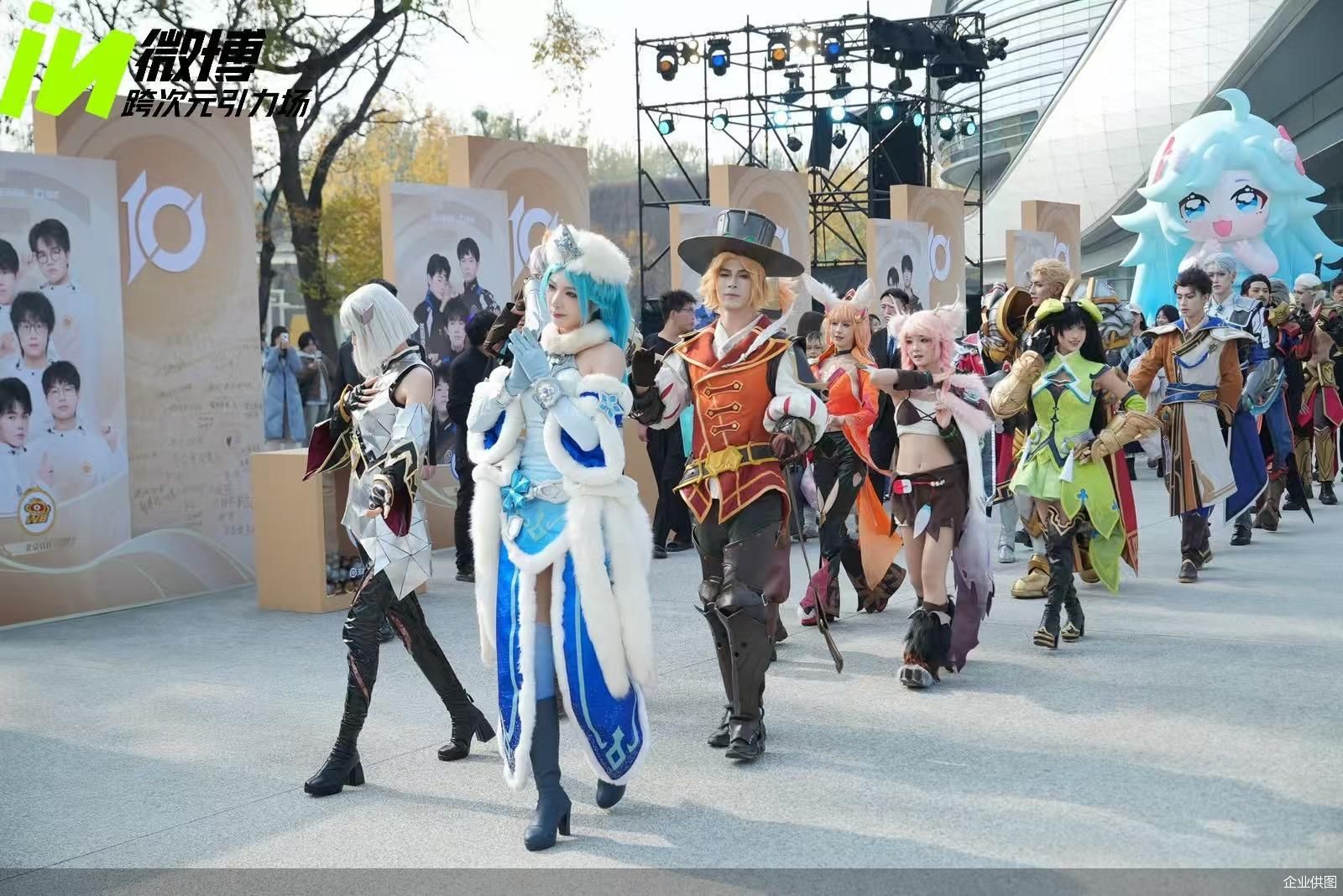
Core Insights - Emotional consumption is driving a transformation in the fashion market in Beijing, shifting user engagement from "traffic acquisition" to "emotional maintenance" [1] - The rise of emotional economy is evident in various retail and experiential formats, such as trendy toys, anime, and music festivals, which have become important outlets for young people to express themselves [1] Group 1: Emotional Consumption and Market Trends - The emotional demand is establishing new business models, with trendy toys becoming a new growth point in the consumer sector, as highlighted in Beijing's action plan to promote the "Guzi economy" [2] - The transformation of traditional shopping districts, such as Wangfujing, into themed spaces for anime and trendy toys has led to significant revenue increases, with projected earnings doubling post-renovation [2] - The "Guzi economy" is expected to see a 105% year-on-year increase in transaction volume in 2024, with young consumers, particularly those born after 2005, driving this growth [3] Group 2: Event-Driven Consumption - Concerts and events are becoming significant drivers of economic activity, with over 180 concerts planned in Beijing for 2025, achieving an 80% sell-out rate [6] - The integration of concerts with commercial spaces is creating a new model of cultural and commercial synergy, enhancing the overall consumer experience [7] - Events like the "eye-opening" Beijing trendy esports festival have led to substantial increases in sales and foot traffic, demonstrating the effectiveness of experiential marketing [5] Group 3: Challenges in the Market - Despite the growth, the market faces challenges such as homogenization and copyright issues, which are hindering high-quality development [8] - The rapid increase in "Guzi economy" related enterprises has led to a saturation of similar products, with consumers reporting a lack of uniqueness in offerings [8] - Copyright infringement remains a significant issue, with a notable increase in consumer complaints related to unauthorized products, highlighting the need for better IP protection [9]
潮尚重构消费|场景构建叠加社群崛起 次元经济重塑零售逻辑
Bei Jing Shang Bao· 2026-01-20 06:08
Core Insights - Emotional consumption is driving a transformation in the fashion market in Beijing, shifting user engagement from "traffic acquisition" to "emotional maintenance" [1] - The rise of emotional economy is evident in various retail and experiential formats, such as trendy toys, anime, and music festivals, which have become important outlets for young people to express themselves [1] Group 1: Emotional Consumption and Market Trends - The value of trendy toys is recognized not only by consumers but also by commercial real estate developers, marking a new growth area in the market [3] - The "Guzi economy" is highlighted as a new growth point in consumption, with government initiatives supporting the development of quality anime products and trendy toy hubs [3] - The Wangfujing shopping district has transformed its B2 level into a 10,000 square meter anime-themed space, resulting in a doubling of revenue in 2024 compared to the same period before renovation, with anime-related revenue nearing 100 million [3] Group 2: Consumer Behavior and Demographics - The 2025 "Guzi" trend report indicates a 105% year-on-year increase in Guzi consumption, with the first quarter of 2025 seeing domestic Guzi transaction volumes 1.2 times that of imported Guzi [4] - The "post-05" generation is the fastest-growing demographic in this market, with female consumers making up 78% and averaging 2.9 purchases per month, spending over 100 yuan per transaction [4] Group 3: Event-Driven Consumption - The concert market in Beijing is booming, with over 180 concerts in 2025 and an 80% sell-out rate, significantly boosting related sectors like transportation and dining [8] - Events like the Mayday concert have drawn hundreds of thousands of attendees, creating a ripple effect on local businesses and services [8] Group 4: Market Challenges - Despite the growth, the industry faces challenges such as homogenization and copyright issues, which are hindering high-quality development [10][11] - The rapid increase in "Guzi economy" related enterprises has led to a saturation of similar products, with consumers noting a lack of uniqueness in offerings [10] - Copyright infringement remains a significant issue, with a 46% increase in complaints related to IP products, highlighting the need for better protection and development of original IP [11]
潮尚聚变,2025年度北京商业论坛解码消费新赛道
Bei Jing Shang Bao· 2026-01-13 12:36
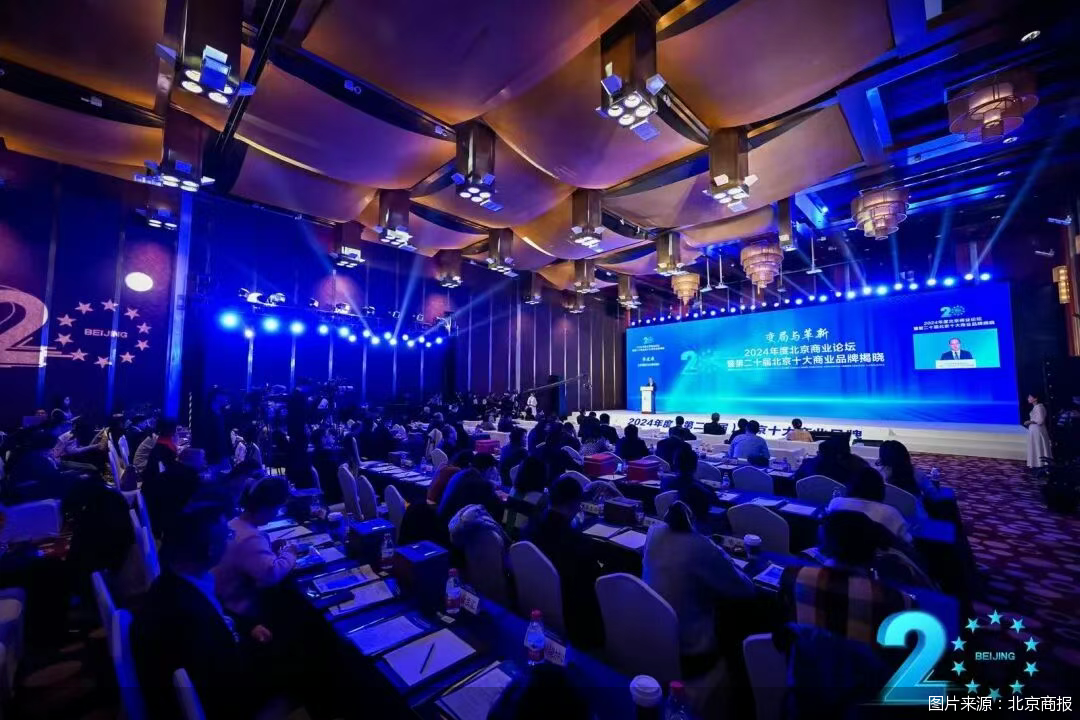
Core Insights - The emerging force centered around fashion consumption is profoundly shaping the commercial competitiveness of cities and unlocking infinite possibilities for future development [1] Group 1: Event Overview - The 2025 Beijing Commercial Forum, guided by the Beijing Municipal Bureau of Commerce and co-hosted by the Beijing Commercial Association and Beijing Business News, will be held on January 16 at the Beijing International Hotel [1] - The theme of this year's forum is "Trendy Transformation: New Demand and New Supply," focusing on emerging consumption and envisioning the future of Beijing's commerce [1] Group 2: Market Trends - Beijing's commercial landscape is entering a new transformation phase driven by innovation and experience, with trends like fashion consumption and emotional consumption showcasing strong market potential and a siphoning effect [3] - The "14th Five-Year Plan" suggests that new demand should lead to new supply, and the dynamic interaction between "new demand and new supply" is a core dimension shaping the future commercial landscape [3] Group 3: Consumption Evolution - The report titled "2025 Beijing Commercial Development Blue Book" will be released at the forum, presenting new logic, scenarios, and dynamics of Beijing's commercial consumption under the theme "Trendy Reconstruction of Consumption" [4] - The report highlights the shift in Beijing's consumption from "functional satisfaction" to "experience upgrade," focusing on emotional value, scenario innovation, and cultural crossover [4] Group 4: New Consumption Models - Emerging consumption has led to diverse business models, transforming the commercial core from "transaction venues" to "fusion spaces," with traditional supermarkets incorporating AI and community discount stores reshaping community commerce [3][4] - The report identifies that "trendy consumption" is constructing a new consumption ecosystem that combines international flair with local vibrancy, emphasizing that true quality consumption is characterized by fashion and trend attributes [4] Group 5: Forum Agenda and Collaboration - The forum's agenda will focus on new consumption sectors such as fashion consumption, pet economy, and trendy toys, addressing cutting-edge industry trends [5] - A strategic cooperation agreement will be signed between the "Top Ten Commercial Brand Activities" committee and Ningbo Bank's Beijing branch to explore how financial services can better meet the needs of consumption-related financial services [5]
轻信代抢演唱会门票,一女子被骗近20万元
Xin Lang Cai Jing· 2026-01-11 14:10
Group 1 - The article highlights the increasing risk of scams as the year-end approaches, particularly in the context of travel and entertainment purchases [1] - Scammers are using tactics such as impersonating customer service representatives to trick victims into transferring money under false pretenses, as demonstrated by a case where a victim lost 198,000 yuan [3] - There is a warning about scams related to "special tickets" and "refunds," where fraudsters may pose as airline staff to manipulate victims into making unnecessary transactions [4] Group 2 - The article discusses the prevalence of fake transactions in online gaming, where scammers lure victims into private trades or fraudulent lottery activities, often leading to additional fees being demanded [4] - It emphasizes the importance of vigilance before making any transfers, advising individuals to verify the legitimacy of the person and the transaction [5]

年轻人,为快乐消费,为情绪买单,向热爱出发
Sou Hu Cai Jing· 2026-01-06 23:24
Group 1 - The core viewpoint of the article highlights the emerging trend of "emotional consumption" among contemporary youth, where spending is increasingly driven by emotional needs and personal fulfillment [3][4] - A significant 90% of surveyed youth reported having spent money for emotional value, with nearly 40% identified as frequent consumers [3] - The peak times for emotional consumption are late-night hours (22:00 onwards) and during work breaks, indicating a shift towards immediate gratification in spending [3] Group 2 - The report indicates a notable increase in the willingness of youth to engage in "happy consumption," with 56.3% actively choosing to spend for emotional value in 2025, a rise of 16.2 percentage points from 2024 [4] - Travel-related spending remains the most popular category at 36.9%, but digital services, gaming, and cultural entertainment are rapidly gaining traction, reflecting a diversification of spiritual needs [4][6] - Youth travel habits have evolved to favor "instant, high-frequency, and off-peak" travel, with high-speed rail becoming the preferred mode of transport for spontaneous weekend getaways [6][8] Group 3 - Social media plays a crucial role in youth identity formation and connection, with many young people actively creating and sharing content to express themselves [10][12] - Over 30% of the "90/95 generation" frequently experience feelings of loneliness, leading to a rise in "scene-based companionship" and self-soothing practices [11][12] - Interest-driven socializing is becoming a prominent trend, with young people gathering around shared passions, such as fitness and hobbies, and utilizing platforms to document and share their experiences [12] Group 4 - The concept of daily life has been redefined, with young people infusing rituals into their meals and creating a sense of home in rented spaces, reflecting a desire for stability amidst mobility [13][15] - The trend of renting is shifting from a temporary solution to a deliberate lifestyle choice, with nearly 50% of the population in major cities like Beijing and Shanghai being renters [15] - Cycling has emerged as a popular mode of transport, enhancing the flexibility and enjoyment of daily commutes, supported by the introduction of urban cycling paths [16]