
铁路运输

Search documents
“长途有票、短途无票”?国铁详解长途列车售票策略
Xin Lang Cai Jing· 2026-02-14 13:33
Core Viewpoint - The railway department has introduced a ticketing strategy for long-distance trains to address the issue of "tickets available for long distances but not for short distances," advising short-distance travelers to avoid purchasing long-distance segment tickets and to utilize the ticket waiting list effectively [1][2][3]. Ticketing Strategy - The railway department adheres to the principle of "reasonable division of long and short-distance trains, considering both starting and intermediate stations" to organize train operations, primarily focusing on meeting the needs of long-distance travelers [2][4]. - The ticketing strategy for long-distance trains is based on "long-distance priority, with consideration for medium and short distances," allocating most tickets to starting or nearby stations to prioritize long-distance travelers while also ensuring a fair distribution for medium and short-distance travelers [2][4]. Ticket Sales Process - The ticket sales process for long-distance trains involves three main stages: 1. **Pre-allocation of Tickets**: 20% of tickets are allocated to nearby starting stations based on historical passenger flow data before ticket sales begin, with the remaining tickets allocated to high-demand long-distance segments [2][4]. 2. **Dynamic Adjustment**: One day after ticket sales start, if there are remaining tickets, the railway department will adjust ticket allocations based on remaining ticket numbers and waiting list requests, prioritizing those who have submitted waiting list orders [2][4]. 3. **Open Sales**: Tickets that remain before the train departs will be made available without restrictions on segments, again prioritizing those on the waiting list [2][4]. Waiting List and Ticket Availability - During the dynamic adjustment and open sales phases, the system will prioritize fulfilling waiting list requests based on the "first come, first served" principle, and additional trains may be added if there is high demand [3][5]. - Since the beginning of the Spring Festival travel season, 12.8 million tickets have been fulfilled through the waiting list, with a success rate exceeding 70%, of which 51% were short-distance tickets [5].
建议短途旅客不要“买长乘短”,铁路部门详解长途列车售票“三阶段”策略
Xin Lang Cai Jing· 2026-02-14 13:29
Core Viewpoint - The railway department emphasizes a ticketing strategy prioritizing long-distance travelers while accommodating short-distance needs, advising short-distance travelers to avoid purchasing long-distance tickets unless necessary [1][2][7]. Ticketing Strategy - The ticket sales for long-distance trains occur in three phases: pre-allocation, dynamic adjustment, and open sale [3][4][5]. - In the pre-allocation phase, approximately 20% to 23.9% of tickets are reserved for nearby stations to meet medium and long-distance travel demands [4][5][6]. - The dynamic adjustment phase allows for the redistribution of remaining tickets based on demand and historical data, with a focus on fulfilling existing waitlist orders [3][8]. - The open sale phase occurs one day before or on the day of departure, where remaining tickets are made available without restrictions, again prioritizing waitlist orders [3][6]. Recommendations for Travelers - The railway department advises short-distance travelers to opt for short-distance trains and utilize the waitlist feature for long-distance tickets when necessary, maximizing the use of up to 60 "date + train number" combinations to increase chances of success [1][9]. - Travelers are cautioned against the practice of "buying long for short," as it can lead to inflated demand data and inefficient use of resources [7][9]. Demand and Supply Dynamics - During peak travel periods, such as the Spring Festival, the railway department has noted a significant imbalance between ticket supply and demand, particularly for popular routes [8]. - The department has successfully fulfilled 12.8 million tickets through the waitlist system, achieving a success rate of over 70%, with 51% of these being short-distance tickets [8].
长途有票,短途无票?12306揭秘,这样候补购票成功率高
Xin Lang Cai Jing· 2026-02-14 13:28
据介绍,长途列车的车票发售主要经历3个阶段。一是票额预分,即在车票起售前,铁路12306依托历史 客流数据,先将20%左右的票额分配给邻近始发站的车站,满足该站到达邻近终点站(含终点站)车站 的中长途旅客出行需求,其余票额根据12306大数据分析,自动分配给客流需求较大的长途区段,上述 车票发售后又将裂解出若干短途车票。 二是动态调整,即该趟列车起售1天后,如列车仍有余票,铁路12306将根据余票数量和候补购票情况, 结合历史客流数据形成票额分配调整方案,每日将剩余的部分长途票额投放给候补需求比较多的区段使 用,这些车票发售后将继续裂解若干短途车票,以上票额按照同一区间"先到先得"原则优先满足已提交 候补购票需求的旅客。 三是敞开发售,即根据列车开车时刻,在开车前1天或当天,铁路12306将剩余长途票额不限定区间敞开 发售,票额按照同一区间"先到先得"原则优先满足已提交候补购票需求的旅客。 一些网友反映,在购买火车票时,常常会遇到"长途有票、短途无票"的问题。铁路12306技术中心相关 负责人表示,铁路售票策略为"长途优先、兼顾中短途",长途列车车票发售有3个阶段。今年春运,候 补购票成功率超七成,建议旅客别 ...
(新春走基层)藏在屏幕背后的“回家路”
Zhong Guo Xin Wen Wang· 2026-02-14 12:27
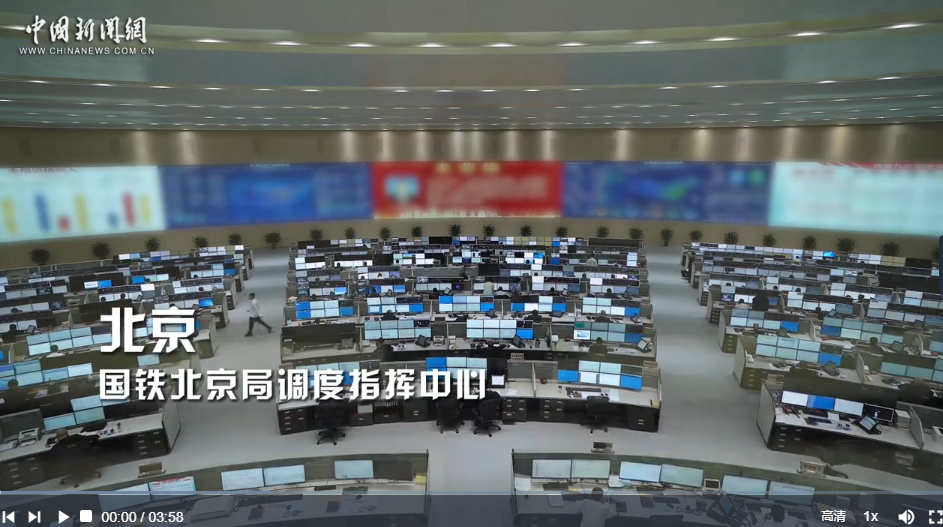
屏幕背后的他们,守着千万人的回家路!北京局调度所的调度员们,平均每个工作台16块屏幕,连接起上千公里的铁路线。吃饭不离 岗、春节守台前,忙碌的调度台前,每一次精准指挥,每一句清晰回应,都让归途有温暖相伴,团圆有安全护航。 ...

铁路部门回应“长途有票、短途无票”问题
Xin Lang Cai Jing· 2026-02-14 12:24
Core Viewpoint - The railway ticketing strategy prioritizes long-distance travel while accommodating short-distance needs, leading to discrepancies in ticket availability for different travel segments [1][3]. Group 1: Ticketing Strategy - The "long-distance priority" strategy allocates most tickets to starting stations or nearby stations to meet the needs of long-distance travelers [3]. - The "accommodating short-distance" approach involves pre-allocation and dynamic adjustment of ticket quotas to ensure availability for short-distance travelers [3]. - The ticket sales process consists of three stages: pre-allocation, dynamic adjustment, and open sales [3]. Group 2: Ticket Sales Example - For the G246 train from Guangzhou South to Shanghai Hongqiao, 21% of the total 1238 seats (260 tickets) were allocated to nearby stations during the pre-allocation phase [3]. - From January 31 to February 11, 395 long-distance tickets were released in batches, resulting in 272 successful orders and 408 tickets issued [3]. - As of February 12, 172 tickets were sold in the open sales phase, with 55 orders fulfilled and 81 tickets issued [3]. Group 3: Ticket Purchase Recommendations - The railway department advises short-distance travelers against purchasing long-distance tickets if not necessary and encourages submitting orders for ticket reservations when "no tickets" are displayed [4]. - A total of 12.8 million tickets have been successfully issued through the reservation system since the start of the Spring Festival travel season, with a success rate exceeding 70%, of which 51% were short-distance tickets [4]. - The department will prioritize fulfilling ticket orders based on the order of submission and the "first come, first served" principle when new tickets become available [4].

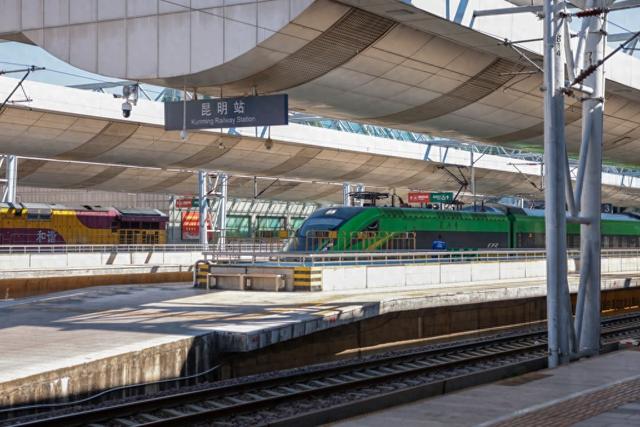
春节假期来临,云南铁路日均开行旅客列车超470列
Xin Lang Cai Jing· 2026-02-14 12:24
Core Viewpoint - The China Railway Kunming Bureau Group Co., Ltd. plans to operate over 470 passenger trains daily during the 2026 Spring Festival holiday, including 54 additional temporary trains and 18 night trains to meet travel demand [1][3]. Group 1: Train Operations - During the peak travel period from February 22 to 24, the bureau will increase train services to key interprovincial destinations such as Beijing, Shanghai, Guangzhou, Shenzhen, Chengdu, and Chongqing, as well as important local destinations like Lijiang, Dali, Baoshan, Xishuangbanna, Honghe, and Lincang [3]. - The bureau will implement dynamic optimization of train schedules based on passenger travel patterns to ensure adequate capacity [3]. Group 2: Passenger Experience Enhancements - The bureau has introduced several service initiatives to improve passenger experience, including green channels at 15 major passenger stations for priority access for urgent travelers and vulnerable groups [5]. - Free charging facilities have been installed at over 40 passenger stations to meet emergency charging needs of travelers [5]. Group 3: Focus on Key Demographics - The bureau is prioritizing ticket sales and services for key groups such as students and migrant workers, including special trains from Kunming to Hangzhou and Ningbo, and group ticket services for migrant workers [7].
40米高空,零下15℃ 他们在“极限工位”上坚守
Xin Lang Cai Jing· 2026-02-14 12:23
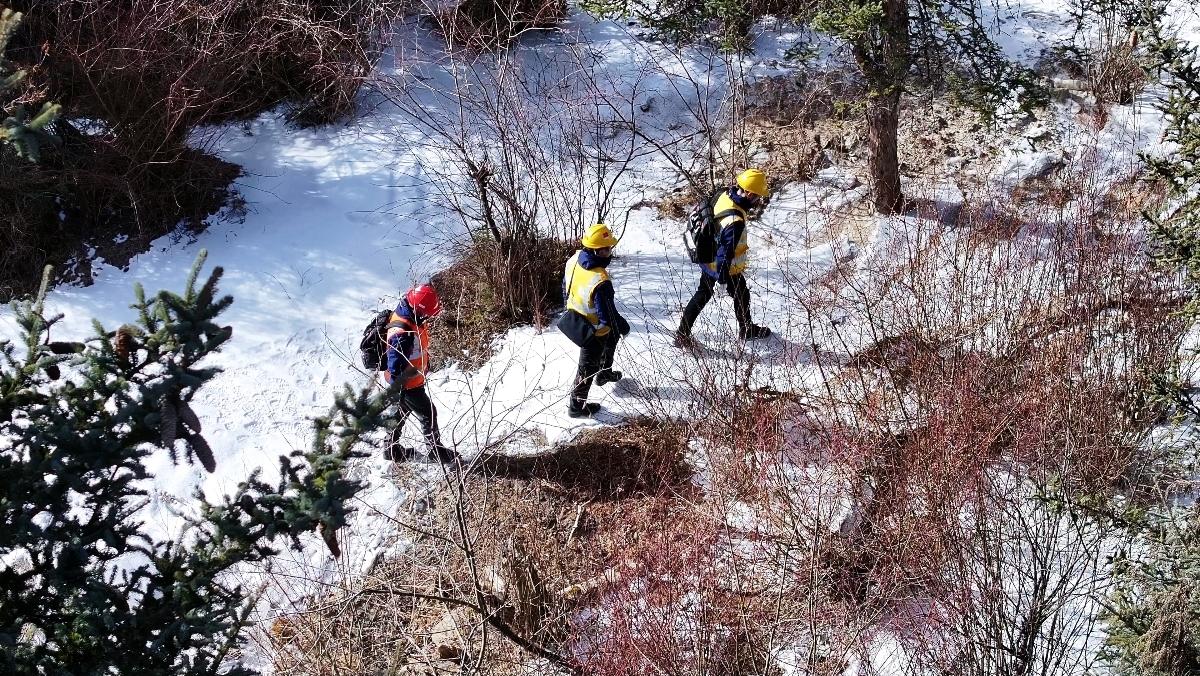
01:43 新华社成都2月14日电(记者王曦)零下15摄氏度,海拔3000米,40米高空——这是川青铁路春运通信保障的最前线。当川西北高原冬季的"冰雪游"热潮遇 上春运高峰,一群"90后"通信工在这样的"极限工位"上,守护着列车飞驰的"空中信号"。 通信设备关乎列车安全。27个通信机房、13座通信铁塔承载着铁路数字移动通信系统、列车无线调度通信等重要设施,如同高原铁路的"神经中枢",维系着 列车与调度中心的实时联动。 国铁成都局成都电务段松潘通信工区的职工前往检修点。新华社发(张能 摄)通往偏远的K298基站,只有一条狭窄结冰的土路。车辆无法通行时,检修人 员只能踏冰徒步,裤脚冻硬已成常态。工长宛小冬说,这里的信号网直接关系到列车调度指令的精准传输,更关乎万千旅客的平安。 "第一次爬40米铁塔,爬到一半就明显感觉到塔在风里晃动,越往上,晃动越明显。缺氧、寒冷、恐高……但我们必须上,因为信号一刻也不能断。"回忆起 第一次上塔,宛小冬还心有余悸。 在40米高空,风速更大,温度更低。检修作业时,寒风瞬间穿透棉衣,手指很快冻得僵硬,连握住扳手都需竭尽全力。 在川青铁路松潘段,宛小冬在铁路通信塔顶进行测试检修。新华社发 ...
藏在屏幕背后的“回家路”
Xin Lang Cai Jing· 2026-02-14 12:22
屏幕背后的他们,守着千万人的回家路!北京局调度所的调度员们,平均每个工作台16块屏幕,连接起 上千公里的铁路线。吃饭不离岗、春节守台前,忙碌的调度台前,每一次精准指挥,每一句清晰回应, 都让归途有温暖相伴,团圆有安全护航。 (来源:千龙网) ...
中国铁路快慢间
Ren Min Ri Bao· 2026-02-14 11:41
Core Insights - The article highlights the dual nature of China's railway system, showcasing both high-speed trains and slower trains, emphasizing their complementary roles in enhancing connectivity and supporting various aspects of life and industry in China [1][9]. Group 1: High-Speed Rail Impact - High-speed trains, such as the G371, significantly reduce travel time, allowing for efficient commuting and fostering innovation by enabling quick access to resources and meetings across cities [1][3]. - The integration of high-speed rail has led to the clustering of industries, as exemplified by companies like Xianle Health Technology, which benefit from the proximity of research and manufacturing facilities [5][6]. Group 2: Slow Train Significance - The slower trains, like the 4245 "slow train," play a crucial role in connecting remote areas, providing essential services to rural communities, and enhancing the quality of life for residents [7][8]. - These trains not only serve transportation needs but also facilitate social interactions and cultural activities, such as community gatherings and film screenings, thereby enriching local life [7][8]. Group 3: Overall Railway Network - The combination of high-speed and slow trains illustrates a balanced approach to transportation, catering to diverse needs and preferences across the population [9][10]. - The extensive railway network, comprising 165,000 kilometers of railways and 50,000 kilometers of high-speed rail, supports the daily lives of over 1.4 billion people, contributing to the overall economic growth of the country [12].
(粤港澳大湾区)春运以来广深港高铁跨境客流已破110万人次
Xin Lang Cai Jing· 2026-02-14 11:25
Core Viewpoint - The statistics released by Shenzhen Railway Department indicate a significant increase in cross-border passenger traffic via the Guangzhou-Shenzhen-Hong Kong Express Rail Link during the Spring Festival travel season, highlighting the growing connectivity and demand for cross-border travel in the Greater Bay Area [1] Group 1: Passenger Traffic Statistics - From February 2 to February 13, the Guangzhou-Shenzhen-Hong Kong Express Rail Link transported a total of 1.172 million cross-border passengers, representing a year-on-year increase of 13.4% [1] - Among the passengers, 596,000 traveled from Hong Kong to the mainland, while 576,000 traveled from the mainland to Hong Kong [1] Group 2: Operational Enhancements - Since January 26, the national railway has implemented a new train operation schedule, significantly increasing the capacity of the Guangzhou-Shenzhen-Hong Kong Express Rail Link, with an average of 212 train services running daily from February 2 to February 13 [1] - The high-speed rail service is characterized by high-frequency interactions, balanced two-way traffic, and sustained high operational levels during the pre-festival travel period [1] Group 3: Connectivity and Commuter Benefits - The travel time from Hong Kong West Kowloon Station to Futian Station is now only 14 minutes, encouraging more residents from Hong Kong to settle in Shenzhen and surrounding cities [1] - The punctuality of the high-speed rail service allows cross-border commuters to plan their journeys accurately, and the flexible ticket change service provides additional travel assurance [1] Group 4: Expansion of Service Reach - Since its opening in September 2018, the Guangzhou-Shenzhen-Hong Kong Express Rail Link has closely connected cities in the Greater Bay Area, expanding the number of direct destinations from over 40 to 110 across the country [1]