
Cosmetics

Search documents
Beauty And The Bear: Michael Burry, Estee Lauder Snub China
Benzinga· 2025-07-03 12:30
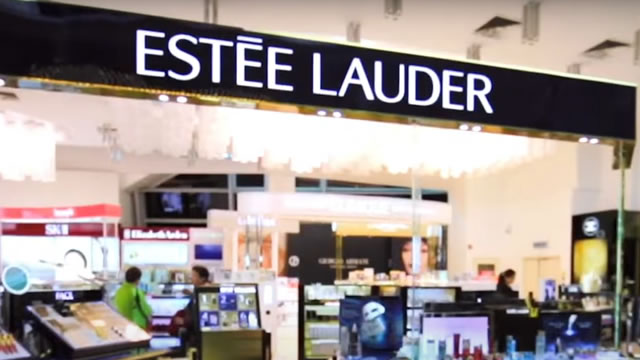
Group 1: Michael Burry's Investment Moves - Michael Burry's hedge fund, Scion Asset Management, doubled its stake in Estee Lauder, acquiring an additional 100,000 shares, bringing total holdings to 200,000 shares [2] - Burry closed all long positions in Chinese tech companies and opened short positions in stocks like Alibaba and JD.com, indicating concerns about China's economic growth and U.S.-China tensions [3] Group 2: Estee Lauder's Challenges in China - Estee Lauder reported weaker-than-expected sales in China due to sluggish consumer demand, increased competition from local brands, and a shift towards domestic products [4] - The company is facing trade tensions and high tariffs, prompting efforts to streamline operations and reduce exposure to the Chinese market [4] Group 3: Strategic Adjustments and Market Outlook - Younger Chinese consumers are increasingly favoring homegrown brands, leading Estee Lauder to accelerate product launches and invest in new markets like India [5] - Deutsche Bank upgraded Estee Lauder shares to a Buy, raising the price target from $71 to $95, citing the company's efforts to diversify beyond China [5] - Estee Lauder's diversification, cost-cutting, and focus on new markets may position the company to weather downturns and benefit from a potential recovery in Chinese consumer demand [6] Group 4: Market Performance - Estee Lauder shares have gained over 25% in the past month, reflecting positive market sentiment [7]




莎莎国际关闭内地所有门店,湖南欧标人去楼空
Ge Long Hui· 2025-07-02 17:21
Group 1: Company Developments - Hunan Oubiao has been restricted from high consumption activities due to a contract dispute with Changsha Jincang Trading Co., Ltd, marking the eighth restriction this year [2] - Beijing Plant Doctor Cosmetics Co., Ltd has received approval for its IPO on the Shenzhen Stock Exchange, aiming to raise approximately 998 million yuan [3][4] - Sa Sa International announced plans to close all 18 offline beauty stores in mainland China by June 30, 2025, due to increasing operational pressures and a significant decline in sales [5] Group 2: Market Trends - Yingtong Holdings has successfully listed on the Hong Kong Stock Exchange, becoming the first publicly traded Chinese perfume company, with a market capitalization of approximately 2.72 billion HKD [6] - The trend of herbal ingredients in beauty products is gaining traction, with 76% of consumers preferring natural herbal products, driven by the "pure beauty" and "precise skincare" trends [9] - Korean cosmetics exports have surpassed those of the United States for the first time, reaching 3.606 billion USD in the first four months of the year, with a year-on-year growth of 20.3% [12] Group 3: Innovations and Leadership Changes - Byredo's founder and creative director Ben Gorham will step down, transitioning brand management to Puig Group, which acquired Byredo in 2022 [7] - Firmenich has launched a new fragrance design tool, ChériScentz, which utilizes neuroscience algorithms to enhance the fragrance creation process [10] - Estée Lauder has appointed Sara Staniford as the new vice president and general manager for its major makeup brands in the UK and Ireland, tasked with expanding market share [11]
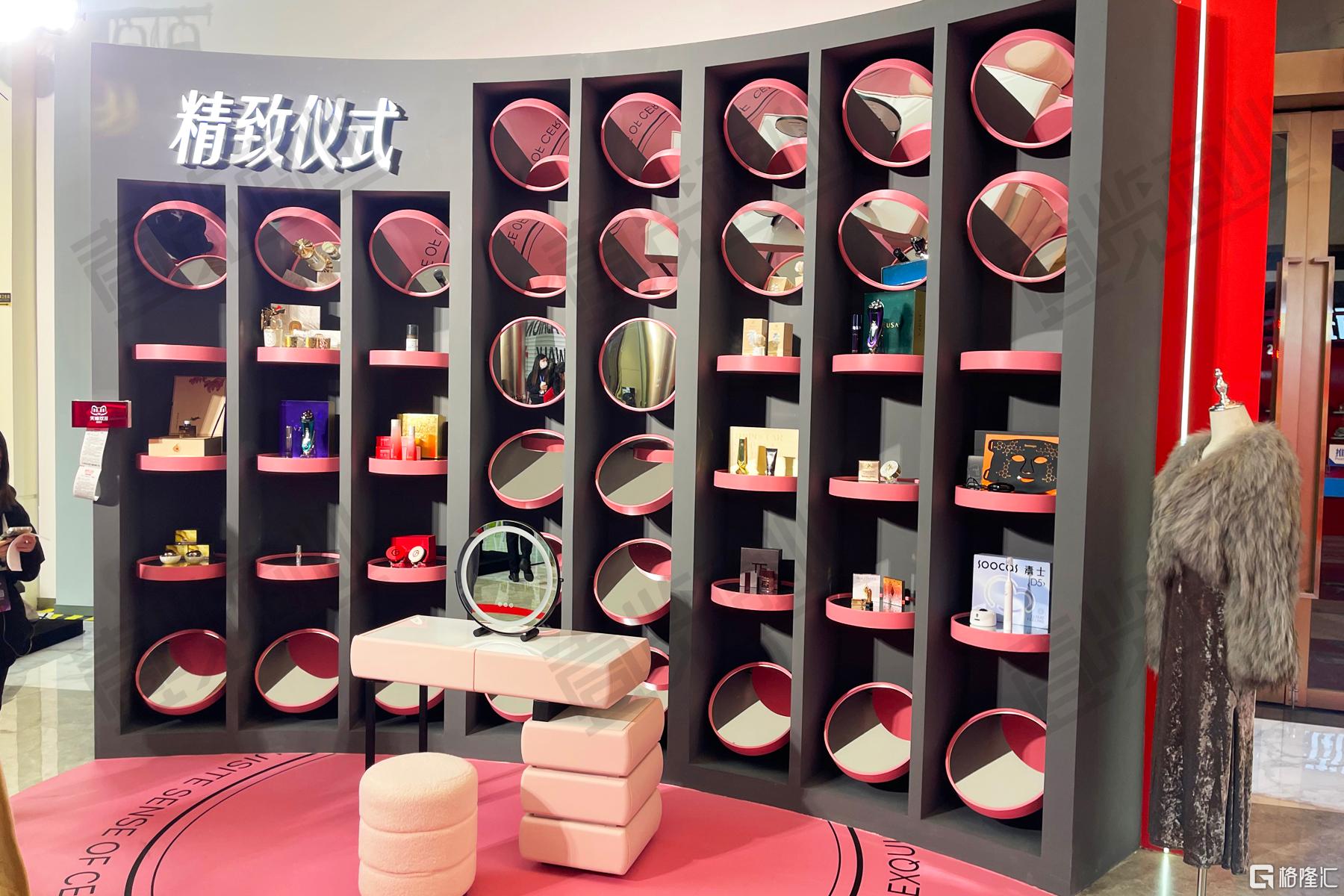
2025年中国美容行业的白皮书
Sou Hu Cai Jing· 2025-07-02 02:52
Core Insights - The report highlights the transformation of China's beauty market post-COVID-19, emphasizing the emergence of new consumer habits and market segments driven by younger generations and technological integration [1][13][14]. Group 1: Consumer Behavior Changes - The pandemic has shifted consumer habits from "emergency needs" to "daily refinement," with a notable increase in demand for skincare products that address issues like "mask face" [2][27]. - The trend of "streamlined skincare" has gained traction, with a 170% year-on-year increase in searches for simplified skincare routines on Xiaohongshu in 2022 [2][5]. - In the makeup sector, consumers are favoring multi-functional products and simplifying their routines, with 67% preferring fewer steps in their makeup application [2][35]. Group 2: Emerging Market Segments - The male beauty market in China reached 9.9 billion RMB (1.44 billion USD) in 2021, with Gen-Z males (ages 18-25) making up nearly 60% of this demographic [3][61]. - The anti-hair loss market is expanding rapidly, with over 250 million individuals in China experiencing hair loss, and the average age of onset being 30.1 years [3][82][84]. - Clean beauty is a growing niche, with 70% of consumers willing to pay a premium for eco-friendly products, although it remains a small segment compared to traditional beauty products [4][79][81]. Group 3: Digitalization and Technology - The integration of digital technology in beauty consumption is reshaping the market, with AR and AI tools enhancing the shopping experience [6][15]. - Brands are increasingly utilizing social media platforms for marketing and consumer engagement, with significant growth in online sales during promotional events [6][46]. Group 4: Product Trends - Skincare products are projected to grow from 92 billion RMB in 2021 to over 240 billion RMB by 2027, driven by a focus on ingredients like hyaluronic acid and niacinamide [5][20]. - The fragrance market is experiencing over 20% annual growth, with Gen-Z consumers favoring niche and local brands over traditional options [5][16]. Group 5: Emotional and Psychological Factors - The pandemic has heightened the psychological value of beauty products, with brands leveraging emotional marketing strategies to connect with consumers [2][32]. - Emotional needs are becoming a significant driver in purchasing decisions, with 93% of consumers indicating that they use fragrances to enhance their mood or confidence [5][16].


负债近3000万,这一美妆品牌遭清算
3 6 Ke· 2025-07-02 01:11
Core Viewpoint - The beauty industry, particularly influencer-driven brands, is experiencing a dual reality, with some brands facing significant challenges, including debt and liquidation, while others are being acquired by larger groups [1][2][8]. Group 1: Company Overview - Cosmoss, a lifestyle beauty brand founded by Kate Moss in 2022, has entered liquidation with debts nearing £3 million (approximately ¥29.53 million) [1][2]. - The brand's financial troubles became evident when it failed to submit timely financial accounts and subsequently closed its website, ceasing order acceptance [5][7]. - The brand's product pricing was significantly reduced, with discounts reaching up to 75% on various platforms [5][7]. Group 2: Market Context - The liquidation of Cosmoss is indicative of broader challenges faced by influencer beauty brands, with at least six similar brands having exited the market recently [8][12]. - The competitive landscape for influencer beauty brands is intensifying, as many celebrities attempt to enter the beauty market, leading to rapid declines in brand attention [12][21]. - Despite the challenges, some influencer brands have achieved high valuations, with examples like Fenty Beauty valued at $2.8 billion (approximately ¥20.05 billion) and Kylie Cosmetics at $1.2 billion (approximately ¥8.57 billion) [15][18]. Group 3: Future Prospects - The influencer beauty sector is undergoing a transformation, with new entrants emerging and established brands being acquired by larger corporations [19][21]. - The success of influencer brands is not solely dependent on celebrity status; sustainable growth requires effective brand management and market adaptation [12][21]. - Recent data indicates that new influencer beauty brands are still being launched, suggesting ongoing interest and potential in the market despite existing challenges [20][21].
Lululemon Sued Costco For Selling Dupes Of Popular Clothes. Can It Win?
Forbes· 2025-07-01 20:27
Core Viewpoint - Lululemon has filed a lawsuit against Costco, accusing the retailer of selling knockoff versions of its popular products, highlighting the challenges faced by established brands in combating "dupe culture" [1][2]. Group 1: Lawsuit Details - The lawsuit, filed in California, claims that Costco is selling and manufacturing knockoffs of Lululemon's Scuba sweatshirts, Define jackets, and ABC pants, alleging trade dress infringement and unfair competition [2]. - Lululemon seeks compensation for lost profits and significant harm to its brand and reputation due to Costco's actions [2]. Group 2: Legal Challenges - Winning a trademark infringement lawsuit over dupe products is difficult, as the original manufacturer must prove that the copycat product could confuse customers into believing it is the real item [3][4]. - The burden of proof lies with the original company to demonstrate that the copycat product has caused confusion and impacted their business, which is challenging to establish [4]. Group 3: Industry Context - The rise of "dupe culture" has been significantly influenced by social media platforms like TikTok, where consumers actively seek and share cheaper alternatives to high-end products [6]. - TikTok videos featuring the dupe hashtag have garnered over 6 billion views, indicating a growing acceptance of purchasing knockoff products among younger consumers [6]. Group 4: Related Legal Cases - A notable case involved e.l.f. Cosmetics, which admitted to creating a product that mimicked Benefit Cosmetics' mascara but was ruled not to infringe on trademarks due to insufficient evidence of customer confusion [7][8]. - Other companies, such as Mondelez International and Williams-Sonoma, are also pursuing legal action against retailers and websites for similar trademark infringement claims [8].


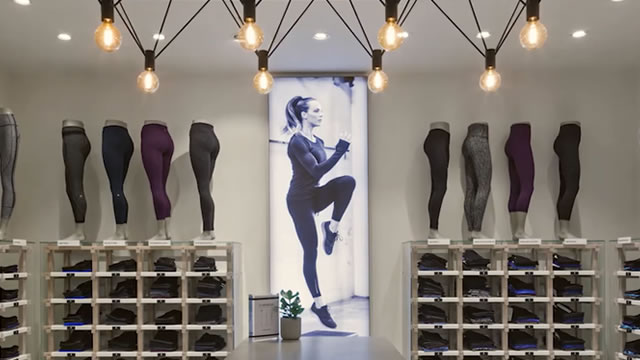
汇丰:中国消费_2025 年下半年展望_“旧” 与 “新” 消费是否会继续分化
汇丰· 2025-07-01 00:40
Investment Rating - The report rates several companies as "Buy," including Yili, Shanxi Fen Wine, Ninebot, Midea, YUTO, and Huali [5][9]. Core Insights - The report highlights a divergence in performance between 'new consumption' stocks, which are experiencing strong growth, and 'traditional consumption' stocks, which are underperforming due to their reliance on macroeconomic conditions and stimulus policies [2][30]. - Key investment themes for 2H25 include structural opportunities and high earnings growth in new consumption trends, market share gains in traditional sectors, and high dividend yields from established consumer leaders [3][10]. Summary by Sections 1. Market Overview - The report notes slower-than-expected implementation of consumption stimulus policies in 1H25, impacting sectors like home appliances and baijiu [2][18]. - The divergence in stock performance is attributed to the macro recovery lacking visibility, with new consumption stocks benefiting from structural opportunities [30][31]. 2. Investment Themes - Structural opportunities and high earnings growth are expected in areas such as smart home products, mass snacks, beauty, and pet care [3][10]. - Market share gains are anticipated in traditional consumer sectors, particularly through consolidation and domestic substitution [3][10]. - High dividend stocks, particularly in baijiu, dairy, and white goods, are highlighted as attractive due to strong cash flows and supportive policies [3][10]. 3. Sector Preferences - The report adjusts sector preferences, ranking dairy products highest, followed by soft drinks, beer, and cosmetics [4]. - It emphasizes the potential for market share consolidation in the e2W sector amid stricter regulations [4]. 4. Stock Picks - Specific stock picks include Yili Industrial, Shanxi Fen Wine, Ninebot, Midea, YUTO, and Huali, all rated as "Buy" due to their strong fundamentals and growth prospects [5][9][11][12][13][14]. 5. Consumer Trends - The report identifies Gen Z as a significant driver of new consumption trends, focusing on emotional and experience-based consumption [38][39][40]. - It notes that Gen Z's preferences are reshaping the consumer market, leading to increased demand for local and trendy brands [39][40].
Oliveda International, Inc. (OLVI) Subsidiary Olive Tree People Canada Inc. Brings Its Waterless Beauty to Canada in July 2025
Globenewswire· 2025-07-01 00:39
Core Insights - Oliveda International, Inc. is experiencing rapid growth in the waterless beauty sector, with Olive Tree People USA Inc. achieving sales of up to $4 million per day in 2024 and expanding its consultant base to over 60,000 within two years [1][3] - The company is set to expand globally with the establishment of subsidiaries in Canada and Europe, starting with Olive Tree People Canada Inc. in July 2025 and Olive Tree People Europe AG in October 2025 [2] - Waterless beauty is identified as the fastest-growing segment in the beauty industry, valued at over $22 billion, with Oliveda's sales reaching $105 million in its second year, growing 600% faster than competitors like Beautycounter [3][4] Company Strategy - The CEO, Thomas Lommel, emphasizes a direct-to-consumer sales model as the key to success, allowing for better education and engagement with customers through Waterless Glow workshops [4] - The company aims to educate consumers about the benefits of waterless beauty, contrasting it with conventional cosmetics, and offers a 365-day satisfaction guarantee to encourage trial and repeat purchases [4] - Oliveda's valuation has surpassed $1 billion, with a focus on conservation and sustainability, having saved over 31,000 ancient olive trees [4][5] Product and Market Position - Oliveda International, Inc. and its subsidiaries have over 20 years of experience in organic certification and the production of waterless beauty products derived from olive trees [5] - The brand's unique treatment concepts have been validated by conventional medicine and have garnered attention from major publications, positioning waterless beauty as "The Next Big Thing" [8] - The company is also involved in social responsibility initiatives, providing water to communities in Africa through its foundation [6]
China’s Makeup Brands are Winning Over Western Consumers
Bloomberg Television· 2025-06-30 22:01
Industry Trend - Chinese cosmetics are gaining popularity among content creators and viewers, driven by viral products like curling iron mascara [1] - The shift of content creators to Chinese apps after a potential TikTok ban in the US has boosted the Chinese beauty industry [2] - New Chinese beauty trends and cosmetics continue to go viral on social media globally [3] Sales Performance - Flores' $46 cushion foundation is a top-three beauty bestseller on Vietnam's TikTok shop [2] - Judy Doll's overseas retail sales grew by 400% last year [3] Market Growth - The momentum from viral trends is contributing to the growth of the multi-billion dollar Chinese cosmetics industry [3]
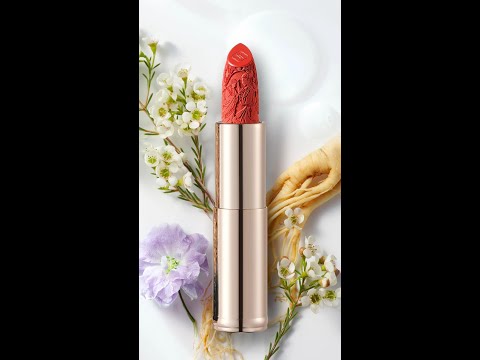
Estée Lauder: Strong Brand, Broken Trust
Seeking Alpha· 2025-06-30 19:49
Core Viewpoint - The Estée Lauder Companies Inc. was perceived as a stable and quality growth example in the premium niche market in 2021, with stock trading above $370 despite the pandemic [1]. Group 1: Company Performance - In 2021, Estée Lauder was recognized for its stable growth characteristics, indicating resilience in a challenging market environment [1]. Group 2: Investment Criteria - The article highlights that companies of interest for investment should demonstrate growth in revenue, earnings, and free cash flow, along with favorable valuations and excellent growth prospects [1].
“小巨人”秀硬科技:中博会刮起“赛博”风
2 1 Shi Ji Jing Ji Bao Dao· 2025-06-30 10:38
Core Viewpoint - The 20th China International Small and Medium Enterprises Expo showcased the significant role of small and medium enterprises (SMEs) in technological innovation, highlighting their potential and opportunities in the current economic landscape [1][2]. Group 1: Development Trends of SMEs - SMEs in China are experiencing a "quantity and quality rise," with over 60 million SMEs expected by the end of 2024, and revenue from large-scale industrial SMEs reaching 81 trillion yuan [3]. - The number of technology and innovation-oriented SMEs has surpassed 600,000, with over 140,000 specialized and innovative SMEs and 14,600 "little giant" enterprises [3]. - Guangdong province leads with over 7.74 million SMEs, accounting for about one-eighth of the national total, and has 2,089 specialized and innovative "little giant" enterprises [3]. Group 2: Focus on Robotics - The robotics sector, particularly specialized and innovative enterprises, has become a focal point at the expo, showcasing strong capabilities [2][4]. - The launch of the CR 30H collaborative robot by Yujian Technology represents a breakthrough in balancing high load and speed, achieving a load capacity of 30 kg and a joint speed of 300°/second [4]. - The introduction of a wall-cleaning robot by Guangdong Lingdu Intelligent Technology addresses safety and water conservation issues, achieving a water usage ratio of 20:1 compared to manual cleaning [5]. Group 3: AI and Digital Transformation - AI is playing a crucial role in enabling SMEs to achieve technological breakthroughs and enhance competitiveness through digital transformation [2][7]. - The Shoushi Taihe Pharmaceutical Research Group has developed the first intelligent traditional Chinese medicine ring, integrating health monitoring with traditional practices [7]. - AI-driven systems in cosmetics development are transforming traditional reliance on individual experience into a data-driven approach, enhancing efficiency and reducing resource waste [8]. Group 4: Digitalization as a Competitive Advantage - Digital transformation is essential for SMEs in Guangdong, with platforms like "Master Craftsman" industrial models aiding in operational efficiency [9][10]. - The integration of AI and 5G technologies is facilitating the development of smart factories, enhancing production capabilities and operational management [9][10]. - SMEs are now emphasizing their R&D and manufacturing capabilities during client visits, showcasing advanced technologies and systems that enhance their competitiveness [10].