保险中介

Search documents
保险中介协议藏“偷窥”条款:收集上网记录 不可拒收营销信息
Nan Fang Du Shi Bao· 2025-08-04 23:17
Core Viewpoint - The article highlights the increasing issue of insurance telemarketing calls and messages affecting individuals' daily lives, raising concerns about potential personal information leaks and privacy violations by insurance intermediaries [2][3]. Group 1: Consumer Experience - Many users report receiving frequent insurance sales calls, especially when their policies are nearing renewal, leading to frustration and confusion about how their personal information was obtained [3][4]. - Users express concerns about receiving targeted marketing calls despite not having purchased insurance from the companies contacting them, indicating a possible breach of privacy [3][4]. Group 2: Privacy Policies and Information Collection - Some insurance intermediaries, like "Toubao Paipai," include clauses in their user agreements that allow for extensive personal information collection, including browsing history, which raises legal and ethical questions [4][8]. - The privacy policies of these intermediaries often blur the lines between legally required information collection and data gathered for commercial purposes, potentially infringing on consumer rights [7][9]. Group 3: Regulatory Environment - Regulatory bodies have been actively addressing the issue of excessive personal information collection by financial institutions, emphasizing the need for clear, reasonable purposes for data processing [10][11]. - Recent regulations mandate that financial institutions must limit personal information collection to what is necessary for business purposes, highlighting the importance of consumer consent and transparency [11][12].


深耕专业,引领行业!首信保险代理获任广东保险中介行业协会第四届保险代理专业委员会副主任委员单位
Zhong Guo Jing Ji Wang· 2025-08-01 09:07
Group 1 - The Guangdong Insurance Intermediary Industry Association announced the list of members for the fourth Insurance Agency Professional Committee, with Shouxin Insurance Agency (Guangdong) Limited elected as a vice-chairman unit due to its professional capabilities and industry contributions [1] - The association, established in 2010, plays a significant role in setting industry standards, promoting innovation, and facilitating industry communication, and became a member of the China Insurance Industry Association in 2021, enhancing its influence [1] - The Insurance Agency Professional Committee consists of one chairman unit, five vice-chairman units, and four committee units, responsible for assisting in regulatory compliance and driving industry development [1] Group 2 - Shouxin Insurance Agency has served millions of families and is recognized for its stable operations and standardized development, offering over 200 high-cost-performance insurance products in areas such as medical insurance, critical illness insurance, and accident insurance [2] - The company utilizes an "AI + insurance" model to enhance online purchasing and claims experiences, particularly accelerating intelligent claims service upgrades through AI large models [2] - Looking ahead, Shouxin Insurance Agency aims to leverage its role as a vice-chairman unit to enhance professional service capabilities, accelerate digital transformation, and strengthen industry collaboration for the high-quality development of the insurance industry in Guangdong and nationwide [2]
连续6年下滑!保险中介机构持续减员 有何生存之道?
Guo Ji Jin Rong Bao· 2025-07-30 17:53
Core Viewpoint - The insurance intermediary sector in China is undergoing a significant contraction due to stricter regulations, intensified market competition, and the need for industry consolidation, leading to a substantial number of institutions exiting the market [1][2][4]. Group 1: Regulatory Environment - Since 2025, the Jilin Provincial Financial Regulatory Bureau has been actively optimizing the insurance intermediary market, resulting in the cancellation of 62 insurance professional intermediary institutions by mid-June, a decrease of 11.7% from the beginning of the year [1]. - The regulatory authorities have initiated a "cleaning and quality improvement" campaign aimed at eliminating non-compliant and weak institutions, with a goal to streamline the market over the next three years [2][4]. - The number of insurance professional intermediary institutions has been declining for six consecutive years, with a total of 103 institutions exiting the market from 2019 to 2024 [2]. Group 2: Market Competition - The insurance intermediary sector has faced increasing competition from internet platforms and large insurance companies that are establishing their own channels, which has squeezed the traditional intermediaries' market space [3]. - Many traditional intermediaries are struggling to adapt to the digital transformation, leading to their natural elimination from the market [3][4]. Group 3: Industry Trends - The implementation of the "reporting and execution consistency" policy has significantly compressed the profit margins for insurance intermediaries, with average commission levels dropping by 30% across the industry [5]. - The market is witnessing a shift where intermediaries must transition from being "product salespeople" to "risk management consultants," enhancing their professional capabilities to provide tailored solutions [9]. - New insurance intermediaries focusing on technology and risk management services are gaining traction in the capital market, with several planning to go public [8]. Group 4: Strategic Recommendations - To thrive in a competitive environment, insurance intermediaries should enhance service quality, leverage advanced technologies like big data and AI, and deepen customer relationships [8][9]. - Emphasizing compliance and building brand trust are essential for long-term success in a regulated market [9].
连续6年下滑!保险中介机构持续减员,有何生存之道?
Guo Ji Jin Rong Bao· 2025-07-30 15:45
Core Viewpoint - The insurance intermediary sector in China is undergoing a significant contraction, driven by stricter regulations, intensified market competition, and the need for industry consolidation [3][5][9]. Regulatory Environment - Since 2025, the Jilin Provincial Financial Regulatory Bureau has been actively optimizing the insurance intermediary market, resulting in the cancellation of 62 insurance intermediary institutions by mid-June, a decrease of 11.7% from the beginning of the year [1]. - The national trend shows a continuous decline in the number of insurance intermediaries, with a total of 103 institutions exiting the market over the past six years [3][4]. Market Competition - The competitive landscape has become increasingly fierce, with internet platforms and large insurance companies establishing their own channels, thereby squeezing the survival space of traditional intermediaries [4][5]. - Many traditional intermediaries are struggling to adapt to digital transformation, leading to their natural elimination from the market [4][9]. Industry Consolidation - The insurance intermediary market is experiencing consolidation, with larger institutions acquiring smaller ones to expand market share and service range [5]. - The average commission level across the industry has decreased by 30% due to the implementation of the "reporting and execution consistency" policy, which has pressured intermediaries to transform their business models [7][8]. New Value Positioning - To remain competitive, insurance intermediaries must transition from being "product salespeople" to "risk management consultants," enhancing their professional capabilities to offer tailored protection plans [9]. - Embracing digitalization through big data and artificial intelligence is essential for optimizing operations and improving customer engagement [9]. - Focusing on niche markets or specific scenarios to create specialized brands can provide a competitive edge [9]. Emerging Trends - New insurance intermediaries that focus on technology and risk management services are gaining traction in the capital market, with several planning to go public [10].
保险中介协议藏个人信息泄露陷阱:要收集上网记录、同意营销
Nan Fang Du Shi Bao· 2025-07-30 07:28
Core Viewpoint - The article highlights the increasing issue of unsolicited insurance sales calls and marketing messages affecting individuals' daily lives, raising concerns about potential personal information leaks and privacy violations by insurance intermediaries [1][2][4]. Group 1: Impact on Consumers - Many users report receiving frequent insurance sales calls, especially when their insurance policies are nearing renewal, leading to frustration and confusion about how their personal information is being accessed [2][4]. - Users express concerns over the accuracy of the personal information used by sales agents, noting instances where agents possess detailed personal data despite the users never having purchased insurance from them [2][4]. Group 2: Privacy Policies and Information Collection - Investigations reveal that some insurance intermediaries, such as "Toubao Paipai," include clauses in their user agreements that allow extensive collection of personal information, including browsing history, under the guise of marketing preferences [5][9]. - The privacy policies of these intermediaries often obscure the extent of information collection, leading users to unknowingly consent to the sharing of their data with third parties for marketing purposes [5][8]. Group 3: Legal and Regulatory Concerns - Legal experts argue that the practices of these insurance intermediaries may violate consumer privacy rights, as users often do not fully understand the implications of the lengthy and complex user agreements they consent to [8][12]. - Regulatory bodies have been actively addressing the issue of personal information misuse in the financial sector, identifying problems such as forced consent and excessive data collection practices among insurance companies [11][12].
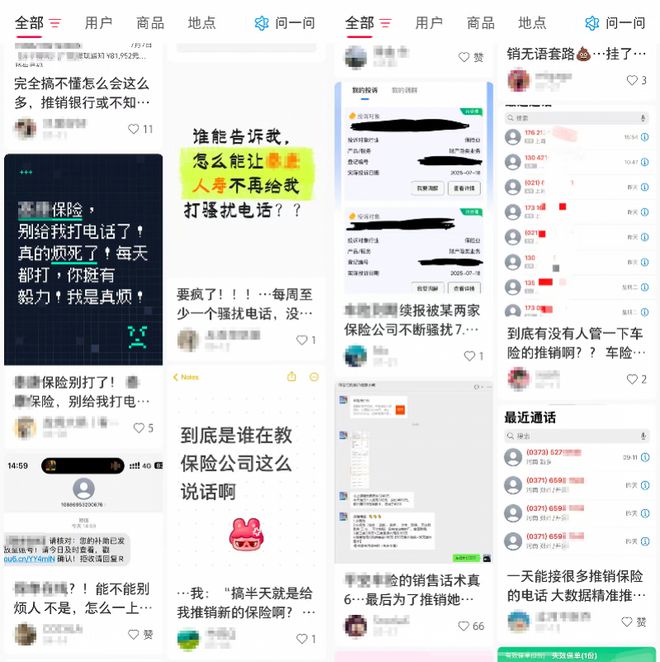
“退潮”的保险经代:销售套利空间消失 差异化壁垒待造
Zhong Guo Zheng Quan Bao· 2025-07-24 21:10
Core Insights - The insurance agency market is undergoing significant contraction and restructuring due to regulatory changes and reduced commission rates, leading to a survival crisis for many small agencies [2][4][6] - The "reporting and operation integration" policy has drastically reduced commissions by over 50%, causing profitability issues and talent loss within the industry [2][3][4] - The future of the agency channel lies in providing added value and specialized services rather than merely competing on product pricing [8][9] Industry Overview - The insurance agency channel is a crucial part of the sales system for insurance companies, but it is currently facing substantial pressure due to regulatory changes [2][4] - Many small agencies are exiting the market, and even larger firms like Shenzhen Tengbang Insurance Brokerage have had their licenses revoked [1][4] - The market is shifting from a model of rapid expansion to one focused on refined operations and professional services [4][8] Financial Dynamics - The traditional profit model for insurance agencies, which relied heavily on commission income, is being disrupted by new regulations that limit commission earnings [4][5][6] - The overall signing levels and sales force have significantly declined, impacting the confidence and operations within the industry [3][6] Market Segmentation - The market is experiencing a clear divide, with leading agencies and tech-driven platforms gaining strength while smaller agencies struggle to survive [3][4][6] - The competitive landscape is evolving, with a focus on specialized services and compliance rather than high commission rates [8][9] Challenges and Opportunities - Agencies face challenges such as the need for higher professional qualifications among sales personnel and the integration of service offerings [7][8] - The shift in consumer demand towards professional services necessitates a reevaluation of agency operations and strategies [9]
兼任“超标”也违规!保险中介乱象翻新,制止靠什么
Bei Jing Shang Bao· 2025-07-21 13:20
Core Viewpoint - The insurance intermediary sector is facing significant compliance issues, highlighted by the recent penalties imposed on Hubei Dabieshan Insurance Sales Company for multiple violations, indicating a need for enhanced regulatory adherence across the industry [1][3][4]. Regulatory Violations - Hubei Dabieshan Insurance Sales Company was fined a total of 890,000 yuan for seven violations, including improper establishment of branches, exceeding the limit of concurrent branch management, and providing false financial information [3][4]. - The penalties reflect a broader trend of increasing regulatory scrutiny within the insurance intermediary sector, with many firms facing similar issues such as false reporting and unauthorized sales practices [4][5]. Compliance Challenges - The rise in violations such as client-directed purchases and contract forgery suggests a systemic issue within the industry, driven by factors like cost control, talent shortages, and inadequate internal management [3][5]. - Experts emphasize the need for insurance institutions to improve compliance through better management of agents, enhanced monitoring mechanisms, and rigorous auditing practices [5][6]. Industry Trends - The insurance intermediary market is undergoing significant changes, with new regulations aimed at preventing practices like forced sales and ensuring proper classification of insurance products [7][8]. - A notable trend is the introduction of a tiered system for sales personnel and products, which will enhance the professionalism and specialization within the sector [8][9]. Future Outlook - The insurance intermediary industry is expected to evolve towards greater specialization, technological integration, and diversified services, with compliance and professional capability becoming key competitive factors [8][9]. - The rapid advancement of digital technologies is seen as a crucial opportunity for the sector, necessitating the adoption of innovative practices and systems to ensure sustainable growth [9].

这家金融机构获准退出
Jin Rong Shi Bao· 2025-07-21 11:40
Core Viewpoint - Tianan Life Insurance Co., Ltd. has had its insurance intermediary license revoked by the Financial Regulatory Bureau due to various governance and compliance issues, marking a significant event in the insurance intermediary sector in China [1][3]. Company Summary - Tianan Life Insurance was granted its insurance intermediary license on November 17, 2016, and it will officially exit the market on July 18, 2025 [1][2]. - The company was involved in a wide range of insurance services, including corporate property insurance, family property insurance, vehicle insurance, engineering insurance, liability insurance, credit insurance, guarantee insurance, marine insurance, cargo transportation insurance, special risk insurance, agricultural insurance, and accident insurance [1][2]. - The company faced penalties for governance report inaccuracies, unqualified executive roles, and improper asset management practices, leading to fines totaling 990,000 yuan for responsible personnel [2][3]. Industry Summary - The Financial Regulatory Bureau has noted a trend of insurance intermediaries exiting the market, with several companies, including Beijing Zhongheng Insurance Agency and Liaoning Xinyi Automobile Insurance Agency, also announcing their exit [3]. - The number of insurance intermediary institutions in China has decreased from 2,642 in 2019 to 2,539, a reduction of approximately 103 institutions [3]. - The insurance intermediary market is experiencing a "head concentration, tail clearance" trend, where leading firms dominate due to brand and service advantages, while smaller firms struggle to adapt to regulatory changes and declining commissions [4]. - The industry is shifting from a product-oriented approach to a user-oriented approach, with opportunities in wealth management and pension finance due to rising income levels and aging population [4].
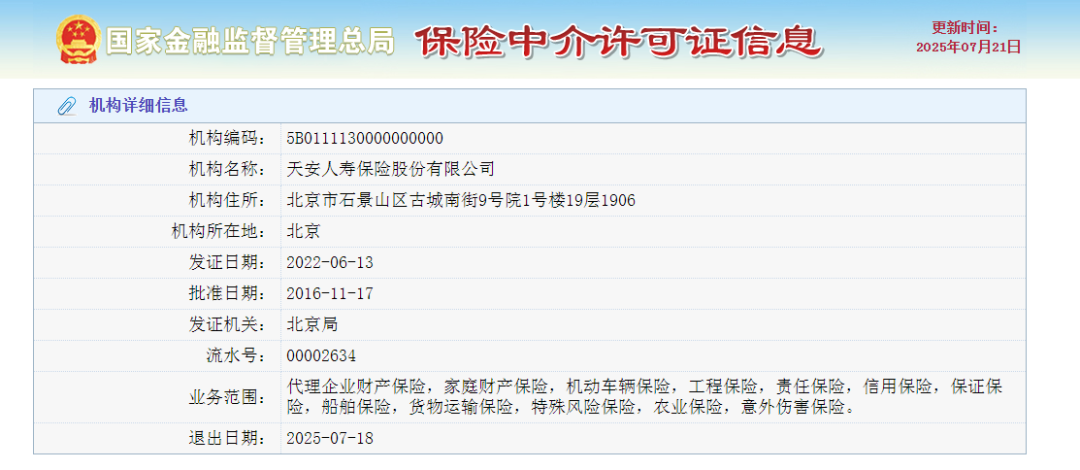
伪造保险合同,吊销许可证!出借许可证,没收违法所得!3家停新,1人撤职:2025上半年保险中介罚款超1.3千万!
13个精算师· 2025-07-17 14:47
Core Viewpoint - The insurance intermediary sector is experiencing a significant reduction in penalties and the number of institutions, indicating a trend of consolidation and regulatory tightening in the industry [6][12][14]. Group 1: Penalties and Regulatory Actions - In the first half of 2025, penalties imposed on insurance intermediaries exceeded 13 million, representing a substantial decrease of over 8.6 million compared to the same period last year, with a year-on-year decline of nearly 40% [6][12][11]. - A total of 160 penalties were issued, with the largest fines being two 800,000 and four 500,000 fines [19][28]. - Despite the reduction in total penalties, regulatory measures remain stringent, with one company having its license revoked for contract forgery and three others being prohibited from accepting new business [20][22]. Group 2: Industry Trends - The number of insurance intermediaries has decreased by 103 over the past five years, from 2,642 to 2,539 [14][15]. - The most significant decline has been in specialized insurance agencies, which saw a reduction of 89 institutions [14]. - The exit of many small and local intermediaries reflects intensified competition within the market [18]. Group 3: Company-Specific Penalties - Notable penalties include three subsidiaries of Ping An Chuangzhan, which collectively faced fines exceeding 2.6 million due to issues such as false customer information and improper business practices [30][36]. - Other companies, such as Hubei Xinhua Xin and Beijing Zhongtian Jiahua, also faced significant fines for various violations, contributing to the overall penalty totals [36][40]. Group 4: Regional Regulatory Actions - Guangdong and Shandong provinces accounted for over 2 million in penalties, with Guangdong alone imposing 297.3 million in fines across multiple companies [43][45]. - The regulatory environment remains focused on accountability, with increased scrutiny on the actions of responsible individuals within the companies [32][33].
港交所,已成青岛企业上市首要选择
Sou Hu Cai Jing· 2025-06-30 06:59
Core Viewpoint - The trend of companies from Qingdao going public in Hong Kong is gaining momentum, with multiple firms submitting applications for listing on the Hong Kong Stock Exchange (HKEX) in 2023 [1][4]. Group 1: Companies Going Public - Qingdao Guoen Technology Co., Ltd. submitted its listing application to the HKEX on June 26, marking it as the fifth company from Qingdao to pursue a Hong Kong listing this year [1]. - Other companies that have applied for listing include GoerTek, Wenda Technology, Saintong Special Medical, and Kute Intelligent, all of which have significant hard technology attributes and are leaders in their respective sectors [5][8]. Group 2: Market Preferences - The HKEX is favored due to its lower entry requirements and shorter review periods, with nearly 80% of new listings from Qingdao in the past two years being on the HKEX [4]. - The companies listed are primarily in emerging industries such as new generation information technology, artificial intelligence, and life sciences, indicating a strong market demand for hard technology firms [9]. Group 3: Globalization Strategy - A key reason for Qingdao companies seeking to list in Hong Kong is to advance their globalization strategies, allowing them to raise funds in Hong Kong dollars or US dollars for overseas projects [10]. - Companies like Guoen and Kute Intelligent aim to enhance their international presence and operational capabilities through dual listings in both A-shares and H-shares [11][13]. Group 4: Recent Developments - As of 2024, Qingdao has a total of 19 companies listed on the HKEX, raising a total of 11.586 billion yuan, covering various industries including home appliance manufacturing and artificial intelligence [14]. - Recent activities include a roadshow event in May 2023, where several Qingdao companies showcased their potential for future listings, indicating a robust pipeline of candidates for the HKEX [16].