
国际物流

Search documents
甘肃国际物流集团:四重保障护航秘鲁海外仓业务稳健发展
Sou Hu Cai Jing· 2025-12-06 06:43
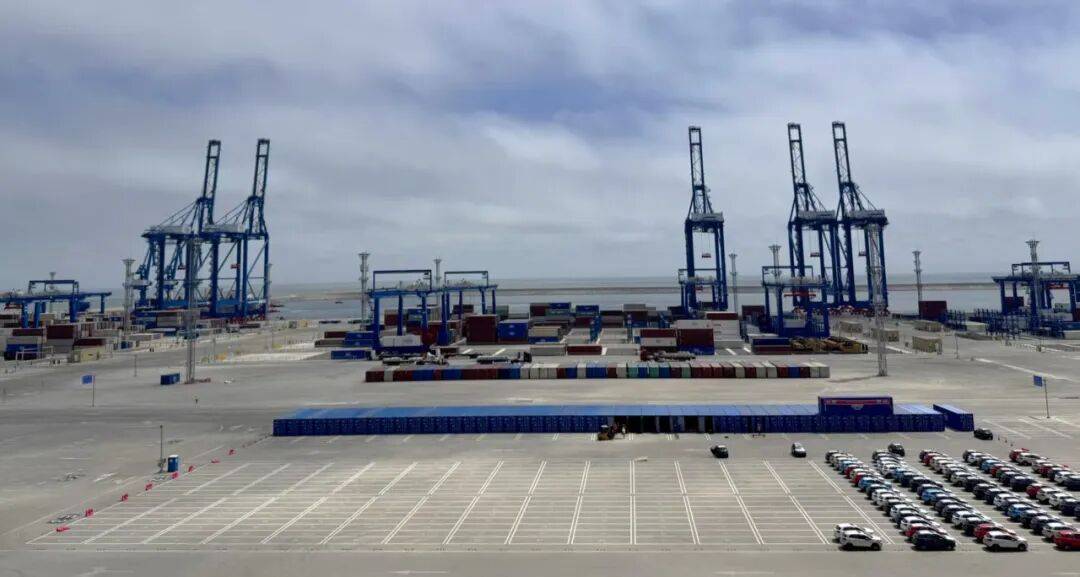
近日,甘肃国际物流集团国际供应链公司派驻秘鲁海外仓运营团队正式完成首月攻坚,以系统性、精细化运营管理模式,成功构建起以质量管控为基石、 仓储管理为关键、合规运营为底线、国内外衔接为纽带的四重保障体系,确保海外仓业务良性运营,为甘肃国际物流集团在南美市场的深耕与发展筑牢了 基础。 自团队抵达并开展运营以来,海外仓聚焦质量管控体系构建、精细化管理模式落地、风控合规运营保障三大核心,高标准、快节奏推进各项基础建设,仅 用一个月时间就实现了海外仓运营体系的初步成型。建立"检验-备案-追溯"闭环机制,在货物到仓环节,实施从规格参数、产品品质到合规资质的穿透式 检验,并全程建档,确保每批货物来源可查、去向可溯。创新建立货物样品备案制度,按品类、批次留存标准样品,为质量复核与客诉处理提供直观依 据,从源头杜绝问题产品流入市场。 聚焦出入库全链条,打造"双重核对+实时同步"的精细化管理模式。入库时,严格核验货物与国内发运清单的一致性,做到"货单相符、批次清晰";出库 时,进行订单信息、货物标识与客户需求的二次校验,保障"精准发货、零差错交付"。此外,团队搭建起国内外信息实时共享平台,将海外仓库存、出入 作为甘肃国际物流集体国 ...

挑选伊朗物流公司的秘诀:避开陷阱,锁定高性价比靠谱伙伴
Sou Hu Cai Jing· 2025-12-04 04:40
伊朗物流市场跟其他地方确实不太一样。受到国际制裁影响,像DHL、FedEx这些国际快递巨头在伊朗 的业务受限,咱们得依靠专门的伊朗物流专线服务商。伊朗海关政策多变,清关环节可以说是整个物流 链条中让人头疼的一环。看得出,选择在伊朗有本地团队的服务商至关重要。而且伊朗的进口规定经常 变化,工矿贸易部每年都会颁布新的出口规定,将货物分为不同等级,这给物流运输带来了不小的挑 战。 特殊货物运输的专业要求 化工品、锂电池等高风险货物的运输需要专业资质。敏感货就是介于普货和违禁品之间的那些"特殊分 子"。它们不是完全不能运输,但需要特别的程序和资质才能安全抵达目的地。在伊朗物流领域,敏感 货主要包括电池类产品、液体膏体、磁性物品、食品药品、化妆品、电子产品等。 专业的物流公司会设有化工品专线,熟悉各航司和船公司收运标准以规避拒载问题。还能在合规层面建 立每周更新的制裁信息库,借助OFAC合规查询系统等工具完成货物主体与链路的双重核查。对于存疑 货物,这类公司可委托专业机构做品类鉴定,大幅降低货物被扣风险。 综合服务能力评估 选择伊朗物流公司时,咱们要考察其服务范围和经验。需要了解物流公司是否具备提供全方位物流服务 的能 ...
伊朗敏感货运输难题如何破?专业物流公司来助力
Sou Hu Cai Jing· 2025-12-03 08:07
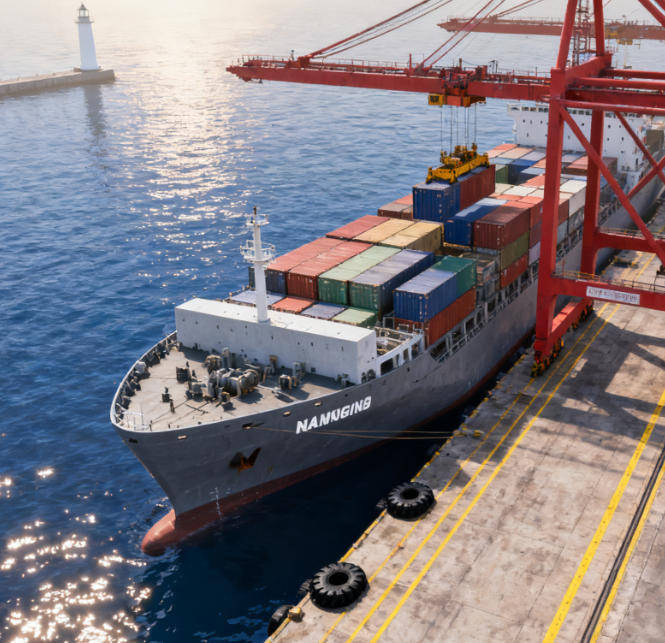
Core Viewpoint - The transportation of sensitive goods to Iran presents significant challenges due to policy risks, high customs clearance difficulties, and payment channel issues, necessitating specialized logistics companies to navigate these complexities [1][3]. Group 1: Challenges in Sensitive Goods Transportation - Sensitive goods are defined as items that require special procedures and qualifications for safe transport, including batteries, liquids, magnetic items, pharmaceuticals, cosmetics, and electronics [1]. - The Iranian import regulations frequently change, with the Ministry of Industry, Mine and Trade issuing new export regulations annually, categorizing goods into different levels [1]. - Customs clearance for sensitive goods is stringent, with high standards for inspection; improper declaration or incomplete documentation can lead to cargo detention [1]. - International sanctions limit conventional payment methods, complicating financial transactions for sensitive goods [1]. Group 2: Role of Specialized Logistics Companies - Companies like Shenzhen Yuntong Tianxia International Logistics, with 10 years of experience in Iranian logistics, play a crucial role by establishing specialized lines for chemical products and maintaining an updated sanctions information database [2]. - These logistics firms utilize compliance tools such as the OFAC compliance query system to ensure thorough verification of cargo and supply chain [2]. - They require shippers to provide complete documentation, including product names, HS codes, and MSDS reports, and can engage professional agencies for classification verification to reduce the risk of cargo detention [2]. Group 3: Selection Criteria for Logistics Companies - When selecting a logistics company for sensitive goods transportation to Iran, it is essential to consider the company's qualifications, such as being an approved "一级货运代理" or "无船承运人" by the Ministry of Commerce [3]. - The company’s experience in handling Iranian operations and familiarity with local customs policies and processes are critical [3]. - A robust service network with local presence in Iran is necessary for providing on-site customs clearance support [3]. Group 4: Specific Requirements for Different Types of Sensitive Goods - Different types of sensitive goods have unique transportation requirements; for example, battery goods must comply with IATA dangerous goods regulations regarding packaging and labeling [4]. - Liquid goods require leak-proof packaging, while magnetic items must undergo demagnetization or provide magnetic inspection reports [4]. - Food products need health certificates and certificates of origin, while chemical products require differentiation between ordinary and hazardous chemicals, with all needing English versions of MSDS [4]. - High-risk chemicals, such as solid sodium ethanol, may be rejected by certain shipping companies, necessitating careful selection of carriers and comprehensive documentation [4].
加拿大海运DDP到门
Sou Hu Cai Jing· 2025-12-01 05:12
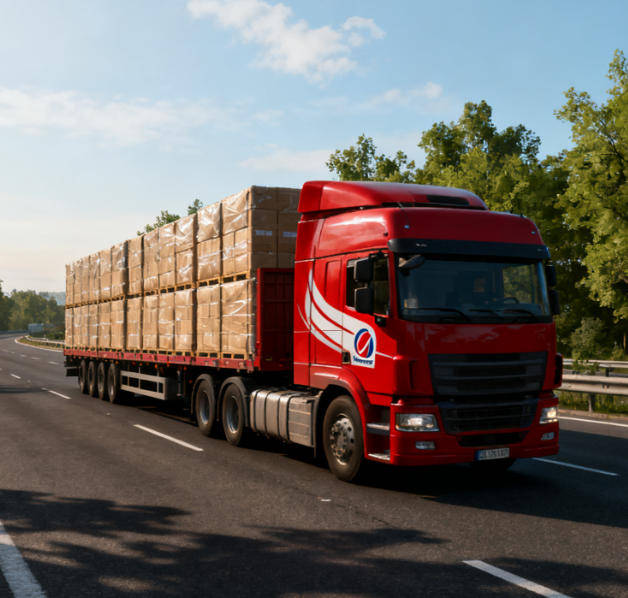
这是(全球快递到门,可以留下您的联系方式)整理的信息,希望能帮助到大家 将货物通过海运方式从其他国家运送到加拿大,并采用DDP到门的贸易条款,是一种常见的国际物流选择。这种方式为收货方提供了较高的便利性,因为发 货方需要负责将货物安全送达至指定的加拿大地址,并承担过程中的主要责任与费用。理解这一运输方式的运作流程、相关要求以及潜在注意事项,对于有 此类物流需求的企业或个人而言具有实际意义。 问:哪些商品通常不适合采用DDP方式运输到加拿大? DDP是国际贸易术语之一,全称为"DeliveredDutyPaid",中文可译为"完税后交货"。在这一条款下,卖方承担将货物运至买方指定目的地的一切风险与费 用,包括出口和进口环节的报关、缴纳关税、增值税以及其他可能产生的税费,以及负责目的港的卸货、码头杂费和最终段的陆地运输,直至货物交付到买 方仓库或指定地点。对于买方而言,这简化了采购流程,将复杂的国际运输、清关和税务事宜交由卖方或其指定的物流服务商处理。 选择加拿大海运DDP到门服务,通常涉及以下几个主要环节: 1.询价与确认。在货物发运前,发货方需要向物流服务提供商提供详细的货物信息,例如品名、材质、数量、重量、 ...

中国外运等在广东成立国际物流新公司
Zheng Quan Shi Bao Wang· 2025-11-24 05:08
Core Insights - A new logistics company, China Foreign Trade Transportation (Guangdong) International Logistics Co., Ltd., has been established with a registered capital of 10 million yuan [1] - The company's business scope includes domestic and international freight forwarding and supply chain management services [1] - The company is jointly owned by China Foreign Trade (601598) and its subsidiary, China Foreign Trade South China Co., Ltd. [1]

多措并举推动就业市场提质扩容
Yang Shi Wang· 2025-11-21 12:46
Group 1 - The core viewpoint emphasizes the need for multi-channel exploration of potential to stabilize employment for key groups, as highlighted by the 20th Central Committee's Fourth Plenary Session [1] - A series of policies aimed at stabilizing and promoting employment are currently being implemented, enhancing the quality and expansion of the job market [1] Group 2 - Autumn recruitment activities targeting key groups such as college graduates have commenced nationwide, with over 10,000 job fairs providing more than 7 million job positions in the past two months [3] - Emerging industries like new materials and optoelectronics have seen job openings increase by over 50% year-on-year, while the demand for positions in the elderly care industry has grown by over 30% [3] Group 3 - The government has intensified support policies for stabilizing and expanding jobs, with a total of 19.6 billion yuan allocated for job stabilization refunds and 16.6 billion yuan for training and employment promotion expenditures in the first three quarters [5] - The reduction of unemployment insurance rates has saved enterprises 138.4 billion yuan in labor costs [5] - Support policies for small and micro enterprises, including guaranteed loans, tax reductions, and entrepreneurial subsidies, are also in place [5] Group 4 - The "14th Five-Year Plan" suggests strengthening the coordination between industry and employment, actively cultivating new professions and job positions [7] - The Ministry of Human Resources and Social Security has completed 95 new national occupational standards, with half focused on life services to meet the demand for talent in areas like elderly care and childcare [7] - Nearly 40% of the new standards are related to advanced manufacturing, digital economy, and green economy, addressing the urgent need for talent in industrial transformation and emerging industry development [7]

中欧班列(西安)何以成为企业跨境物流优选?
Xin Hua She· 2025-11-19 07:02
Core Insights - The global supply chain is rapidly restructuring, with the China-Europe Railway Express (Xi'an) enhancing its capabilities and attracting more businesses to integrate into the global industrial chain [1] - The "Belt and Road" initiative is significantly boosting Xi'an's foreign trade, with projected import and export volume exceeding 400 billion yuan in 2024 [1] Group 1: Logistics Network - The Xi'an International Port Station features 18 international routes connecting major cities across Europe and Asia, creating a comprehensive logistics network [3] - The multi-channel strategy is crucial for ensuring transportation resilience, with new routes reducing transit times significantly, such as cutting the transport time between China and Europe from over 40 days to around 15 days [3][4] - The Xi'an (Kazakhstan) logistics hub enhances the distribution capabilities between Xi'an and Almaty, facilitating efficient cargo transfer [3] Group 2: Growth Metrics - The China-Europe Railway Express (Xi'an) has seen a dramatic increase in operations, from over 100 trains in its early days to 4,985 trains in 2024, marking a year-on-year growth of 16.3% [4] - The Xi'an International Port Station has undergone three expansions, now featuring 59 operational lines with an annual throughput capacity of 5.4 million TEUs and a transport capacity of 66 million tons [4] Group 3: Transportation Efficiency - The logistics efficiency has improved significantly, with goods like flour from Central Asia reaching Xi'an in just five days, showcasing the operational success of the railway [6] - The introduction of a precise schedule for the trains has led to a 30% improvement in transit times for cross-border e-commerce goods, with costs being less than one-fifth of air freight [6][7] - The automotive industry benefits from reduced shipping times, with companies like BYD and Geely utilizing the railway to expedite exports [6] Group 4: Cost Optimization - Companies like Konka have reported a significant reduction in logistics costs, with production and shipping times optimized due to proximity to the railway [8] - The implementation of a "one order" system for rail-water intermodal transport has reduced transit times and costs for imported goods [7] - Collaborative efforts among local businesses have led to a reduction in cargo assembly and distribution time from an average of 8.5 days to 3.3 days [8] Group 5: Economic Impact - The rapid development of the China-Europe Railway Express (Xi'an) is reshaping the regional industrial ecosystem, with logistics parks attracting various industries and resources [9] - Xi'an is emerging as a significant hub for timber and construction materials, enhancing its role in the inland economy [9]
「走到客户身边」老牌物流企业NX集团的成功秘诀
Sou Hu Cai Jing· 2025-11-18 16:42
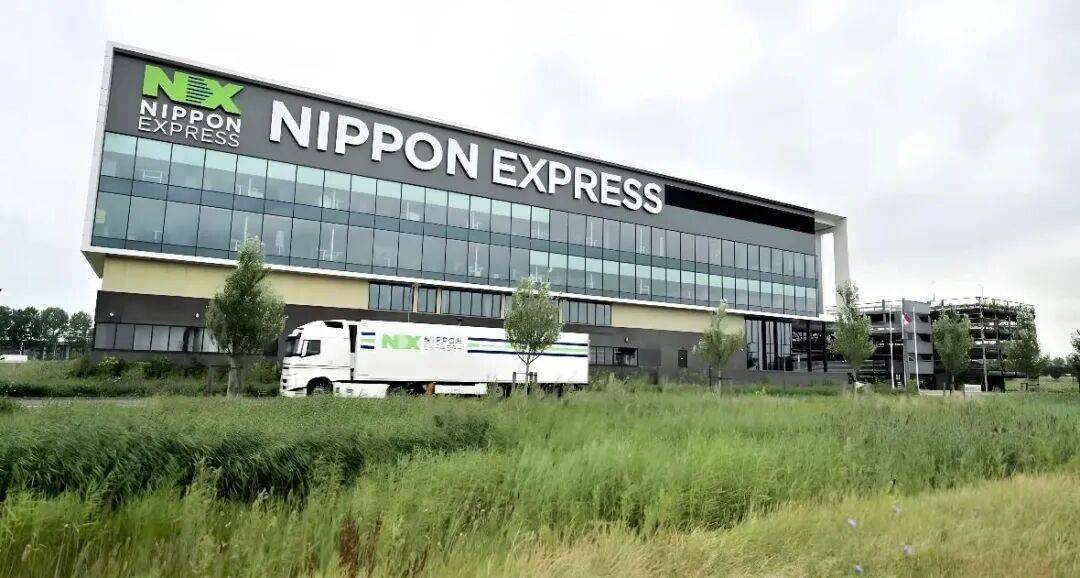
Core Insights - NX Group emphasizes the intense competition in the Chinese logistics market, highlighting the rapid decision-making and improved service quality of local companies [2][9] - The company has been actively participating in the China International Import Expo for eight consecutive years to explore business opportunities and understand market developments [4][8] Company Overview - NX Group is the sixth-largest international logistics company globally, with a history spanning 88 years, operating in 57 countries and regions with over 3,000 locations and more than 76,000 employees [5][7] - The company’s primary business focuses on freight services rather than small parcel delivery, requiring a strong ability to seize market opportunities [8] Market Position and Growth - NX Group's revenue is projected to reach nearly $17 billion in 2024, benefiting from China's economic growth, which has averaged 8.9% annually from 1979 to 2023, significantly outpacing the global average of 3% [7][8] - The company has established a strong presence in China since the late 1970s, aligning its growth with China's rapid economic development and trade expansion [8][9] Logistics Solutions and Innovations - NX Group has developed specialized logistics solutions for various industries, including pharmaceuticals, automotive, and semiconductors, providing tailored services to meet specific client needs [7][15] - The company has upgraded its smart logistics solutions, showcasing innovations such as robotic picking and sorting systems at trade expos [15] Strategic Focus - The company is committed to supporting Chinese enterprises in their global expansion, focusing on five key industries: electronics, automotive, fashion, pharmaceuticals, and semiconductors [15][18] - NX Group has built a comprehensive pharmaceutical transportation system in China, achieving GDP certification for its facilities, enhancing its competitiveness in the global pharmaceutical supply chain [18][22] Future Outlook - NX Group aims to leverage its global network resources to support the internationalization of Chinese companies, adapting to the evolving logistics landscape shaped by economic trade developments [22]
织密亚欧物流网络 枢纽能级再跃升
Shan Xi Ri Bao· 2025-11-17 09:10
Core Insights - The China-Europe Railway Express (Xi'an) has surpassed 30,000 trips, with 5,063 trips made in the first ten months of this year, reflecting a year-on-year growth of 16.3% [2][3] Group 1: Infrastructure Development - The Kazakhstan Xi'an Terminal has been upgraded to a "hub-to-hub" model, enhancing the distribution capabilities and opening new transportation routes between Xi'an and Almaty [2] - The implementation of an intelligent scheduling system and a digital platform has significantly reduced customs clearance time from 3 days to approximately 3 hours, and transportation time from Xi'an to Almaty has been shortened from 7 days to as fast as 5 days [2] Group 2: Economic Impact - The efficient operation of the logistics hub has facilitated trade between Xi'an and countries involved in the Belt and Road Initiative, leading to a fourfold increase in monthly container handling volume [3] - The types of goods transported have expanded to include consumer goods, engineering machinery, automobiles, and household appliances, with over 250,000 tons of goods transiting through the Kazakhstan Xi'an Terminal [2][3] Group 3: International Cooperation - The establishment of additional terminals in Russia, Azerbaijan, Belarus, and Hungary is underway, aiming to enhance the multi-point "hub-to-hub" logistics system [4] - The collaboration between Xi'an and the Azerbaijan Railways has created a stable logistics channel, with a 6,606 km route to Baku taking only 12 days [3] Group 4: Community and Cultural Exchange - The integration of Chinese and Kazakh employees in the workplace fosters a collaborative environment, enhancing both work efficiency and personal relationships [5][6] - The Xi'an Chanba International Port is focusing on building a China-Europe Railway Economic Circle, emphasizing logistics, trade, finance, industry, law, and culture [5][6]
【西安】织密亚欧物流网络 枢纽能级再跃升
Shan Xi Ri Bao· 2025-11-16 23:13
11月16日,在位于西安浐灞国际港的哈萨克斯坦西安码头,龙门吊起落有序,车辆往返穿梭,在这 里集结的货物可直运哈萨克斯坦阿拉木图。这座亚欧超级枢纽的脉动,愈发澎湃。 据统计,中欧班列(西安)累计开行突破3万列,今年前10月开行5063自然列。 这座联通欧亚的超级枢纽不断"进化"。6月10日,中国·西安哈萨克斯坦码头在阿拉木图建成投用, 与哈萨克斯坦西安码头实现了"枢纽对枢纽"升级,不仅有效提高了场站集散分拨能力,还在两地之间打 开了运输新空间。 "如果将中欧班列比作人体系统,这些码头就是关键的'关节'。关节协同运作,系统才能灵活高 效。过去集装箱运抵后常面临高额仓储费,如今集装箱实现循环利用,箱子就像放回自己家,综合物流 成本显著下降。"中哈(西安)商贸物流有限责任公司现场经理李国栋说。 这张日益高效的国际物流网络,不仅加速了"硬联通",助力国际经贸往来,还激发了"软联通",为 民心相通注入源头活水。 在李国栋的日常工作中,中哈员工共处一室办公,"有事喊一声"就能迅速解决问题。从工作交流到 运动、聚餐、观影,同事们从合作伙伴成为朋友。 "人与人多走动,心就更相通。"李国栋感慨,"这无论是对工作还是生活,都意义 ...