氢能

Search documents
国富氢能(02582)拟折让约10.00%配售最多485.84万股配售股份 净筹约1.97亿港元
Zhi Tong Cai Jing· 2025-11-25 14:05
Group 1 - The company, Guofu Hydrogen Energy (02582), plans to issue up to 4.8584 million shares at a price of HKD 41.166 per share, representing a discount of approximately 10% from the closing price of HKD 45.740 on November 25, 2025 [1][2] - The total estimated proceeds from the placement are expected to be around HKD 200 million, with a net amount of approximately HKD 197 million after deducting all related expenses [2] - The net proceeds will be allocated as follows: approximately 60% for financing investments and collaborations in hydrogen energy projects in China and overseas, and about 40% for working capital and general corporate purposes to support the company's operations and growth [2]
新华视点丨一方水土一方策:高质量发展的“地方答卷”
Xin Hua Wang· 2025-11-25 06:44
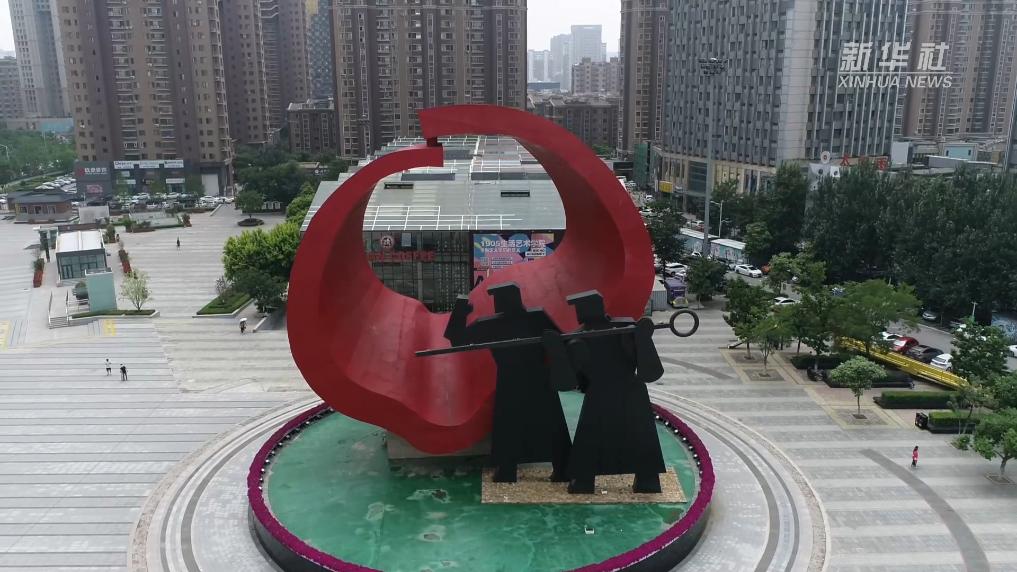
Group 1 - High-quality development is not a one-size-fits-all narrative but is rooted in local practices and future-oriented exploration across various regions in China [1] - Different regions are leveraging their unique resources for transformation, such as the cultural revival in Shenyang and the hydrogen energy initiatives in Shandong [1] Group 2 - The 1905 Cultural Creative Park in Shenyang represents a transformation from industrial heritage to a hub for cultural innovation, showcasing the city's cultural confidence and modern cultural construction [2] - Shandong Zibo is strategically positioning itself in the hydrogen energy sector, utilizing its strong industrial base and abundant hydrogen resources to build a comprehensive hydrogen industry chain [4][9] - Zibo produces approximately 483,000 tons of industrial by-product hydrogen annually, providing a stable hydrogen source for large-scale applications [6] Group 3 - In Shaanxi Qianyang, the apple industry is thriving, with an annual production of 30 million high-quality apple seedlings and a total industry output value exceeding 2.7 billion yuan, benefiting around 12,000 local farmers [11] - Qianyang's apple cultivation practices have achieved efficiency in resource use, including reduced water, fertilizer, land, and labor, while maintaining high yield and quality [12] Group 4 - In Yunnan Qujing, rural tourism is rapidly developing, with various leisure facilities enhancing the local economy and attracting visitors [14][16] - The integration of local natural advantages in Qujing is creating more opportunities for tourism, including weekend and half-day trips [16] Group 5 - In Fujian Jianyang, the "Red Beauty" citrus variety is experiencing a successful harvest, supported by the efforts of technology specialists, which is also encouraging local farmers to engage in diverse fruit cultivation [18][20]

2025能源转型大会绿色氢能高质量发展专题会:氢能产业迈向商业化应用阶段
Zhong Guo Hua Gong Bao· 2025-11-25 05:45
Group 1 - The hydrogen energy industry chain in China has initially formed and is transitioning from demonstration applications to commercialization [1] - Experts emphasize the need for technological innovation in hydrogen energy, particularly in developing new efficient power generation technologies like Solid Oxide Fuel Cells (SOFC) [1] - There are challenges in the hydrogen energy sector, including a lack of infrastructure, hydrogen supply shortages, and insufficient existing hydrogen equipment to support large-scale production [1][2] Group 2 - Hydrogen fuel cell vehicles are an active area within the hydrogen energy industry chain, with calls for the establishment of liquid hydrogen technology standards [2] - Beijing's hydrogen energy industry has made significant progress, completing the basic layout from source technology to industrial application trials, aiming for coordinated development across regions [2] - By 2027, Beijing plans to establish a comprehensive hydrogen energy industry standard system, enhancing the linkage between standards and technological innovation [2]
电解槽行业发出“反内卷”倡议
Zhong Guo Hua Gong Bao· 2025-11-25 05:36
Core Viewpoint - The Hydrogen Energy Promotion Association, in collaboration with 40 leading hydrogen energy companies, has released the "Initiative for Healthy Development of China's Electrolyzer Industry" to address issues such as disorderly competition and price dumping in the electrolyzer market [1][2]. Group 1: Initiative Details - The initiative outlines ten core actions aimed at promoting a healthy and orderly development of the electrolyzer industry, focusing on self-discipline and fair competition [1]. - Key proposals include avoiding unrealistic project planning, discouraging blind pessimism due to project cancellations, and preventing low-cost competition below production costs [2]. Group 2: Market Insights - The average cost of alkaline electrolyzer equipment with a capacity of 1000 standard cubic meters per hour is reported to be between 3 million to 3.5 million yuan per unit, excluding additional costs [2]. - There has been a significant decline in the average bidding price for alkaline electrolyzers, dropping nearly 21% from approximately 340 million yuan per unit in January to around 270 million yuan per unit by September [2]. Group 3: Future Actions - The Hydrogen Energy Promotion Association plans to implement the initiative through industry self-regulation and standard establishment, aiming to transition the industry from low-level competition to high-quality development [3].
雄韬股份:氢能源项目产品营收占比不高,有很大上升空间
Sou Hu Cai Jing· 2025-11-25 04:09
Core Viewpoint - The company acknowledges that its hydrogen energy project currently has low revenue contribution but sees significant growth potential in the future, especially with supportive government policies during the 14th Five-Year Plan period [1]. Company Summary - The company's hydrogen energy project revenue is currently low but has substantial room for growth [1]. - The company is actively communicating and collaborating with relevant parties to explore new development opportunities in the hydrogen energy sector [1]. - The implementation of favorable policies, such as free highway access for hydrogen vehicles in various provinces, is expected to benefit the company's hydrogen energy business [1]. Industry Summary - The hydrogen energy sector is anticipated to experience a growth surge due to strong national support for hydrogen energy policies during the 14th Five-Year Plan [1]. - The company believes that the hydrogen energy industry is entering a promising phase, with many enterprises poised for development [1].

活动回顾丨2025GI绿能先锋大会暨“绿能智创 驱动未来”第三届零碳技术专精特新创业大赛总决赛圆满成功!
势银能链· 2025-11-25 03:57
Core Insights - The 2025 GI Green Energy Pioneer Conference and the "Green Energy Intelligence Driving the Future" third Zero Carbon Technology Special New Entrepreneurship Competition finals successfully concluded in Shanghai, highlighting the importance of innovation and collaboration in the green energy sector [2][25]. Event Overview - The conference gathered top talents in technology innovation and entrepreneurship, igniting enthusiasm among participants and receiving strong support from influential investment institutions [2][25]. - The GI Green Energy Pioneer Laboratory was launched to focus on green energy technology innovation and ecosystem development, aiming to cultivate high-quality projects and enhance investment value [6][25]. Key Presentations - Zhou Xu Feng discussed the trends in ESG disclosure and sustainable strategies, emphasizing the shift from compliance to value creation among leading enterprises [10]. - Wang Yan focused on the commercialization of technology and the importance of team building, highlighting the need for a structured approach to technology transfer [13]. Roundtable Discussion - A roundtable forum addressed the integration of industry, capital, and society in building a zero-carbon ecosystem, with discussions on project selection and empowerment by capital [14][18]. - Participants shared insights on transforming physical spaces into green technology testing grounds and the importance of storytelling in promoting hard technology [19]. Strategic Collaborations - Shanghai Wujiaochang Innovation and Entrepreneurship Academy and Waterwood Yide Investment reached a strategic cooperation agreement to cultivate green economy talent and promote green technology innovation [21][23]. Competition Highlights - The third Zero Carbon Technology Special New Entrepreneurship Competition aimed to discover innovative projects with industrial potential, providing a platform for technology collision, capital connection, and industry integration [29][25]. - A total of 150 projects were recruited for the competition, with 12 top projects competing in the finals [32]. Award Results - The competition awarded one first prize, two second prizes, three third prizes, and six special awards, recognizing outstanding projects in the zero-carbon technology field [60][63][65]. Networking Opportunities - A closed-door meeting facilitated in-depth discussions between project teams and investment institutions, allowing for detailed exploration of key aspects such as technology advantages and market potential [71][75].

氢心同行,创赢未来!北京氢能创新中心成果发布会即将启幕
势银能链· 2025-11-25 03:57
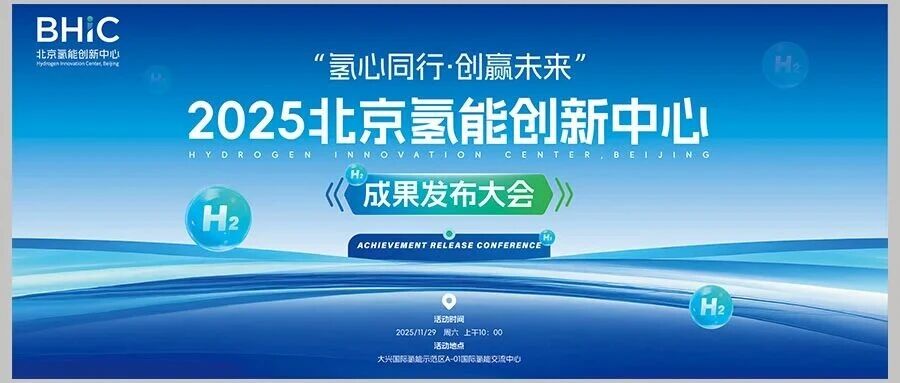
Core Viewpoint - Hydrogen energy is becoming a key force in promoting energy structure transformation and decarbonization in industrial and transportation sectors, as emphasized by the 20th National Congress of the Communist Party of China [2]. Group 1: Industry Development - The hydrogen energy industry in China is transitioning from theoretical exploration to practical implementation, but it still faces challenges such as key technology breakthroughs, insufficient industry chain collaboration, and limited application scenarios [2]. - The establishment of the Beijing Hydrogen Innovation Center is a crucial measure to align with the development trends of the hydrogen energy industry, serving as a core platform to connect research and market, and integrate industry chain resources [2][3]. Group 2: Key Initiatives and Goals - The year 2025 is identified as a critical window for the hydrogen energy industry explosion, with the Innovation Center planning to hold a conference on November 29 to promote technological and industrial innovation [2]. - The conference will feature highlights such as the release of innovative technology products, demonstration application results, and significant agreements, aimed at boosting confidence in the hydrogen energy industry [2][3]. Group 3: Strategic Focus Areas - The Innovation Center aims to tackle key technological bottlenecks in hydrogen production, storage, transportation, and utilization, concentrating efforts on overcoming technical barriers [3]. - It seeks to accelerate the transformation of scientific achievements into practical products and solutions, shortening the cycle from research and development to application [3]. - The Center will promote collaborative development across the industry chain, creating a closed-loop system that connects technology research, product implementation, and application scenarios to address issues of fragmentation and insufficient collaboration [3].
鲁企推出PowerMax超级氢电站,可离网供电、极速建站
Da Zhong Ri Bao· 2025-11-25 01:04
Core Viewpoint - The introduction of the PowerMax Super Hydrogen Station by Yantai Dongde Hydrogen Energy Technology Co., Ltd. aims to address the "charging anxiety" faced by electric vehicle owners in China, particularly in remote areas and during peak times in densely populated regions [2][4]. Group 1: Product Features - The PowerMax Super Hydrogen Station is a new type of charging station that integrates all functional modules into a single container, allowing for rapid construction in just four hours and plug-and-play operation [3]. - It utilizes a "hydrogen-electric coupling" approach, enabling both hydrogen refueling and electricity generation for electric vehicles, with a charging capacity of 8 kWh in one minute, equating to a range of 1 kilometer per second [3][4]. - The station can operate independently from the grid, eliminating the need for extensive infrastructure and reducing construction costs and approval processes [3][4]. Group 2: Industry Context - As of October 2023, China has over 18.645 million electric vehicle charging points, with only 4.533 million being public charging facilities, highlighting a significant gap in charging infrastructure, especially in remote areas [4]. - The rapid development of charging infrastructure has not fully resolved the structural issues of accessibility, particularly during peak travel times, necessitating innovative solutions like the PowerMax Super Hydrogen Station [4]. Group 3: Hydrogen Energy Applications - Hydrogen is recognized as a clean energy source with diverse applications, and the Chinese government is promoting its development as part of future economic growth strategies [5]. - Dongde Hydrogen Energy has been involved in various hydrogen applications, including a green hydrogen project at the Weifang Port and a hydrogen production project at a highway service area, showcasing the versatility of hydrogen energy [6]. Group 4: Cost and Economic Viability - The cost of hydrogen production is expected to decrease significantly, with projections indicating that green hydrogen could drop below 7 yuan per kilogram in the next five years, potentially reducing the charging cost at the PowerMax station to around 0.5 yuan per kWh [8]. - The integration of hydrogen production, storage, generation, and charging in the PowerMax Super Hydrogen Station presents a comprehensive solution to the challenges of energy independence and green energy utilization [8].
“穿”上“氢”装再出发
Zhong Guo Jing Ji Wang· 2025-11-25 00:52
Core Insights - The city of Daye is transitioning from a historical mining hub to a green energy center, focusing on hydrogen energy as a key component of its economic transformation [1][2]. Hydrogen Production and Infrastructure - The Jiangqiao hydrogen production plant has a design capacity of 3,200 standard cubic meters per hour, with an annual output of 1,500 tons of green hydrogen, sufficient to meet the hydrogen needs of 200 buses or 100 mining vehicles [2]. - The plant employs a dual process of alkaline electrolysis and PEM (Proton Exchange Membrane) electrolysis, reducing energy consumption by 15% and achieving zero alkaline liquid discharge and zero wastewater pollution [2][4]. - A new photovoltaic power station, built on a repurposed abandoned mine, has a total installed capacity of 20 megawatts, expected to generate 20 million kilowatt-hours annually, significantly lowering electricity costs for the hydrogen production facility [3]. Hydrogen Storage Innovations - The first underground hydrogen storage project in China is being developed in Daye, utilizing a cylindrical cavern capable of withstanding pressures of 10 MPa, which is three times the capacity of conventional high-pressure tanks [5]. - This project aims to address the challenges of hydrogen storage, particularly the issue of "hydrogen embrittlement," by using a newly developed high-strength hydrogen-resistant metal composite material [5][6]. Policy Support and Industry Development - Daye has introduced 16 supportive measures for the hydrogen industry, covering the entire hydrogen value chain from production to storage and usage, including financial incentives for companies producing over 500 tons of green hydrogen annually [8]. - The city plans to deploy 300 hydrogen vehicles by June next year, with current operations including 12 hydrogen buses and various commercial vehicles, consuming approximately 16 tons of green hydrogen monthly [7][8]. - The establishment of a hydrogen innovation technology park aims to attract upstream and downstream enterprises in the hydrogen industry, facilitating a comprehensive hydrogen management platform for efficient energy use and carbon reduction [8].
徐焕恩:厚植氢能产业,以科技创新赋能产业升级
中国能源报· 2025-11-24 10:51
Core Viewpoint - Hydrogen energy is a crucial direction for energy security and technological innovation, with the industry's maturity dependent on continuous demonstration applications, technology validation, cost optimization, and the exploration of marketable business paths to ensure value returns for all participants in the industry chain [1][12]. Group 1: Industry Development - The hydrogen energy industry is at a critical juncture for scaling up, with key issues such as cost control, scenario implementation, and standardization needing to be addressed to unlock market potential [2]. - The current market phase is transitioning from demonstration to commercialization, requiring hydrogen companies to balance operations and research while continuously optimizing costs and adhering to long-term strategies rather than short-term trends [5][12]. Group 2: Company Background and Expertise - Beijing Borken Energy Technology Co., Ltd. has a strong foundation in traditional gas energy business, having supplied over 200,000 natural gas systems globally, which supports its expansion into hydrogen energy [5]. - The company has been involved in hydrogen energy research since 2003, focusing on key nodes in the hydrogen production, storage, transportation, and application chain [5]. Group 3: Technological Innovations - Borken Energy has made significant advancements in hydrogen infrastructure, fuel cell components, and hydrogen supply systems, with notable projects including the provision of hydrogen fuel cell buses for the 2008 Beijing Olympics and the development of hydrogen supply systems for nearly 500 vehicles for SAIC Group in 2019 [7][8]. - The company has developed critical technologies for hydrogen refueling systems, enhancing efficiency and safety, which have been applied in various national hydrogen demonstration projects [9]. Group 4: Market Expansion and Collaboration - Borken Energy is actively expanding its market presence through international collaborations, such as with PDC Machines Inc. for hydrogen compressor systems, aligning with national policies to promote the export of new energy technologies [11]. - The company plans to continue its focus on technological innovation, product upgrades, and exploring new business models while promoting cost reduction and efficiency improvements in hydrogen equipment [11].