
氢能公交车

Search documents
佛山逾十亿投建氢能公交,部分车辆跑够补贴里程就闲置?
第一财经· 2026-01-28 05:02
Core Viewpoint - The article highlights the challenges faced by hydrogen-powered buses in Foshan, Guangdong, where many are currently out of operation due to high hydrogen prices and insufficient subsidies, despite significant investments in the hydrogen energy sector [4][6][20]. Group 1: Current Status of Hydrogen Buses - Over 20 hydrogen buses are currently parked and not in operation in Nanhai District, Foshan, due to high operational costs [3][4]. - Foshan has invested over 1 billion yuan in nearly 1,000 hydrogen buses since 2018, making it a leader in hydrogen bus deployment in China [4][5]. - The operational costs of hydrogen buses remain higher than those of conventional electric buses, even with government subsidies [6][12]. Group 2: Government Support and Planning - Foshan's hydrogen energy development plan aims for a cumulative output value of 200 billion yuan by 2020, 500 billion yuan by 2025, and 1 trillion yuan by 2030 [9]. - The local government provides substantial subsidies for hydrogen bus purchases, covering up to 60% of the vehicle's price [10][11]. - The average purchase price of hydrogen buses is around 1.8 million yuan, with subsidies amounting to nearly 800,000 yuan per vehicle [11]. Group 3: Operational Challenges - The high cost of hydrogen, approximately 50 yuan per kilogram, significantly increases the operational expenses of hydrogen buses [15]. - Daily hydrogen costs for buses can exceed 400 yuan, making them economically unviable compared to traditional fuel options [15][16]. - Only about half of the hydrogen buses in Nanhai are currently operational, with the rest being rotated out due to high costs [16][17]. Group 4: Industry Insights and Future Directions - The article notes that while many cities have initiated hydrogen bus projects, few have achieved significant scale, with Foshan being a notable exception [19]. - The decline in public transport ridership post-COVID-19 has led to a reevaluation of the operational viability of hydrogen buses [20]. - Experts suggest that continued government investment is crucial for the hydrogen industry to thrive, emphasizing the need for a strategic approach to traditional industry upgrades alongside hydrogen development [21].

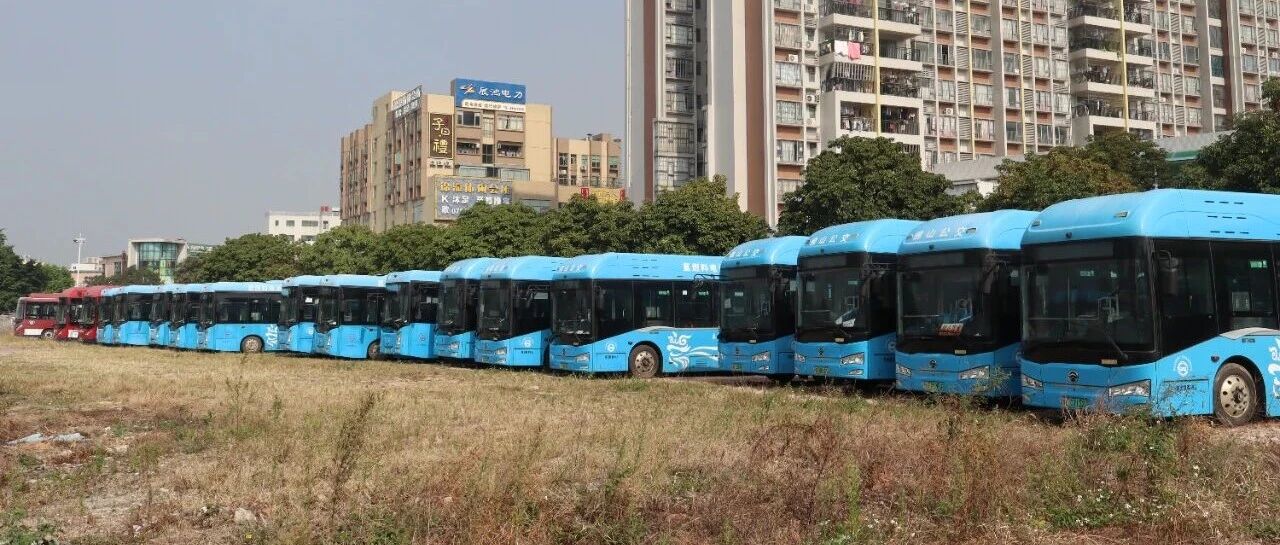
佛山逾十亿投建氢能公交 部分车辆跑够补贴里程就闲置?
Di Yi Cai Jing· 2026-01-28 04:50
Core Viewpoint - The hydrogen energy buses in Foshan, Guangdong, are facing operational challenges due to high hydrogen prices, leading to many vehicles being temporarily out of service despite being functional [1][2][8]. Group 1: Current Situation of Hydrogen Buses - Over 20 hydrogen energy buses are currently parked at the Nanzhao Bus Station in Foshan, with notices indicating they cannot operate due to high hydrogen costs [1]. - Foshan has invested over 1 billion yuan in nearly 1,000 hydrogen energy buses since 2018, making it a leader in the number of hydrogen buses in China [1][4]. - The operational costs of hydrogen buses remain higher than those of conventional electric buses, even with government subsidies [2][7]. Group 2: Government Support and Planning - Foshan's hydrogen energy industry development plan aims for a cumulative output value of 200 billion yuan by 2020, 500 billion yuan by 2025, and 1 trillion yuan by 2030 [4][5]. - The city has provided substantial financial support for the purchase of hydrogen buses, with subsidies covering up to 60% of the vehicle price [5][6]. - The average price of a hydrogen bus is around 1.8 million yuan, with government subsidies amounting to nearly 800,000 yuan per vehicle [6]. Group 3: Operational Challenges - The high cost of hydrogen, approximately 50 yuan per kilogram, significantly increases operational expenses for hydrogen buses, making them less viable compared to traditional fuel vehicles [9][10]. - Many hydrogen buses have been parked since 2024 and 2025, despite not reaching their retirement age of 8 years [8][9]. - Only about half of the hydrogen buses in operation are currently being used, with the rest being rotated out due to high operational costs [10][11]. Group 4: Industry Insights - The rapid decline in public transport demand post-2020 has led to a reduction in the operational viability of hydrogen buses [12][13]. - Foshan's hydrogen energy industry has attracted significant investment, with over 160 companies in the "Xianhu Hydrogen Valley" area, totaling over 60 billion yuan in investment [13]. - Experts suggest that the government needs to play a more active role in supporting the hydrogen industry to ensure its sustainable development [13].
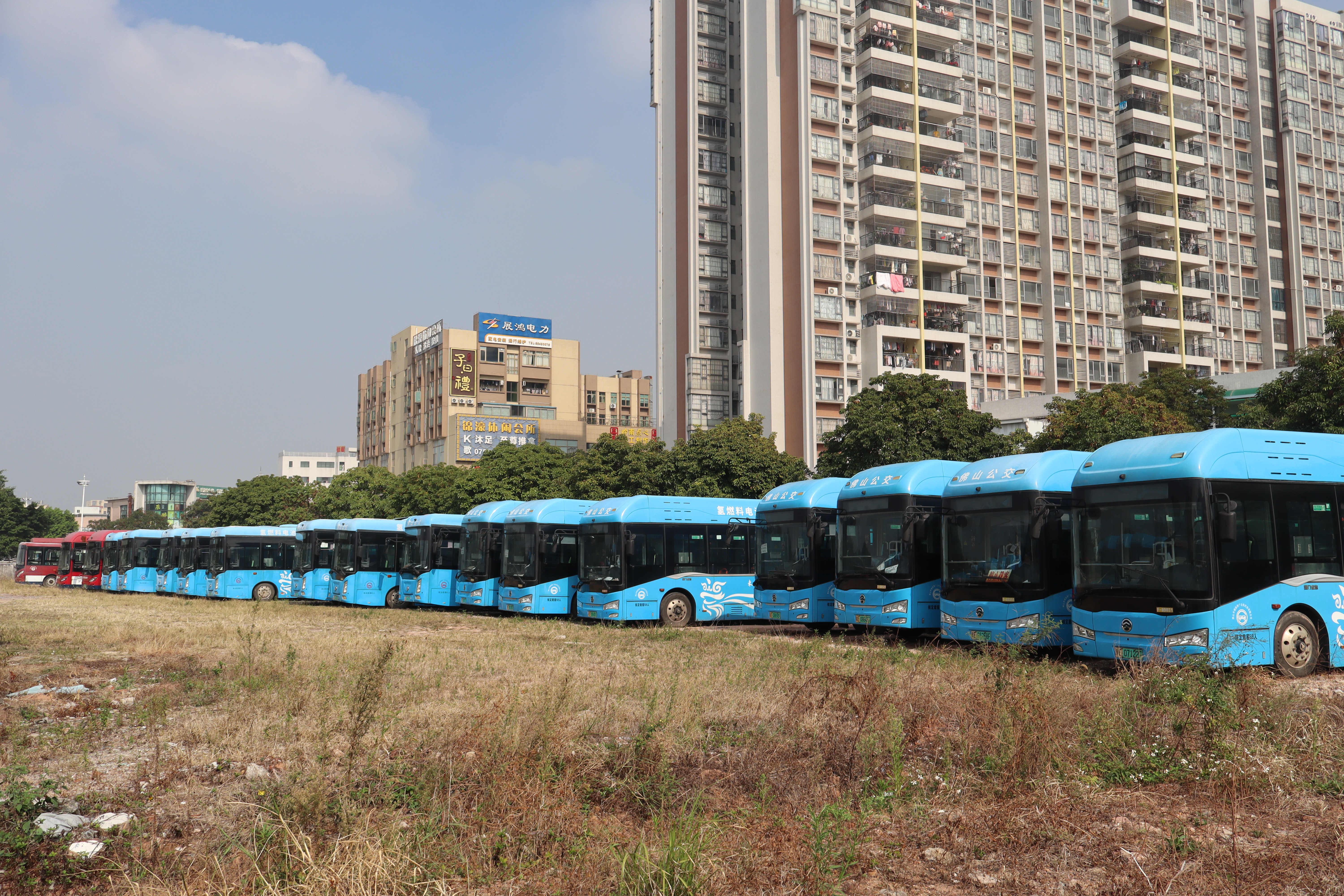
佛山逾十亿投建氢能公交,部分车辆跑够补贴里程就闲置?
Di Yi Cai Jing· 2026-01-28 04:30
Core Viewpoint - The operation of hydrogen buses in Foshan is facing significant challenges due to declining demand, local financial pressures, and high operational costs, leading to temporary suspensions of many vehicles [1][3][16] Group 1: Current Situation of Hydrogen Buses - Over 20 hydrogen buses are currently parked and not in operation in Nanhai District, Foshan, due to high hydrogen prices making operations unprofitable [1][3] - Foshan has a high procurement volume of hydrogen buses, with nearly 1,000 units put into operation since 2018, totaling over 1 billion yuan in costs [2][3] - The procurement and operational costs of hydrogen buses are significantly higher than those of conventional electric buses, even after accounting for subsidies [3][12] Group 2: Financial and Operational Challenges - The combination of shrinking bus demand, local fiscal pressure leading to insufficient subsidies, and high hydrogen prices are the underlying issues causing the suspension of hydrogen buses in Foshan [3][16] - The average price of a hydrogen bus in Foshan is around 1.8 million yuan, with total subsidies amounting to nearly 800,000 yuan per vehicle, resulting in a total subsidy of approximately 800 million yuan for the planned 1,000 buses [10][12] - Daily hydrogen costs for buses can exceed 400 yuan, making operations financially challenging [14][15] Group 3: Government Support and Industry Development - Foshan's government has implemented a development plan for the hydrogen energy industry, aiming for significant growth in related industries by 2030, with a target cumulative output value of 100 billion yuan [7] - The local government has provided substantial financial support for the purchase and operation of hydrogen buses, including subsidies for hydrogen refueling [8][9] - Despite the initial push for hydrogen buses, the ongoing financial burden from subsidies and operational costs has led to a reevaluation of the viability of hydrogen buses in the public transport sector [16][18] Group 4: Future Implications and Industry Insights - The hydrogen energy industry in Foshan has attracted significant investment, with over 160 companies in the sector and total investments exceeding 60 billion yuan [17] - Experts suggest that the current challenges in the hydrogen industry highlight the need for continued government support and strategic planning to ensure sustainable development [18] - The transition to hydrogen energy is seen as a necessary step for industrial transformation, but it requires careful management of financial resources and market dynamics to achieve long-term success [18]
从电影到现实只差一个攀枝花
Xin Lang Cai Jing· 2026-01-27 17:52
Core Viewpoint - The hydrogen energy sector is projected to become a trillion-yuan industry, contributing 10% to China's terminal energy demand by 2050, with an estimated total output value exceeding 10 trillion yuan [4]. Group 1: Industry Development - The Sichuan Provincial Economic and Information Technology Department has identified 25 key industrial tracks, including green hydrogen energy, with Panzhihua's hydrogen equipment industry being selected as a focus area [4]. - Panzhihua aims to establish itself as a "hydrogen energy industry demonstration city," seeking to capture a share of the burgeoning trillion-yuan market [4]. - The hydrogen energy demonstration project in Panzhihua, which includes hydrogen production, storage, transportation, and usage, officially commenced operations in November 2022 [6]. Group 2: Economic Viability - A hydrogen bus consumes approximately 15 kg of hydrogen daily, costing around 375 yuan, while a diesel bus incurs a cost of about 720 yuan for 90 liters of fuel, highlighting the cost-effectiveness of hydrogen [7]. - Current production costs for mainstream hydrogen production methods in China are approximately 25 yuan per kg for alkaline water electrolysis and 35 yuan per kg for direct current water electrolysis, indicating economic challenges for large-scale green hydrogen development [7]. - A new hydrogen production project in Panzhihua is expected to reduce production costs from 22 yuan to 16 yuan per kg, with an annual production capacity of 12,000 tons of green hydrogen [7]. Group 3: Technological Advancements - The hydrogen produced in Panzhihua has a purity of 99.8%, and the oxygen produced has a purity of 98.6%, showcasing the effectiveness of the solar-driven hydrogen production process [8]. - The liquid hydrogen refueling station in Panzhihua can store 100 kg of liquid hydrogen, enabling heavy-duty vehicles to achieve a driving range of 1,000 kilometers [8]. Group 4: Market Opportunities - Panzhihua is promoting 18 projects related to the hydrogen energy industry, with a total investment exceeding 10 billion yuan, focusing on the entire hydrogen energy supply chain [9]. - The city has a significant market potential for hydrogen transportation, with over 10,000 heavy-duty trucks currently in operation, indicating room for growth in hydrogen applications [9]. Group 5: Strategic Location - Panzhihua benefits from abundant clean energy resources, including hydro, solar, and wind energy, which provide a solid foundation for large-scale, low-cost green hydrogen production [12]. - The city has a theoretical hydrogen production capacity of 63,000 tons per year from industrial by-products, with a low purification cost of 15 yuan per kg [12]. Group 6: Policy Support - In 2022, Panzhihua initiated a series of supportive policies to promote the hydrogen energy industry, aiming to achieve an output value of over 10 billion yuan [12][13]. - The establishment of the Panzhihua Hydrogen Energy Industrial Park is set to integrate hydrogen fuel cell production, hydrogen vehicle manufacturing, and hydrogen production equipment, further solidifying the city's position in the hydrogen sector [12].

2026北京两会|大兴:首都南翼 不止一种想象
Bei Jing Shang Bao· 2026-01-27 10:04
Core Viewpoint - The article discusses the development strategies and industrial layout of Daxing District in Beijing, focusing on the "6+5+3" industrial structure and the integration of various sectors to enhance economic growth and sustainability by 2025 [3][4][10]. Group 1: Industrial Development - Daxing District aims to strengthen its "industry-first, project-oriented" approach, with a focus on the "6+5+3" industrial layout, which includes six leading industries, five emerging sectors, and three strategic areas [3][4]. - The Daxing International Airport has achieved a cumulative passenger throughput of 188 million since its operation, with an annual cargo throughput growth rate of 43.2% [6][10]. - The Daxing Airport Economic Zone is positioned as a core area for the air economy, which is prioritized among the six main industries in Daxing [4][5]. Group 2: Hydrogen Energy Initiatives - Daxing is recognized as a leading area for hydrogen energy in Beijing, having established the world's largest international hydrogen energy demonstration zone [9]. - The district is working on the construction of a hydrogen pipeline connecting Beijing and Ulanqab, promoting the development of hydrogen energy applications in industrial sectors [9][10]. - Suggestions for advancing the hydrogen industry include leveraging by-product hydrogen from coal chemical and steel industries, and utilizing renewable energy for large-scale hydrogen production [9][10]. Group 3: Tourism and Cultural Development - Daxing is developing a 22 square kilometer international tourism resort centered around the Beijing Wildlife Park, aiming to enhance its cultural and tourism appeal [12][13]. - The district plans to integrate various tourism elements, including theme parks and immersive commercial complexes, to create a sustainable tourism ecosystem [12][14]. - The synergy between tourism, air economy, and hydrogen energy is emphasized, with initiatives like duty-free shopping linked to airport commerce and green scenic areas utilizing hydrogen-powered transport [14].
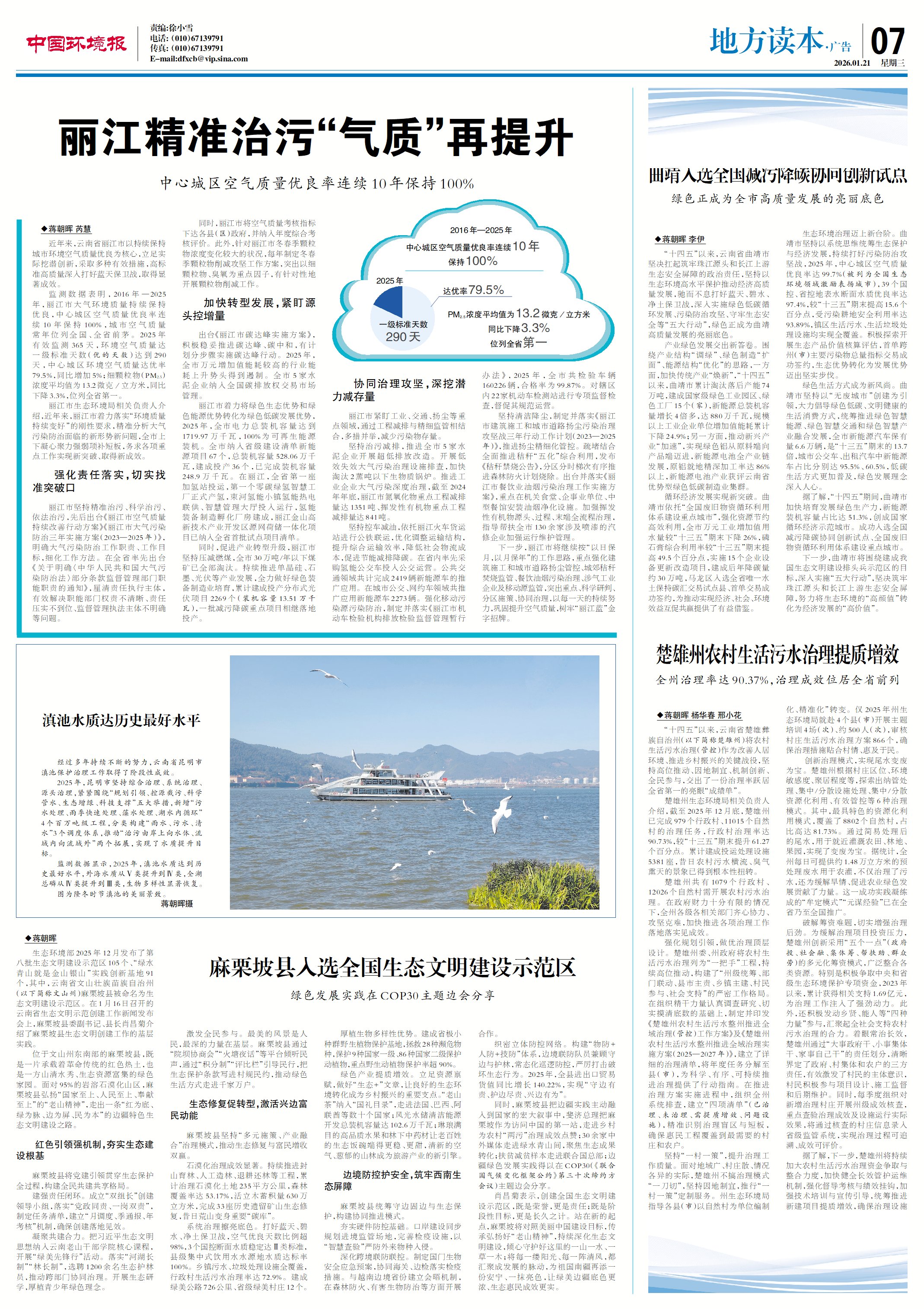
丽江精准治污“气质”再提升
Zhong Guo Huan Jing Bao· 2026-01-21 01:25
Core Viewpoint - Lijiang City has maintained a 100% air quality good rate in its central urban area for ten consecutive years, demonstrating significant achievements in air pollution control and environmental protection efforts from 2016 to 2025 [1][20]. Group 1: Air Quality Improvement - From 2016 to 2025, Lijiang's air quality has consistently remained excellent, with the central urban area's air quality good rate at 100% for ten years [1][20]. - By 2025, the number of days meeting the first-level air quality standard is expected to reach 290 days, with a year-on-year increase of 5% in the good rate [1][20]. - The average concentration of PM2.5 is projected to be 13.2 micrograms per cubic meter, a decrease of 3.3% year-on-year, ranking first in the province [1][20]. Group 2: Policy and Responsibility - Lijiang has implemented the "Air Quality Continuous Improvement Action Plan" and the "Three-Year Implementation Plan for Air Pollution Prevention and Control (2023-2025)" to clarify responsibilities and objectives in air pollution control [2][16]. - The city has established a clear responsibility framework for environmental management, addressing issues of unclear responsibilities and inadequate enforcement [2][16]. - Air quality assessment indicators have been assigned to county governments and included in annual comprehensive evaluations [3][16]. Group 3: Industrial and Energy Transition - Lijiang has introduced the "Carbon Peak Implementation Plan" to promote carbon neutrality and control energy consumption in high-energy industries by 2025 [4][17]. - The total installed capacity of renewable energy is expected to reach 1,719.97 million kilowatts by 2025, with 100% from renewable sources [4][17]. - The city has initiated various projects, including the first hydrogen station and zero-carbon hydrogen production facility, to enhance green energy development [4][17]. Group 4: Pollution Reduction Measures - Lijiang focuses on reducing pollution from key sectors such as industry, transportation, and dust, employing engineering and regulatory measures [6][18]. - The city has implemented ultra-low emission transformations for five cement enterprises and is working on deep pollution control in industrial sectors [6][18]. - A total of 2,419 new energy vehicles have been promoted in public transport, with a 99.87% compliance rate in vehicle emissions testing [6][18]. Group 5: Ongoing Initiatives - Lijiang has developed a three-year action plan for dust pollution control in construction and urban roads, emphasizing meticulous management [19]. - The city is committed to continuous improvement in air quality through targeted measures in construction, agricultural burning, and industrial emissions [19]. - Future efforts will focus on maintaining air quality improvements and solidifying Lijiang's reputation for clean air [19].
攀枝花发布氢能“三份清单” 拟采购700辆氢能公交车
Xin Lang Cai Jing· 2025-12-22 23:03
Group 1 - The core message of the conference is the promotion of the hydrogen energy industry in Panzhihua, highlighting its potential for investment and development [1] - Panzhihua has significant renewable resources for low-cost green hydrogen production and a large demand for hydrogen in transportation and industrial sectors [1] - The local government has established a 3 billion yuan green low-carbon industry fund and a 20 million yuan special fund for hydrogen industry development to support enterprises [1] Group 2 - The newly released industrial policy list focuses on reducing hydrogen costs, expanding application promotion, equipment manufacturing, and technological innovation [1] - A notable announcement during the conference was the commitment to procure 700 hydrogen-powered buses, indicating strong governmental support for hydrogen energy initiatives [1]
中国旭阳集团氢能业务:全链闭环释放系统竞争优势
Zhi Tong Cai Jing· 2025-12-22 09:21
Core Viewpoint - The company, China Xuyang Group, is making significant advancements in its hydrogen energy business, leveraging a comprehensive approach across the entire hydrogen value chain, which is expected to solidify its leading position in the industry by 2025 with a projected 15%-20% increase in hydrogen sales volume compared to 2024 [1] Group 1: Business Operations - The company has established itself as the second-largest high-purity hydrogen production and supply base in China, focusing on the integration of production, storage, transportation, refueling, and research [2] - It has built four high-purity hydrogen production bases with a total capacity of 34 tons per day, utilizing by-product hydrogen from coking processes to meet the hydrogen demand in North China [2] - The company is developing a comprehensive storage and transportation network for both gaseous and liquid hydrogen, with a transportation capacity of 5.3 tons per day and a liquid hydrogen demonstration project nearing completion [2] Group 2: Application and Market Integration - The company has successfully launched hydrogen heavy-duty truck freight routes in key areas and has partnered with strategic allies to deploy hydrogen buses and sanitation vehicles, promoting a virtuous cycle of production and application [2][4] - The hydrogen energy business aligns with national energy strategies, contributing to the development of integrated bases for wind, solar, hydrogen, and ammonia [5] Group 3: Research and Development - The company has established a hydrogen energy research institute to address key challenges in core material production and the high costs of renewable hydrogen production, enhancing the competitiveness of its entire hydrogen value chain [3] - It is actively involved in drafting national hydrogen energy standards, contributing practical experience and recommendations to promote healthy industry development [3] Group 4: Environmental Impact and Sustainability - The company's hydrogen energy practices provide a replicable solution for industrial green transformation in the Beijing-Tianjin-Hebei region, establishing it as a benchmark for low-carbon industrial development [4] - The company aims to create a comprehensive hydrogen energy ecosystem that enhances its competitive edge and supports the transition to a low-carbon economy [8]
“穿”上“氢”装再出发
Zhong Guo Jing Ji Wang· 2025-11-25 00:52
Core Insights - The city of Daye is transitioning from a historical mining hub to a green energy center, focusing on hydrogen energy as a key component of its economic transformation [1][2]. Hydrogen Production and Infrastructure - The Jiangqiao hydrogen production plant has a design capacity of 3,200 standard cubic meters per hour, with an annual output of 1,500 tons of green hydrogen, sufficient to meet the hydrogen needs of 200 buses or 100 mining vehicles [2]. - The plant employs a dual process of alkaline electrolysis and PEM (Proton Exchange Membrane) electrolysis, reducing energy consumption by 15% and achieving zero alkaline liquid discharge and zero wastewater pollution [2][4]. - A new photovoltaic power station, built on a repurposed abandoned mine, has a total installed capacity of 20 megawatts, expected to generate 20 million kilowatt-hours annually, significantly lowering electricity costs for the hydrogen production facility [3]. Hydrogen Storage Innovations - The first underground hydrogen storage project in China is being developed in Daye, utilizing a cylindrical cavern capable of withstanding pressures of 10 MPa, which is three times the capacity of conventional high-pressure tanks [5]. - This project aims to address the challenges of hydrogen storage, particularly the issue of "hydrogen embrittlement," by using a newly developed high-strength hydrogen-resistant metal composite material [5][6]. Policy Support and Industry Development - Daye has introduced 16 supportive measures for the hydrogen industry, covering the entire hydrogen value chain from production to storage and usage, including financial incentives for companies producing over 500 tons of green hydrogen annually [8]. - The city plans to deploy 300 hydrogen vehicles by June next year, with current operations including 12 hydrogen buses and various commercial vehicles, consuming approximately 16 tons of green hydrogen monthly [7][8]. - The establishment of a hydrogen innovation technology park aims to attract upstream and downstream enterprises in the hydrogen industry, facilitating a comprehensive hydrogen management platform for efficient energy use and carbon reduction [8].
【渭南】“研值”加速变“产值”
Shan Xi Ri Bao· 2025-11-18 23:04
Core Insights - Shaanxi Beiren Printing Machinery Co., Ltd. has successfully developed key new products during the 14th Five-Year Plan period, including the Zhirui series 4.0 gravure printing machine and dry composite machine, achieving sales of over 680 units and nearly 1.35 billion yuan in revenue [1] - The city of Weinan is focusing on technological innovation as a core engine to enhance traditional industries and promote the growth of emerging industries, with high-tech manufacturing investment expected to grow by 58.8% in 2024 [1][2] - The hydrogen energy sector is expanding rapidly in Weinan, with the establishment of a hydrogen refueling station and the launch of hydrogen fuel cell buses, contributing to a significant reduction in carbon emissions [2] Industry Developments - Weinan's printing and packaging industry has formed an industrial cluster of 44 key enterprises, with Shaanxi Beiren leading and capturing over 70% of the domestic market share for high-end printing equipment [1] - The city is also advancing in the hydrogen energy sector, with projects like the Xi'an-Weinan-Hancheng intercity hydrogen energy corridor and partnerships to integrate renewable energy resources for green hydrogen production [2] - The total R&D expenditure in Weinan is projected to exceed 3 billion yuan in 2024, marking a year-on-year increase of 50.27%, with R&D intensity reaching a historical high of 1.4% [2] Technological Innovations - Shaanxi Coal Qicheng Technology Co., Ltd. has developed key technologies for intelligent rapid excavation in large cross-section coal tunnels, significantly improving operational safety and efficiency [3] - Companies like Datang Fuping Thermal Power Co., Ltd. are integrating industrial internet and AI to create smart monitoring systems, enhancing operational efficiency [3] - New policies in Weinan are aimed at fostering innovation, including support for key industry chain projects and initiatives to attract high-level talent [4]