核能

Search documents
中国“人造太阳”,大消息!
中国基金报· 2025-07-22 09:57
【导读】中核集团、中国核电、浙能电力等共同向聚变公司投资约114.92亿元 中国基金报记者 卢鸰 中国的"人造太阳"公司又有大消息。 据中国核电、浙能电力7月22日公告,中核集团、中国核电、浙能电力等共同向中国聚变能源有限公司投资约114.92亿元。 此前,受相关消息刺激,核聚变概念股常辅股份、国光电气、中洲特材等震荡上涨。 115亿元增资聚变公司 中国核电、浙能电力7月22日下午公告,中国核工业集团有限公司(以下简称中核集团)、中国核电、浙能电力、中国石油集团昆仑资本有 限公司、上海未来聚变能源科技有限公司、国家绿色发展基金股份有限公司 及 四川重科聚变能源科技有限公司,以1.0019元/注册资本的 价格,共同向中国聚变能源有限公司(以下简称聚变公司)投资约114.92亿元,认购聚变公司新增注册资本114.69亿元。 其中,中国核电投资金额为10亿元,持有聚变公司6.65%股权;浙能电力出资约7.51亿元,持有聚变公司5%股权。 本次增资完成后,聚变公司的注册资本为150亿元,股东持股比例如下: 浙能电力为持有中国核电重要控股子公司10%以上股权的其他股东,持有秦山核电有限公司28%股权、核电秦山联营有限公 ...



浙能电力:拟投资7.51亿元参股中国聚变能源有限公司
news flash· 2025-07-22 07:39
浙能电力(600023)公告,公司与中国核工业集团有限公司、中国核电(601985)、中国石油集团昆仑 资本有限公司、上海未来聚变能源科技有限公司、国家绿色发展基金股份有限公司、四川重科聚变能源 科技有限公司以1元/注册资本的价格共同向中国聚变能源有限公司投资约114.92亿元,认购聚变公司新 增注册资本114.69亿元,其中公司出资约7.51亿元持有聚变公司5%股权。本次交易构成关联交易,但不 构成《上市公司重大资产重组管理办法》规定的重大资产重组。 ...
港股央企红利50ETF(520990)涨超2%,冲击三连阳!央企订单环比回暖
Jin Rong Jie· 2025-07-22 06:54
Group 1 - The overall performance of the Hong Kong stock market showed a "V" shape trend, with significant gains in high-speed rail, infrastructure, and hydropower concept stocks [1] - The Hong Kong Central State-Owned Enterprises Dividend ETF (520990) experienced a rise of over 2% in the afternoon session, closing up 1.80%, marking a potential three-day winning streak [1] - Major stocks such as China Communications Construction surged over 8%, while China Railway Construction and China CRRC increased by over 6%, and other companies like China National Offshore Oil and COSCO Shipping also saw gains of over 5% [1] Group 2 - According to Wind data, the Hong Kong Central State-Owned Enterprises Dividend ETF (520990) has seen net inflows for three consecutive trading days, accumulating over 400 million yuan in net inflows for the month [1] - Tianfeng Securities noted a recovery trend in the second-quarter orders of central state-owned enterprises, with China Railway's Q2 order growth rate at 20.08% year-on-year and China Nuclear Engineering's H1 order growth at 13.72% [1] - The positive order and funding indicators suggest an optimistic outlook for the acceleration of physical work volume in the near future [1]
日本东芝集团退市!曾经的世界第一,百年巨头被自己作死了
Sou Hu Cai Jing· 2025-07-20 03:47
Core Viewpoint - Toshiba, a multinational corporation with a 130-year history, announced its decision to delist from the Tokyo Stock Exchange, marking a significant decline for a company that once thrived in the Chinese market and was a symbol of technological innovation [1][27]. Group 1: Historical Context - Toshiba was once a leader in various sectors, including home appliances and computing, and was known for creating the world's first laptop and transistor television [1]. - The company faced a major scandal in 1987 involving illegal transactions with the Soviet Union, which severely damaged its reputation and market position [2][7]. Group 2: Financial Performance - Toshiba's revenue has seen a significant decline over the years, from $53 billion in 1996 to $28.8 billion in 2021, reflecting a downward trend in its business performance [9]. - Despite facing external pressures, Toshiba managed to maintain a strong presence in the semiconductor market, particularly in flash memory, which was considered its most competitive segment by 2018 [22]. Group 3: Key Events and Challenges - The Fukushima nuclear disaster in 2011, where Toshiba was a key supplier of nuclear equipment, led to a loss of reputation and a significant reduction in nuclear power orders, contributing to its long-term decline [12][13]. - Financial scandals, including accounting fraud in 2015, further exacerbated Toshiba's struggles, leading to severe financial losses and a tarnished image [15][18]. Group 4: Strategic Decisions - Toshiba attempted to recover by acquiring Westinghouse Electric in a bid to enter the U.S. nuclear market, but this decision ultimately led to further financial troubles, resulting in the sale of the subsidiary [21]. - The company has been selling off assets, including its medical and home appliance divisions, in an effort to stabilize its finances, but these measures have not reversed its downward trajectory [17][24]. Group 5: Conclusion - The decision to delist from the Tokyo Stock Exchange signifies the culmination of Toshiba's decline, attributed to both external market conditions and internal mismanagement [27][29]. - The company's failure to adapt to changing market dynamics and maintain ethical standards has led to its downfall, serving as a cautionary tale for other corporations [29].

国际原子能机构:国际原子能机构团队报告称,在扎波罗热核电站附近安全距离处看到由森林火灾引起的烟雾,目前没有对核安全构成威胁。
news flash· 2025-07-19 12:44
国际原子能机构:国际原子能机构团队报告称,在扎波罗热核电站附近安全距离处看到由森林火灾引起 的烟雾,目前没有对核安全构成威胁。 ...
天佑中华!中国发现了足够用六万年的超大稀土矿,特朗普馋哭了
Sou Hu Cai Jing· 2025-07-18 12:13
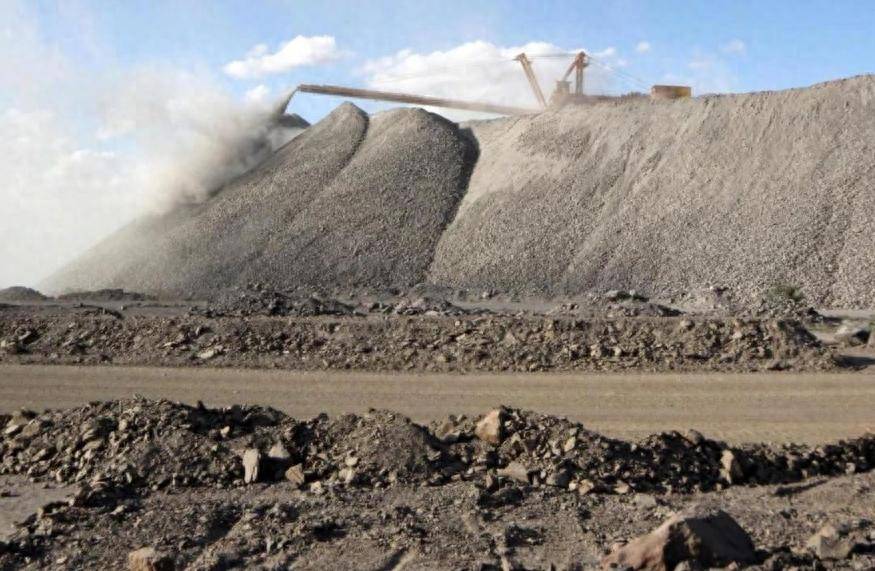
2025年7月,特朗普政府与乌克兰围绕军援资金发生激烈争执之际,中国却迎来了一个令全球瞩目的重大发现——位于内蒙古白云鄂博矿区的百万吨级钍矿 储量被确认。这一矿藏的发现,令中国的钍资源总量迅速跃升至世界第一,足以支撑国家现有能源需求长达6万年,简直为中国的能源安全筑起了一道"超长 保障"。与此同时,美国政坛却因泽连斯基拒绝签署矿产协议而愤怒不已,特朗普原本打算通过掠夺乌克兰的稀土资源来与中国的稀土技术优势对抗的计 划,最终因中国新发现的钍矿完全落空——毕竟,中国这一新矿藏的零头就已超过乌克兰稀土储量的20倍。 目前,国内在甘肃、新疆等荒漠地区规划了12座钍基熔盐堆电站。这些电站将反应堆群部署在开阔的沙漠区域,不仅无需水源冷却,而且单座60兆瓦的反应 堆即可满足三个地级市的用电需求。能源转化后,将通过特高压电网输送至东部地区。根据国家能源局的测算,每吨钍发电的经济效益比直接运输矿石要高 出23倍。新疆"沙戈荒"基地的首批机组已在今年6月顺利投产,这一项目展示了"戈壁发电,电力共享全国"的全新模式。 白云鄂博的钍矿不仅是对中国能源格局的一次重要补充,更为国家的能源安全提供了强有力的保障。目前,中国的原油对外依存度 ...
印尼经济部:印尼与美国达成协议,承诺遵守关于核材料出口和进口的国际标准。
news flash· 2025-07-18 09:59
Group 1 - The core point of the article is that Indonesia and the United States have reached an agreement to comply with international standards regarding the export and import of nuclear materials [1]
Cameco's 80% 3-Month Gain May Be Just the Start
MarketBeat· 2025-07-17 12:24
Group 1: Company Overview - Cameco's stock has increased over 80% in the last three months, reflecting strong market confidence, with a current price of $76.19 and a price target of $80.65 from analysts [1][8] - The company has a P/E ratio of 190.49, indicating high market expectations for future growth [1][13] Group 2: Market Trends - There is a global resurgence in nuclear power driven by the need for clean energy sources, energy security, and increased electricity demand from AI technologies [3][4][5] - The underinvestment in uranium supply has created a structural market deficit, suggesting a favorable pricing environment for uranium producers like Cameco [5][6] Group 3: Financial Strength - Cameco has a low debt-to-equity ratio of 0.15, indicating a strong balance sheet and financial discipline [12] - The company operates some of the world's largest and highest-grade uranium mines, targeting production of 18 million pounds from key operations in 2025 [12] Group 4: Strategic Advantages - Cameco's 49% stake in Westinghouse Electric Company enhances its growth potential, transitioning it from a pure-play miner to a vertically integrated nuclear energy leader [8][9] - Westinghouse is projected to grow its adjusted EBITDA by 6% to 10% annually over the next five years, contributing significantly to Cameco's profitability [10] Group 5: Investment Case - The investment case for Cameco is supported by a favorable macro environment, a de-risked core business, and transformative growth through Westinghouse [16] - Analysts expect substantial earnings growth, as indicated by a forward P/E ratio of 58.91, reflecting the company's unique market position [14][15]

韩国总统办公室:韩国总统李在明与土耳其总统埃尔多安就推进国防与军工产业、核能以及绿色能源合作达成一致。
news flash· 2025-07-17 10:36
韩国总统办公室:韩国总统李在明与土耳其总统埃尔多安就推进国防与军工产业、核能以及绿色能源合 作达成一致。 ...
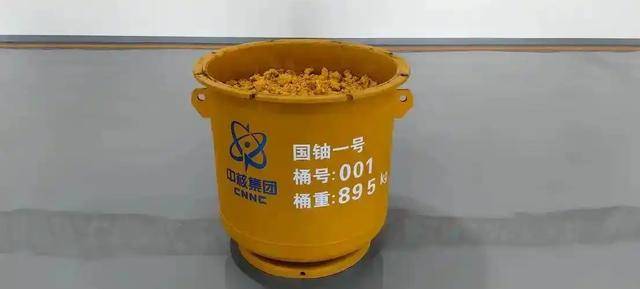
关键矿产竞赛已响枪,“国铀一号”炼成,中国铀盾锁死能源命脉
Sou Hu Cai Jing· 2025-07-16 14:46
Core Viewpoint - The successful production of the first batch of yellowcake uranium concentrate by China National Nuclear Corporation (CNNC) marks a significant milestone in China's nuclear industry, breaking the bottleneck in uranium mining and increasing the domestic uranium self-sufficiency rate to over 70% [1][18]. Industry Overview - Uranium is the core fuel for nuclear power generation, directly impacting national energy security and strategic defense capabilities [4]. - The global distribution of uranium resources is uneven, with Australia, Kazakhstan, Canada, and Russia holding over 60% of the world's uranium reserves [6]. - China has been identified as one of the largest uranium resource reserve countries, with its discovered uranium resources accounting for 3% of the global total [6]. Current Challenges - Despite having significant uranium reserves, China has been heavily reliant on imports, with over 83% of its uranium needs met through foreign sources by 2018 [7]. - The global demand for uranium is projected to increase from 60,000 tons in 2021 to 110,000 tons by 2040, while production levels have remained stagnant [8]. Technological Advancements - The CNNC's "Guo Uranium No. 1" demonstration project utilizes innovative in-situ leaching technology, which allows for efficient extraction of uranium from previously deemed unviable deposits [11][12]. - The new technology has improved uranium extraction efficiency by 100%, with resource recovery rates increasing from 65% to 85% [14]. Strategic Implications - The advancements in uranium extraction technology not only enhance China's energy security but also bolster its defense capabilities, supporting the operation of nuclear submarines and other military applications [18]. - The project is expected to set a new benchmark for uranium mining globally, particularly as CNNC plans to export this technology to countries along the Belt and Road Initiative [18].