
住宅建设

Search documents
加速落地!多地密集推出“好房子”建设细则
Zheng Quan Shi Bao· 2025-09-27 05:38
国家标准《住宅项目规范》已正式施行。近日,多地密集推出关于"好房子"建设的指引,结合区域发展 特点,构建高品质住宅标准体系,未来"好房子"建设将更有规范可依。 具体来看,9月26日,上海市规划和自然资源局发布关于印发《关于进一步促进本市住宅品质提升的规 划资源若干意见》(简称《意见》)的通知。《意见》提出,在阳台计容方面的规定为阳台(含封闭式 阳台)同时符合以下条件的,面积按其水平投影面积的1/2计入容积率:每户阳台水平投影总面积不大 于该户型建筑面积的10%,且不大于16平方米(含16平方米),户型建筑面积小于80平方米可设置总面 积不大于8平方米的阳台;每个阳台的设计进深(取阳台围护结构外围至外墙面的最大垂直距离)不超 过1.8米(含1.8米)。超出上述情况的阳台建筑面积,超出部分应按其水平投影面积的全面积计入容积 率。 今年以来,"好房子"成为房地产市场的一个高频词。记者在采访时发现,购房者对"好房子"的几个关键 要素特别期待:高度、亮度、厚度、梯户比以及得房率。购房者普遍希望住的房子层高能高一些,通风 和采光条件更好,密闭性和隔音性能更强。此外,在提高得房率的同时尽量保持合理的梯户比和小区容 积率。 ...
山东省高品质住宅试点项目公布,威海6个项目入选!
Qi Lu Wan Bao Wang· 2025-09-25 13:02
Group 1 - The provincial housing and urban-rural development department announced the third batch of high-quality residential pilot projects, with six projects including Chengtou·Wolong Mountain Road and Wenchang Fudi successfully selected, implementing innovative mechanisms such as unit acceptance, QR code supervision, and housing inspections, marking a shift from "building buildings" to "building homes" [1] - In response to the Ministry of Housing and Urban-Rural Development's concept of "good houses, good communities, good neighborhoods, and good urban areas," the city has actively explored and introduced the "Weihai City Good House Full Lifecycle Standard Guidelines (Trial)" in May, proposing 28 specific indicators across six dimensions to establish a quality control system covering design, construction, and operation [1] - To promote the construction of "good houses," the city has integrated resources from multiple departments, launching 44 regulatory policies to form a support system for both supply and demand, including increasing the maximum public housing loan amount for high-quality residential purchases to 1.6 million yuan [1] Group 2 - Market feedback confirms a sustained increase in demand for "good houses," with 2024 online signing data showing that 27% of transactions are for improved housing types between 140-200 square meters, characterized by high quality, complete amenities, and optimized layouts, meeting buyers' upgraded living quality needs [2] - The second-hand housing market remains active, with "selling old to buy new" becoming mainstream, reflecting citizens' strong desire for "good houses" [2] - The city’s housing and urban-rural development bureau plans to use high-quality residential pilot projects as a starting point to fully implement provincial requirements, enhance comprehensive guidance services, and ensure that pilot projects become verifiable livelihood projects, aiming to improve the standard system and work mechanisms for new commercial housing to meet high-quality requirements [2]
辽宁出台“好房子 ”技术指南和典型案例 引领住房建设新标准
Xin Hua Wang· 2025-09-25 06:39
Core Viewpoint - The release of the "Good House" construction typical case experience list by the Liaoning Provincial Department of Housing and Urban-Rural Development marks a significant step in promoting high-quality residential construction in Liaoning Province, providing a model for improving housing quality nationwide [1][3]. Group 1: Key Developments - The list includes 27 residential projects recognized for their advanced practices, showcasing the province's commitment to enhancing housing quality [1][3]. - This release follows the "Good House" technical guidelines, which consist of 7 chapters, 16 sections, and 261 technical requirements, addressing safety, health, sustainability, convenience, and harmony in housing construction [3]. Group 2: Project Highlights - Selected projects, such as those by China Overseas Property, demonstrate cutting-edge construction techniques, including Building Information Modeling (BIM) for precise construction and new drainage systems to address leakage issues [3]. - The "Sponge City" concept is innovatively applied in the Zhonghai Tianzuan project for rainwater resource utilization, while the Zhonghai Lingguan No.1 project features comprehensive community facilities aimed at creating an age-friendly living environment [3]. Group 3: Future Directions - The Liaoning Provincial Department of Housing and Urban-Rural Development plans to further refine the "Good House" standard system and promote the integration of green buildings with smart city development, aiming to enhance living quality for residents through the creation of more high-quality projects [3].

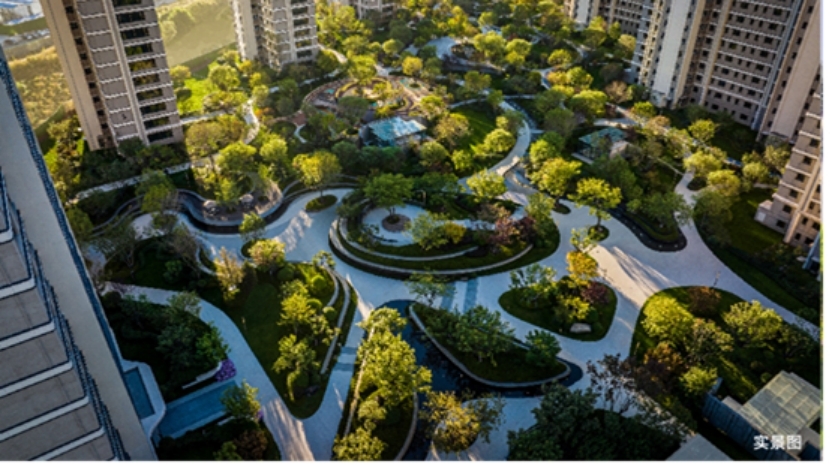
郑州10个项目入选河南首批“好房子”建设案例
Zheng Zhou Ri Bao· 2025-09-25 00:52
据了解,本次公布的"好房子"案例分为保障性住房、既有住宅改造、已竣工新建住宅、在建新建住 宅四类。代表不同地域、不同人群、不同类型的"好房子"建设先进水平,提供的技术和经验可实施、可 复制,有利于推广,在"安全""舒适""绿色""智慧"方面有一项或几项突出特征,具有良好的示范引领作 用。 9月23日,记者从河南省住房和城乡建设厅获悉,为加快推进"好房子"建设,我省公布首批纳入"好 房子"建设项目案例共38个。其中,郑州市10个项目案例入选。 其中,郑州入选的10个项目案例,属于保障性住房类型的有:荥泽苑、玉轩人才公寓、兴达美寓人 才公寓、郑州市青年人才公寓沁河苑1号院等4个项目。属于既有住宅改造类型的有:新密市双洎河安置 区项目、代书胡同片区老旧小区改造、陇海北三街老旧小区改造等3个项目。属于在建新建住宅类型的 有:中豫·湖城印象、花栖樾院、九樾云筑等3个项目。 本次首批"好房子"建设项目案例公示期为2025年9月22日至2025年9月26日。 ...
KB Home(KBH) - 2025 Q3 - Earnings Call Transcript
2025-09-24 22:02
Financial Data and Key Metrics Changes - The company reported total revenues of over $1.6 billion and diluted earnings per share of $1.61, with a gross margin of 18.9% excluding inventory-related charges, exceeding guidance [7][30] - Adjusted housing gross profit margin was 18.9%, which is 180 basis points lower than the previous year due to pricing pressure and higher land costs [31][34] - The company grew its book value per share to over $60, an 11% year-over-year increase [5][39] Business Line Data and Key Metrics Changes - The company delivered 3,393 homes in the quarter, exceeding the midpoint of guidance, while net orders totaled 2,950, a 4% decline [30][31] - The average selling price decreased 1% to $475,700, with lower prices in the central and southeast regions offset by increases in the west coast and southwest [31][32] - The company maintained SG&A expenses at 10% of housing revenues, a 20 basis point increase from a year ago [32] Market Data and Key Metrics Changes - The company experienced stability in demand, with a cancellation rate stable at 17% and a monthly absorption pace per community of 3.8 net orders [9][13] - Mortgage interest rates declined by approximately 60 basis points, equating to about $30,000 of additional purchasing power for buyers [16] - The company opened 32 new communities during the quarter, marking the highest performance in community openings in over a year [17] Company Strategy and Development Direction - The company aims to return to a historical range of built-to-order homes, which has averaged close to 70% over more than a decade, from around 50% currently [10][63] - The focus is on optimizing assets to generate the highest returns while balancing pace and price based on local market conditions [9][11] - The company plans to continue its share repurchase program and maintain a disciplined approach to land investments [25][38] Management's Comments on Operating Environment and Future Outlook - Management expressed a favorable long-term outlook for the housing market driven by demographics and ongoing undersupply of homes [8][26] - The company anticipates generating $1.65 billion in housing revenues for the fourth quarter and $6.15 billion for the fiscal year [12] - Management noted that the current operating environment remains challenging but believes the company is well-positioned to navigate it [30][40] Other Important Information - The company has returned over $490 million in capital to shareholders this year, including $440 million in share repurchases [5][27] - The company maintains a strong balance sheet with total liquidity of $1.2 billion [37][38] - The company canceled contracts to purchase approximately 6,800 lots during the third quarter, representing about 45 communities that no longer met underwriting criteria [24] Q&A Session Summary Question: Order ASP and its decline - The decline in order ASP is largely driven by mix effects, with more deliveries coming from lower ASP regions [42][43] Question: Demand and conversion of traffic - Management noted that while traffic remains steady, there hasn't been a significant uptick in orders yet, as buyers may be in a wait-and-see mode [46][48] Question: Fourth quarter gross margin expectations - The gross margin beat in the third quarter was due to strong construction performance, with expectations for a slight decline in the fourth quarter due to mix effects [51][52] Question: Revenue outlook for next year - Management did not provide specific guidance for next year but indicated an expectation for improved affordability and community count, which should positively impact revenue [58][59] Question: Direct cost reductions - Direct costs have been lowered across the board, with significant reductions in lumber costs contributing to overall cost management [68][70]

Homebuilder stocks climb after August's new home sales blowout (LEN:NYSE)
Seeking Alpha· 2025-09-24 16:40
Homebuilder stocks perked up in Wednesday trading after new home sales surged more than expected in August, according to U.S. Census Bureau data. iShares U.S. Home Construction ETF (BATS:ITB) gained 0.6% in midday trading. However, in the longer run, the sector's ...
Lennar co-CEO on Q3 earnings miss: This has been a difficult housing cycle
Youtube· 2025-09-19 16:46
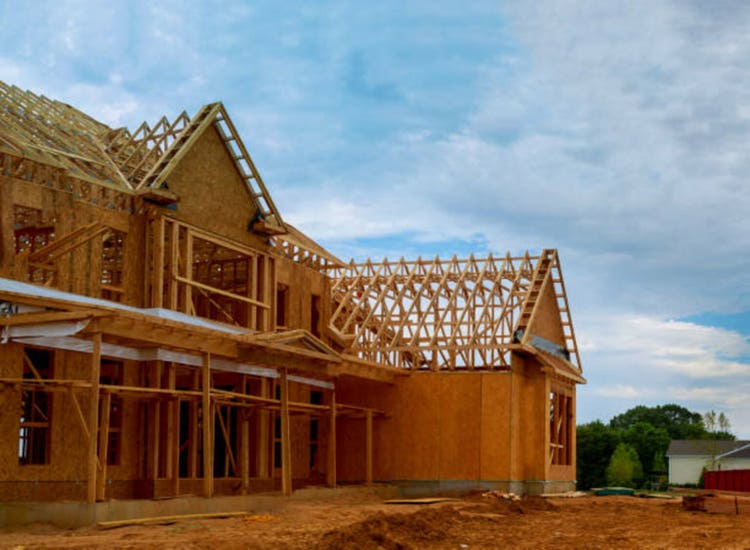
Company Overview - Lenar experienced a challenging Q3, with stock down over 3% due to revenue missing estimates and lower delivery guidance [1] - The company's home building gross margins fell to 17.5%, down from 29% in 2022 during the housing boom [1] Market Conditions - The housing market is facing continued softening, impacting sales volume and requiring additional incentives to maintain expected pace [1][2] - Average selling prices declined by 9%, indicating widespread affordability issues across the industry [3] Industry Insights - Major builders are responding to market conditions by lowering prices, offering incentives, and buying down mortgage rates to improve affordability [4] - The only builder expressing optimism for the future was Toll Brothers, a luxury home builder, highlighting a divergence in market sentiment among builders [4]

Lennar(LEN) - 2025 Q3 - Earnings Call Transcript
2025-09-19 16:02
Financial Data and Key Metrics Changes - The company reported a gross margin of 17.5%, which is lower than expected, and sales incentives rose to 14.3% [14][15] - The average sales price was $383,000, with a net margin of 9.2% and SGA at 8.2% [15][28] - The company ended the quarter with $1.4 billion in cash and total liquidity of $5.1 billion [29] Business Line Data and Key Metrics Changes - The company started approximately 21,500 homes, delivered about 21,500 homes, and sold just over 23,000 homes [14] - The financial services segment generated operating earnings of $177 million, primarily driven by the mortgage business [28] Market Data and Key Metrics Changes - The housing market remains challenging, with higher mortgage rates and diminished consumer confidence impacting demand [12][13] - There are early signs of increased customer interest as mortgage rates trend downward [9][12] Company Strategy and Development Direction - The company is focused on maintaining volume while adjusting to market conditions, emphasizing a production-first strategy [11][21] - The strategy includes leveraging technology to drive efficiencies and reduce costs, with a focus on cash flow and high returns on capital [17][21] Management Comments on Operating Environment and Future Outlook - Management expressed optimism about future market conditions if mortgage rates approach or fall below 6% [11][12] - The company is positioned to accommodate pent-up demand as market conditions improve [10][11] Other Important Information - The company has achieved cycle time reductions for 11 consecutive quarters, with the average cycle time for single-family homes down to 126 days [24] - The company is focused on a differentiated approach to land banking, allowing flexibility in adjusting land acquisition strategies [40][102] Q&A Session Summary Question: Clarification on strategy pivot - Management clarified that adjustments are being made in response to market conditions, not a change in strategy [36] Question: Land strategy adjustments - Management confirmed that land relationships allow for flexibility and adjustments in response to market conditions [40] Question: Duration of planned slowdown - Management indicated that the slowdown is not seen as permanent and is focused on maintaining volume [46] Question: Impact of mortgage rate changes on demand - Management noted that while there has been increased consumer engagement, the overall impact on sales remains to be seen [64] Question: Inventory turns and cash generation - Management emphasized ongoing efforts to improve inventory turns and cash generation, with a focus on total shareholder return [74] Question: Cancellations environment - Management reported that cancellation rates have remained consistent, with no significant impact from recent interest rate changes [95] Question: Contribution from Milrose - Approximately 25% of year-to-date deliveries have come from Milrose, positively impacting margins [99]
Lennar(LEN) - 2025 Q3 - Earnings Call Transcript
2025-09-19 16:02
Financial Data and Key Metrics Changes - The company reported a gross margin of 17.5%, which is lower than expected due to increased sales incentives of 14.3% to maintain sales volume [7][13] - The average sales price decreased to $383,000, contributing to the margin decline [13] - SG&A expenses were at 8.2%, resulting in a net margin of 9.2% [14] Business Line Data and Key Metrics Changes - The company started and delivered approximately 21,500 homes, while selling just over 23,000 homes, exceeding sales expectations but falling short on deliveries [13] - The sales pace was 4.7 homes per community per month, aligning with the sales plan [20] - Direct construction costs decreased by approximately 1% from the previous quarter and about 3% year-over-year, reaching the lowest level since Q3 2021 [23] Market Data and Key Metrics Changes - The housing market remains challenging, with mortgage interest rates fluctuating and consumer confidence impacted by various uncertainties [11] - Demand is high, but affordability issues continue to constrain it, leading to a softening market [12] - The company noted early signs of increased customer interest as mortgage rates began to trend downward towards the end of the quarter [8][11] Company Strategy and Development Direction - The company is focused on maintaining volume while adjusting to current market conditions, emphasizing a pause to allow the market to catch up [7][10] - The strategy includes leveraging technology to drive efficiencies and reduce costs, aiming for a lower cost structure to enhance affordability [20][24] - The company plans to continue its asset-light land strategy, with a focus on maximizing efficiencies and driving down costs [24][28] Management's Comments on Operating Environment and Future Outlook - Management expressed optimism about future market conditions if mortgage rates approach or fall below 6% [10][11] - The company is positioned for strong cash flow and bottom-line growth, despite current market challenges [16] - Management acknowledged the need for a differentiated approach to achieve affordability in homebuilding [38] Other Important Information - The company ended the quarter with $1.4 billion in cash and total liquidity of $5.1 billion, indicating a strong balance sheet [28] - The company repurchased 4.1 million shares for $507 million and paid dividends totaling $129 million [29] Q&A Session Summary Question: Inquiry about strategy pivot and incentives - Management clarified that the adjustments are not a change in strategy but a recalibration to market conditions, with no immediate changes to incentives [34][35] Question: Land strategy adjustments - Management confirmed that they are not constrained by land relationships and can adjust takedown schedules as needed [37][38] Question: Duration of the planned slowdown - Management indicated that the slowdown is not seen as permanent and remains focused on maintaining volume [44][45] Question: Impact of mortgage rates on demand - Management noted that while they have not seen significant sales impact yet, they expect increased interest if rates continue to decline [61] Question: Inventory turns and cash generation - Management emphasized ongoing efforts to improve inventory turns and cash generation, with a focus on total shareholder return [70][71] Question: Cancellations environment - Management reported that cancellation rates have remained consistent from the second to the third quarter [88] Question: Contribution of Millrose to deliveries - Management stated that approximately 25% of year-to-date deliveries have come from Millrose [93]
Lennar(LEN) - 2025 Q3 - Earnings Call Transcript
2025-09-19 16:00
Financial Data and Key Metrics Changes - The company reported a gross margin of 17.5%, which is lower than expected due to increased sales incentives that rose to 14.3% [13][14] - The average sales price was $383,000, contributing to a net margin of 9.2% [14] - The company ended the quarter with $1.4 billion in cash and total liquidity of $5.1 billion [29] Business Line Data and Key Metrics Changes - The company started approximately 21,500 homes, delivered about 21,500 homes, and sold just over 23,000 homes during the third quarter [13] - Sales pace was 4.7 homes per community per month, aligning with the sales plan [21] - Direct construction costs decreased by approximately 1% from the second quarter and about 3% year-over-year, reaching the lowest construction cost since Q3 2021 [25] Market Data and Key Metrics Changes - The housing market remained challenging, with mortgage interest rates fluctuating and consumer confidence affected by various uncertainties [11] - Demand for homes remained high, but affordability issues constrained this demand [12] - The company noted that supply remains constrained in most markets due to years of underproduction [11] Company Strategy and Development Direction - The company plans to ease back delivery expectations to relieve pressure on sales and help establish a floor on margins [6] - The focus remains on maintaining volume while adjusting to market conditions, with an emphasis on affordability and cost structure [10][17] - The company is investing in technology solutions to drive efficiencies and improve its manufacturing model [16][21] Management's Comments on Operating Environment and Future Outlook - Management expressed optimism about the future, anticipating that lower mortgage rates could lead to stronger demand [10][11] - The company is positioned to accommodate pent-up demand as market conditions improve [9][10] - Management acknowledged the need for a recalibration of strategies in response to current market realities [48] Other Important Information - The company concluded the quarter with improved metrics in its asset-light land strategy, with owned home sites decreasing to 0.1 years from 1.1 years a year ago [26] - The company repurchased 4.1 million shares for $507 million and paid dividends totaling $129 million [31] Q&A Session Summary Question: Inquiry about strategy pivot and incentives - Management clarified that the adjustments are not a change in strategy but a response to current market conditions, with no immediate changes to incentives [36][38] Question: Land strategy and flexibility - Management confirmed that they are not constrained by land relationships and can adjust takedown schedules as needed [41][43] Question: Duration of the planned slowdown - Management indicated that the slowdown is not seen as permanent and is focused on maintaining volume while adapting to market conditions [47][49] Question: Impact of mortgage rate changes on demand - Management noted that while there has been increased consumer engagement, the full impact of lower rates on demand remains to be seen [70] Question: Inventory turns and cash generation - Management emphasized the importance of inventory turns as a measure of efficiency and indicated that cash generation remains a priority [75][82] Question: Cancellations environment - Management reported that cancellation rates have remained consistent, with no significant impact from recent interest rate changes [110]