
跨境支付

Search documents
“携手更多中国企业,拥抱发展新机遇” ——从第八届进博会看高质量发展
Ren Min Ri Bao· 2025-11-06 03:09
Core Insights - The eighth China International Import Expo (CIIE) showcases a strong commitment to high-quality development, with significant participation from global enterprises and a focus on mutual benefits and cooperation [1][2]. Trade and Investment - The exhibition area and number of participating companies at the eighth CIIE reached historical highs, facilitating the transformation of global quality products from exhibits to commodities in the Chinese market [2]. - Companies like Shiseido express confidence in continued investment in China, citing a supportive policy environment and collaborative ecosystems that accelerate innovation and business scaling [2]. - Merck's new drug approvals in China, showcased at last year's expo, highlight the event's role in fostering collaboration in the life sciences sector, with over 40 new products expected to be approved in the next five years [2]. - Danone's expansion project in Wuxi is a significant investment aimed at enhancing production capacity and deepening market presence in China [2]. Industry Upgrades and Development - The CIIE emphasizes green development, showcasing 461 new products and technologies, particularly in information technology and low-carbon solutions, positioning China as a global innovation hub [4]. - Companies like GlaxoSmithKline are enhancing local innovation efforts, with 80% of their R&D projects synchronized globally, indicating a trend towards deeper international collaboration [4]. - The China Supply and Marketing Cooperative aims to leverage its logistics network to reduce costs and improve the quality of raw materials for domestic enterprises [4]. Consumer Experience and Market Trends - The expo introduces new platforms like the "Cross-Border E-commerce Preferred Platform," enhancing consumer access to diverse products and services [6]. - Companies such as Meituan and Tmall International are actively bringing overseas products to Chinese consumers, reflecting a growing trend in quality and diversified consumption [6][7]. - Herbalife's focus on personalized solutions and scientific backing aligns with evolving consumer preferences in China, indicating a shift towards more tailored health products [7]. Conclusion - The CIIE serves as a vital platform for global supply chain integration, driving investment and innovation while enhancing consumer experiences in China [5][6].
携手更多中国企业,拥抱发展新机遇”(进博会观察)
Ren Min Ri Bao· 2025-11-05 23:17
Core Insights - The eighth China International Import Expo (CIIE) showcased a record number of exhibitors and exhibition area, highlighting its role in promoting trade and investment opportunities in China [2][4]. Group 1: Trade and Investment - The CIIE has been instrumental in transforming global quality products from exhibits into commodities, allowing foreign companies to tap into China's vast market [2]. - Companies like Shiseido and Merck have expressed confidence in continuing investment in China, citing supportive policies and collaborative ecosystems as key advantages [2]. - Danone's expansion project in Wuxi is a significant investment aimed at increasing production capacity, reinforcing the company's commitment to the Chinese market [2]. Group 2: Innovation and Technology - The expo featured 461 new products and technologies, emphasizing innovation and green development as central themes [4]. - GlaxoSmithKline reported that 80% of its R&D projects in China are synchronized with global efforts, showcasing a commitment to local innovation [4]. - PingPong presented digital payment solutions aimed at helping businesses transition from product export to brand export, highlighting the role of digital innovation in trade [3]. Group 3: Consumer Demand and Quality of Life - The CIIE introduced various new products and services, including a "cross-border e-commerce preferred platform," to meet the growing consumer demand for quality and diverse offerings [7]. - Meituan's initiatives, such as the "2025 Shanghai International Food Month," aim to enhance consumer experiences through technology and innovation [7]. - Companies like Herbalife and YK Life showcased innovative health products, aligning with the increasing consumer focus on personalized and scientifically-backed solutions [8].
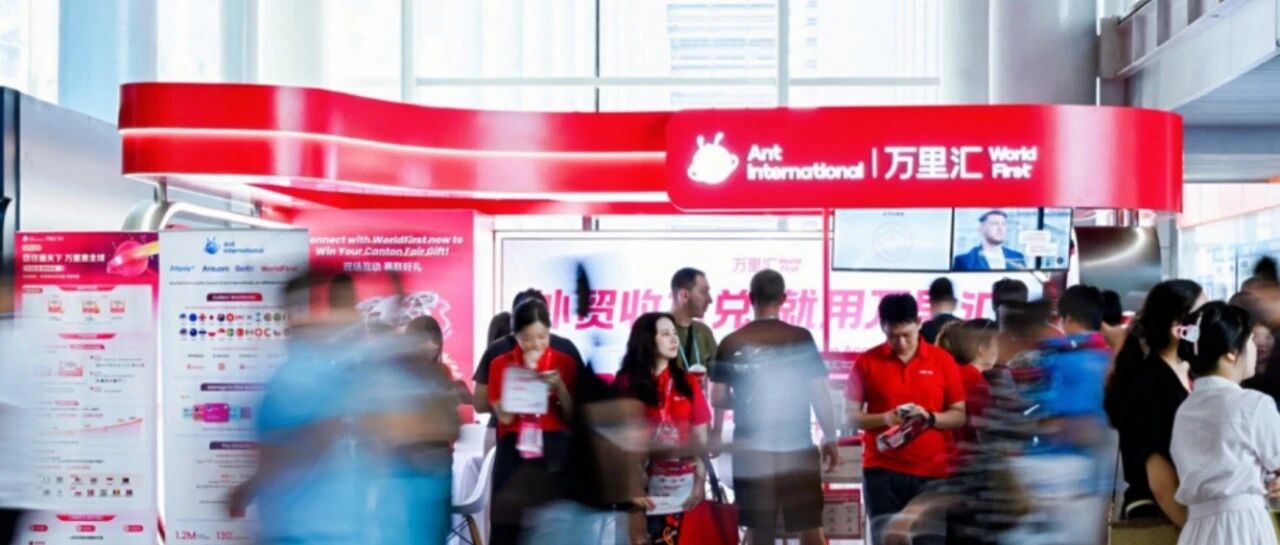
万里汇广交会升级“护航计划”,助力外贸企业出海更合规
第一财经· 2025-11-05 05:26
Core Insights - The 138th Canton Fair opened on October 15, showcasing significant growth in emerging market transaction volumes, projected to reach a 300% increase by the first half of 2025 [2][6] - The General Administration of Customs reported that China's goods trade export value reached 19.95 trillion yuan in the first three quarters of this year, marking a 7.1% year-on-year increase, with notable growth in exports to ASEAN, Africa, and Central Asia [2] Group 1: Emerging Market Growth - Emerging markets are experiencing a robust increase in transaction volumes, driven by a transformation in global trade dynamics [6] - Cross-border sellers are leveraging digital tools to enhance their operational resilience, with 90% of WorldFirst sellers utilizing AI technologies for various business functions [6][4] Group 2: Cross-Border Trade Support - WorldFirst's "Cross-Border Trade Protection Plan" was launched to assist small and medium-sized foreign trade enterprises in managing global funds efficiently through digital technology [7][9] - The plan has already served tens of thousands of Chinese cross-border SMEs, with a nearly 40% year-on-year increase in new users for B2B business from January to August 2025 [9] Group 3: Compliance and Risk Management - As compliance requirements become more complex, 43% of cross-border sellers anticipate facing higher compliance costs, indicating a growing need for effective risk management solutions [10] - The upgraded "Cross-Border Trade Protection Plan" focuses on compliance safety, intelligent services, and efficient fund circulation to address challenges in payment, customs declaration, and foreign exchange [10][16] Group 4: Technological Integration - The plan incorporates AI technology to optimize customer service, achieving 100% 24/7 service availability, with 85% of customer inquiries resolved within minutes [13] - Local product capabilities in emerging markets have been strengthened, allowing for direct payments in local currencies, which helps sellers mitigate cross-border exchange losses [14] Group 5: Strategic Partnerships - The plan will collaborate with various partners to establish a "Foreign Trade Compliance Protection Alliance," aimed at building a secure ecological network for cooperative development [16] - This initiative is designed to enhance the compliance capabilities of foreign trade enterprises, turning compliance pressures into competitive advantages [16]

调研速递|广电运通接待中信建投等23家机构调研 前三季度营收79亿增11% 机器人业务瞄准22万银行网点市场
Xin Lang Zheng Quan· 2025-11-04 09:34
Core Viewpoint - The company, Guangdian Yuntong, has demonstrated robust performance with a revenue increase of 11% year-on-year in the first three quarters, and is focusing on expanding its robot business in the banking sector, alongside enhancing its overseas operations and technological collaborations [1][2][3][5]. Group 1: Financial Performance - The company achieved a revenue of 7.906 billion yuan in the first three quarters, reflecting a year-on-year growth of 11.08% [2] - The net profit attributable to shareholders reached 602 million yuan, providing a solid foundation for mid-term dividends [2] - Cumulative cash dividends since the company's listing have amounted to 4.886 billion yuan, indicating a commitment to shareholder returns [2] Group 2: Robot Business Development - The company is targeting the intelligent upgrade of over 220,000 bank outlets, which presents a significant market opportunity for its robot products [3] - Various robot applications, including service robots and digital human smart counters, are being piloted in banking environments [3] - The company leverages a network of over 600 service stations to reduce market expansion costs [3] Group 3: Technological Collaboration - The subsidiary, Guangdian Wuzhou, has completed compatibility with Kunlun Chip products and is advancing market promotion [4] - Over 300 industry partners have achieved software and hardware compatibility, establishing a comprehensive product system [4] - The company aims to create a secure and controllable computing infrastructure to support the high-quality development of the domestic AI industry [4] Group 4: Overseas Expansion and Cross-Border Payments - The company reported overseas revenue exceeding 1.1 billion yuan in the first three quarters, showing stable growth [5] - It is actively expanding in key markets such as Europe, Asia-Pacific, and the Americas, while also targeting emerging markets [5] - The acquisition of the MSO license by the subsidiary, Huitong Hong Kong, enhances its capabilities in cross-border fund settlement and foreign exchange [5] Group 5: State-Owned Enterprise Mechanism Flexibility - The company benefits from the market-oriented management practices of its controlling shareholder, Guangzhou Digital Science Group, which is part of the state-owned enterprise reform initiative [6] - The company emphasizes business collaboration, governance, and capital operations to enhance operational efficiency [7] - Future focus will remain on AI core business and technological innovation to drive intelligent transformation in financial technology and urban intelligence sectors [7]


CoGoLinks结行国际荣获第四届数贸会先锋奖,服贸出海收付款解决方案获权威认可
Sou Hu Wang· 2025-11-02 03:00
Core Insights - CoGoLinks International won the Global Digital Trade Expo Pioneer Award for its innovative cross-border payment solution tailored for service trade merchants, highlighting its significant contributions to the digital trade sector [1][2] - The award recognizes companies making breakthrough contributions in digital trade across five categories, emphasizing innovation, market potential, trade conditions, and social impact [1] Company Overview - CoGoLinks International is a digital solution provider for cross-border trade, establishing a global payment ecosystem covering over 100 countries and nearly 20 currencies within a few years [1][2] - The company offers customized payment solutions for service trade merchants facing challenges such as complex verification processes and slow transaction times, significantly improving efficiency compared to traditional methods [2] Industry Trends - The global digital service trade is expanding rapidly, with a projected growth of 64.7% from 2019 to 2024, outpacing the growth of goods trade (28.5%) and overall service trade (37.5%) [3] - As a key driver of service trade development, cross-border payment platforms are expected to experience new growth opportunities, with CoGoLinks committed to enhancing its innovation and expanding its global payment network [3]
从贸易结算到“碰一下”退税,多平台“组合拳”破解跨境支付难题
Sou Hu Cai Jing· 2025-10-26 04:46
Core Insights - The mobile payment sector showcased strong performance at the recent Canton Fair, with platforms like Wanlihui, Alipay, and WeChat Pay addressing global payment challenges for merchants [2][3] - Cross-border e-commerce faces significant payment challenges, including currency conversion delays and compliance with foreign platform requirements, impacting cash flow for businesses [3][4] - The fragmented nature of global cross-border payments is attributed to varying payment systems, technical standards, and regulatory frameworks across countries, leading to inefficiencies and high costs [3][4] Payment Challenges - Cross-border e-commerce sellers encounter three main challenges: compliance with foreign exchange regulations, limited payment channels, and high transaction costs due to currency fluctuations [4] - A Shenzhen-based foreign trade factory nearly lost orders due to its inability to accept local currencies from Southeast Asian buyers, highlighting the need for localized payment solutions [3][4] Innovations in Cross-Border Payments - Platforms are innovating to enhance cross-border payment solutions, with Wanlihui launching a "Cross-Border Trade Protection Plan" to address issues like payment channel transparency and compliance [5] - Global E-Payment is expanding its Payful platform to include local accounts and rapid settlement options in Africa and Latin America, while also introducing a new virtual card for multi-currency payments [6] - PingPong and Huifu International are focusing on localized payment solutions and automated processes to streamline cross-border transactions for various industries [6] Enhancements in Domestic Payment Experience - Alipay and WeChat Pay are improving payment experiences for foreign consumers at the Canton Fair, with services like quick tax refunds and international card binding [7] - The integration of multiple foreign card payment options in public transport systems in Guangzhou demonstrates the push towards seamless payment experiences for both domestic and international users [7] - The digital upgrades in mobile payment systems are meeting the needs for security, efficiency, and convenience in both cross-border trade and local consumer transactions [7]

出海新变量:跨境支付从“快”到“安全”与“透明”
2 1 Shi Ji Jing Ji Bao Dao· 2025-10-24 13:05
Core Insights - The global trade landscape is undergoing significant restructuring, with cross-border payments becoming a critical factor for businesses looking to expand internationally [1][2] - There is a strong demand for efficient, secure, and intelligent payment systems, particularly among small and medium-sized enterprises (SMEs) that face challenges with traditional banking systems [1][2] - The rise of AI is reshaping payment systems, introducing new challenges and opportunities for standardization and protocol development [3] Group 1: Industry Dynamics - Cross-border payments are likened to the "capillaries" of global commerce, emphasizing their importance in facilitating business operations [1] - The past decade has seen a shift towards decentralization, with data and supply chains becoming more interconnected and less reliant on single platforms [1] - SMEs experience a 30% to 40% slower cash turnover compared to larger enterprises, highlighting the inefficiencies in traditional payment systems [1] Group 2: Regulatory and Security Considerations - The evolving global regulatory environment has introduced new dimensions of "safety" and "transparency" in payment systems [2] - Companies must not only connect with global markets but also ensure compliance with local regulations, necessitating a degree of operational localization [2] - The frequency of payment transactions has increased significantly, making secure and transparent payment flows essential [2] Group 3: Technological Innovations - The advent of AI is transforming payment processes, with AI agents capable of thinking and collaborating, thus changing workflows and decision-making [3] - The industry is currently in an exploratory phase regarding payment protocols, with no established standards yet [3] - Despite macroeconomic uncertainties, there are significant growth opportunities in international trade, emphasizing the need for businesses to focus on expansion and collaboration [3][4] Group 4: Market Focus - The U.S. and European markets remain key targets for companies expanding internationally, with the fastest growth observed in the UK, France, the Netherlands, and the U.S. [4] - There is a notable reliance on the Asia-Pacific region for supply chain and manufacturing capabilities, which is unlikely to change in the near future [4]
广电运通(002152) - 2025年10月20日投资者关系活动记录表
2025-10-21 07:32
Group 1: Business Developments - The company’s subsidiary, Huizhong Hong Kong, has obtained the Money Service Operator (MSO) license from Hong Kong Customs, enhancing its capabilities in cross-border payment services and financial technology [2][3] - The focus will be on creating a one-stop global payment solution and strengthening collaboration with its subsidiary, Zhongjin Payment, to provide integrated financial services [3] Group 2: Digital Currency Initiatives - On September 18, the company launched the first digital RMB comprehensive service platform in the Beibu Gulf region, integrating digital RMB, smart contracts, and cross-border trade [4] - The platform supports the first cross-institution digital RMB smart consumption solution, allowing different institutions to distribute digital RMB red envelopes and implement precise consumption subsidies [4] - Over 2,000 merchants have joined the "Shu Lian Bei Bu Wan" WeChat mini-program, promoting the adoption of digital RMB in the region [4] Group 3: AI and Banking Innovations - The company is advancing the first bank cloud cabinet model and is piloting various AI technologies in banking operations, including service robots and digital human smart counters [5][6] - Recent contracts with major banks, including Xinyi Bank and Minsheng Bank, solidify the company’s leadership in the smart financial equipment market [5] - The application of AI technology in banking is expected to drive innovation and replace existing terminals, positioning the company favorably in the evolving market [5][6] Group 4: Robotics and Cooling Technologies - The company is developing vertical scene robots, including mobile super cabinets and inspection robots, to enhance operational efficiency [6] - The launch of the S768G5 server, utilizing advanced liquid cooling technology, addresses high-power chip thermal management challenges and supports diverse applications [6] - The S768G5 server achieves a minimum power usage effectiveness (PUE) of 1.1, promoting green and efficient data center operations [6]
广电运通:全资子公司获香港MSO牌照
Sou Hu Cai Jing· 2025-10-20 11:59
Core Viewpoint - Guangdian Yuntong has obtained the Money Service Operator (MSO) license from Hong Kong Customs for its wholly-owned subsidiary, Guangdian Huitong (Hong Kong) Limited, marking a significant step in its cross-border payment services and global expansion strategy [1] Group 1: License Acquisition - The MSO license is valid from October 13, 2025, to October 26, 2027, allowing the company to conduct compliant cross-border fund settlement and foreign exchange services [1] - The acquisition of the MSO license enhances the company's capabilities in the financial technology sector and aligns with its global development strategy [1] Group 2: Business Focus - Guangdian Huitong aims to provide a one-stop global payment settlement solution, enhancing collaboration with its parent company, Zhongjin Payment Co., Ltd. [1] - The company plans to create an integrated fund channel that combines domestic and overseas services, offering safer, more efficient, and transparent cross-border financial technology services to corporate clients [1]
广电运通跨境支付取得新突破
Zheng Quan Ri Bao Wang· 2025-10-20 11:11
Core Viewpoint - Guangdian Yuntong has made significant progress in the cross-border payment sector by obtaining the Money Service Operator (MSO) license from Hong Kong Customs for its subsidiary, Guangdian Huitong (Hong Kong) Limited [1] Group 1: License Acquisition - Guangdian Huitong has received the MSO license, which allows it to operate as a compliant cross-border payment service provider [1] - The acquisition of the MSO license enhances the company's capabilities in cross-border fund settlement and foreign exchange services [1] Group 2: Strategic Development - The license aligns with the company's overall strategic planning and long-term development needs [1] - Guangdian Huitong aims to develop a one-stop global payment settlement solution and strengthen collaboration with its parent company, Zhongjin Payment [1] Group 3: Service Enhancement - The company plans to provide safer, more efficient, and transparent cross-border fintech services to its enterprise clients [1]