
数字产业

Search documents
国家数字经济创新发展试验区推出158项改革
Xin Hua She· 2025-10-17 07:39
Core Viewpoint - The establishment of seven national digital economy innovation development pilot zones in Tianjin, Hebei (Xiong'an New Area), Shanghai, Jiangsu, Zhejiang, Guangdong, and Sichuan aims to implement 158 reform measures across seven areas to promote digital economy growth and innovation [1][2] Group 1: Pilot Zone Initiatives - Shanghai plans to leverage the Yangtze River Delta data cooperation mechanism to enhance data sharing, innovation collaboration, and scenario openness, aiming to build a trillion-level digital industry cluster [1] - Jiangsu intends to explore market-oriented value realization of data elements through a four-dimensional collaboration of institutional innovation, industry cultivation, infrastructure, and scenario empowerment, facilitating traditional industry upgrades and nurturing emerging industries [1] - Zhejiang aims to integrate comprehensive data element testing and dual empowerment of digital economy innovation, enhancing innovation systems involving enterprises, talent, markets, and platforms, and promoting deep integration of technological and industrial innovation [1] - Guangdong will focus on implementing major regional strategies, leveraging geographical advantages, and exploring new avenues in elements, facilities, industries, openness, and mechanisms [1] Group 2: Future Directions - The National Data Bureau will collaborate with relevant parties to ensure timely progress and effectiveness of pilot tasks, aiming to create replicable and promotable practices and development experiences in the data sector [2] - The initiative seeks to establish a high ground for technological innovation and industrial development, supporting local areas in integrating the real economy with the digital economy [2] - The goal is to generate regional industrial upgrade drivers, regional economic growth poles, and new engines for international trade cooperation, ultimately promoting high-quality development [2]
破解难点堵点卡点!国家数据局推动七地建设数字经济试验区
Zhong Guo Jing Ji Wang· 2025-10-16 03:57
有关试验区分别介绍了建设思路、试验重点。上海提出将依托长三角数据合作机制,深化数据共享、创 新协同、场景开放,促进跨区域协同发展、优势互补,共建长三角万亿级规模数字产业集群。江苏表示 将通过"制度创新+产业培育+基础设施+场景赋能"四维协同,探索数据要素市场化价值化实践路径,赋 能传统产业升级、新兴产业培育。浙江提出将坚持数据要素综合试验和数字经济创新发展双向赋能,深 化企业、人才、市场、平台等创新体系建设,推进科技创新与产业创新深度融合。广东表示将落实区域 重大战略、立足区位优势,深化要素、设施、产业、开放、机制方面新探索。 下一步,国家数据局将会同有关方面保障各试验任务按期推进、落地见效,推动试验区加快形成可复制 可推广的典型做法和发展经验,实现数据领域改革破局,打造技术创新和产业发展高地,支持相关地方 在实体经济和数字经济深度融合上勇挑大梁,力争形成地区产业升级动力源、区域经济增长极、国际贸 易合作新引擎,促进高质量发展。 中国经济网北京10月16日讯(记者李方)10月15日,国家数据局举行专题新闻发布会,介绍国家数字经济 创新发展试验区(以下简称试验区)建设工作相关情况。国家数据局党组成员、副局长陈荣 ...
城市24小时 | “光伏第一省”新动作,什么信号?
Mei Ri Jing Ji Xin Wen· 2025-10-16 02:33
Core Points - The article discusses the implementation of the "Green Electricity Direct Connection" model in Shandong Province, aimed at promoting the integration of renewable energy production and consumption, and meeting the green electricity needs of enterprises [1][2][3] - The Shandong Provincial Development and Reform Commission and the National Energy Administration have issued a plan to support four types of green electricity direct connection projects, focusing on both new and existing energy resources [1][3] Summary by Categories Green Electricity Direct Connection - The "Green Electricity Direct Connection" refers to a model where renewable energy sources like wind and solar power are directly connected to users without going through the public grid, allowing for clear physical tracing of the supplied electricity [1] - The plan emphasizes source-load matching, requiring that at least 60% of the total available electricity generated from renewable sources be used directly by the projects, with a maximum of 20% allowed to be fed back into the grid [1] Regional Context - Shandong is a major economic province in China, being the third largest in the country and a significant energy consumer and producer, with energy consumption and carbon emissions accounting for nearly 10% of the national total [2] - The province has been accelerating its efforts in the renewable energy sector, becoming a leading province in solar power installations, particularly in distributed solar energy [2] Project Support and Goals - The plan specifically supports projects that include new load-compatible renewable energy projects, existing coal and gas self-supplied power plants, export-oriented enterprises with carbon reduction needs, and renewable energy projects facing consumption constraints [1][3] - The Shandong Energy Bureau aims to lead in the large-scale development of clean energy and innovative energy technologies, addressing the challenges of effectively utilizing green electricity and meeting the needs of export-oriented enterprises [3]


国家数据局:国家数字经济创新发展试验区围绕7方面158项改革举措开展试点试验
Zheng Quan Ri Bao Wang· 2025-10-16 02:26
Core Viewpoint - The National Data Bureau is promoting the establishment of digital economy innovation development pilot zones across seven regions in China to enhance the high-quality development of the digital economy and address key bottlenecks [4]. Group 1: Background and Objectives - The pilot zones aim to implement the decisions of the Central Committee and the State Council regarding digital economy development, supporting local innovation [4]. - Seven regions, including Tianjin, Hebei (Xiong'an New Area), Shanghai, Jiangsu, Zhejiang, Guangdong, and Sichuan, have been approved for pilot zone construction, focusing on 158 reform measures across seven areas [4]. Group 2: Key Tasks and Strategies - The construction of pilot zones emphasizes problem orientation and a combination of short-term and long-term goals, addressing urgent issues and aligning with the "14th Five-Year Plan" [4]. - A systematic layout is reinforced, focusing on seven key tasks: elements, facilities, innovation, industry, transformation, cooperation, and governance, while allowing local adaptations [4]. - Enhanced horizontal collaboration and vertical linkage are prioritized, with national-level support for data, funding, and project resources, aiming to transform successful pilot practices into national policies [4]. Group 3: Regional Initiatives - Shanghai plans to leverage the Yangtze River Delta data cooperation mechanism to enhance data sharing and collaborative innovation, aiming to build a trillion-level digital industry cluster [5]. - Jiangsu aims to explore market-oriented practices for data elements through a four-dimensional collaboration model, facilitating traditional industry upgrades and nurturing emerging industries [5]. - Zhejiang focuses on dual empowerment of comprehensive data element trials and digital economy innovation, promoting deep integration of technological and industrial innovation [5]. - Guangdong intends to implement major regional strategies and leverage its geographical advantages to explore new avenues in elements, facilities, industry, openness, and mechanisms [5]. Group 4: Future Directions - The National Data Bureau will work with relevant parties to ensure timely progress and effectiveness of pilot tasks, aiming to create replicable and promotable models and experiences in the data sector [5]. - The goal is to establish a high ground for technological innovation and industrial development, supporting local regions in integrating the real economy with the digital economy, thereby driving regional industrial upgrades and economic growth [5].
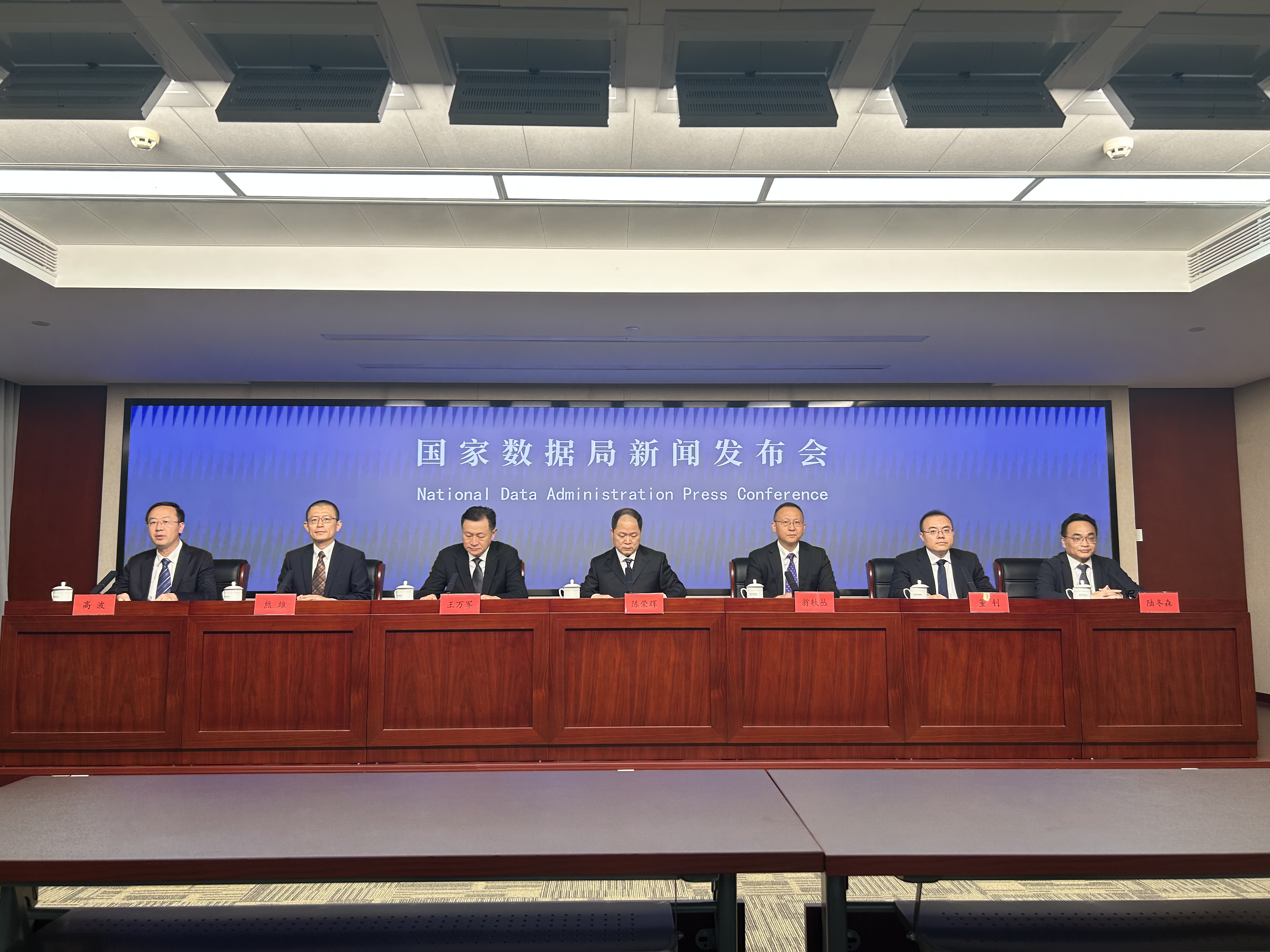
天津等7个国家数字经济创新发展试验区将推出158项改革举措
Xin Hua Wang· 2025-10-15 17:23
Core Viewpoint - The establishment of seven national digital economy innovation development pilot zones in Tianjin, Hebei (Xiong'an New Area), Shanghai, Jiangsu, Zhejiang, Guangdong, and Sichuan aims to implement 158 reform measures across seven areas to promote digital economy growth and innovation [1][2]. Group 1: Pilot Zones Initiatives - Shanghai plans to leverage the Yangtze River Delta data cooperation mechanism to enhance data sharing, innovation collaboration, and open scenarios, aiming to build a trillion-level digital industry cluster [1]. - Jiangsu intends to explore market-oriented practices for data elements through a four-dimensional collaboration of institutional innovation, industry cultivation, infrastructure, and scenario empowerment, facilitating traditional industry upgrades and new industry development [1]. - Zhejiang aims to integrate comprehensive data element trials with digital economy innovation, enhancing innovation systems involving enterprises, talent, markets, and platforms, and promoting deep integration of technological and industrial innovation [1]. - Guangdong focuses on implementing major regional strategies, leveraging geographical advantages, and exploring new avenues in elements, facilities, industries, openness, and mechanisms [1]. Group 2: Future Directions - The National Data Bureau will collaborate with relevant parties to ensure timely progress and effectiveness of pilot tasks, aiming to create replicable and promotable practices and experiences in the data sector [2]. - The goal is to achieve breakthroughs in data reform, establish high grounds for technological innovation and industrial development, and support local areas in integrating the real economy with the digital economy [2]. - The initiative seeks to generate regional industrial upgrading dynamics, regional economic growth poles, and new engines for international trade cooperation, promoting high-quality development [2].
每年亿元专资助力!北京西城构筑“政产学研用”协同创新生态
Zhong Guo Jing Ji Wang· 2025-10-15 07:27
Core Insights - Beijing's Xicheng District is set to launch 12 support measures for integrated development in education, technology, and talent, along with 10 initiatives to support youth innovation and entrepreneurship [1] - The district plans to invest 100 million yuan annually in special talent funds and enhance cooperation among central, local, and educational institutions to create a collaborative innovation ecosystem [1] - Xicheng's GDP is projected to exceed 603.8 billion yuan in 2024, with an economic density of 119 billion yuan per square kilometer and a per capita GDP surpassing 550,000 yuan, leading in Beijing and ranking high nationally [1] Economic Development - Xicheng District has become a core area for financial management, with the Financial Street area accounting for less than 0.02% of the city's area but holding assets totaling 156 trillion yuan, representing one-third of the national total [1] - The district's digital economy is expected to exceed 240 billion yuan in 2024, showcasing significant new productive forces [1] Talent Pool and Support - The total talent pool in Xicheng has reached 1.054 million, making up 82.1% of the workforce, which is 10 percentage points higher than the city average [2] - The proportion of the main labor force with higher education is 83.7%, exceeding the city average by 25 percentage points, while the talent contribution rate stands at 63.3%, 5 percentage points above the city average [2] - The "Xirong Plan" has been introduced to create a favorable environment for talent, with annual investments of 100 million yuan and awards for over 100 "Xirong Talents" [2] Infrastructure and Funding - Xicheng is establishing a multi-layered talent platform called "Xirong Talent Port" to connect overseas talent and resources [3] - Over the past few years, the district has invested more than 25 million yuan in project funding to support young talent in research, leveraging nearly 50 million yuan in social funding [3]
用数据共创产业生态美好未来,长沙数字集团全速迈向全国一流数字产业服务商
Sou Hu Cai Jing· 2025-10-12 13:26
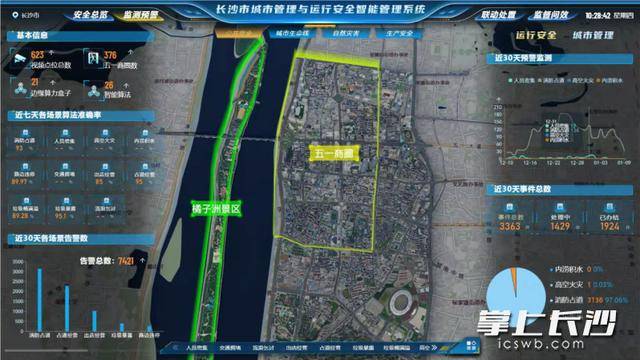
Core Insights - The establishment of Changsha Digital Group marks a significant step in the city's digital economy strategy, focusing on data marketization and innovative practices to drive the development of "Digital Changsha" [1][2] Group Overview - Changsha Digital Group has integrated over 200 billion public data entries from 66 municipal departments and launched 73 data products, enhancing the value realization of 23 scenario products in finance, healthcare, and talent services [1] - The group operates 20 subsidiaries covering key areas such as digital government, public data operations, state-owned asset transactions, enterprise digital transformation, talent services, digital industry investment, and urban safety operations [2] Innovation and Governance - The group aims to break down data silos among departments, transitioning from fragmented construction to integrated operations, exemplified by the smart city management and operation safety system developed in collaboration with Huawei [3] - The system has achieved over 10,000 risk event identifications with an instant handling rate exceeding 95%, shifting urban safety governance from reactive to proactive [3] Data Asset Management - Changsha Digital Group has established the province's first public data product production line, facilitating the compliant and efficient flow of data assets [6] - The group has successfully launched the first county-level government data product in the province and completed the first instance of public transport data asset valuation in the country, setting a precedent for public data monetization [6] Ecosystem Development - The group has built a cross-scenario, cross-field, and cross-regional data circulation network, collaborating with over 20 provincial and municipal data groups to create a city-level data operation network [7] - The group is actively involved in national initiatives and policies aimed at data element marketization, positioning itself as a central hub for data elements in Central China [7] Social Impact and Services - Changsha Digital Group has developed various digital service platforms to enhance public welfare, such as a smart elderly care platform that has served over 123,000 individuals and facilitated 285,000 service orders [8] - The digital talent integration platform addresses employment challenges by providing comprehensive services from recruitment to onboarding [8] Collaborative Future - The group emphasizes open cooperation, having established a public data operation center that has attracted 100 ecosystem partners, fostering a collaborative environment for data resource sharing [12] - The group has initiated projects like the digital twin foundation to support urban management and safety systems, integrating data from multiple departments [12] Future Goals - By the end of 2025, the group aims to solidify its operational foundation through platformization and value realization, with plans to enhance its industry influence and scale by 2028 [14] - The vision includes empowering various sectors and serving the community, positioning Changsha as a model for data element circulation and a new smart city [14]
海南产经新观察:封关催热“投资自贸港”
Zhong Guo Xin Wen Wang· 2025-10-12 02:47
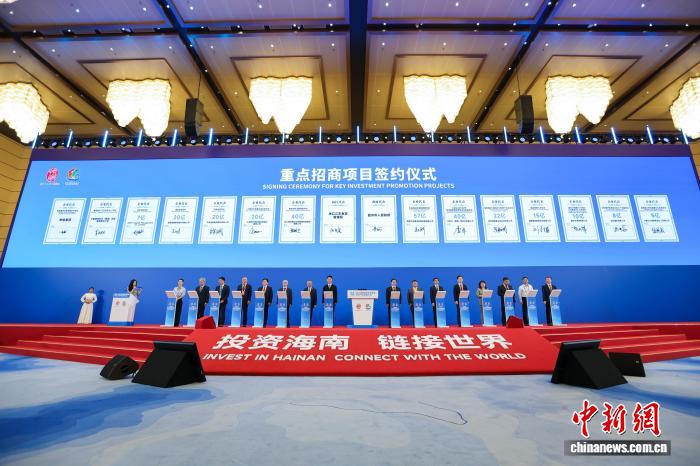
2025中国·澄迈国际经济贸易洽谈会即将登场。徐涛透露,截至目前,本次经洽会锁定意向签约项目超 200个,意向签约金额超过去年。 海南产经新观察:封关催热"投资自贸港" 中新网海口10月12日电 (陈英清)伴随海南自贸港建设推进,一个浙琼产业园落户海南省澄迈县老城科技 新城,吸引超威、宁德时代、阳光电源等一家家龙头企业前来对接合作。 4月14日,2025年海南自由贸易港全球产业招商大会在海南海口举行,众多世界500强企业、中国 500强企业以及民营企业500强企业派出代表出席,抢抓海南自贸港商机。 中新网记者 骆云飞 摄 今年是海南自贸港封关运作和扩大开放之年。澄迈县老城科技新城管理局局长李国娇近日受访时告诉记 者,今年以来,该园区已招引亿元以上社会投资项目16个,包括中能建零碳园区、高端石油装备再制造 产业园、浙江飞谷数字产业社区等6个超10亿元项目;同时,谋划4个10亿元以上的政府投资项目,其 中"全球出海之窗"项目预计年底前投入使用。 身处招商一线,澄迈县县长徐涛深切感受到海内外投资者对投资自贸港抱有极大的热情。他说,今年以 来,已有近千家企业到澄迈考察调研,正在洽谈项目290个,其中重点项目107个, ...
宜居天心正当时:一座区域价值高地的崛起
Sou Hu Cai Jing· 2025-10-07 08:45
Core Insights - The article highlights the significant investment potential of Tianxin District in Changsha, driven by major projects like the Changsha Olympic Sports Center and the National Medical Center, which are expected to elevate the area's value significantly [1][4]. Group 1: Development and Infrastructure - Tianxin District is undergoing a transformation with a strategic spatial planning system that includes three major development zones: the Northern Bund focusing on cultural preservation, the Central Provincial Government area aimed at youth-friendly urban living, and the Southern Integration Zone targeting high-standard urban planning [3]. - The Changsha Olympic Sports Center, located in the Southern Integration Zone, is set to be the largest sports venue in Hunan, addressing the lack of large-scale facilities and serving as a new engine for the integration of the Changsha-Zhuzhou-Xiangtan metropolitan area [3]. - The National Medical Center, particularly the new campus of Xiangya Hospital, will enhance local healthcare capabilities and foster a life sciences industry ecosystem, linking over 200 biomedical enterprises [3]. Group 2: Economic Growth and Investment - Tianxin District's economic growth is supported by a robust industrial development strategy, with a recent signing of 16 key projects totaling 19.28 billion yuan, covering sectors such as digital economy, low-altitude economy, new energy, and biomedicine [5]. - Since the establishment of the Southern Integration Zone development command in 2023, Tianxin District has signed 174 industrial projects, indicating a significant increase in both quantity and quality of investments [6]. - The district has implemented a favorable business environment with a streamlined approval process and supportive services for talent and education, enhancing its attractiveness for investors [6]. Group 3: Real Estate and Investment Outlook - Experts express optimism about the investment prospects in Tianxin District, advising investors to remain rational and align with the area's development pace [8]. - The Provincial Government area is recognized for its mature infrastructure and stable value, while the Southern Integration Zone presents greater growth potential due to ongoing major projects [8]. - The district is transitioning from "value discovery" to "value reassessment," with significant changes in infrastructure, industrial layout, and population structure expected to redefine the area's value [8].

数字经济对GDP增长贡献率过半的背后 河南“十四五”何以建设数智强省?
Zhong Guo Xin Wen Wang· 2025-09-27 01:39
Core Insights - The core viewpoint of the article is that during the "14th Five-Year Plan" period, Henan Province is expected to achieve an average annual growth rate of over 8% in its digital economy, contributing more than half of the GDP growth, thus becoming a key driver of economic growth [1]. Digital Infrastructure - Digital infrastructure is identified as the foundational support for the development of Henan's digital economy during the "14th Five-Year Plan" [2]. - Key indicators such as the scale of 5G networks and the total bandwidth of Zhengzhou's national internet backbone rank among the top in the country, solidifying Henan's position as an important information communication hub [2]. - The total computing power in the province has reached 9.8 E FLOPS, with a collaborative development pattern established around Zhengzhou and other cities [2]. Data Element Activation - As a national data element comprehensive pilot zone, Henan is actively exploring market-oriented reforms for data elements, aiming to release their value [3]. - The province has initiated pilot projects for data resource development and utilization, enhancing the transformation and upgrading of various sectors such as industrial manufacturing and modern agriculture [3]. - The Zhengzhou Data Trading Center has listed over 1,600 data products and services, facilitating mutual recognition with several domestic data trading institutions [3]. Data Industry Growth - The data industry ecosystem in Henan is thriving, with the industry scale nearing 200 billion yuan [4]. Digital Industry Advancement - Since the beginning of the "14th Five-Year Plan," Henan has focused on core digital economy industries, significantly enhancing its digital industry capabilities [5]. - The province ranks among the top in mobile phone production, with computer equipment production exceeding one million units annually [5]. - By 2024, the digital industry business revenue in Henan is expected to approach 800 billion yuan, supported by major projects like the Super Fusion Global Headquarters and the Unisoc Super Intelligent Factory [5]. Integration of Digitalization and Industry - Henan is promoting deep integration of digital technology with the real economy through various initiatives, including the establishment of digital transformation centers and support for leading enterprises [6]. - Key sectors such as smart manufacturing and digital agriculture are witnessing the emergence of benchmark application scenarios [6]. Digital Governance and Public Welfare - Digital applications in social sectors such as education, elderly care, and healthcare are becoming more accessible and convenient during the "14th Five-Year Plan" [7]. - The province has launched the first domestic clinical ophthalmology large model and established a provincial medical inspection mutual recognition system [7]. - The construction of smart cities in Zhengzhou has become a national model, with digital rural development fostering numerous provincial and national pilot projects [8].