数字经济创新发展

Search documents
四川:改革为笔 绘就数字经济创新发展新蓝图
Zhong Guo Fa Zhan Wang· 2026-01-12 08:42
Core Viewpoint - The Sichuan Provincial Development and Reform Commission has officially released the "Sichuan National Digital Economy Innovation Development Pilot Zone Construction Plan," aiming to establish Sichuan as a leading province in digital economy innovation by addressing key challenges and implementing targeted reforms [3][4]. Group 1: Strategic Focus - The plan emphasizes a problem-oriented and goal-oriented approach, focusing on the bottlenecks and challenges hindering high-quality digital economic development [3][4]. - Sichuan aims to integrate the digital economy with the real economy through institutional and technological innovations, fostering new productive forces for high-quality economic growth [4][5]. - The province has established a comprehensive electronic information industry ecosystem, with a core industry value added exceeding 530 billion yuan in 2024, representing 16.7% of the revenue from large-scale digital economy enterprises [4]. Group 2: Key Objectives and Challenges - The plan outlines four core objectives: gathering new technologies and business models in the digital economy, promoting effective digital transformation, upgrading digital infrastructure, and improving the digital governance ecosystem [5][6]. - Key challenges identified include strengthening core competitiveness in digital industries, enhancing the dynamism of emerging industries, and improving the shared infrastructure for data [6]. Group 3: Multi-Dimensional Initiatives - The plan includes 17 key initiatives across five areas: cultivating digital industry clusters, advancing intelligent technology innovations, deepening digital transformation, optimizing data infrastructure, and enhancing digital governance policies [7]. - A digital transformation promotion network will be established, featuring application scenario laboratories and transformation centers to facilitate industry transitions [7][8]. - The province will leverage national strategies like "East Data West Computing" to enhance data infrastructure and promote the integration of clean energy with computing resources [8][9]. Group 4: Support Mechanisms - A comprehensive support system will be developed, focusing on policy support, financial backing, and innovative mechanisms to ensure the effective implementation of the pilot zone construction [10][11]. - Specific financial measures include annual funding of up to 30 million yuan for digital industry clusters and support for digital transformation centers [10]. - Six work promotion mechanisms will be established to enhance collaboration across departments and regions, ensuring effective reform implementation [11].


培育200家智能制造先进工厂
Xin Lang Cai Jing· 2026-01-05 20:49
Group 1 - The Sichuan provincial government aims to cultivate 200 advanced smart manufacturing factories within 3 to 5 years as part of its digital economy innovation development plan [1] - The plan includes the establishment of 1 to 2 national-level emerging industry clusters and around 10 leading enterprises in the digital economy sector [1] - The initiative seeks to create approximately 20 digital application scenario laboratories and around 200 provincial digital transformation promotion centers [1] Group 2 - The strategy emphasizes a collaborative development model to enhance the overall layout of the digital industry across the province, aiming to build a significant national digital industry cluster [2] - Key cities like Chengdu and Mianyang will enhance their capabilities in smart equipment, new software, industrial internet, data security, and data infrastructure [2] - The plan includes exploring new business models in digital logistics, digital low-altitude, digital new energy, and intelligent connected vehicles [2]
“十四五”以来,天津市数据局为全市高质量发展贡献更多“数据”力量
Zhong Guo Fa Zhan Wang· 2025-12-10 07:13
Core Viewpoint - The Tianjin municipal government has made significant progress in the development of the digital economy during the "14th Five-Year Plan" period, focusing on data element marketization, digital economy growth, and smart city construction [1] Group 1: Data Element Value Release - The city has implemented a unified management system for public data, creating a resource directory of 54,000 entries and launching over 30 data products and services [2] - The "Automotive Industry Trusted Data Space" has been selected as a national pilot for trusted data space innovation, and four scenarios have been recognized as demonstration scenarios for public data [2] - A total of 604 high-quality industry data sets have been developed, with some being widely used in national data service platforms and supporting various industry model training [2] Group 2: Digital Economy Development - The core industries of the digital economy in Tianjin have maintained rapid growth, with revenue from large-scale enterprises increasing by 12.3% year-on-year in the first three quarters of this year [3] - The city has established 400 smart factories and digital workshops, leading the nation in the integration of information technology and industrialization [3] - Internet platform enterprises, such as those in flexible employment and network freight, have seen a revenue increase of 10% year-on-year [3] Group 3: Data Infrastructure Construction - The city has optimized its computing power resources, with a total computing power scale exceeding 14,000 PetaFLOPS, supporting over 9,000 national key projects [4] - The first integrated provincial computing power scheduling service platform in northern China has been put into operation, gathering 6,000 PetaFLOPS of intelligent computing power [4] - Policies supporting computing power vouchers have been introduced, with a total contract amount of 260 million yuan, effectively promoting AI development and industrial digital transformation [4] Group 4: Digital Economy International Cooperation - The 2025 Shanghai Cooperation Organization Digital Economy Forum was successfully held, attracting over 1,500 participants and resulting in the signing of 12 key cooperation projects [5] - The China-Shanghai Cooperation Organization Digital Economy Cooperation Platform has been established in Tianjin, with joint laboratories and cross-border data service platforms now operational [5] Group 5: Future Development Plans - The city aims to further promote the marketization and value realization of data elements, enhancing public data sharing and utilization [6] - Plans include high-level construction of the China-Shanghai Cooperation Organization Digital Economy Cooperation Platform and the National Digital Economy Innovation Development Pilot Zone [6] - The city will optimize data infrastructure layout and deepen smart city construction, focusing on integrated data platforms and digital governance [6]
2025首届汕头全球跨境电商博览会暨全域电商供应链展开幕
Sou Hu Cai Jing· 2025-11-28 06:13
Group 1 - The first Shantou Global Cross-Border E-Commerce Expo and All-Region E-Commerce Supply Chain Exhibition opened on November 27, 2025, at the Shantou International Convention and Exhibition Center [1] - The event aims to leverage cross-border e-commerce as a high-quality development strategy, focusing on institutional innovation, industrial development, and utilizing overseas Chinese resources [3] - The expo is designed to create a high-end platform for precise supply-demand matching and industrial collaboration, contributing to Shantou's goal of becoming a cross-border e-commerce hub in Eastern Guangdong [4] Group 2 - The theme of the expo is "Industry Gathering, Global Trade," which aims to connect global cross-border e-commerce platforms, quality industrial sources from Eastern Guangdong, and domestic and international buyers [4] - A new cross-border e-commerce platform empowerment plan was launched at the event, facilitating cooperation between exhibiting companies and buyers for cross-border procurement [6]

广东明确3年内数字经济创新发展试验区建设目标:打造3个万亿级集群 AI核心产业规模超4400亿元
Zheng Quan Shi Bao· 2025-11-21 00:44
Core Insights - The Guangdong Provincial Government has officially issued the "Guangdong Province National Digital Economy Innovation Development Pilot Zone Construction Plan (2025-2027)", aiming to establish Guangdong as a leading global digital economy hub by 2027 [1] - The plan sets specific targets, including maintaining the highest digital economy development level in China, with the core digital economy industry accounting for over 16% of GDP, and creating three trillion-level digital industry clusters [1][2] Summary by Sections Digital Economy Development Goals - By 2027, the digital economy's core industry added value is expected to exceed 16% of GDP, with an annual compound growth rate of over 15% for the data industry [1] - The artificial intelligence core industry scale is projected to exceed 440 billion yuan, and over 60,000 large-scale industrial enterprises are expected to undergo digital transformation [1] Key Tasks for Implementation - **Data Element Marketization Reform**: Focus on enhancing the supply of core elements and ensuring effective data flow and utilization [1] - **Infrastructure Optimization**: Establish a reliable data circulation network and a green collaborative computing network [1][2] - **Core Technology Breakthroughs**: Promote innovations across the entire digital industry chain, from data to terminal [2] - **Digital Transformation**: Accelerate the digital upgrade of traditional enterprises and emphasize the role of artificial intelligence [2] - **Digital Economy Vitalization**: Support the establishment of digital finance investment funds and encourage state-owned enterprises to invest in the digital economy [2] - **Collaborative Development**: Enhance cooperation within the Guangdong-Hong Kong-Macao Greater Bay Area and promote international collaboration [2]
广东,重磅方案落地!
证券时报· 2025-11-20 10:40
Core Viewpoint - The Guangdong Provincial Government has officially released the "Guangdong Province National Digital Economy Innovation Development Pilot Zone Construction Plan (2025-2027)", aiming to establish Guangdong as a leading global digital economy hub by 2027 [2][3]. Summary by Sections Goals and Objectives - By 2027, Guangdong aims to maintain the top position in digital economy development in China, with the core digital economy industries' added value accounting for over 16% of GDP. The plan includes creating three trillion-yuan digital industry clusters and achieving an annual compound growth rate of over 15% in the data industry [3]. Major Tasks - The plan outlines six major tasks focusing on market-oriented data element allocation reform, data infrastructure optimization, artificial intelligence empowerment, appropriate reform, and open cooperation [5][6]. - **Data Element Marketization**: Emphasizes the need for effective supply, flow, and utilization of data elements [5]. - **Data Infrastructure**: Aims to establish a reliable data circulation network and enhance collaborative computing capabilities [5]. - **Appropriate Reform**: Focuses on institutional innovation to promote healthy development of the digital economy and improve the business environment [5]. - **Core Technology Breakthroughs**: Encourages advancements in digital technology and the establishment of resilient industrial chains [6]. - **Digital Transformation**: Promotes comprehensive digital transformation across enterprises and industries, highlighting the role of AI [6]. - **Collaborative Development**: Aims to enhance cooperation within the Guangdong-Hong Kong-Macao Greater Bay Area and expand international digital economic collaboration [6]. Reform Measures - The plan includes 158 reform measures across seven key areas, focusing on addressing bottlenecks in high-quality digital economy development and promoting systemic layout and local adaptability [8]. National Context - The establishment of pilot zones, including Guangdong, is part of a broader national strategy to enhance digital economy capabilities, with a focus on key carriers such as enterprises and cities [9]. Other regions like Shanghai and Jiangsu are also implementing similar strategies to foster digital industry clusters and promote data element marketization [9].

长三角数字“先锋”引领创新
Guo Ji Jin Rong Bao· 2025-10-29 04:25
Core Viewpoint - The National Bureau of Statistics has approved the construction plans for digital economy innovation development pilot zones in seven provinces, including Zhejiang, Shanghai, and Jiangsu, which will serve as models for national digital economy development [1][5]. Group 1: Digital Economy Development in Shanghai - Shanghai is actively implementing national strategies to enhance its digital economy, focusing on blockchain applications and fostering a robust ecosystem [2]. - The artificial intelligence industry in Shanghai has seen rapid growth, with its scale expected to exceed 400 billion yuan in 2024, marking a year-on-year increase of over 7%, and projected to surpass 450 billion yuan by 2025 [2]. - The city has established a development pattern with innovation hubs in both Xuhui and Pudong, attracting numerous innovative enterprises and young talent, thereby continuously enhancing innovation density [2]. Group 2: Jiangsu's Digital Economy Strategy - Jiangsu is promoting a "gradient division of labor and functional complementarity" approach to develop its digital economy, with southern cities leading in high-value areas like model algorithms and trusted circulation [3]. - The province plans to explore market-oriented practices for data elements through a four-dimensional collaboration model, which includes institutional innovation, industry cultivation, infrastructure, and scenario empowerment [3]. Group 3: Zhejiang's Approach to Digital Economy - Zhejiang is focusing on dual empowerment through comprehensive data element trials and digital economy innovation, enhancing the innovation ecosystem involving enterprises, talent, markets, and platforms [3]. - The province aims to strengthen inter-departmental collaboration and refine policy integration to ensure effective implementation of pilot tasks, thereby creating replicable and promotable practices [3]. Group 4: Regional Collaboration and Institutional Innovation - The collaboration among Shanghai, Jiangsu, and Zhejiang highlights the importance of regional synergy in developing a robust digital industry ecosystem [4]. - Institutional innovations, such as Shanghai's data regulations and Jiangsu's four-dimensional collaboration, are crucial for the healthy development of the digital economy, ensuring data market order and protecting data security [4]. - The practices in Jiangsu and Zhejiang regarding the marketization and valuation of data elements provide valuable experiences for national implementation [4].

江苏加快探索数字经济创新发展新路径
Zhong Guo Fa Zhan Wang· 2025-10-27 08:03
Core Insights - The National Bureau of Statistics has approved the establishment of national digital economy innovation development pilot zones in Jiangsu and six other provinces, emphasizing a problem-oriented approach and systematic layout to address key issues in data marketization and digital industry integration [1] - Jiangsu province is recognized as a major player in the digital economy, showcasing a diverse development model that includes various cities focusing on different aspects of the digital economy, such as data processing and algorithm development [1] Group 1: Pilot Zone Construction - The pilot zones will focus on seven key tasks including resource allocation, infrastructure, innovation, industry transformation, and governance, encouraging local experimentation and the sharing of successful practices at a national level [1] - Jiangsu will undertake 31 out of 158 reform initiatives outlined for the pilot zones, indicating its significant role in the national strategy [1] Group 2: Data Marketization and Infrastructure - The provincial data bureau plans to implement a comprehensive reform of data marketization, establishing a unified data trading hub and improving data property rights mechanisms [2] - There will be a three-year action plan to enhance public data utilization, aiming to create a thriving data trading ecosystem that transforms data from a policy concept into a core engine for economic value [2] Group 3: Data Industry Development - Initiatives will be taken to cultivate and expand data enterprises, including the establishment of a key data enterprise cultivation database and the development of provincial data industry parks [3] - The focus will be on creating a robust data industry ecosystem that supports the development of data resources and public service platforms, particularly in data-intensive sectors like artificial intelligence [3] Group 4: Infrastructure and Application Scenarios - The strategy includes a combination of policies to enhance data infrastructure, such as the integration of computing power and data circulation facilities [4] - There will be efforts to explore high-value data application scenarios through competitions and case studies, promoting the integration of artificial intelligence across various industries [4]
国家数字经济创新发展试验区推出158项改革
Xin Hua She· 2025-10-17 07:39
Core Viewpoint - The establishment of seven national digital economy innovation development pilot zones in Tianjin, Hebei (Xiong'an New Area), Shanghai, Jiangsu, Zhejiang, Guangdong, and Sichuan aims to implement 158 reform measures across seven areas to promote digital economy growth and innovation [1][2] Group 1: Pilot Zone Initiatives - Shanghai plans to leverage the Yangtze River Delta data cooperation mechanism to enhance data sharing, innovation collaboration, and scenario openness, aiming to build a trillion-level digital industry cluster [1] - Jiangsu intends to explore market-oriented value realization of data elements through a four-dimensional collaboration of institutional innovation, industry cultivation, infrastructure, and scenario empowerment, facilitating traditional industry upgrades and nurturing emerging industries [1] - Zhejiang aims to integrate comprehensive data element testing and dual empowerment of digital economy innovation, enhancing innovation systems involving enterprises, talent, markets, and platforms, and promoting deep integration of technological and industrial innovation [1] - Guangdong will focus on implementing major regional strategies, leveraging geographical advantages, and exploring new avenues in elements, facilities, industries, openness, and mechanisms [1] Group 2: Future Directions - The National Data Bureau will collaborate with relevant parties to ensure timely progress and effectiveness of pilot tasks, aiming to create replicable and promotable practices and development experiences in the data sector [2] - The initiative seeks to establish a high ground for technological innovation and industrial development, supporting local areas in integrating the real economy with the digital economy [2] - The goal is to generate regional industrial upgrade drivers, regional economic growth poles, and new engines for international trade cooperation, ultimately promoting high-quality development [2]
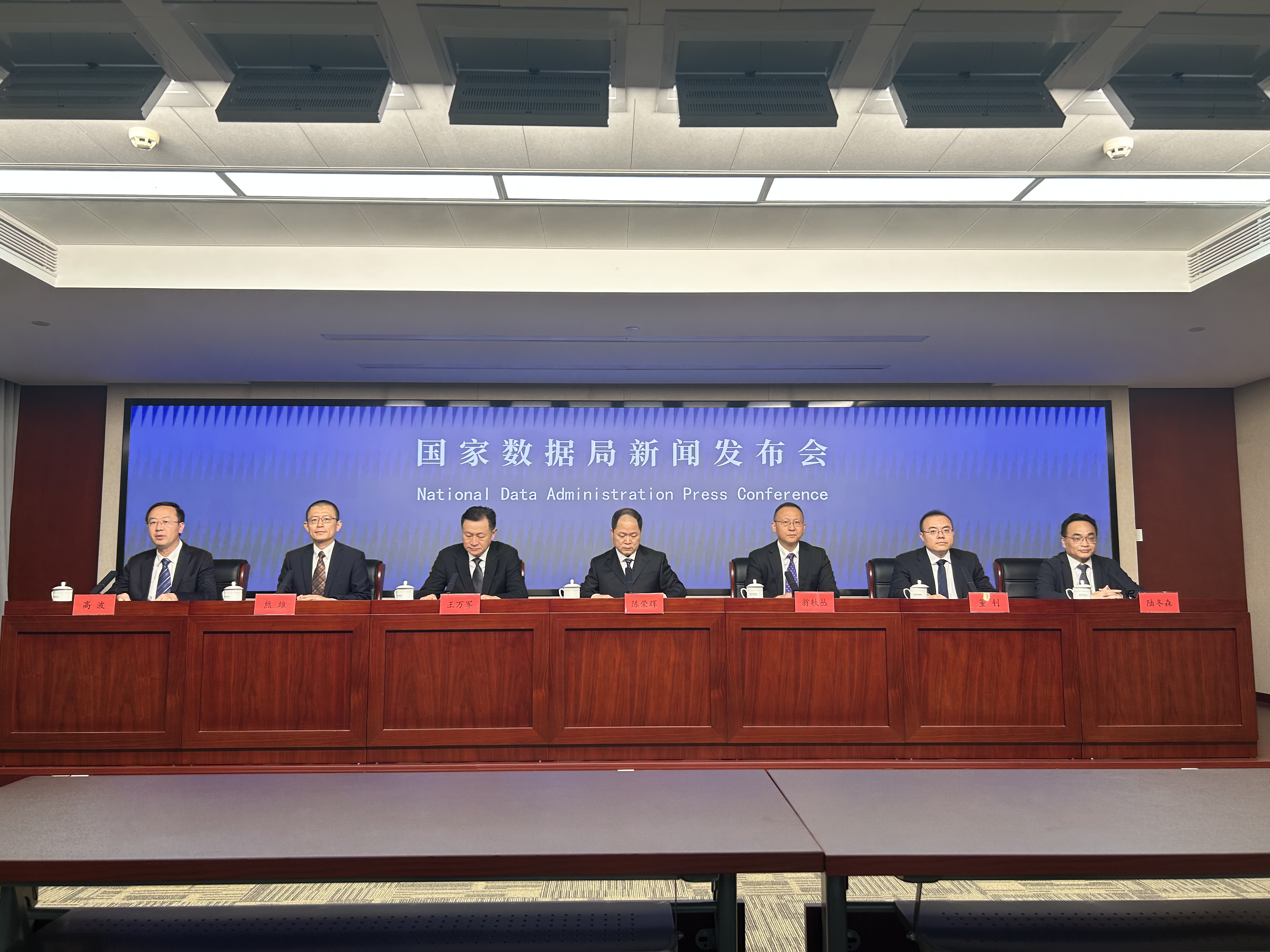
国家数据局:国家数字经济创新发展试验区围绕7方面158项改革举措开展试点试验
Zheng Quan Ri Bao Wang· 2025-10-16 02:26
Core Viewpoint - The National Data Bureau is promoting the establishment of digital economy innovation development pilot zones across seven regions in China to enhance the high-quality development of the digital economy and address key bottlenecks [4]. Group 1: Background and Objectives - The pilot zones aim to implement the decisions of the Central Committee and the State Council regarding digital economy development, supporting local innovation [4]. - Seven regions, including Tianjin, Hebei (Xiong'an New Area), Shanghai, Jiangsu, Zhejiang, Guangdong, and Sichuan, have been approved for pilot zone construction, focusing on 158 reform measures across seven areas [4]. Group 2: Key Tasks and Strategies - The construction of pilot zones emphasizes problem orientation and a combination of short-term and long-term goals, addressing urgent issues and aligning with the "14th Five-Year Plan" [4]. - A systematic layout is reinforced, focusing on seven key tasks: elements, facilities, innovation, industry, transformation, cooperation, and governance, while allowing local adaptations [4]. - Enhanced horizontal collaboration and vertical linkage are prioritized, with national-level support for data, funding, and project resources, aiming to transform successful pilot practices into national policies [4]. Group 3: Regional Initiatives - Shanghai plans to leverage the Yangtze River Delta data cooperation mechanism to enhance data sharing and collaborative innovation, aiming to build a trillion-level digital industry cluster [5]. - Jiangsu aims to explore market-oriented practices for data elements through a four-dimensional collaboration model, facilitating traditional industry upgrades and nurturing emerging industries [5]. - Zhejiang focuses on dual empowerment of comprehensive data element trials and digital economy innovation, promoting deep integration of technological and industrial innovation [5]. - Guangdong intends to implement major regional strategies and leverage its geographical advantages to explore new avenues in elements, facilities, industry, openness, and mechanisms [5]. Group 4: Future Directions - The National Data Bureau will work with relevant parties to ensure timely progress and effectiveness of pilot tasks, aiming to create replicable and promotable models and experiences in the data sector [5]. - The goal is to establish a high ground for technological innovation and industrial development, supporting local regions in integrating the real economy with the digital economy, thereby driving regional industrial upgrades and economic growth [5].