数字产业

Search documents
攻坚应变顶压前行 稳中有进向新向优——《2025年国民经济和社会发展统计公报》评读
Xin Hua Wang· 2026-02-28 01:54
Core Insights - The article emphasizes the significant achievements of China's economy in 2025, highlighting the resilience and adaptability in the face of complex domestic and international challenges [2][3]. Economic Growth and Development - In 2025, China's GDP grew by 5.0%, surpassing 140 trillion yuan for the first time, marking a successful completion of the "14th Five-Year Plan" [3]. - The economic growth resulted in an increase of over 5 trillion yuan, reflecting enhanced production capabilities in agriculture and industry, as well as a vibrant service sector [3]. Per Capita Development - China's per capita GDP reached 99,665 yuan, a 5.1% increase from the previous year, translating to approximately 13,953 USD, maintaining above 13,000 USD for three consecutive years [4]. - Labor productivity improved by 6.1%, outpacing economic growth by 1.1 percentage points [4]. International Influence - China's 5% economic growth positioned it among the top global economies, contributing approximately 30% to world economic growth [5]. - In 2025, China's goods imports reached 18.5 trillion yuan, maintaining its status as the world's second-largest import market for 17 consecutive years [5]. Modern Industrial System - The modernization of the industrial system accelerated, with R&D expenditure increasing by 8.1%, reaching 2.80% of GDP, surpassing the OECD average for the first time [6][7]. - High-tech manufacturing value added grew by 9.4%, accounting for 17.1% of total industrial value added [7]. Digital Economy - The digital economy thrived, with the value added of digital product manufacturing increasing by 9.3% and the information technology service sector growing by 11.1% [8]. - Online retail sales approached 16 trillion yuan, reflecting an 8.6% growth [8]. Domestic and International Circulation - Domestic consumption reached over 50 trillion yuan, with a 3.7% increase, contributing 67.3% to economic growth [10]. - The total goods import and export volume exceeded 45 trillion yuan, marking a 3.8% increase and solidifying China's role in global supply chains [11]. High-Quality Development - The focus on high-quality development led to significant reforms, including a reduction in market access restrictions and an increase in new business registrations [12][13]. - The urbanization rate reached 67.89%, with rural residents' income growing by 6.5% [13]. Green Transition - Clean energy consumption rose to 30.4% of total energy consumption, with significant reductions in energy intensity and carbon emissions [14]. - The production of new energy vehicles exceeded 16 million units, maintaining a global leadership position [14]. Social Welfare - The urban unemployment rate averaged 5.2%, with 12.67 million new jobs created, supporting a 5.0% increase in per capita disposable income [15][16]. - Social services expanded, with significant increases in healthcare and education infrastructure, enhancing overall quality of life [16].
走进长春网红打卡地——长新创谷
Xin Lang Cai Jing· 2026-02-26 00:06
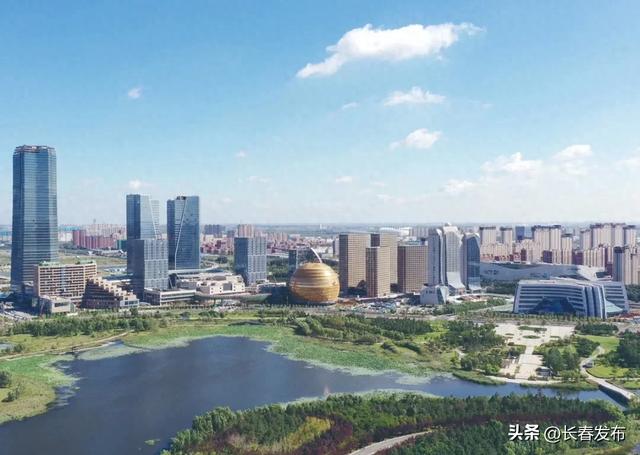
Group 1 - The core idea of the news is the continuous development of Changchun, with the introduction of new popular tourist spots, increasing from 100 in 2023 to 150 by 2025, aiming to convert online traffic into actual visitors [1] - The initiative includes a daily online tour of a new popular spot to enhance the tourism culture brand of Changchun [1] Group 2 - Changxin Innovation Valley, consisting of 12 buildings, is positioned as a high-end technology innovation center and service industry cluster in Changchun New District, supporting the national "Belt and Road" initiative [3] - The development aims to attract innovative and entrepreneurial enterprises in various sectors, including technology innovation, digital industry, and financial services [3] - Changxin Innovation Valley is expected to become a vibrant business hub, enhancing the service industry profile of Changchun [5]

长沙纵深推进全球研发中心城市建设
Chang Sha Wan Bao· 2026-02-25 02:09
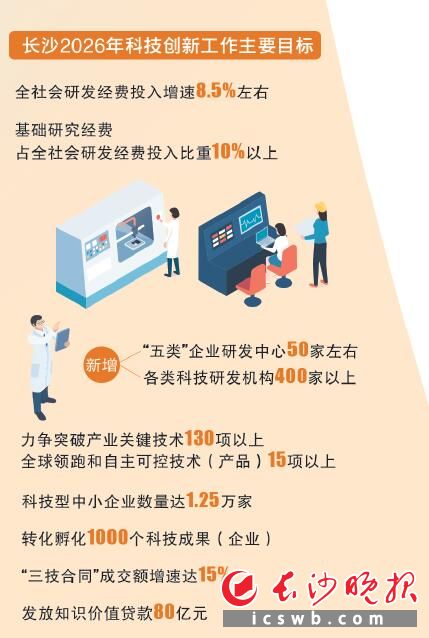
Core Viewpoint - Changsha is committed to building a competitive technology innovation hub and advancing the construction of a global R&D center city, as outlined in the 2026 Action Plan, which sets ambitious targets for technological innovation and integration with industry [2][3]. Group 1: Key Targets and Goals - The overall R&D expenditure growth is targeted at approximately 8.5%, with basic research funding accounting for over 10% of total R&D expenditure [2]. - The plan aims to establish around 50 new R&D centers for five categories of enterprises and over 400 various R&D institutions [2]. - The goal is to achieve breakthroughs in over 130 key industrial technologies and to develop more than 15 globally leading and independently controllable technologies/products [2]. - The number of technology-based SMEs is expected to reach 12,500, with the aim of incubating 1,000 technology achievements (enterprises) [2]. - The "Three Technology Contracts" transaction volume is projected to grow by 15%, and knowledge value loans of 8 billion yuan will be issued [2]. Group 2: Focus Areas of the Action Plan - The Action Plan systematically deploys 18 key tasks across seven major areas, emphasizing the importance of high-quality innovation platforms and high-energy innovation platforms [3][4]. - Six of the 18 tasks focus on the construction of high-quality innovation carriers and platforms, highlighting their significance in the overall strategy [4]. Group 3: Integration of Technology and Industry - The plan emphasizes the deep integration of technological innovation and industrial innovation, aiming to enhance the supply of high-quality technology [6]. - It includes the release of ten major technology tackling projects and the expansion of significant scientific and technological special projects to empower the construction of a new type of industrialization demonstration zone [6]. Group 4: Development of High-Level R&D Platforms - The plan includes the construction of high-level municipal technology innovation platforms in key areas such as advanced computing, aerospace, and innovative pharmaceuticals [5]. - It aims to increase the proportion of technology innovation platforms that meet the "four global" characteristics to 15% [5]. Group 5: Technology Transfer and Financial Support - The Action Plan focuses on building an efficient technology transfer system, with initiatives to enhance the maturity of technology achievements and establish verification centers and pilot platforms [8]. - Financial support systems for technology are to be improved, including increasing the limits and extending the terms of knowledge value loans for technology-based enterprises [8]. Group 6: Ecosystem and International Cooperation - The plan aims to create a high-level open innovation collaborative system and a vibrant technology innovation ecosystem [9][10]. - It includes initiatives for international cooperation, such as attracting international technology organizations and supporting high-quality international talent projects [11].
31省2025年GDP排名:上海5.6万亿仅第9,北京破5万亿仍无缘前十
Sou Hu Cai Jing· 2026-02-11 16:27
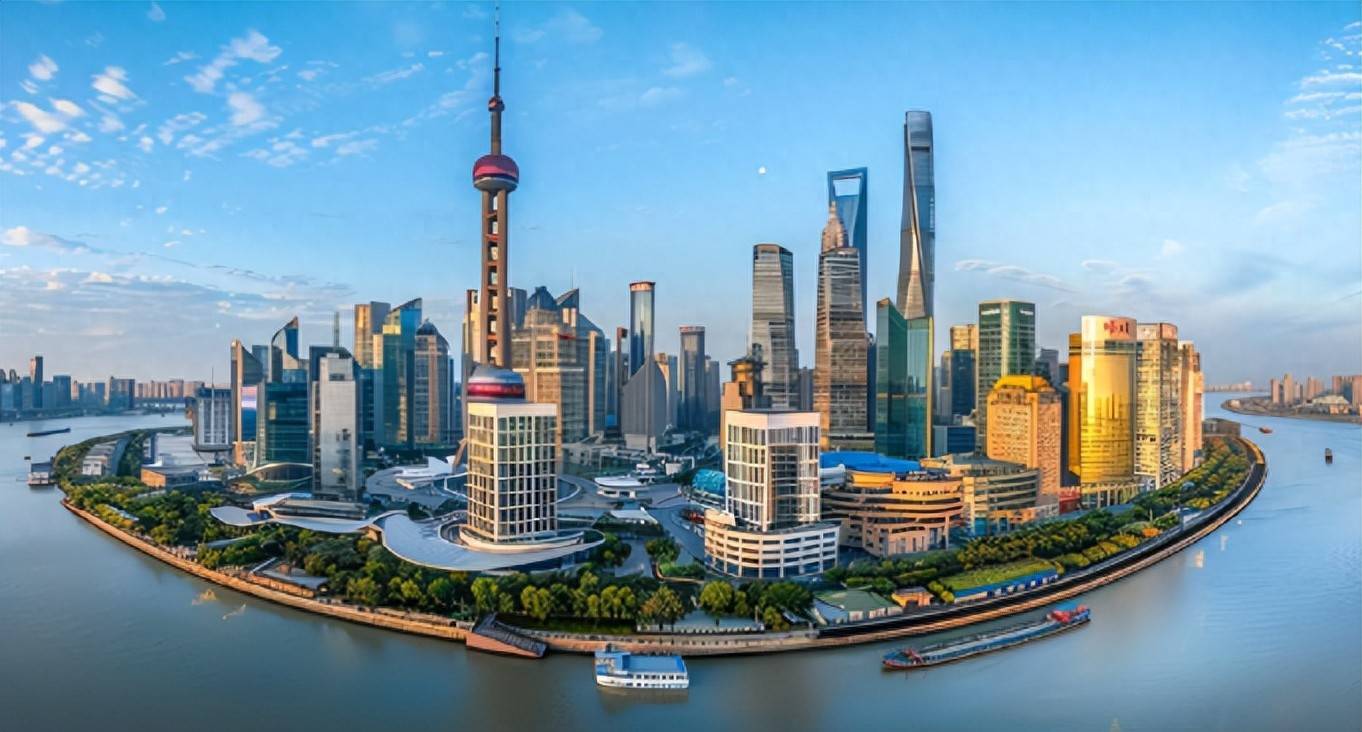
Core Insights - The economic ranking reveals that Shanghai, with a GDP of 5.6 trillion, ranks only 9th nationally, while Beijing surpasses the 5 trillion mark but remains outside the top ten [1][3] - The leading province, Guangdong, has a significant economic advantage, with a GDP of 14 trillion, driven by diverse industries and population growth [9][11] Economic Rankings - The rankings reflect provincial capacity rather than city strength, indicating that cities like Shanghai and Beijing are limited by their geographical boundaries [5][7] - The rankings are not suitable for assessing city strength, as they primarily show who can maximize provincial capacity rather than who leads in economic performance [7][25] Guangdong's Economic Structure - Guangdong's economic strength is attributed to a balanced development across population, industry, and trade, making it resilient to fluctuations in any single sector [9][11] - The province has been addressing internal imbalances, leading to rapid income growth in rural areas and a steady influx of labor into cities [9][11] Mid-tier Provinces - Mid-tier provinces like Shandong, Zhejiang, and Sichuan are showing significant growth, supported by diverse industries that provide stability against external pressures [13][15] - These provinces are transitioning to high-tech manufacturing and digital industries, indicating a structural shift that may not immediately reflect in rankings but will influence future growth [17][19] Growth Dynamics - Some provinces with lower total GDP are experiencing faster growth, indicating a shift in economic dynamics where growth is becoming more distributed across regions [19][23] - The gap between the top and bottom provinces is widening, with some regions still struggling to reach the trillion mark while others are advancing rapidly [21][25] Conclusion - The GDP rankings serve to highlight regional disparities and the different paths taken by provinces, with Guangdong's robust structure and the strategic shifts of Beijing and Shanghai illustrating varied economic strategies [25][27]
培育经济内生增长新动能
Ren Min Ri Bao· 2026-02-11 01:27
Core Viewpoint - The Chinese government emphasizes the importance of expanding domestic demand as a strategic foundation for economic development, highlighting the need for a consumption-driven growth model that enhances the quality of economic circulation and strengthens domestic economic dynamics [1]. Group 1: Youth Consumption and Economic Dynamics - Youth consumption is recognized as a vital force in driving supply innovation, promoting industrial upgrades, and enhancing the internal dynamics of economic growth [1]. - The role of youth consumption is evolving, serving not only to meet the needs of a better life but also to stimulate supply-side innovation and facilitate the restructuring of economic factors [1]. Group 2: The Interdependence of Production and Consumption - According to Marxist political economy, production and consumption are interdependent, with consumption playing a crucial role in shaping productivity and driving innovation [2]. - Youth consumption exemplifies new growth momentum and innovation facilitation, particularly through service outsourcing that optimizes human capital allocation and enhances overall productivity [2]. Group 3: Innovation through Youth Consumption - Youth are often early adopters of new products and technologies, which accelerates the iteration of technology and fosters innovation through demand-driven signals [3]. - The emergence of "third spaces" such as cafes and cultural salons serves as venues for knowledge exchange and creative collaboration, further stimulating urban economic development [3]. Group 4: Data as a Key Economic Factor - In the digital economy, youth act as data producers, generating valuable data through their online interactions, which can be utilized to optimize production processes and enhance supply-demand matching [4]. - The accumulation of data from youth consumption behaviors supports the digital economy by enabling companies to achieve precise research and personalized services, thereby improving resource allocation efficiency [4]. Group 5: Policy Recommendations for Enhancing Youth Consumption - To maximize the innovative potential of youth consumption, it is essential to integrate encouragement for youth consumption into the broader strategy of expanding domestic demand, focusing on efficiency, innovation, and value transformation [5]. - Recommendations include improving service supply systems, optimizing new consumption environments, and enhancing data governance to support the healthy development of new business models and cultural offerings [5].
深圳政协委员为深圳改革开放、高质量发展建言献策
Zhong Guo Fa Zhan Wang· 2026-02-10 08:36
Group 1: AI and Digital Economy - Shenzhen's digital economy core industry added value is expected to exceed 1 trillion yuan in 2024, accounting for 10% of the city's GDP, showing steady year-on-year growth [1] - The demand for composite digital talents is experiencing explosive growth due to the expansion of digital industry clusters such as artificial intelligence, big data, and industrial internet [1] - The current digital education transformation in higher education faces challenges, including uneven infrastructure, insufficient curriculum integration with digital strategies, and weak collaboration with leading digital economy enterprises [2] Group 2: Park Development and Urban Innovation - Shenzhen has built 1,350 parks, creating a high-density public space network that can serve as a low-cost, high-traffic platform for enterprises, especially startups [3] - There is a noticeable gap between the functional supply of parks and the large market demand, indicating the need for a more innovative approach to park utilization [3] - Suggestions include implementing a thematic renovation project and exploring market-oriented operations to enhance the parks' roles in economic development [3] Group 3: Semiconductor and Integrated Circuit Industry - The semiconductor and integrated circuit industry is identified as a strategic and foundational sector for economic development, with Shenzhen aiming to build a world-class innovation hub [4] - Pingshan District has formed a relatively complete industrial chain in the semiconductor sector, with chip manufacturing capacity exceeding 50% of the city's total [4] - Recommendations include supporting the establishment of a semiconductor and integrated circuit industry cluster in Pingshan and advancing packaging projects to enhance competitiveness [4]
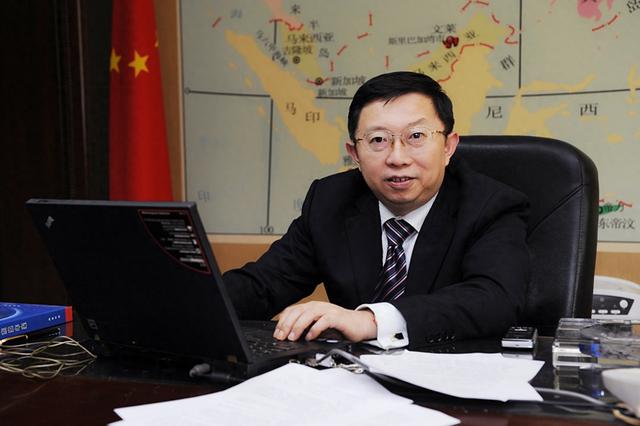
RCEP产业合作委员会主席许宁宁:中国企业“出海”东盟的发展机遇大于挑战
Xin Lang Cai Jing· 2026-02-05 15:06
Group 1 - In 2025, China's total goods trade import and export value reached 45.47 trillion yuan, marking a historical high with a year-on-year growth of 3.8%, maintaining growth for nine consecutive years [2] - ASEAN remains China's largest trading partner, with trade value between China and ASEAN reaching 7.55 trillion yuan in 2025, a year-on-year increase of 8%, accounting for 16.6% of China's total foreign trade [2] - The RCEP (Regional Comprehensive Economic Partnership) continues to play a stabilizing role, with trade value between China and other RCEP members reaching 13.85 trillion yuan in 2025, growing by 5.3%, surpassing the overall growth rate of China's foreign trade [3] Group 2 - The RCEP has established the world's largest free trade area, and there is a call for China and ASEAN to promote RCEP construction to create a unified regional market and enhance multilateral trade systems [3] - Technological innovations such as artificial intelligence and digital economy are becoming increasingly important areas of cooperation between China and ASEAN, with plans for a digital cooperation action plan from 2026 to 2030 [3] - ASEAN has become a concentrated area for Chinese enterprises' overseas investments due to factors like labor costs, cultural proximity, geographical location, resource endowment, and market potential [4] Group 3 - The economic growth forecast for Southeast Asia in 2026 shows varying rates, with Vietnam expected to grow by 7.6%, followed by the Philippines at 5.3%, and Cambodia at 5.1% [5] - Challenges remain for some ASEAN countries, including political and economic instability, which necessitates careful risk assessment by enterprises [5] - Recommendations for Chinese enterprises to enhance localization and sustainable development in ASEAN include understanding local conditions, leveraging free trade policies, and establishing sustainable partnerships [5]
转型升级加快,制造“基石”更稳
Xin Hua Ri Bao· 2026-02-04 21:44
Group 1: Manufacturing Industry Growth - In 2025, the manufacturing sector in the province is expected to achieve a sales revenue growth of 3.8% year-on-year, surpassing the overall provincial sales growth by 2 percentage points [1] - The manufacturing sales scale remains the largest in the country, accounting for 44.4% of the total provincial sales, an increase of 0.9 percentage points from the previous year [1] Group 2: Intelligent Upgrading - The procurement of intelligent equipment by manufacturing enterprises is projected to increase by 5.8% year-on-year in 2025, indicating a faster pace of intelligent transformation and digitalization [2] - Sales revenue for industrial robots and special operation robots is expected to grow by 19.7% and 28.7% year-on-year, respectively [2] Group 3: Green Transformation - In 2025, the sales revenue of high-energy-consuming manufacturing industries is expected to decrease by 1.4 percentage points, reflecting an optimization of the industrial structure [3] - The sales revenue of the lithium-ion battery manufacturing industry is projected to grow by 22.6% year-on-year, highlighting the rapid development of related new energy industries [3] Group 4: Environmental Investment - Jiangsu Longjiang Steel Co., Ltd. has increased its green production line renovation investment by 220% year-on-year, achieving a water recycling rate of 99.5% [4] - XuGong Fudi Battery Technology Co., Ltd. anticipates a revenue of approximately 900 million yuan in 2025, representing an 800% year-on-year increase, driven by innovation and technology empowerment [4] Group 5: Digital Integration - The manufacturing sector's procurement of digital technology is expected to grow by 10.3% year-on-year in 2025, with an acceleration of 4.7 percentage points compared to the previous year [5] - Companies are increasingly focusing on integrating advanced technologies such as AI and industrial internet to enhance their core competitiveness and drive smart manufacturing [5]
两会会客厅|加快建设“一带四基地” 挺起邢台产业新脊梁
Xin Lang Cai Jing· 2026-02-04 15:23
Group 1: Digital Economy Development - The focus of the local government is on accelerating the construction of a digital industry base, with a strong emphasis on integrating digital and physical economies [5][6] - A proposal was made to create a comprehensive digital industry chain map to identify gaps and opportunities for development, aiming to enhance the local digital economy [6] - The ultimate goal is to empower the real economy through digital technologies, particularly in local industries such as cashmere, cable manufacturing, and children's products [6] Group 2: Renewable Energy Industry Growth - The city is developing a multi-track renewable energy equipment industry cluster, with significant investments planned, including 27 projects totaling nearly 55 billion yuan by 2025 [9][10] - There is a strong emphasis on creating a collaborative ecosystem among leading enterprises and small to medium-sized enterprises to enhance innovation and competitiveness [10] - The establishment of standardized service processes has significantly reduced project timelines, providing a model for efficient project management [10] Group 3: Food Processing Industry Advancement - The food processing industry has seen substantial investment, with 147 projects completed and annual revenue surpassing 50 billion yuan, aiming to become a national leader in this sector [14][15] - The driving force for upgrading the industry is identified as technological innovation, with a focus on attracting resources to leading enterprises for research and development [15] - There is a push to transition from basic processing to high-value-added products, leveraging local agricultural resources to enhance competitiveness and economic benefits [15]

中国正能量|漫评:激荡时代浪潮,绘就昂扬奋进精彩画卷
Xin Lang Cai Jing· 2026-02-04 11:16
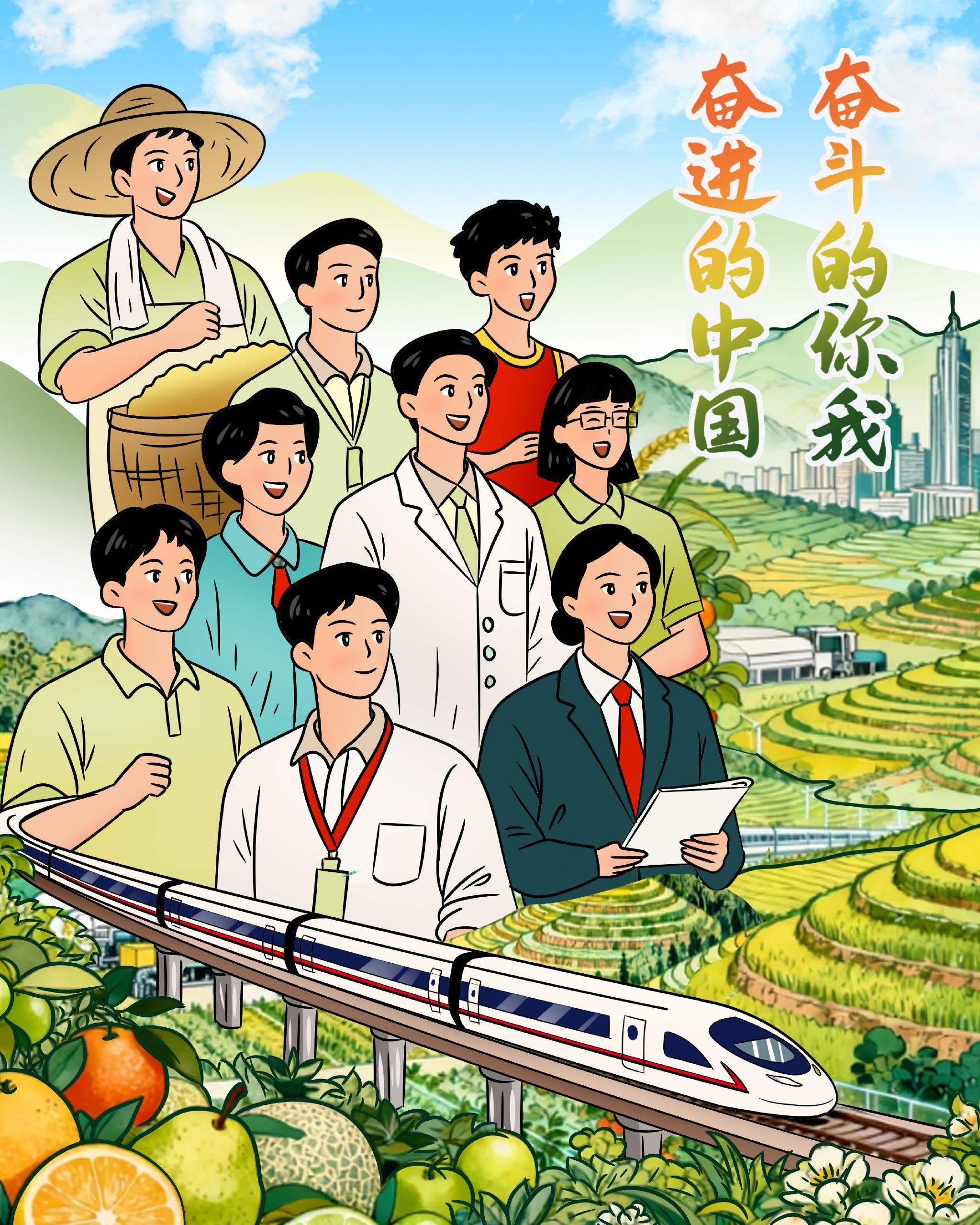
Core Viewpoint - The 2025 China Positive Energy Network Boutique Collection and Broadcasting Activity is currently underway, focusing on the theme "You and I Striving, China Advancing," aiming to resonate with the public and inject strong energy into national construction and rejuvenation [2][4]. Economic Development - In 2025, China's GDP is projected to exceed 140 trillion yuan, achieving a growth rate of around 5%, placing it among the leading major economies globally, showcasing strong development resilience and internal momentum [2]. - The total grain output is expected to stabilize above 1.4 trillion jin, ensuring food security [2]. - The operational mileage of China's high-speed rail is set to surpass 50,000 kilometers, enhancing innovation-driven development [2]. - The integration of the digital economy with the real economy is deepening, with emerging industries such as artificial intelligence and industrial internet thriving [2]. Social Contributions - Numerous ordinary individuals are highlighted for their contributions, such as a bank employee who rescued four drowning individuals and an agricultural expert who improved crop yields over 50 years [3]. - The dedication and qualities of these individuals contribute to a nurturing social environment, fostering a culture of kindness and resilience [3]. Cultural and Value Promotion - The activity aims to select impactful online content that reflects mainstream values, capturing the experiences of ordinary workers and their contributions to societal progress [3]. - The collection includes well-crafted texts, images, and videos that resonate with the public, enhancing the expression of mainstream values and creating a sense of community among netizens [3][4]. Future Vision - The event serves not only as a showcase of achievements but also as a mobilization for the future, encouraging individuals to be both witnesses and creators of positive energy [4]. - The collective efforts of individuals are expected to contribute significantly to national rejuvenation, propelling China towards a brighter future [4].