智能穿戴设备

Search documents
对话闪极张波:从哪里跌倒就从哪里爬起来,我们没有停止做AI眼镜
雷峰网· 2026-01-01 03:34
Core Viewpoint - The article discusses the challenges and transformations faced by the company Flash, particularly in the AI glasses sector, highlighting the shift from aggressive pricing strategies to a focus on product quality and user experience [3][4][5]. Group 1: Company Challenges and Responses - Flash's first-generation AI glasses, A1, faced significant issues, including poor camera quality and unstable Bluetooth connectivity, leading to a halt in production and a full refund for customers [4][11]. - The company acknowledged underestimating the engineering difficulties associated with AI glasses, which contributed to the product's failure [4][11][18]. - The negative publicity surrounding the A1 product led to a strategy of silence from the company, which ultimately became a negative example in the industry [16][18]. Group 2: Product Development and Strategy - The new generation of AI glasses, Loomos L1, features a complete system overhaul, including advanced dual-core architecture and a lightweight design under 20g, aimed at improving user experience [4][5]. - The company has shifted its focus from competing on price to enhancing product quality, recognizing that user comfort and functionality are paramount [5][41]. - The new pricing strategy for Loomos L1 is set at 2999 yuan, reflecting a focus on quality rather than volume sales, with a 1000 yuan subsidy for A1 users [41][38]. Group 3: Market Position and Future Outlook - The AI glasses market is becoming increasingly competitive, with numerous players entering the field, but the company aims to differentiate itself by focusing on user-specific needs and innovative designs [50][51]. - The company plans to expand its product line in the future, potentially exploring other wearable devices, but will prioritize perfecting the AI memory capabilities of its glasses first [53][54]. - The company is optimistic about its position in the market, aiming to be among the top five players by 2026, contingent on successful product delivery and sales execution [51][52].

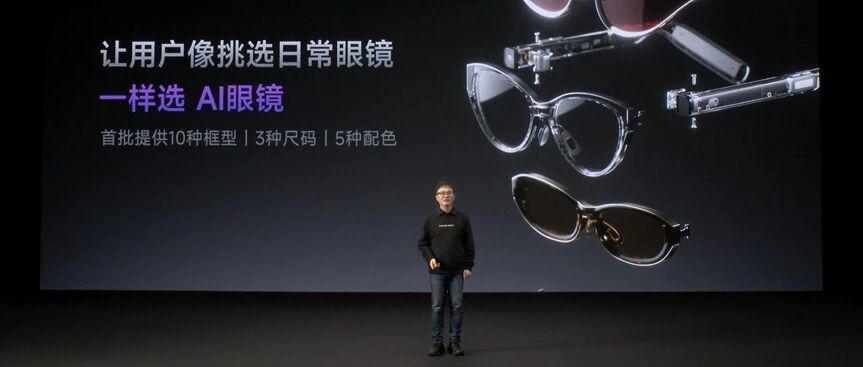
夸克AI眼镜迎来首次功能更新
Xin Lang Cai Jing· 2025-12-31 16:58
此外,随身翻译语言增加至89种,出行提醒、音乐播放等场景也进行了功能优化。本次升级的一大亮点 是大模型支持的多意图理解与执行,升级后的夸克AI眼镜支持理解并执行2-3个复合任务。 来源:金综科技 12月31日,搭载千问AI助手的夸克AI眼镜迎来首次功能更新,升级后的1.2.1新系统增加了录音纪要、 图文备忘录、多意图理解和执行、蓝环支付等五项新功能。 录音场景下,夸克AI眼镜支持十米范围内收音,可精准识别不同说话对象,还能根据录音内容进行AI 要点提炼,自动生成待办事项等。 特别声明:以上内容仅代表作者本人的观点或立场,不代表新浪财经头条的观点或立场。如因作品内 容、版权或其他问题需要与新浪财经头条联系的,请于上述内容发布后的30天内进行。 ...
爆款来袭!追觅 AI 智能戒指登顶天猫智能指环热销榜
Feng Huang Wang Cai Jing· 2025-12-31 10:31
Core Insights - The Chasing AI Smart Ring has topped the Tmall sales chart in the smart ring category, indicating strong market demand [1] - Since its official launch in October 2025, the product has quickly surpassed 10 million yuan in order value, becoming a phenomenon in the year-end wearable market [1] - The device meets consumer demand for high-quality health management tools, capable of monitoring key physiological indicators continuously [1] Product Features - The Chasing AI Smart Ring can monitor heart rate, blood oxygen, and body temperature around the clock [1] - It accurately identifies different sleep stages, including deep sleep, light sleep, and REM sleep [1] - The product features a 50-meter water resistance design, allowing users to wear it without restrictions during activities like bathing and swimming [1]
深圳“100+艺术季”观察:智能穿戴设备探索“人机协同”新范式
Xin Lang Cai Jing· 2025-12-31 06:33
Core Insights - The 2025 "100+ Art Season" in Shenzhen showcases over 3,000 cross-disciplinary works from more than 100 young artists across Asia, highlighting a shift towards digital and intelligent methods in exhibition curation [1][2] - The integration of AI wearable devices in the curation process represents a significant transformation in creative execution, allowing teams to handle vast amounts of information in real-time [1] Group 1: Event Overview - The event is hosted at the Longgang Bujie Cultural and Sports Center in Shenzhen, featuring a diverse range of artworks and innovative technologies [1] - The exhibition emphasizes the role of AI in enhancing collaboration rather than replacing human creativity, with artists maintaining control over aesthetic decisions [2] Group 2: Technological Integration - AI wearable devices are being utilized as "personal think tanks," providing real-time data analysis and support for artists during the exhibition [1] - The devices facilitate immediate access to exhibition materials and enable teams to capture interactive details that traditional fixed cameras might miss, creating a digital management loop for on-site materials [1] Group 3: Industry Implications - The trend of "human-machine collaboration" in the art sector reduces communication costs and improves decision-making speed, suggesting a potential model for future intelligent workflows in professional fields [2] - The clear delineation of roles between technology and artists reinforces the notion that the artist remains central to the creative and collaborative process [2]
一双1288元的AI鞋垫,真能取代滑雪教练吗?
3 6 Ke· 2025-12-31 04:58
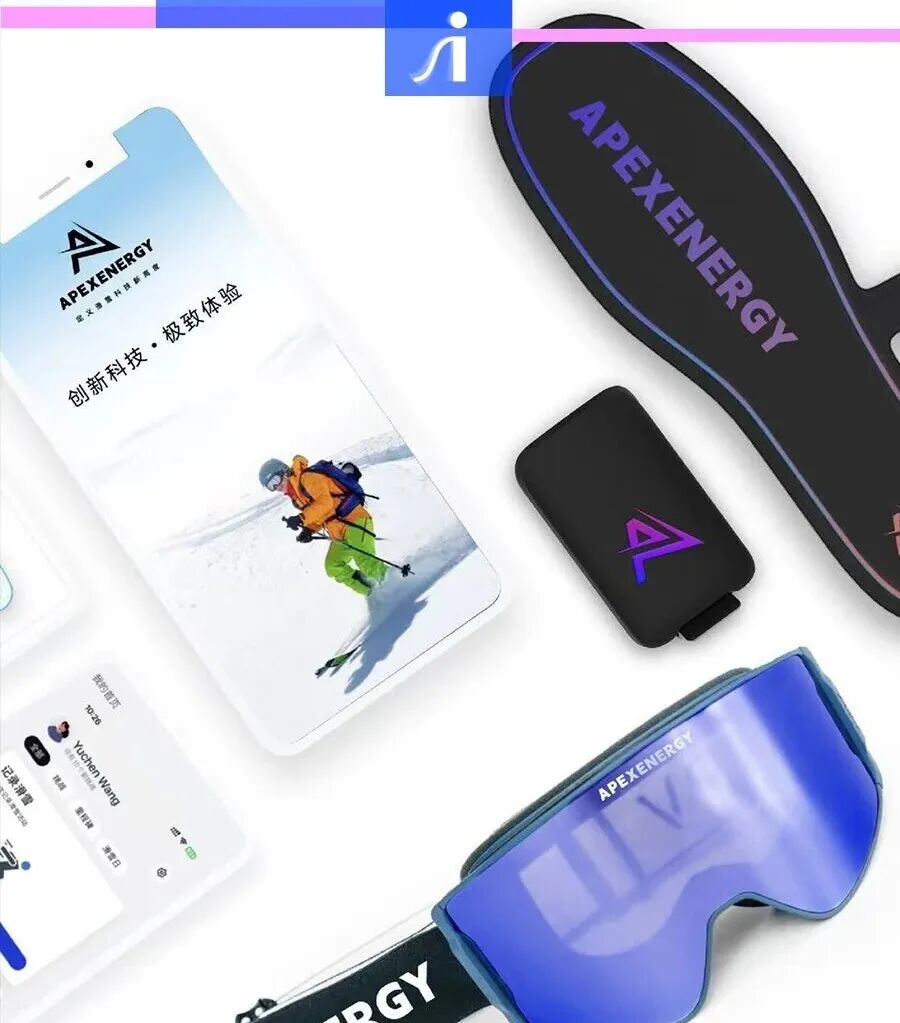
Core Viewpoint - The article discusses the development and market potential of an AI ski insole created by Li Haowen, which aims to serve as a personal coach for skiers by analyzing their movements and providing feedback to prevent injuries and improve performance [2][5]. Product Development - The AI ski insole, named APEXENERGY, features 84 sensors that collect data on foot movements and send it to a mobile app for analysis [2][5]. - The product was launched in October 2025 at a price of 1288 yuan, with over 400 pairs sold within two months [5][19]. - The company plans to expand its market focus to overseas regions such as Austria, Switzerland, Canada, and Japan, while emphasizing subscription services for domestic users [5][20]. Target Market - The primary target audience includes male skiers aged 35 to 70, who typically spend 100,000 to 200,000 yuan annually on outdoor sports [15]. - Younger users under 35 are also seen as potential customers, particularly those with higher education and awareness of technology [15]. Data Collection and Analysis - The insole collects data not only during skiing but also while walking, allowing for a comprehensive analysis of user behavior and movement patterns [13][20]. - A minimum of 20 hours of skiing data is required to provide a fully customized service, which can be achieved in just a few days of skiing for average users [13][14]. Competitive Advantage - The product aims to provide personalized injury prevention insights based on individual skiing styles and common mistakes, differentiating it from traditional coaching methods [9][10]. - The company collaborates with ski equipment manufacturers to offer data on user habits and equipment wear, enhancing customer engagement and potential for repeat purchases [16]. Future Plans - The company envisions expanding its technology to other sports after establishing a foothold in skiing, leveraging the complexity and growth of the skiing market [30]. - Future developments may include virtual coaching and AI goggles that integrate performance data, further enhancing user experience [34].
实测认证!华为穿戴全品类,年末送礼精准匹配每一份心意
Huan Qiu Wang· 2025-12-27 13:38
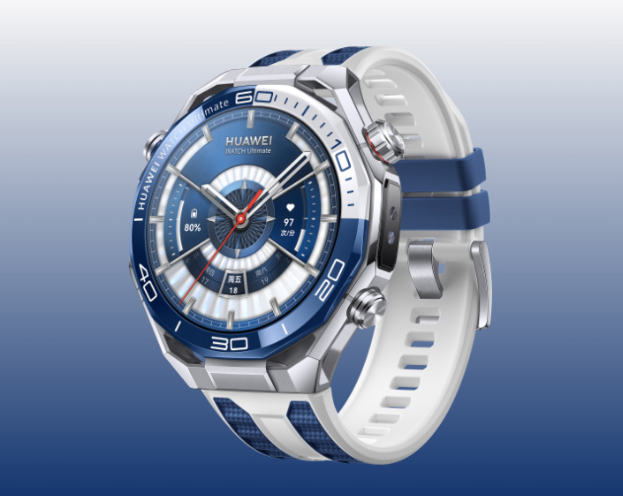
Core Insights - The article emphasizes the practicality and aesthetic appeal of Huawei's wearable products, particularly the WATCH FIT 4 series, which is highlighted as an ideal gift for the year-end season, meeting both functional and emotional needs [1][5]. Product Highlights - The Huawei WATCH FIT 4 series is described as the "best smart square watch in the thousand-yuan range," catering perfectly to the core needs of young consumers. The Pro version is noted for its lightweight design at 30.4g and a thickness of 9.3mm, making it the thinnest smartwatch from Huawei to date [2][5]. - The Pro model features a sapphire glass screen that is scratch-resistant and anti-reflective, along with an aluminum body and titanium alloy bezel, ensuring durability and aesthetic appeal. The watch offers a variety of customizable watch faces and straps suitable for different occasions [4][5]. - The WATCH FIT 4 series excels in sports functionality, introducing features like water sports tracking, altitude pressure monitoring, and a dedicated outdoor running system that operates independently of a smartphone. The Pro version includes advanced modes for trail running, free diving, and golf, catering to more serious athletes [10][5]. Specialized Products - The Huawei WATCH Ultimate 2 is targeted at outdoor enthusiasts, featuring independent underwater communication capabilities and robust waterproof performance, making it suitable for deep-sea diving and adverse weather conditions [12]. - The Huawei WATCH D2 is designed for elder care, offering medical-grade blood pressure monitoring with a high degree of accuracy and user-friendly features tailored for seniors [13][14]. - The Huawei Children's Watch 5 Pro emphasizes safety with advanced positioning technology and parental controls, ensuring a secure experience for children [16]. Innovative Features - The Huawei WATCH 5 introduces AI capabilities for health monitoring and smart interactions, allowing users to receive quick health insights and control functions through voice commands and gestures [17][18]. - The commemorative Huawei WATCH 10th Anniversary model combines aesthetic value with practical health monitoring features, integrating multiple health metrics into a user-friendly interface [19]. - The Huawei WATCH GT 6 series is noted for its exceptional battery life, capable of lasting up to 21 days on light usage, addressing common concerns about charging frequency [20][21]. Conclusion - Huawei's wearable product line demonstrates a strong commitment to meeting diverse consumer needs, from young adults to seniors and outdoor enthusiasts. The WATCH FIT 4 series stands out as a top choice for year-end gifting, combining functionality with emotional significance, while other models cater to specific user requirements [23].
为何家电巨头都做起了「AI眼镜」?
Hua Er Jie Jian Wen· 2025-12-26 01:55
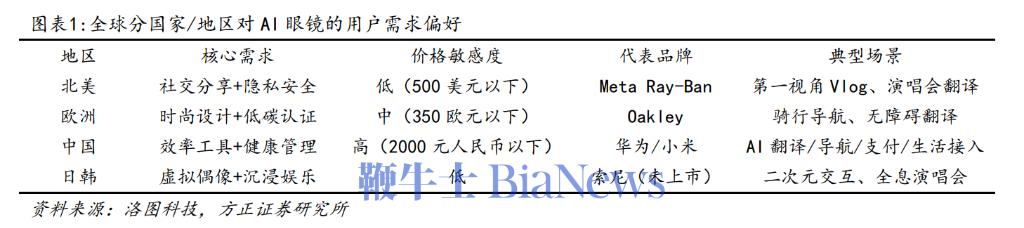
Core Insights - The article discusses the strategic entry of home appliance giants into the AI glasses market, leveraging their expertise in display technology, supply chain, and precision manufacturing to tap into a potential market worth hundreds of billions [1][29] - The demand for AI glasses is driven by consumer needs in mature markets seeking emotional value and developing markets focusing on productivity and tools, with AI+AR glasses serving as an ideal carrier for AI technology [1][29] Market Potential - The global annual sales of traditional glasses are approximately 2.3 billion pairs, with 1.45 billion pairs excluding sunglasses. If AI glasses penetrate 10% of the remaining 1.45 billion pairs, the expected global shipment could reach 145 million pairs, resulting in a market size exceeding 100 billion RMB [1][9][29] - The retail market for traditional glasses in China is significant, with a projected retail value of 128.3 billion RMB by 2029, driven by increasing demand for functional lenses [9] Technological Advancements - AI glasses are rapidly evolving, with advancements in hardware miniaturization, AI-driven interaction upgrades, ecosystem integration, and social features related to the metaverse [2][30] - Key components of AI glasses include optical display modules (35%-45%), main AI chips (20%-30%), and sensors and batteries (15%), with the remaining costs attributed to structural components and software [2][30] Industry Dynamics - Major players in the AI glasses market include TCL Electronics, Hisense, and Biyi Co., each leveraging their strengths in brand, manufacturing, and optical technology [3][4][31] - TCL Electronics has invested in Thunder Innovation, focusing on self-developed optical modules, while Hisense has launched its own AI glasses and partnered with XREAL for technology integration [3][4][31] - Biyi Co. has strategically invested in Shanghai Lihui Optoelectronics to enhance its AR glasses assembly capabilities, aiming to leverage its home appliance manufacturing expertise [23][31] Competitive Landscape - The AI glasses industry is characterized by rapid product iteration, with a focus on optical, chip, and operating system ecosystems as high-value segments [2][30] - Companies with established operating system ecosystems are expected to capture significant system value, similar to the smartphone industry's evolution where Apple and Google dominate through their OS platforms [16][30] Future Outlook - The future of AI glasses includes the potential for holographic AR products, with expectations for significant growth in shipments and market size driven by technological breakthroughs [2][30] - The integration of AI capabilities into glasses is anticipated to enhance user experience through features like real-time scene understanding and personalized content delivery [13][30]
光帆科技发布全球首款具备视觉感知能力的主动式AI耳机
Xin Lang Cai Jing· 2025-12-25 11:42
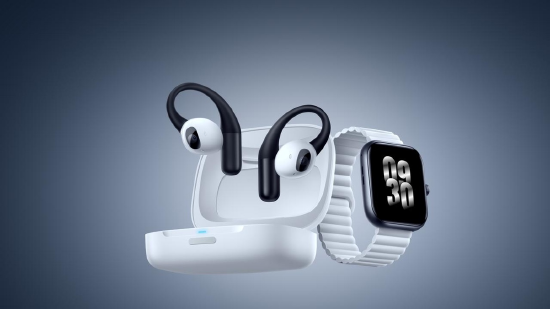
Core Insights - The article discusses the launch of the world's first active AI headphones with visual perception capabilities by Lightwave Technology, aiming to redefine human-computer interaction in the AI era [1][5]. Product Features - The Lightwear AI wearable device consists of an open-ear AI headphone and a smart watch, featuring a self-developed AI operating system called Lightware OS [1][3]. - The device includes a dual-vision perception module that allows the AI to understand the surrounding environment and provide context-aware services [2][6]. - The headphones utilize a low-power voice and image wake-up technology, offering a 9-hour talk time and weighing only 11 grams per ear [2][6]. - Made from medical-grade liquid silicone, the headphones are the first open-ear model to receive SGS comfort certification [2][6]. - The device can operate independently from a smartphone, thanks to an embedded eSIM card and high-precision GPS module, enhancing user experience during activities [2][6]. Integration and User Experience - The smart watch complements the headphones by providing a color display and touch capabilities, allowing users to access key information without diverting their gaze [2][7]. - The watch collects various health metrics, enabling the AI to adjust its services based on the user's physical state, such as providing reminders during high-stress situations [2][7]. - Lightwear is positioned as a synergistic system rather than a simple combination of headphones and a watch, aiming for an enhanced overall AI experience [3][7]. Market Position and Future Plans - Lightwave Technology plans to officially launch the Lightwear AI wearable device in the first quarter of the following year, with pre-orders already open and a user testing program set to begin in mid-January [3][7]. - The company has successfully completed multiple rounds of financing within its first year, attracting investments from major industry players such as Shokz, GoerTek, Lenovo, CATL, and GigaDevice [3][7].
摆脱智能手机,可穿戴设备是否存在另一条AI路线?
Tai Mei Ti A P P· 2025-12-25 08:29
Core Insights - The emergence of AI large models has led hardware manufacturers to believe that existing terminal devices can be reimagined, with AI glasses seen as a potential successor to smartphones [2] - Current AI glasses face limitations in terms of battery life, weight, and performance, making them unsuitable for all-day wear [2] - Lightyear Technology has launched its first active AI headphones with visual perception capabilities, aiming to transform user interactions by autonomously handling high-frequency tasks in daily life [2][4] Group 1: AI Hardware Development - The ideal AI hardware should not merely extend existing devices like smartphones or glasses, as stated by the founder of Lightyear Technology, who emphasizes the need for independence from mobile devices [3] - The founder's background at Xiaomi and his vision for AI hardware development highlight a shift towards more autonomous and user-friendly devices [3] Group 2: Lightwear AI Wearable Device - Lightyear Technology introduced the Lightwear AI wearable device, which combines headphones and a smartwatch, featuring dual-vision perception modules to understand the environment and provide tailored services [4] - The smartwatch works in tandem with the headphones to present key information without distracting the user, while also monitoring various health metrics [4] Group 3: Independent Operation and OS - The Lightwear AI device operates independently of smartphones, thanks to its native AI operating system, Lightware OS, which allows for autonomous task execution [6][5] - Lightware OS connects multiple large models and sensors, functioning as a smart hub that simplifies the development of AI hardware and applications [7] Group 4: Enhanced User Experience - The device can autonomously complete tasks based on user commands, such as restaurant recommendations and travel arrangements, without needing a smartphone [5][8] - The integration of eSIM and high-precision GPS enables the device to function independently, enhancing user experience in various scenarios [8] Group 5: Future of AI Hardware - The founder suggests that the future of AI hardware will move towards multi-device collaboration, with a cloud-based system controlling various devices to execute user commands [9]

前小米新生态总监入局,耳机会成为AI终端新入口吗?
Xin Lang Cai Jing· 2025-12-25 06:40
Core Viewpoint - The release of AI headphones by Guangfan Technology represents an exploration of AI terminal entry points, featuring voice interaction and visual perception capabilities, although the visual module lacks high pixel quality for photography [1][8]. Group 1: Product Features - The AI headphones are equipped with a dual-vision perception module that allows real-time environmental understanding and object recognition, but they do not support photography due to low pixel quality [1][8]. - The headphones are designed to work in conjunction with a smart watch, forming the Guangfan Lightwear AI all-sensory wearable device, rather than functioning as an independent terminal [3][11]. - The headphones offer a 9-hour talk time and weigh only 11 grams per ear, enabling a comfortable wearing experience [13][14]. Group 2: Market Positioning and Strategy - Guangfan Technology's founder, Dong Hongguang, emphasizes that the current stage is more suitable for multi-device setups, as AI terminals need to adapt to various complex scenarios [5][13]. - The Lightwear device aims to transform human-AI interaction from a mechanical experience to one resembling interaction with a person, leveraging the synergy between the headphones and the smart watch [14]. - The company has developed a proprietary AI operating system, Lightware OS, which integrates multiple large models and coordinates various sensors and hardware for enhanced user experience [14]. Group 3: Future Plans and Financing - Guangfan Technology has completed multiple rounds of financing, with investors including companies like Aiyin, GoerTek, Lenovo, CATL, and Zhaoyi Innovation [7][15]. - The Lightwear device is set to officially launch in the first quarter of next year, with user testing planned to begin in mid-January [14].