豆包AI手机

Search documents
和胜股份(002824):铝合金加工技术领先企业,消费电子、服务器、新能源全面布局:和胜股份深度研究报告
Huachuang Securities· 2026-03-18 07:29
Investment Rating - The report assigns a "Strong Buy" rating for the company, Hosheng Co., Ltd. (002824) [1][10]. Core Insights - Hosheng Co., Ltd. is a leading enterprise in aluminum alloy processing, with a comprehensive layout in consumer electronics, automotive, and server sectors. The company aims to provide "one-stop" solutions for high-end industrial aluminum alloys in the consumer electronics and new energy sectors [6][10]. - The company is expected to benefit from the AI upgrade in mobile phones, which is anticipated to drive a new replacement cycle, as well as the steady growth in demand for battery box structures in new energy vehicles [10][8]. Financial Performance - Projected total revenue (in million) for 2024A is 3,333, with a year-on-year growth rate of 14.7%. By 2027E, revenue is expected to reach 5,915 million, with a growth rate of 20.5% [2]. - The net profit attributable to shareholders is projected to be 80 million in 2024A, with a significant increase to 349 million by 2027E, reflecting a growth rate of 26.8% [2]. - The earnings per share (EPS) is expected to grow from 0.26 in 2024A to 1.12 in 2027E, indicating a strong upward trend in profitability [2]. Business Segments Consumer Electronics - The consumer electronics segment is expected to grow due to AI hardware upgrades and innovations in foldable screens, which are driving demand for aluminum alloy components [6][8]. - Hosheng has successfully developed high-performance aluminum alloys that exceed national standards, positioning itself as a key supplier for major clients like Foxconn and BYD Electronics [6][10]. Server Metal Structure Components - The demand for AI server structure components is projected to grow significantly, driven by the increasing need for computational power in AI applications. The global AI server shipment is expected to increase by over 28% in 2026 [8][10]. - Hosheng has actively entered the server market, providing metal structure components for servers and data centers, which positions the company to benefit from the rapid growth in the AI server market [8][10]. Automotive Sector - The automotive business is poised for growth as the penetration rate of new energy vehicles rises, leading to increased demand for battery box structures made from aluminum alloys [9][10]. - Hosheng is collaborating with leading companies in the industry, such as CATL and BYD, to meet the growing technical demands in the automotive sector [9][10]. Investment Recommendations - Hosheng Co., Ltd. is well-positioned to capitalize on the trends in AI upgrades in consumer electronics and the steady growth in new energy vehicles. The company is expected to achieve net profits of 152 million, 275 million, and 349 million from 2025 to 2027, respectively [10]. - The target price for the stock is set at 26.5 yuan, based on a price-to-earnings (PE) ratio of 30 times for 2026, reflecting a strong investment opportunity [2][10].
深度|全民“养虾热”:从排队安装到付费卸载,释放什么信号?!
证券时报· 2026-03-12 23:52
Core Viewpoint - The article discusses the rise of OpenClaw, an open-source AI agent, and its popularity in society, questioning whether this trend is driven by genuine demand or inflated marketing narratives [1][2]. Group 1: OpenClaw's Features and Market Response - OpenClaw can operate devices to complete tasks, freeing users from manual work, and has become a hot topic in both tech circles and the capital market [3]. - As of March 10, A-share market stocks related to OpenClaw experienced a surge, with several companies responding to the trend [4]. - The high autonomy of OpenClaw comes with trade-offs, including increased token consumption and potential task failure risks [5]. Group 2: Government and Policy Support - Local governments are rapidly introducing policies to attract developers and companies, leading to a competitive "policy race" [6]. - For instance, Longgang District in Shenzhen offers subsidies up to 2 million yuan, while Wuxi High-tech Zone supports up to 5 million yuan [6]. Group 3: Learning Curve and User Experience - The learning curve for OpenClaw is steep, with guides totaling up to 800 pages, making it challenging for non-technical users [8][9]. - Users face difficulties in utilizing OpenClaw effectively, such as needing to manually configure skills and navigate technical jargon [8][9]. Group 4: Industry Perspectives and Future Outlook - Experts suggest that while OpenClaw represents a significant step in AI development, it remains in an experimental phase and is not yet suitable for mass consumer use [10]. - The rise of OpenClaw reflects a paradigm shift in the AI industry from conversational interaction to autonomous execution, potentially impacting economic structures [15].


董明珠痛批无效加班:领导不走我不走这种内耗毫无意义;曝比亚迪考虑进军F1一级方程式赛事;不安全还烧钱?月薪两万养不起一只龙虾
雷峰网· 2026-03-12 00:54
Group 1 - Dong Mingzhu, the chairman of Gree Electric Appliances, criticized the normalization of overtime work, stating that it should only be a response to urgent situations and not a daily practice [4][5] - She emphasized that management should focus on improving work efficiency and optimizing processes rather than relying on excessive overtime, which she views as a sign of poor management [5] - Dong's comments resonate with current workplace frustrations, advocating for technological advancements and management upgrades to liberate labor rather than exploit it for short-term gains [5] Group 2 - BYD is reportedly considering entering Formula 1 and the World Endurance Championship to enhance its global brand influence, potentially through forming its own team or acquiring an existing one [10] - The estimated cost of entering F1 could be a significant barrier, with annual expenses reaching up to $500 million [10] - Acquiring an existing team, such as Alpine, is seen as a more feasible option compared to starting a new team from scratch [10] Group 3 - DJI employees have reported receiving multiple bonuses and benefits within their first month of employment, including cash rewards and housing subsidies, leading to positive public perception of the company [16][17] - The company offers competitive salaries, with total compensation for technical positions reaching up to 360,000 yuan [17] Group 4 - Meta plans to deploy four generations of self-developed AI chips by the end of 2027 to support its expanding AI business and reduce reliance on external suppliers [33][34] - The first chip, MTIA 300, is already in production, while the others are in various stages of testing and development [34] Group 5 - NIO's CEO Li Bin indicated that rising prices of raw materials could impact the cost of high-end electric vehicles by approximately 3,000 to 5,000 yuan, totaling nearly 10,000 yuan [26] - Despite these cost pressures, NIO currently has no plans to raise vehicle prices [26] Group 6 - Google has completed the acquisition of Wiz for $32 billion, marking its largest acquisition to date, aimed at enhancing its cloud security capabilities [39][40] - This acquisition is part of Google's strategy to strengthen its position in the cloud computing market, which currently ranks third behind AWS and Azure [40]

超350家中国企业亮相MWC:从手机到机器人,AI出海提速
第一财经· 2026-03-04 02:20
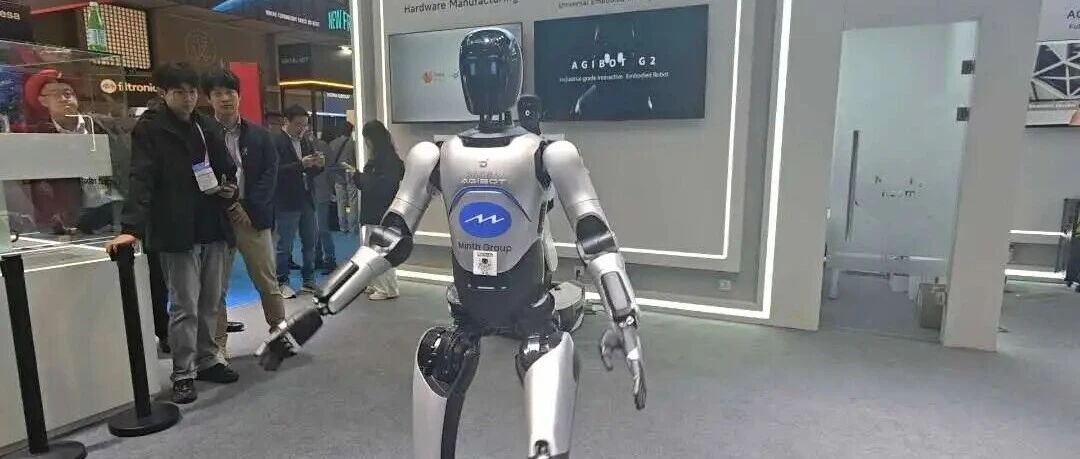
Core Viewpoint - The 2026 Mobile World Congress (MWC) highlights the significant shift towards AI technology, with Chinese companies increasingly focusing on the European market for AI applications and hardware integration [3][4]. Group 1: Chinese Companies at MWC - Approximately 350 Chinese companies participated in MWC 2026, marking a 21% increase from 288 last year, making them the largest overseas contingent after the US and Spain [3]. - The presence of Chinese firms reflects a transition from traditional manufacturing advantages to a focus on AI capabilities and hardware innovation [3][4]. Group 2: AI as the Core Technology - AI emerged as the central theme of MWC 2026, with Qualcomm's CEO emphasizing that AI is transforming human-computer interaction, shifting the focus from applications to intelligent agents [4]. - Honor's Robot Phone features an active camera structure that responds to voice commands, showcasing the integration of AI into hardware design [5][6]. Group 3: Innovations in Mobile Imaging and AI Integration - Vivo introduced a 400mm telephoto lens and modular accessories aimed at transforming smartphones into professional-grade filming tools, highlighting the use of AI to enhance imaging capabilities [8]. - TCL and Lenovo showcased AI-driven products, emphasizing the integration of AI into hardware rather than just software, which is a distinctive approach of Chinese manufacturers [8]. Group 4: Expansion of Robotics and Wearable AI Products - Chinese robotics companies, such as AGIBOT, showcased a range of robots designed for various applications, indicating a strategic focus on B2B markets and European partnerships [11][13]. - Alibaba's AI glasses debuted at MWC, with plans for additional AI wearable products, reflecting a broader strategy to penetrate global markets beyond traditional communication devices [14].




科大讯飞正式发布星火X2大模型,消费电子ETF(561600)备受关注
Xin Lang Cai Jing· 2026-02-11 05:37
Group 1 - The core viewpoint of the news highlights the performance of the consumer electronics sector, with the CSI Consumer Electronics Theme Index down by 0.85% as of February 11, 2026, and notable fluctuations among constituent stocks [1] - Key stocks include Shengyi Technology leading with a 2.55% increase, while Dongshan Precision experienced the largest decline at 6.21% [1] - The Consumer Electronics ETF also saw a decrease of 0.89%, with a latest price of 1.22 yuan and a trading volume of 7.855 million yuan during the session [1] Group 2 - The launch of the "Doubao AI Phone" signifies a deep integration of large model capabilities into mobile devices, with major companies like Apple and ZTE accelerating their AI product developments, marking 2026 as a pivotal year for edge AI product iteration [2] - AI functionalities are shifting from optional features to standard capabilities, driving improvements in performance metrics and customization levels for components such as camera modules and optical elements [2] - The CSI Consumer Electronics Theme Index comprises 50 listed companies involved in component production and design, with the top ten weighted stocks accounting for 53.34% of the index [2]

2026年第3周:数码家电行业周度市场观察
艾瑞咨询· 2026-01-31 00:04
Industry Environment - In 2026, brands must take AI GEO seriously as AI chat assistants become essential tools for 96.8% of the youth, shifting information acquisition from "search" to "dialogue," thus transforming consumer decision-making [3][4] - The current AI companion market faces challenges due to high competition and low user willingness to pay, with significant operational costs and regulatory risks impacting independent developers [5] - The AI wave is transforming healthcare, with the global AI medical market projected to reach $504.17 billion by 2032, growing at a CAGR of 44%, driven by personalized health advice and efficiency improvements [6] - CES 2026 showcased a focus on consumer-grade AI hardware, with major companies like Samsung launching AI life companion plans, indicating a key entry point for AI adoption [7] - The XBOT coffee robot exemplifies embodied intelligence in consumer settings, achieving high precision and personalization, marking a significant milestone in commercial applications of AI [8] Automotive Industry - In 2025, China's new energy vehicle market penetration surpassed that of fuel vehicles, with companies like Li Auto and Xpeng focusing on intelligent competition and profitability strategies [9] AI Glasses - AI glasses did not achieve breakout success at CES 2026, facing challenges such as technical limitations and fragmented ecosystems, although long-term potential remains [10][11] Marketing Trends - In 2025, emotional marketing became a core driver, with AI technology enhancing user engagement and marketing strategies evolving towards intelligent and personalized approaches [12] AI Chip Market - The AI chip sector is experiencing a power shift, with domestic alternatives gaining traction in China, while global competition intensifies between Nvidia and cloud providers like Google and Amazon [12] Robotics and Automation - The rise of robot leasing platforms like "QingTian Rent" indicates a shift towards light asset operations, although challenges in technology and user retention persist [13] Smartphone Market - The smartphone market in 2025 faced fluctuations, with Apple performing well in the high-end segment, while mid-range devices struggled due to rising costs and competition from AI-integrated phones [14] AI Toys - 2025 marked the emergence of AI toys, driven by large model technologies, although challenges related to user demand and data privacy remain [15] Advertising Industry - The advertising sector is witnessing a divide, with tech giants dominating the digital ad market, while smaller businesses face pressure from increased platform fees and competition [16] Company Developments - Nvidia's CEO highlighted the transition to "physical AI," emphasizing the need for AI to interact with the physical world, which presents both opportunities and challenges [18] - Fookai plans to raise 700 million yuan for expansion into energy storage and robotics, aiming to enhance competitiveness in the smart appliance sector [19] - DeepSeek is set to release a new model that aims to outperform existing coding models, potentially leading to significant advancements in programming [20] - OpenAI's launch of ChatGPT Health reflects a strategic move into the AI healthcare space, focusing on privacy and personalized health planning [21] - Zhiyu AI became the first large model company to go public, highlighting the growth of AI technology in the capital market [22] - Midea's Weiling Robotics achieved a significant technological breakthrough in core components, enhancing the quality of China's robotics industry [24]

AI助力,我国手机行业攀高向优
Xin Hua She· 2026-01-28 12:48
Core Insights - The Chinese smartphone market is projected to exceed 1 trillion yuan in 2025, driven by the trade-in policy for consumer goods and advancements in technology such as AI and foldable screens [1] Group 1: Market Performance - In 2025, Honor's smartphone shipments surpassed 71 million units, marking a 9% year-on-year increase [2] - From January to November 2025, the domestic smartphone shipment reached 282 million units, a 0.9% increase year-on-year, with 5G smartphones accounting for 244 million units, up 1.3% [2] - The number of new smartphone models launched in the domestic market reached 474, reflecting a 14.5% increase year-on-year [2] Group 2: Innovation and Technology - Huawei launched the industry's first wide-foldable smartphone, the Huawei Pura X, which combines the features of an e-reader and a foldable device [3] - The foldable smartphone market is expected to see shipments of 9.47 million units in 2025, a 3.3% increase [4] - Companies are focusing on differentiating factors such as satellite communication, design, battery technology, and camera capabilities to enhance product competitiveness [4] Group 3: AI Integration - AI is reshaping user experience, with new AI smartphones like the Doubao AI phone from ByteDance and ZTE expected to drive a new wave of innovation [5] - The integration of AI in smartphones is becoming a key focus for manufacturers, with advancements in systems like Huawei's HarmonyOS and Honor's Magic8 Pro [6] - By 2025, AI smartphone shipments in China are projected to exceed 118 million units, capturing 40.7% of the overall market [7] Group 4: Market Trends and Challenges - The Chinese smartphone market is entering a critical adjustment phase in 2026, characterized by total pressure and structural differentiation [8] - The high-end market is expected to expand due to innovation, while the low-end market may shrink due to price sensitivity [8] - By 2026, the market share for smartphones priced above $600 is projected to reach 35.9%, a 5.4 percentage point increase year-on-year [8] Group 5: Consumer Behavior - Emotional consumption is reshaping purchasing logic, with design and brand emotional connections becoming as important as technical performance [10] - Manufacturers are expected to invest more in differentiated designs and collaborations to meet consumer emotional value needs [10]
市场最前沿丨AI助力,我国手机行业攀高向优
Xin Hua Wang· 2026-01-28 12:28
Core Viewpoint - The Chinese smartphone industry is expected to reach a market size of over 1 trillion yuan by 2025, driven by the trade-in policy for consumer goods and advancements in AI and foldable screen technology [1]. Group 1: Market Growth and Product Innovation - In 2025, smartphone shipments in China are projected to exceed 71 million units, marking a 9% year-on-year increase [2]. - The domestic smartphone market saw a shipment of 282 million units in the first 11 months of 2025, reflecting a 0.9% year-on-year growth, with 5G smartphones accounting for 244 million units, a 1.3% increase [3]. - The number of new smartphone models launched in China reached 474, representing a 14.5% year-on-year growth [3]. Group 2: Competitive Landscape and Technological Advancements - Innovation is crucial for smartphone manufacturers to differentiate themselves in a saturated market, with Huawei launching the first wide foldable phone, the Huawei Pura X, in March 2025 [4]. - The foldable smartphone market in China is expected to see shipments reach 9.47 million units in 2025, a 3.3% increase [5]. - Key areas of differentiation include satellite communication, design, battery technology, and camera capabilities, with various brands introducing advanced features such as eSIM support and self-developed chips [6]. Group 3: AI Integration and User Experience - AI is transforming user experience, with features that allow smartphones to assist in navigation and shopping [7]. - Major manufacturers are integrating AI into their systems, with Huawei upgrading its HarmonyOS and Honor enhancing its products with AI capabilities [8]. - The AI smartphone market in China is projected to reach over 118 million units by 2025, capturing 40.7% of the overall market [10]. Group 4: Market Adjustments and Future Projections - The Chinese smartphone market is entering a critical adjustment phase in 2026, with expected declines in overall shipments due to rising component costs [11]. - The high-end smartphone market is anticipated to expand, while the low-end market may shrink, indicating a shift towards a more diversified market structure [11]. - AI smartphones are expected to become mainstream by 2026, with projected shipments of 147 million units, a 31.6% increase, representing 53% of the overall market [12]. Group 5: Consumer Behavior and Emotional Value - Emotional consumption is reshaping purchasing logic, with design and brand connection becoming as important as technical performance [13].
市场最前沿|AI助力,我国手机行业攀高向优
Xin Hua She· 2026-01-28 12:27
Core Insights - The Chinese smartphone market is projected to exceed 1 trillion yuan by 2025, driven by the trade-in policy for consumer goods and advancements in AI and foldable screen technology [1] - The market is shifting from incremental competition to stock competition as smartphone penetration exceeds 80% and the average replacement cycle lengthens [1] Group 1: Market Performance - In the first 11 months of 2025, the domestic smartphone shipment reached 282 million units, a year-on-year increase of 0.9%, with 5G smartphones accounting for 244 million units, up 1.3% [1] - Honor's smartphone shipments surpassed 71 million units in 2025, marking a 9% year-on-year growth [1] - The number of new smartphone models launched in the domestic market reached 474, reflecting a 14.5% increase [1] Group 2: Innovation and Technology - Huawei launched the industry's first wide foldable smartphone, the Huawei Pura X, which combines the reading experience of an e-book with the convenience of a foldable device [2] - The foldable smartphone market in China is expected to reach 9.47 million units by 2025, growing by 3.3% [2] - Companies like OPPO, vivo, and Xiaomi are enhancing product capabilities with innovations such as eSIM support, semi-solid state battery technology, and self-developed chips [2] Group 3: AI Integration - AI is becoming a core capability in smartphones, with features like route planning and price comparison being automated [3] - By 2025, AI smartphone shipments are expected to exceed 118 million units, capturing 40.7% of the overall market [3] - The integration of AI is seen as a transformative force, with companies like ByteDance and ZTE collaborating to create AI smartphones that enhance user experience [3] Group 4: Market Trends and Future Outlook - The Chinese smartphone market is entering a phase of adjustment characterized by total pressure and structural differentiation, with a forecasted decline in overall shipment volume due to rising component costs [4][5] - The high-end smartphone market is expected to expand, while the low-end market will shrink, indicating a shift towards a more diversified market structure [4] - By 2026, the market share for smartphones priced above $600 is projected to reach 35.9%, while the share for those below $200 is expected to decrease by 4.3% [5] - Emotional consumption is reshaping purchasing logic, with design and brand connection becoming as important as technical performance [5]
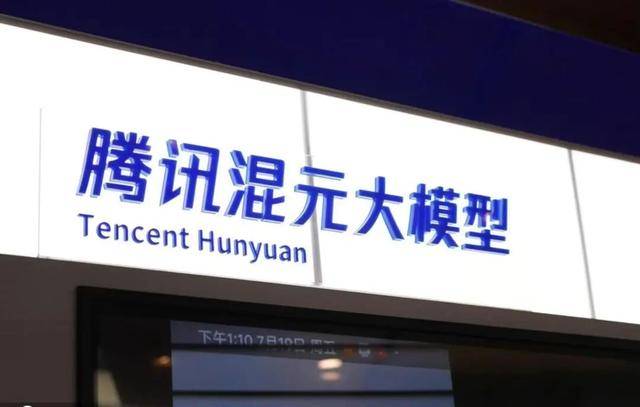
腾讯总裁刘炽平谈AI竞争:字节是大力出奇迹,腾讯是常青大师 | 电厂
Sou Hu Cai Jing· 2026-01-27 10:54
Core Insights - Tencent has acknowledged its slow progress in AI compared to competitors like ByteDance and Alibaba, estimating a lag of 9 months to 1 year in AI development [2][3] - The company is focusing on integrating AI with its existing platforms and is undergoing organizational adjustments to enhance its AI capabilities [2][4] Group 1: AI Strategy and Market Position - Tencent's leadership has identified four key companies in the AI sector, with Tencent being the last to enter the race, thus in a catch-up phase [3] - The company recognizes that its AI strategy needs to adapt to how different industries are being transformed by AI, particularly in search and programming [4][5] - Tencent's AI initiatives are seen as an accelerator for existing business, with AI-driven advertising revenue showing significant growth [13][15] Group 2: Challenges and Internal Reflections - Internal reflections reveal that Tencent's focus on product engineering has led to a lack of comprehensive AI research, which is critical for long-term success [8] - The company has faced issues with its foundational AI models, leading to ineffective product development and low user retention rates [11][12] - Despite recognizing AI as a key investment area, Tencent's capital expenditure on AI has not significantly increased, indicating potential resource allocation challenges [11] Group 3: Future Directions and Innovations - Tencent is restructuring its AI research teams and has established new departments to enhance its AI infrastructure and capabilities [15][16] - The integration of AI into WeChat is seen as a future opportunity, with the potential for a unique AI agent that aligns with user needs and company values [16] - The company aims to leverage its existing ecosystem to create innovative AI applications, enhancing user interaction and efficiency [16]