花卉种植

Search documents
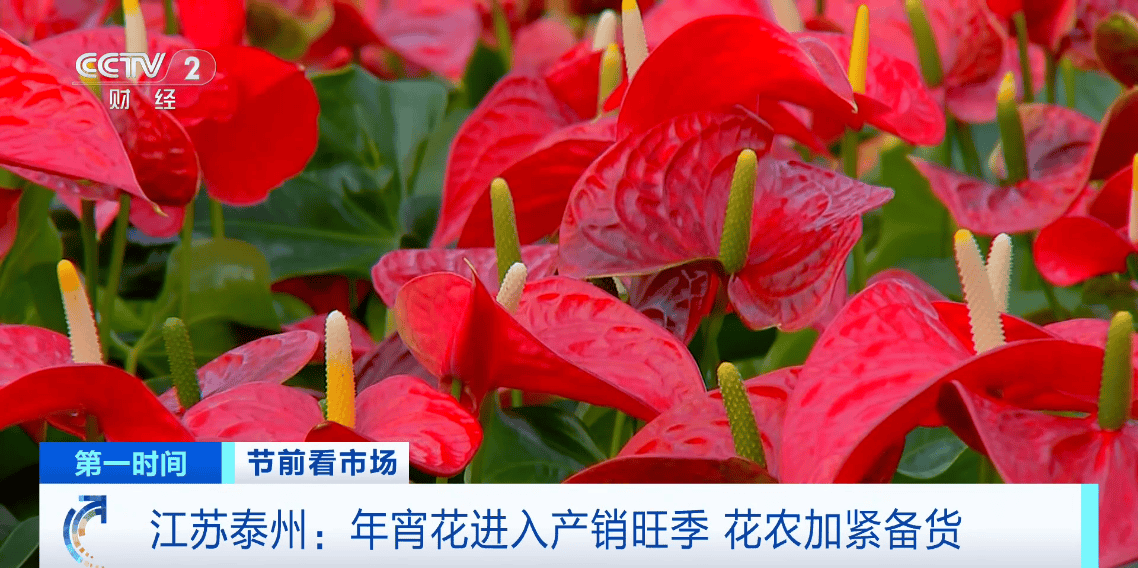
江苏泰州年宵花进入产销旺季 数字化助力延长销售周期
Sou Hu Cai Jing· 2026-02-01 09:55
Group 1 - The flower industry in Jiangsu Taizhou is entering a peak production and sales season, with farmers actively preparing and managing their crops to meet market demand [1][3] - The red anthurium is particularly popular as a New Year flower, with its long flowering period being a key factor for its sales success [3] - In the Jiangyan District of Taizhou, a flower cultivation base is shipping approximately 8,000 pots of butterfly orchids daily to other regions [5] Group 2 - The cultivation base primarily focuses on butterfly orchids, featuring over 100 varieties, and has adopted digital agricultural technologies to enhance production [7] - The implementation of smart temperature and humidity control systems allows for stable growth of flowers during winter and precise timing for flowering, significantly extending the sales period for New Year flowers [7]

佛山里水迈向GDP500亿之路:工农互促,三产融合
Nan Fang Du Shi Bao· 2026-02-01 08:41
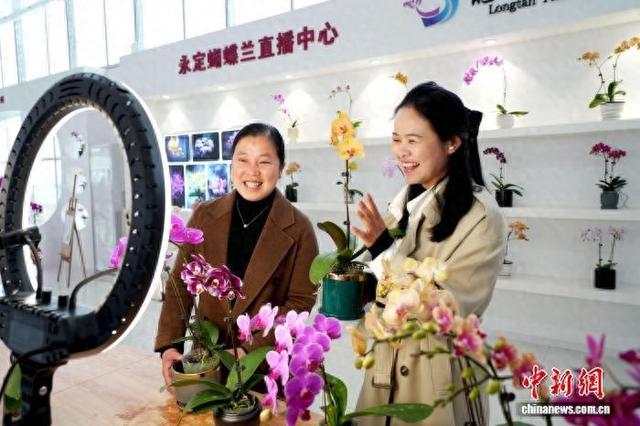
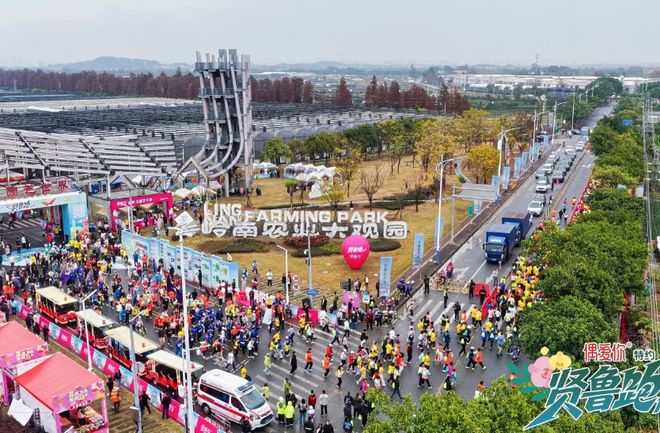
项目引进方面,2025年12月,里水镇一宗占地超210亩、总价超3.2亿元的工业用地成功出让。同月,南 方丽谷(南海园)在里水启动,聚焦化妆品与大健康产业。湾区和顺健康食品智造中心项目也已落地里 水。 产业升级方面,2025年11月,里水镇发布"科创林立"三年投入计划,承诺每年从土地出让收益中拿出 6%用于支持科技创新。部分企业研发投入出现增长,例如展逸包装研发投入同比增长928%,固特家居 增长545%,水晶岛健康增长367%。 2025年,里水镇国家级专精特新"小巨人"企业数量较上年增加75%,总量达9家。省级专精特新企业超 过百家,储备库企业64家。战略性新兴产业产值占规上工业总产值比重为43.1%。同年,里水新增3家 广东省工程中心、1家省企业技术中心及多家市、区级中试平台。 1月31日,"偶爱你特约·贤鲁跑・跑1314"活动在佛山市南海区里水镇贤鲁岛举行。同日,广东万顷园艺 世界开启2026广佛蝴蝶兰迎春花市。活动期间,沿线餐饮和民宿需求上升。 这背后,是里水GDP突破500亿元的独特路径——工农互促、三产融合。2025年,里水镇地区生产总值 突破500亿元。该镇拥有超过8000家工业企业,工业总产 ...
精准控制温度光照 看科技如何给年宵花“调生物钟”
Xin Lang Cai Jing· 2026-02-01 01:43
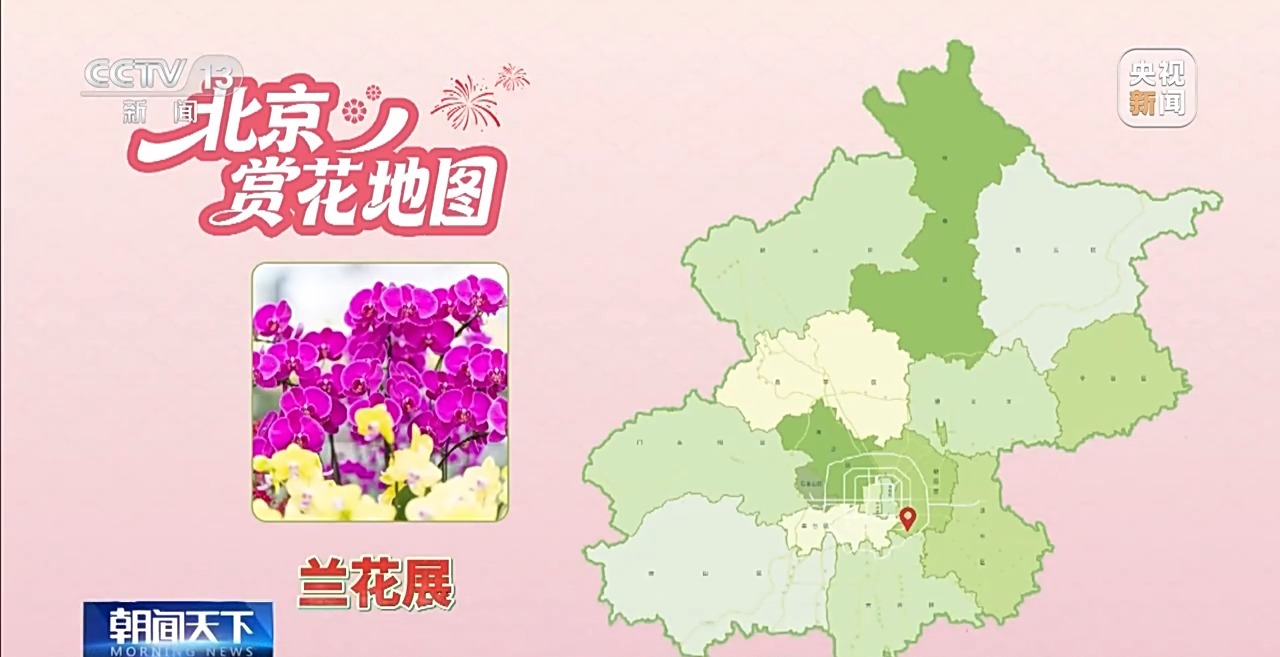
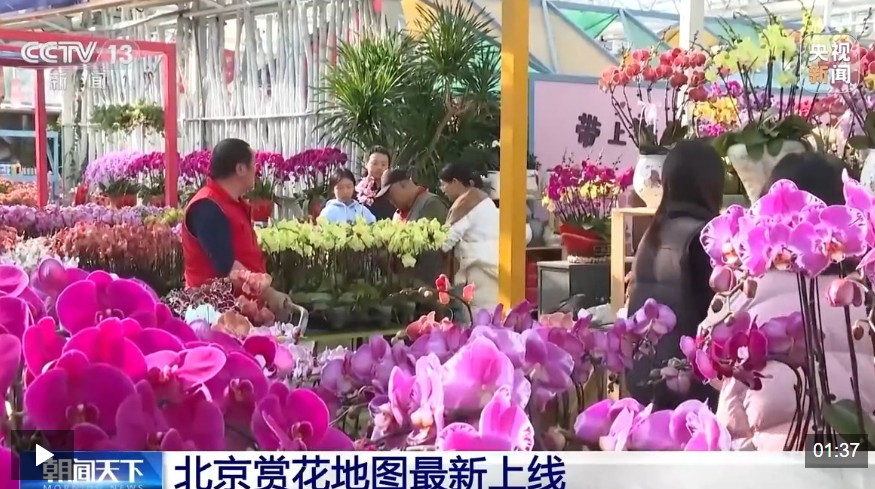
春节临近,2026北京家庭园艺嘉年华花开正盛,一起从最新上线的北京赏花地图开始,探寻冬日里的北京花市。 2026北京家庭园艺嘉年华打造昌平京北花世界、丰台北京花卉交易中心南北两大主场馆。除两大主场外,全市23家花市、100家公园、100家园艺驿站同步联 动。 从北京市园林绿化局最新上线的赏花地图可以看出,多个公园、景区在严寒中迎来新花季: 北京园博园、北宫国家森林公园、莲花池公园、万芳亭公园正是蜡梅观赏期; 世界花卉大观园的兰花展持续到2月底,兜兰、蝴蝶兰争奇斗艳; 中山公园朱顶红特展、国家植物园兰花展、高山杜鹃展等特色花展,在春节前接连亮相。 记者了解到,本次北京家庭园艺嘉年华暨迎春花展将持续到3月初,横跨整个春节消费季。作为北京新春消费市场的重要组成部分,花展通过打造多元消费 场景、联动线上线下渠道,激发节日消费潜力。 科技拿捏"花时钟" 年宵花准时赴约 春节前后,北京还将有2100万盆年宵花上市。这么多年宵花准时集中上市的背后,有哪些科技保驾护航呢? 走进云南嵩明的花卉大棚,里头暖烘烘的。主播们正对着手机卖力介绍,一盆盆高山杜鹃开得又大又艳,过年的气氛一下子就来了。可是就在几年前,这种 花还是"天价", ...
视频丨精准控制温度光照 看科技如何给年宵花“调生物钟”
Yang Shi Xin Wen Ke Hu Duan· 2026-02-01 01:36
春节临近,2026北京家庭园艺嘉年华花开正盛,一起从最新上线的北京赏花地图开始,探寻冬日里的北京花市。 从北京市园林绿化局最新上线的赏花地图可以看出,多个公园、景区在严寒中迎来新花季: 北京园博园、北宫国家森林公园、莲花池公园、万芳亭公园正是蜡梅观赏期; 世界花卉大观园的兰花展持续到2月底,兜兰、蝴蝶兰争奇斗艳; 中山公园朱顶红特展、国家植物园兰花展、高山杜鹃展等特色花展,在春节前接连亮相。 记者了解到,本次北京家庭园艺嘉年华暨迎春花展将持续到3月初,横跨整个春节消费季。作为北京新春消费市场的重要组成部分,花展通过打造多元消费场 景、联动线上线下渠道,激发节日消费潜力。 科技拿捏"花时钟" 年宵花准时赴约 春节前后,北京还将有2100万盆年宵花上市。这么多年宵花准时集中上市的背后,有哪些科技保驾护航呢? 2026北京家庭园艺嘉年华打造昌平京北花世界、丰台北京花卉交易中心南北两大主场馆。除两大主场外,全市23家花市、100家公园、100家园艺驿站同步联 动。 走进云南嵩明的花卉大棚,里头暖烘烘的。主播们正对着手机卖力介绍,一盆盆高山杜鹃开得又大又艳,过年的气氛一下子就来了。可是就在几年前,这种花还 是"天价", ...
在济南,年味有了更芬芳的表达
Feng Huang Wang Cai Jing· 2026-02-01 00:55
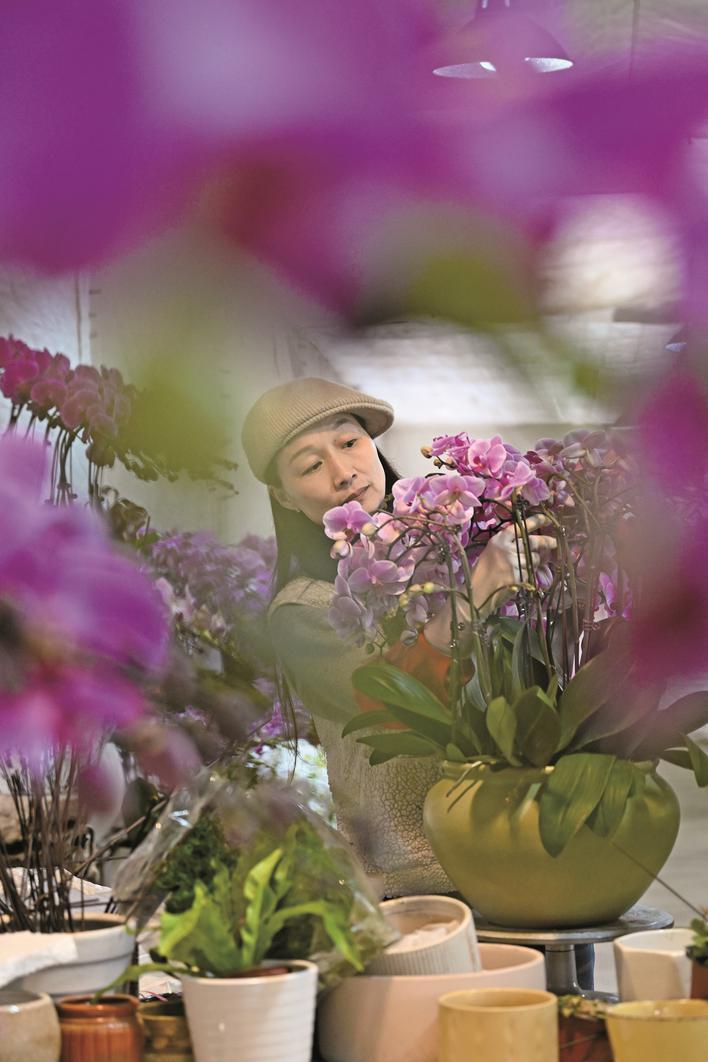
Core Viewpoint - The flower market in Jinan is experiencing a significant surge in sales ahead of the Spring Festival, driven by a well-established flower industry that combines large-scale cultivation, technological innovation, and comprehensive supply chain management [1][6][11]. Group 1: Market Dynamics - The Jinan flower market has transitioned into a vibrant spring festival hub, with a substantial increase in the variety and quantity of New Year flowers available, exceeding previous years' offerings [2][4]. - A specific market introduced over 300,000 pots of various flowers to meet the diverse needs of consumers for home decoration and visiting relatives [2]. - Traditional flowers like orchids remain popular, with sales reportedly doubling compared to regular periods, and pre-orders being made weeks in advance [4][6]. Group 2: Industry Foundation - Jinan's flower industry is supported by a robust foundation, with a planting area of 59,000 acres and a sales revenue of 1.28 billion yuan in 2024, contributing significantly to rural revitalization [6][8]. - The city has established five specialized flower industry clusters, enhancing regional, standardized, and large-scale production [8]. - The presence of leading enterprises in the flower industry has increased, with 17 companies achieving annual revenues exceeding 10 million yuan, promoting a collaborative model that connects farmers with market demands [8][9]. Group 3: Technological Advancements - The adoption of advanced planting technologies, such as tidal irrigation and smart environmental control, has mitigated climate constraints, ensuring stable supply during the winter season [9][11]. - Local research initiatives have led to the development of new flower varieties and improved production techniques, enhancing the competitiveness of Jinan's flower products [13][14]. Group 4: Brand and Market Integration - Jinan is focusing on brand development and integrating the flower industry with tourism and wellness sectors, creating a more diverse consumer experience [14]. - The city has hosted numerous flower markets, attracting thousands of merchants and establishing a regular, branded consumption environment [14]. - Skills training initiatives in floral arts have been implemented to cultivate high-quality talent for the industry, contributing to its growth and innovation [14].
年宵花俏 迎新春
Xin Lang Cai Jing· 2026-02-01 00:45
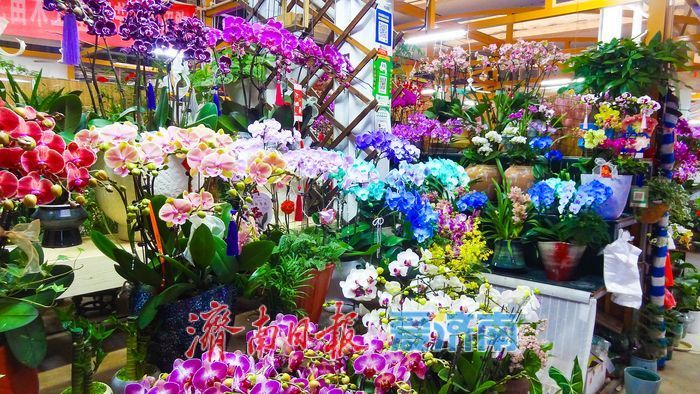
el be 1 春节临近,年味渐浓。近日,在秀洲区油车港镇的一处花卉基地,年宵花芳香四溢,冬青、蝴蝶兰、金 橘等数十个品种走俏畅销,为市民带来浓浓的新春气息。■摄影 记者 孟多多 (来源:嘉兴日报) 转自:嘉兴日报 ...
央视关注贵州毕节:科技赋能杜鹃花,开花整齐度超98%
Xin Lang Cai Jing· 2026-01-31 10:14
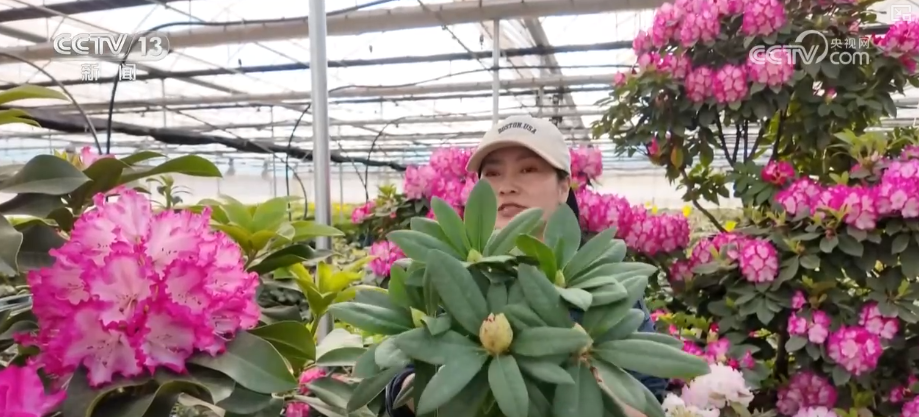
一审:王珺璐 今天(1月31日),央视《朝闻天下》栏目播出报道《科技拿捏"花时钟"年宵花准时赴约》,报道说,春 节前后,北京还将有2100万盆年宵花上市。这么多年宵花准时集中上市的背后,有哪些科技来保驾护航 呢? 为一朵杜鹃花,贵州省林业局专门设立了创新中心。成为科技赋能、提质增效的重要平台。在革命老区 毕节织金,通过精准调控温度、湿度和光照周期,技术人员模拟出高山杜鹃从冬季休眠到春季苏醒的完 整生长信号。这套气候编程技术,能让杜鹃在40到50天内整齐划一的孕蕾、绽放,开花整齐度高达98% 以上。 记者:王珺璐 二审:汤馥铭 三审:罗 阳 ...
解锁“花”式新年!四会兰花嘉年华盛大启幕,广货兰香飘四海
Nan Fang Nong Cun Bao· 2026-01-31 08:32
Core Viewpoint - The 2026 Guangdong (Sihui) Orchid Tourism Cultural Carnival has commenced, showcasing the integration of orchid culture and traditional New Year festivities, while promoting the local orchid industry and rural revitalization efforts [3][4][5]. Group 1: Event Overview - The carnival features various activities including flower shows, orchid competitions, special exhibitions, agricultural experiences, and cultural sports events, providing a rich cultural feast for citizens and tourists [3][4][5]. - The event aims to enhance the local orchid industry's role in rural revitalization and economic development [5][21]. Group 2: Industry Development - In the past year, the Sihui orchid industry has undergone significant upgrades, leveraging the "Guangdong Goods Going Global" initiative to expand its market presence [12][13]. - The industry has achieved breakthroughs in technology and product innovation, with notable varieties like "Father's Love" and "Qi Tian Da Sheng" being mass-produced [13][84]. - Sihui has established a complete industry system encompassing breeding, planting, sales, and cultural tourism, with 62 orchid enterprises and over 7,000 acres of cultivation area, generating an annual output value of approximately 600 million yuan [53][54]. Group 3: Cultural Integration - The carnival serves as a platform for showcasing the local orchid industry and promoting cultural exchange, emphasizing the integration of agriculture, culture, and tourism [34][35]. - The "Father's Love" brand has been recognized as an exemplary case of Chinese branding, highlighting the cultural significance of orchids beyond mere agricultural products [19][86]. Group 4: Future Prospects - The event has led to the signing of several major agreements for the supply of New Year flowers and the establishment of high-standard orchid bases, indicating a new phase of agricultural industrialization and integration [93][95]. - Sihui is positioned as a core hub for orchid industry development in the Guangdong-Hong Kong-Macao Greater Bay Area, with ongoing efforts to enhance the "Orchid + Intangible Cultural Heritage + Ecology" tourism model [64][125].

花田“新”喜事科技显身手 讲好“鲜花故事”让产业兴旺、花农增收
Yang Shi Wang· 2026-01-31 04:30
央视网消息:春节前后,北京还将有2100万盆年宵花上市。这么多年宵花准时集中上市的背后,有哪些科技来保驾护航? 走进云南嵩明的花卉大棚里头暖烘烘的。主播们正对着手机卖力介绍,一盆盆高山杜鹃开得又大又艳,过年的气氛一下子就来了。 就在几年前,这种花还是"天价",一盆要卖1000多元。 云南高山杜鹃种植企业负责人杨忠元介绍,这个花国产化以后,只用三分之一的价格就可以享受和国外同样质量的花。 更有趣的是,这种花本来春天才开,现在能正好赶到过年盛放,这本事靠的是给花"调生物钟"。 解玮佳介绍,首先是低温处理,模拟冬天的气候让它解除花芽休眠,然后再进行加温处理,通过温度的调控,让高山杜鹃误以为春 天到了,它就开花了。 "催花"场景同样在贵州上演。为一朵杜鹃花,贵州省林业局专门设立了创新中心,成为科技赋能、提质增效的重要平台。 从千元进口货到几百元就能入手,价格的大幅回落,背后是云南自主品种研发的重大突破。有了好品种,价格更亲民了。 云南省农业科学院花卉研究所研究员解玮佳介绍,现在已经获得了国家授权的品种22个,占全国高山杜鹃自育品种的60%以上。 贵州省林业局对外合作与产业处一级调研员沈永生介绍,科技赋能不仅改变了花, ...
福建永定:以花为媒绽芳华 革命老区解锁共富新密码
Xin Lang Cai Jing· 2026-01-31 02:59
Core Insights - The event "All Fujian Shopping - Intangible Cultural Heritage Integrated Business Circle" was launched in Longtan Butterfly Orchid Town, focusing on a new spring consumption festival that integrates business, cultural tourism, and agriculture [1] Group 1: Economic Impact - Six key projects related to butterfly orchid deep processing, ecological tourism, and agricultural e-commerce were signed, with an intended investment exceeding 100 million yuan [3] - The "cross-village joint construction" and "village-enterprise co-construction" models have generated an annual profit-sharing of 547,000 yuan for the villages involved [3] Group 2: Consumer Engagement - The event featured a vibrant marketplace showcasing various flowers, including Guangzhou red palms and Longyan mountain tea flowers, attracting significant consumer interest [5] - Within just three hours of the event's opening, nearly 300,000 yuan worth of butterfly orchids were sold, indicating strong demand and interest from both local residents and external merchants [7] Group 3: Future Development - The Longtan Town aims to leverage its butterfly orchid industry to enhance the "Flower Economy" and contribute to the high-quality development of the revolutionary old area in western Fujian [7]