
农产品种植与贸易

Search documents
卡尼访华后,中国进口商购买去年10月来首批加拿大油菜籽
Guan Cha Zhe Wang· 2026-01-20 04:15
Core Insights - A Chinese importer has purchased approximately 60,000 tons of Canadian canola seeds, marking the first transaction since October of the previous year, following Canadian Prime Minister Carney's visit to China [1][4] - The deal is expected to lead to a reduction in tariffs on Canadian canola seeds to about 15% by March, with adjustments to anti-dumping measures also anticipated [4][5] - The return of Chinese buyers to the Canadian market has caused a 2.4% drop in canola meal futures prices on the Zhengzhou Commodity Exchange, reflecting expectations of increased supply [1] Group 1: Trade Developments - The recent purchase of Canadian canola seeds is seen as a strategic move following the anticipated tariff reductions, with industry experts suggesting that early procurement is wise [1] - The Canadian government is optimistic about restoring trade volumes and creating more opportunities for Canadian farmers, particularly in the canola sector [5][6] - The Canadian Agricultural Food Trade Alliance (CAFTA) has expressed support for the government's engagement with China, emphasizing the need for a stable trade environment to boost exports [5] Group 2: Market Impact - The import structure in China is expected to adjust with the return of Canadian canola seeds, potentially affecting Australian canola seed exports that filled the gap during the absence of Canadian imports [2] - The value of Canadian canola seed exports to China is projected to be nearly CAD 5 billion (approximately RMB 257.7 billion) in 2024, although this figure may decline to less than half by 2025 due to trade tensions [4] - The agreement between China and Canada is viewed as a significant milestone, with industry leaders hopeful for further progress in market access and tariff reductions [6]


3艘美国大船开往中国,难怪特朗普的对华态度,出现了180度大变
Sou Hu Cai Jing· 2025-11-30 08:08
Group 1 - The recent trade agreement between the US and China involves China committing to purchase at least 12 million tons of US soybeans in the last two months of the year and a minimum of 25 million tons annually over the next three years, along with increased orders for sorghum and other agricultural products [1][5] - The agreement was reached during a meeting in Busan, South Korea, where the US agreed to lower some tariffs and suspend certain regulatory measures in exchange for China's commitments [1][5] - The shipment of three vessels loaded with soybeans and sorghum to Chinese ports signifies a positive development for US farmers, who have faced significant losses due to previous trade tensions, with soybean exports dropping by over 50% in the first half of the year [2][3] Group 2 - The US agricultural sector, which contributes approximately 2% to the US GDP, is experiencing relief from the recent trade agreement, as farmers have been under pressure due to plummeting prices and rising loan interest rates [5][7] - The US has lost significant market share to South American suppliers, with Brazil's soybean exports doubling, indicating a shift in China's sourcing strategy [11] - The execution of the trade agreement remains uncertain, as recent purchases by China have not met the promised quantities, highlighting the challenges in restoring lost market share and the diversification of China's supply chain [11][12]
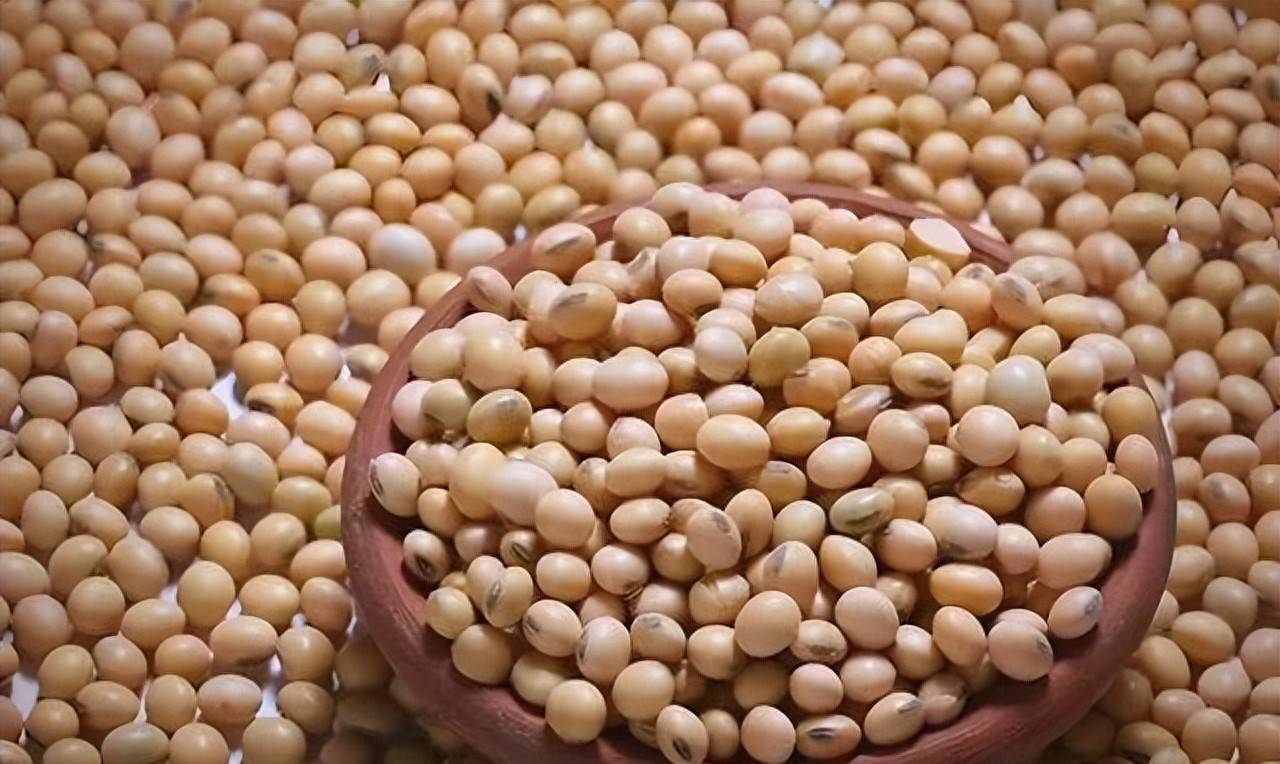
2025/26年度巴西大豆产量预计创历史新高
Shang Wu Bu Wang Zhan· 2025-11-22 14:29
Core Insights - Brazil's soybean production for the 2025/26 season is projected to reach a record high of 177.6 million tons, with exports expected to hit 112.1 million tons, also a historical peak [1] - The increase in soybean crushing is anticipated to rise to 59.37 million tons in 2026, driven by higher biodiesel blending mandates and sustained demand for protein in animal feed [1] - In contrast, Brazil's corn production for the 2025/26 season is expected to decline by 1.6% to 139 million tons compared to the previous year [1] Summary by Category Soybean Production and Exports - Brazil's soybean production is forecasted at 177.6 million tons for the 2025/26 season, marking a historical high [1] - Soybean exports are also expected to reach 112.1 million tons, setting a new record [1] Crushing and Demand Factors - The soybean crushing volume is projected to increase to 59.37 million tons in 2026, influenced by the rise in biodiesel blending ratios and ongoing demand for protein in animal feed [1] Corn Production - Brazil's corn production for the 2025/26 season is estimated at 139 million tons, reflecting a decrease of 1.6% from the previous year [1]
巴西反垄断机构决定2026年起恢复“黄豆禁伐令”
Xin Hua Cai Jing· 2025-10-03 03:17
Core Points - The Brazilian Administrative Council for Economic Defense (Cade) has ruled to reinstate the "Soybean Moratorium" starting January 1, 2026, after a temporary suspension [1][2] - The Soybean Moratorium is a self-regulatory agreement signed by major trading companies and exporters since 2008, prohibiting the purchase of soybeans produced on land cleared after 2008 in legally protected areas of the Amazon, despite compliance with the 2012 Forest Code [1][2] - The decision has sparked industry disagreements, with the Brazilian Vegetable Oil Industry Association (Abiove) supporting regulatory certainty, while the Mato Grosso Soybean and Corn Producers Association argues it infringes on the rights of lawful farmers [1][2] Industry Impact - The moratorium has been credited with reducing deforestation in the Amazon during critical periods and maintaining Brazil's sustainable agricultural image in international markets [2] - Some European retailers have urged Brazilian traders to continue sourcing soybeans only from areas not recently deforested, even during the moratorium's suspension [2] - Analysts suggest that Cade's decision will not only affect Brazil's agricultural production and export landscape but may also have significant implications for Brazil's image in international environmental and trade negotiations [2]