情感咨询

Search documents
中消协揭“情感经济”套路,建议推进情感咨询服务规范化建设
Sou Hu Cai Jing· 2026-02-05 12:35
Core Insights - The article highlights the rise of "loneliness economy" and "emotional consumption," indicating that some unscrupulous businesses exploit emotionally vulnerable consumers through anxiety marketing and emotional manipulation [1] Group 1: Consumer Complaints - Complaints are characterized by high amounts, strong inducement, and clear psychological manipulation [1] - Businesses use various tactics to induce consumption, such as fabricating personas or using high-status language to promote emotional guidance services that lack substantial content [1] - Difficulty in obtaining refunds is prevalent, as businesses often refuse to refund by claiming it is a "personal decision" or impose high fees through unfair terms [1] - Complaints often involve a tiered inducement model, where initial low-cost entry leads to continuous upselling or tipping [1] Group 2: Case Study - A consumer reported being lured into purchasing emotional consultation services through a video platform, initially paying 599 yuan and later being upsold to courses costing 2,999 yuan and 8,888 yuan [2] - The services provided were primarily low-quality recorded videos, lacking personalized analysis or solutions for the consumer's emotional issues, leading to a total expenditure of 12,486 yuan [2] - The consumer's complaints included false advertising, inducement to consume, and services not aligning with contractual agreements, ultimately seeking a refund [2] Group 3: Recommendations - The consumer association suggests that relevant authorities enhance industry management, clarify the boundaries of psychological counseling, mental health treatment, and emotional consulting, and establish unified service quality assessment standards [3] - It is recommended to raise qualification requirements and training standards for personnel in the emotional consulting field to promote regulatory development [3] - Consumers are advised to remain rational regarding emotional consulting courses and to be cautious of exaggerated claims such as "guaranteed recovery" or "rapid emotional intelligence improvement" [3] - Awareness of the virtual nature of online personas is emphasized, urging consumers to think carefully before making transfers or payments to avoid falling into "gentle traps" [3]
情绪消费的“增长点”绝不是升级焦虑
Xin Lang Cai Jing· 2025-12-22 17:13
Core Insights - The article discusses the emergence of "emotional economy" as a trend in consumer behavior, highlighting a shift from "cost-performance" to "emotional value" among younger consumers [1][2] - It emphasizes the dual nature of emotional consumption, where it can provide comfort and joy but can also lead to anxiety-driven marketing practices that exploit consumer emotions [2][3] Group 1: Emotional Consumption Trends - The term "谷子(经济)" represents the emotional economy, indicating a growing trend where consumers prioritize emotional satisfaction over mere cost [1] - Products like trendy toys and virtual goods serve as emotional outlets for young consumers, fulfilling their psychological needs and contributing to new economic growth [1][2] Group 2: Negative Marketing Practices - Some businesses exploit consumer anxiety by creating a sense of urgency around products, such as limited edition blind boxes and exaggerated claims in the beauty industry [2] - This leads to a misperception among young consumers that happiness is directly tied to spending, resulting in financial and emotional burdens [2] Group 3: Recommendations for Stakeholders - To realign emotional consumption with its original intent, consumers should develop rational spending habits and be cautious of marketing traps [3] - Businesses are encouraged to focus on genuine emotional support rather than exaggerated marketing tactics, while regulatory bodies should address misleading advertising and price inflation [3] - The core strength of emotional consumption lies in authentic human care, which can transform it into a sustainable and heartwarming force [3]
把“相亲分析”当成恋爱指南?揭秘网络“婚恋军师”背后暗藏套路
Bei Jing Wan Bao· 2025-10-22 08:37
Core Viewpoint - The rise of "matchmaking analysts" and "relationship strategists" on social media platforms reflects a growing distrust in traditional matchmaking methods among young people, who seek to quantify and analyze potential partners through subjective assessments and formulas [1][2][12] Group 1: Emergence of Matchmaking Analysts - The popularity of "matchmaking analysts" has surged due to the prevalent issue of exaggerated claims and hidden flaws in introductions made by others [2][3] - Many young individuals have shared their bizarre experiences with matchmaking, leading to a general skepticism towards the process [2][3] Group 2: Analysis Techniques - Analysts claim to strip away exaggerations from introductions, providing a more accurate portrayal of potential partners [2][4] - They utilize subjective interpretations to label individuals, often leading to negative characterizations without any factual basis [4][6] Group 3: Quantification of Matchmaking - Analysts create scoring systems to quantify various attributes such as height, income, and education, which some viewers find uncomfortable and objectifying [7][8] - The content produced by these analysts often follows a similar format, indicating a lack of originality and depth in their analyses [8] Group 4: Monetization and Consumer Experience - While initial consultations may be free or low-cost, many analysts lead clients into paid services that often provide generic, template-based responses [8][9] - Users have reported feeling misled by the services, with many experiencing dissatisfaction and financial loss due to the lack of personalized advice [9][10][11] Group 5: Societal Implications - The trend of "matchmaking analysts" highlights a broader societal anxiety regarding relationships and the quest for individuality in partner selection [12][13] - The reliance on these analysts may foster distrust and superficiality in interpersonal relationships, as they promote a transactional view of love and companionship [12][13]
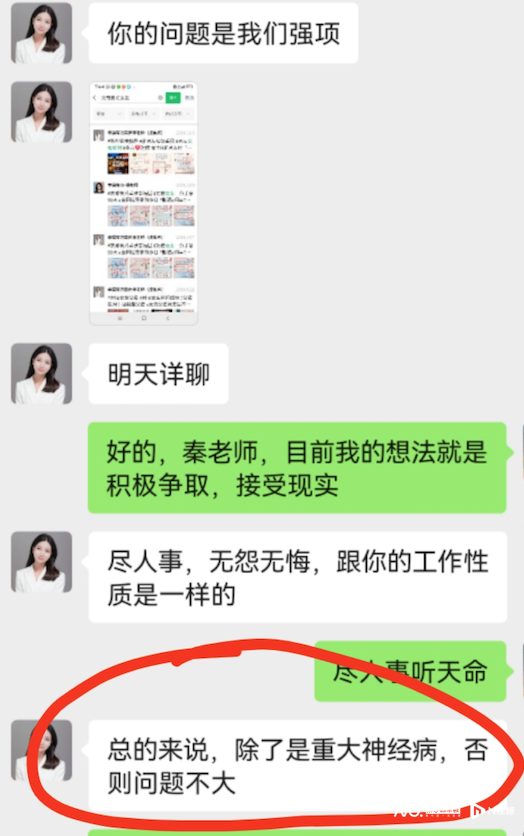
19天花费超3万挽回女友?多名消费者投诉遭遇情感咨询陷阱
Nan Fang Du Shi Bao· 2025-03-24 08:58
Core Viewpoint - The article highlights the growing issue of consumers falling victim to emotional consulting services that promise to help them regain lost relationships, often leading to significant financial losses without delivering the promised results [2][4][10]. Group 1: Consumer Experiences - Many consumers report spending thousands to tens of thousands of yuan on emotional consulting services, only to find themselves disappointed and financially drained, with one individual spending 31,879 yuan over 33 days [2][5][11]. - Consumers like Sheng Shiqi and Li Peng experienced similar situations where they were lured into purchasing multiple services under the guise of emotional support and relationship recovery, often feeling manipulated by the consultants [5][11][15]. - The services provided often included vague promises and lacked concrete results, with consumers expressing frustration over the disparity between what was promised and what was delivered [15][30]. Group 2: Service Providers and Practices - Emotional consulting firms, such as "Happiness Youfang" and "Dream of the Beginning," have been accused of using manipulative tactics to induce consumers to spend more money on services that do not guarantee success [10][18][23]. - These firms often present themselves as having high success rates and numerous success stories, yet they do not provide clear contractual commitments regarding the outcomes of their services [33][38]. - The services offered typically include vague guidance on communication and emotional management, with many consumers feeling that the actual support provided was minimal and more akin to casual conversation rather than professional counseling [15][30]. Group 3: Regulatory and Ethical Concerns - The lack of clear regulations and oversight in the emotional consulting industry has led to widespread consumer complaints about deceptive practices and inadequate service delivery [2][4][10]. - Consumers have reported difficulties in obtaining refunds or halting services once they realize the ineffectiveness of the consultations, often facing threats or additional charges from the service providers [30][32]. - Contracts signed by consumers often contain ambiguous terms that favor the service providers, making it challenging for consumers to seek recourse or refunds [30][32].