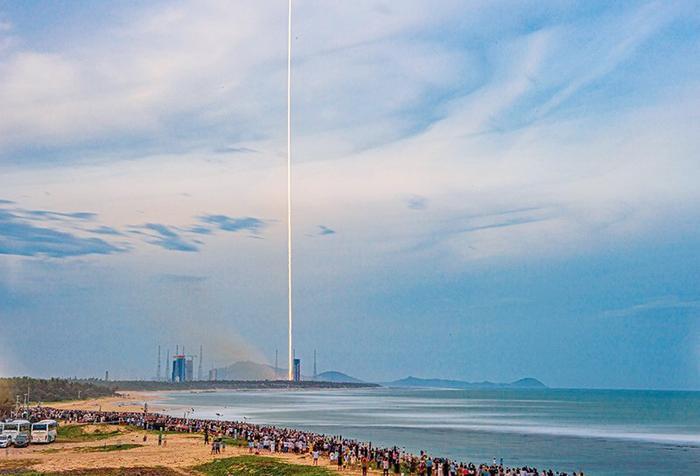
未来空间

Search documents
持续提升“五个中心”能级,上海拿出了施工图
第一财经· 2026-02-04 06:35
Core Viewpoint - Shanghai aims to achieve a GDP growth rate of around 5% for 2025, with a focus on enhancing its status as an international economic, financial, trade, shipping, and technological innovation center [3][5][12]. Group 1: Economic Goals and Projections - The main expected economic targets for Shanghai in 2025 include a GDP growth of approximately 5%, a 2% increase in local public budget revenue, and R&D expenditure reaching 4.6% of GDP [3][12]. - The "15th Five-Year Plan" outlines an average annual GDP growth target of around 5%, with potential growth levels estimated between 4.6% and 5.2% [3][12]. Group 2: Development of the "Five Centers" - The report emphasizes the continuous enhancement of the "Five Centers," which include international economic, financial, trade, shipping, and technological innovation centers [5][7]. - Specific initiatives include supporting industries such as smart connected vehicles, marine economy, low-altitude economy, aerospace, and satellite internet [5][11]. Group 3: New Quality Productivity - The focus is on integrating technological and industrial innovation to foster new quality productivity, including accelerating the application of major technological achievements and promoting intelligent, green, and integrated industrial development [9][10]. - Shanghai's R&D expenditure as a percentage of GDP reached approximately 4.5% in 2025, with significant growth in key industries like integrated circuits, biomedicine, and artificial intelligence [9][10]. Group 4: Modern Industrial System - The "2+3+6+6" modern industrial system aims to establish a world-class high-end industrial cluster, with a focus on traditional industry transformation and the development of three leading industries: integrated circuits, biomedicine, and artificial intelligence [10][13]. - By 2030, the plan targets that the total output value of strategic emerging industries will account for over 50% of the total industrial output value [12][13]. Group 5: Future Industry Layout - The report highlights the importance of forward-looking layouts in future industries, including quantum technology, brain-computer interfaces, and bio-manufacturing, to enhance Shanghai's competitive edge [14][12]. - The establishment of a reasonable investment mechanism for manufacturing and the promotion of collaboration between industry, academia, and research in emerging fields are emphasized [14][13].

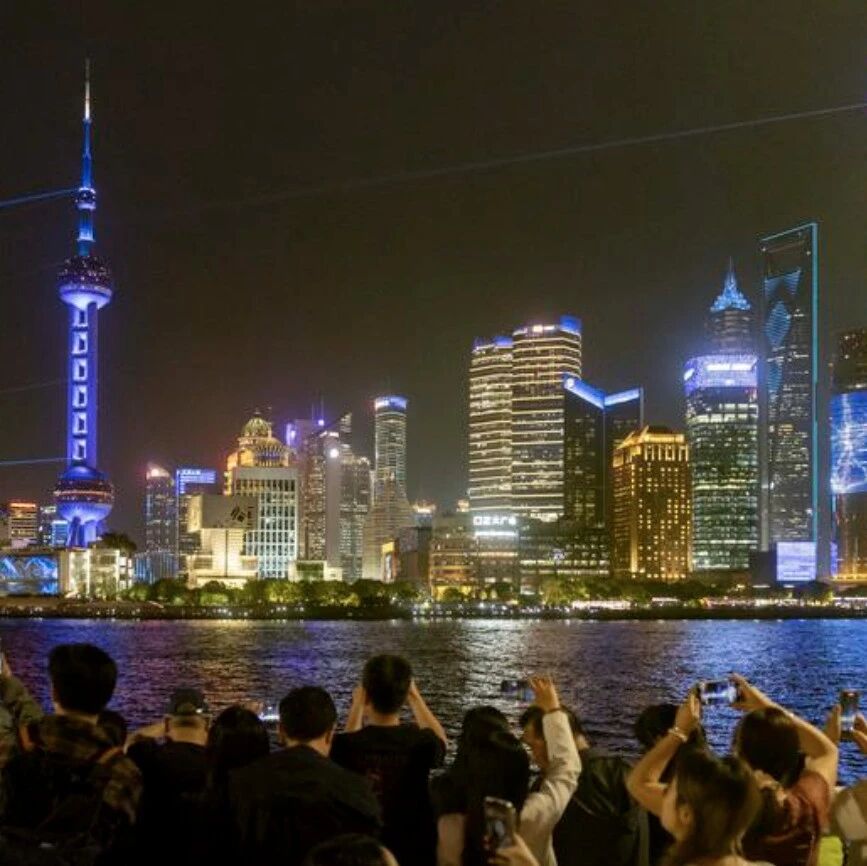
加速推进标志性项目建设
Qi Lu Wan Bao· 2026-01-20 01:40
Group 1 - The core viewpoint of the news is the establishment of the Sino-Singapore Jinan Future Industrial City as a new model for local cooperation and a demonstration of future industry development in Shandong Province, focusing on "future information, future energy, future space" as its main development directions [1][2] - The planned area of the Sino-Singapore Jinan Future Industrial City is 66 square kilometers, aiming to become a high-level open area for international cooperation and a green low-carbon city [1] - The city will develop a "3+X" future industrial system, extending cooperation into advanced fields such as robotics, intelligent networking, biobreeding, and new functional materials, in addition to its primary focus areas [1] Group 2 - The city will deepen cooperation with Singapore in areas such as ecological protection, urban operation, social governance, and digital-green integration, with a core area of 0.94 square kilometers currently under construction [2] - Jinan Xintou Group, as the leading cooperation entity, has signed 19 agreements with Singaporean companies, advancing 83 cooperation projects, and will continue to follow a government-led, market-driven model [2] - The ongoing development of the "3+X" future industrial system and the core area will position the city as a new symbol of Jinan's openness and a hub for future industries, contributing to ecological protection and high-quality development in the Yellow River Basin [2]
产业筑基 陕耀未来—2025未来产业系列对接活动(陕西行)即将启幕
Jin Tou Wang· 2025-12-22 03:28
Group 1 - The event "2025 Future Industry Series Docking Activity (Shaanxi)" aims to promote the development of future industries in Shaanxi Province, aligning with the central economic work conference's spirit and the implementation of policies for innovative industry development [1] - The main event will feature discussions on trends, results, and consensus-building, with top experts presenting in-depth reports on five cutting-edge areas: future information (photonics), embodied intelligence (robots), future materials (titanium and titanium alloys), future space (aviation and drones), and future energy (hydrogen) [2] - A series of significant outcomes, including industrial policies and think tank reports, will be showcased at the event, providing clear guidance for national and local future industry layouts [3] Group 2 - The event will include three specialized docking activities focusing on specific sectors: future information industry, future energy and space, and future materials, aimed at promoting resource matching and practical cooperation [4] - The activities are designed to facilitate communication and collaboration among enterprises, accelerating the transformation of cutting-edge technological achievements and promoting effective cooperation on high-quality projects [4] - The event is positioned to enhance the integration of innovation chains, industrial chains, capital chains, and talent chains, attracting quality projects, technologies, and talents to Shaanxi, thereby supporting the development of new productive forces and modern industrial systems [4]
视频|李迅雷:“十五五”最大亮点是“科技自立自强” 点名六大未来产业
Xin Lang Cai Jing· 2025-12-02 06:42
Core Insights - The 2025 Analyst Conference highlighted the importance of accelerating technological self-reliance as a key focus of the "14th Five-Year Plan" [1] Industry Opportunities - Future industries such as manufacturing, information technology, materials, energy, space, and health are expected to present significant development opportunities for companies [1]
瞭望 | 未来产业新使命
Xin Hua She· 2025-08-25 08:42
Core Insights - The future industry in China is projected to reach a value of approximately 11.7 trillion yuan in 2024, with estimates of 13.4 trillion yuan in 2025 and 15.5 trillion yuan in 2026, reflecting a compound annual growth rate of 15% [1][2] - Future industries are defined as emerging sectors driven by cutting-edge technologies, characterized by significant disruption and uncertainty [2][8] - The Chinese government aims to foster an environment that encourages innovation and tolerates failure, enhancing the autonomy and funding rights of research institutions to stimulate creativity [1][16] Industry Overview - Future industries encompass six key areas: future manufacturing, future information, future materials, future energy, future space, and future health [1] - The development of future industries is seen as a strategic pivot for technological advancement and industrial upgrading in China [1][8] Market Projections - The commercial space sector in China is expected to exceed 2.7 trillion yuan by 2025 and reach 3.3 trillion yuan by 2026 [5] - The satellite internet market is projected to reach 45 billion yuan by 2025, with a total of nearly 16,000 satellites planned [6] Technological Advancements - Breakthroughs in key technologies such as atomic-level manufacturing, hydrogen energy, and quantum information are driving the growth of future industries [5][6] - The atomic-level manufacturing sector is anticipated to achieve sales of 80 billion yuan in equipment and 20 billion yuan in related materials by 2024, with the potential to exceed 100 billion yuan within five years [5] Regional Development - Major regions like Beijing-Tianjin-Hebei, the Yangtze River Delta, and the Guangdong-Hong Kong-Macau Greater Bay Area are emerging as innovation hubs for future industries [7] - The Yangtze Economic Belt is exploring collaborative innovation models to enhance development in commercial aerospace and green energy [7] Characteristics of Future Industries - Future industries exhibit four notable characteristics: strategic significance, leading-edge technology, disruptive potential, and inherent uncertainty [8][9] - The development of future industries is influenced by the interplay of supply and demand, with technological breakthroughs creating new market needs [9] Challenges and Recommendations - Key challenges include strengthening the technological foundation, enhancing systemic planning, ensuring long-term investment, and improving regulatory frameworks [10][11] - Recommendations for fostering future industries include establishing a supportive capital investment mechanism, enhancing collaboration across the industry chain, and promoting flexible funding models [12][13][18]