
楼宇经济

Search documents
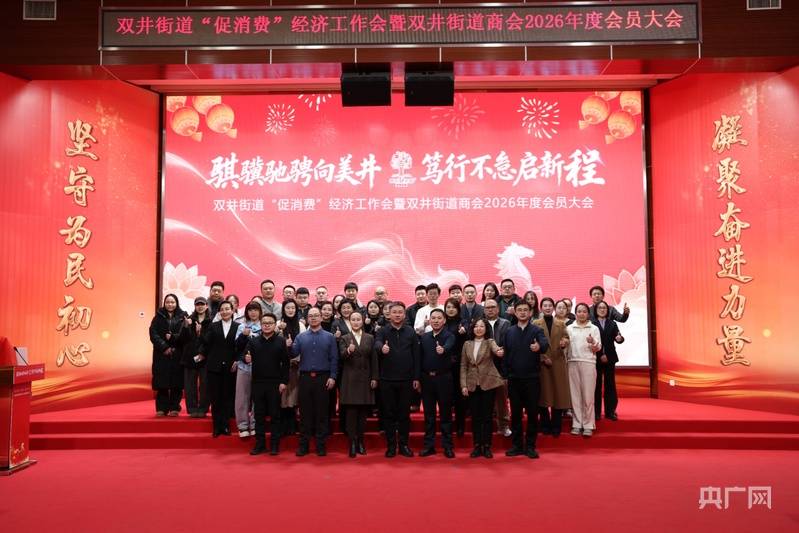
北京朝阳区双井街道商会年度会员大会举行
Sou Hu Cai Jing· 2026-02-10 04:17
Core Insights - The conference held on February 6 in Chaoyang District, Beijing, focused on promoting consumption and summarizing past achievements while discussing future development plans [1][2] Group 1: Economic Development Initiatives - The conference highlighted the annual "report card" showcasing the Chamber of Commerce's services to enterprises and benefits to the public, emphasizing practical measures for high-quality regional economic development [2] - The "Shanhewan Valley" innovation area was presented as a key opportunity for regional development, aiming to enhance the local economy through collaboration between government and enterprises [2][3] Group 2: Member Engagement and Support - The Chamber of Commerce plans to deepen engagement with member enterprises in the building economy and modern commerce, utilizing initiatives like "Government-Enterprise Direct Connection" and "Building Service Stations" to meet enterprise needs [2] - A special public welfare fund for new employment groups, including delivery workers, will be established to provide emergency assistance and skills training, reflecting the social responsibility of private enterprises [2][3] Group 3: Recognition and Collaboration - Outstanding member enterprises were recognized for their performance in innovation, social responsibility, and collaboration, encouraging them to lead in high-quality regional development [3] - The conference also announced a "Chamber + Miyun + Enterprise Alliance" agricultural assistance plan to facilitate the procurement of agricultural products, enhancing the connection between rural and urban economies [4] Group 4: Future Plans and Consumer Engagement - The first quarter of 2026 will see the launch of a "Consumption Season" with various promotional activities across four major commercial complexes, aimed at stimulating consumer spending and enhancing the vibrancy of the business district [4] - The district aims to continue collaborating with the Chamber and enterprises to foster high-quality development through practical actions, innovation, and collaboration [4]

让楼宇经济“活”起来
Xin Lang Cai Jing· 2026-01-14 23:47
Group 1 - The core viewpoint emphasizes the importance of revitalizing existing resources and optimizing the business environment to stimulate economic growth and consumer spending [1][2] - The company aims to facilitate connections between idle spaces and growing enterprises through organized events such as building investment and demand negotiation meetings [1] - There is a focus on enhancing service quality and creating distinctive features in business buildings to attract and retain companies, thereby fostering a vibrant consumer environment [1] Group 2 - The proposal includes recommendations for the government to strengthen guidance and market operations by classifying and promoting existing commercial buildings with tailored strategies [2] - Encouragement for building operators to improve professional service capabilities and integrate smart management platforms for comprehensive support in areas like legal consulting and financing [2] - The establishment of an industrial ecosystem around buildings is suggested to promote the clustering of enterprises within the same industry or complementary sectors, fostering collaborative development [2]
智者勇进 接续奋进新江苏| 南京市鼓楼区:锚定高质量发展 谱写“十五五”新篇章
Yang Zi Wan Bao Wang· 2025-12-18 10:12
Economic Growth - Nanjing's Gulou District has achieved a GDP exceeding 200 billion yuan in 2023, with a target of reaching 220 billion yuan this year, showcasing resilience and vitality in economic development [1] - The district aims for a total economic output of 290 billion yuan by 2030, with aspirations to reach 300 billion yuan, emphasizing its role as a model for high-quality growth [1] Headquarters Economy - The headquarters economy in Gulou District is thriving, with 125 large-scale buildings and a total commercial area of approximately 3.81 million square meters [3] - The district is home to 31 buildings generating over 100 million yuan in tax revenue, and 5 buildings generating over 1 billion yuan, ranking among the top in Nanjing [3] - Gulou District has attracted 46 central enterprises and over 200 branch offices, earning recognition as the top district for central enterprise recruitment services in Jiangsu [3] Technological Innovation - The establishment of the East China branch of the International Trading Center for Electronic Components and Integrated Circuits in Gulou District highlights its appeal as a prime location for central enterprises [4] - A partnership between Gulou District and China Pharmaceutical University aims to create a National University Science Park, focusing on biomedicine and innovation [6] - The district is also developing a cross-disciplinary research institute in collaboration with Nanjing University, focusing on brain-computer interface technology [9] Social Services and Welfare - Gulou District has launched AI-driven smart services to enhance community welfare, including initiatives for elderly care and child education [11] - The district provides free childcare services for children aged 0-3, aiming to alleviate parenting pressures and promote scientific parenting concepts [11]
熊征宇调研东湖高新区、江岸区时强调:抬升发展标杆,提振“四气”精神,当好全力打造“五个中心”、全面建设现代化大武汉的排头兵
Chang Jiang Ri Bao· 2025-12-03 00:40
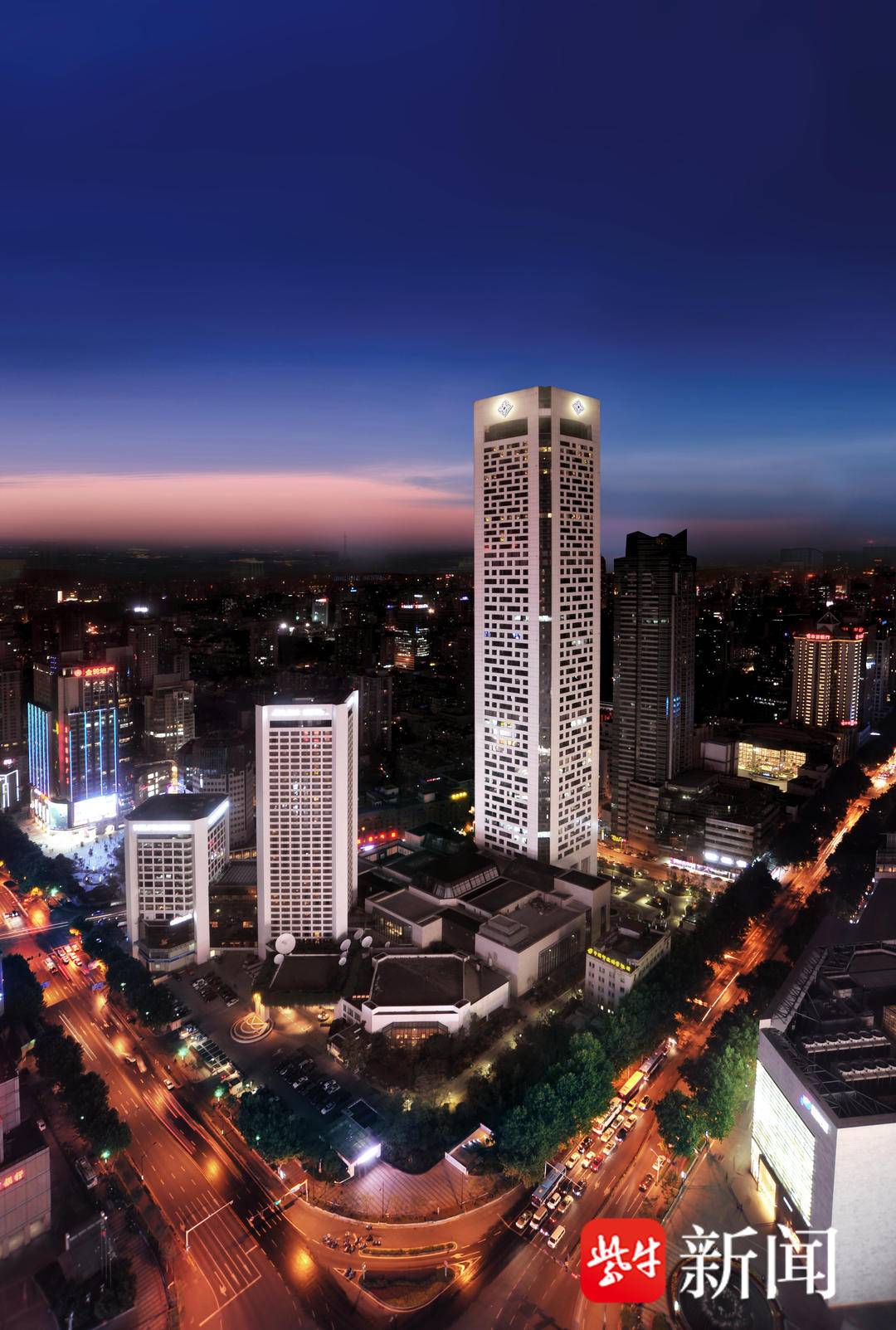
Core Insights - The city is focusing on high-quality development and modernization, emphasizing the importance of technology innovation and economic transformation [1][2] Group 1: East Lake High-tech Zone - The East Lake High-tech Zone is identified as a leader in high-quality development and modernization, aiming to become a nationally influential technology innovation center [1] - The city plans to enhance the integration of technological and industrial innovation, accelerate the construction of East Lake Science City, and promote the development of "China Optics Valley" into a global hub [1] Group 2: Jiang'an District - Jiang'an District is recognized for its potential in headquarters economy and historical preservation, with a focus on urban renewal and improving environmental quality [2] - The district aims to develop digital economy and building economy, while also upgrading industries such as commerce, finance, construction, and design [2] Group 3: Economic Strategy - As the year-end approaches, there is a call for urgency in completing annual goals, enhancing economic operation management, and providing precise services to enterprises [2] - The city is preparing for next year's development by formulating the "15th Five-Year Plan" to ensure a strong start to the new year [2]

2025金融街论坛楼宇经济发展论坛举行
Jing Ji Guan Cha Wang· 2025-11-21 06:15
Core Insights - The forum emphasized the theme of "Collaborative Creation and Ecological Co-construction," focusing on new dynamics and innovative service paths for high-quality development in the building economy amidst profound changes in the real estate industry [1][2][3] Group 1: Policy and Government Initiatives - The government of Xicheng District is enhancing the building economy policy framework and service ecosystem, promoting high-end industries such as wealth management and financial technology through initiatives like the "Ten Financial Services Measures" [1] - The district is also advancing smart building construction to integrate digital technology with the real economy, aiming to transform buildings from mere "space providers" to "value co-creators" [1] Group 2: Market Outlook and Economic Analysis - The former chief economist of the Ministry of Housing and Urban-Rural Development expressed confidence in the core building market of China's first-tier cities, highlighting the irreplaceable value of locations like Beijing's financial district [2] - Long-term structural opportunities are expected to arise as a result of effective government policies aimed at stabilizing the real estate market, encouraging a shift towards high-quality operational services [2] Group 3: Industry Trends and Innovations - A consensus emerged that the building economy has entered a new development stage characterized by "operation, content, and ecology as kings," moving beyond reliance on geographical and hardware advantages [3] - The focus is now on creating a symbiotic industrial ecosystem through precise policy guidance, cutting-edge technology applications, and mature financial services to preserve and enhance asset value in a stock-driven market [3]

13栋楼宇年税收破亿,奎文楼宇经济如何成为城市发展的新引擎?
Qi Lu Wan Bao Wang· 2025-09-23 03:35
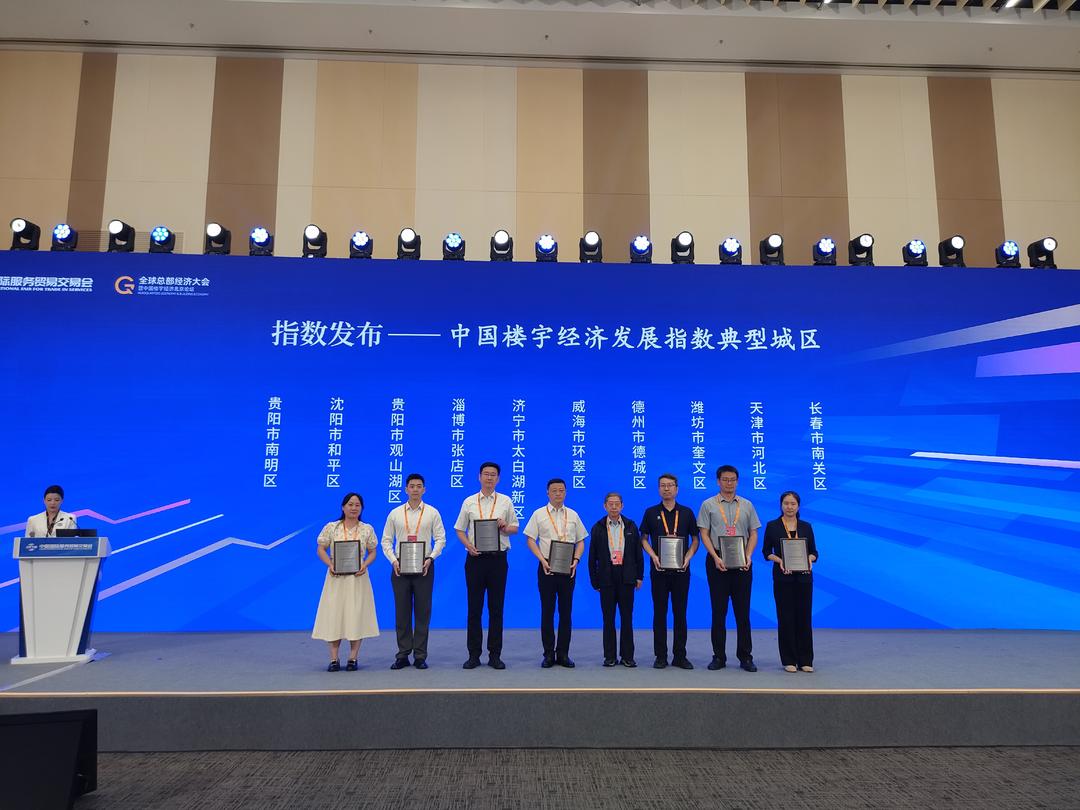
Core Insights - The article highlights the recognition of Kuiwen District as a model for the development of the building economy in China, showcasing its innovative practices and achievements in enhancing economic vitality through building operations and enterprise services [1][4]. Group 1: Building Economy Development - Kuiwen District has been awarded the title of "Typical District for Building Economy Development Index" and has implemented practices that have been included in the "Research Report on High-Quality Urban Development" [1]. - The district has established 117 commercial buildings with over 9,300 enterprises, contributing more than 60% of the total tax revenue from the building economy [1][4]. - The building economy has become a dual model for headquarters and building economy development in Weifang City, with 26 buildings generating over 50 million yuan in annual tax revenue and 13 exceeding 100 million yuan [1]. Group 2: Innovative Mechanisms - The government has shifted from a "government-led" approach to a "multi-party co-governance" model, actively engaging with enterprises and building operators to create a collaborative development ecosystem [3]. - A building economic development service center has been established, along with 8 street operation teams and 47 joint operation teams, to enhance service delivery and support for enterprises [3][4]. - Various activities have been organized to address enterprise needs, including 28 promotional events and 174 service delivery sessions, benefiting over 4,000 enterprises [3]. Group 3: Industry Cultivation - The district has formed the Weifang Building Economic Development Alliance, promoting collaboration among key building operators and industry-leading enterprises [4]. - Specialized associations have been established in various sectors, such as animation, pet industry, and e-commerce, fostering industry cooperation and resource sharing [4]. - The electronic commerce association has secured a 3% discount on express delivery for local e-commerce enterprises, demonstrating the benefits of industry collaboration [4]. Group 4: Operational Innovation - The "6+3" building operation model has been introduced, transforming buildings from mere office spaces into vibrant industrial communities [6][12]. - Internal communication among enterprises within buildings has been enhanced through organized activities, creating a "familiar social circle" that promotes mutual cooperation [7]. - A comprehensive service manual has been developed to assist enterprises with various business and lifestyle needs, optimizing the business environment [8]. Group 5: Brand Development - The district has launched the first provincial brand identifier in the building economy sector, "Building Economy Looks at Kuiwen," aimed at enhancing regional influence and attracting more enterprises [11]. - The establishment of a digital platform for building economic development has improved transparency and service efficiency, facilitating better enterprise engagement [10]. - Recognition at the national level, including titles such as "Top Ten Vibrant Districts for Building Economy," underscores the district's commitment to building a strong brand in the sector [11].

徐州市夯实主城区现代服务业主阵地
Sou Hu Cai Jing· 2025-08-12 23:15
Core Viewpoint - The main urban areas of Xuzhou, including Gulou District, Yunlong District, and Quanshan District, are becoming the "core engine" for high-quality regional economic development, with a GDP of 84.067 billion yuan in the first half of the year, reflecting a year-on-year growth of 5.2% [2] Mechanism Innovation - Xuzhou's main urban areas have established a comprehensive development support system to drive high-quality economic growth through institutional innovation and systematic mechanism construction [2][3] - The city government has created a clear development roadmap for the three districts, focusing on industrial goals and key tasks, enhancing clarity and direction for development [3] - A high-quality development scheduling mechanism has been established to ensure that key projects transition from planning to implementation [3] Resource Support - The establishment of the "Main Urban Area Industrial Development Fund" and the allocation of 60 million yuan in economic incentive funds are aimed at supporting project implementation [4] - A joint mechanism for urban industrial land has been created, ensuring land availability for industrial development while promoting efficient land use [4] - The introduction of a new management mechanism with specific tasks and project lists has led to a significant investment completion rate of 54.4% for key projects [4] Industrial Upgrading - The urban areas are focusing on activating new development momentum through targeted policies, enhancing the modern service industry [5] - The "building economy" has transformed from merely providing space to becoming a high-efficiency economic zone, with significant tax revenue generated from key buildings [5] - The "park economy" is evolving from single manufacturing to a service-manufacturing integration model, with substantial revenue growth reported in various industrial parks [6] Project-Driven Growth - The focus on high-quality projects is seen as essential for economic growth, with 178 key industrial projects being accelerated [9] - Investment completion rates vary by district, with Gulou District achieving a completion rate of 58.4% and Quanshan District at 49.7% [9] Future Development Focus - Xuzhou's main urban areas will concentrate on addressing weaknesses in consumption, headquarters cultivation, and industrial integration to sustain economic recovery [11] - The city aims to attract major companies and expedite the construction of key projects to enhance local tax revenue and economic activity [11]
长三角10城代表“City Walk”上城区
Hang Zhou Ri Bao· 2025-05-20 03:08
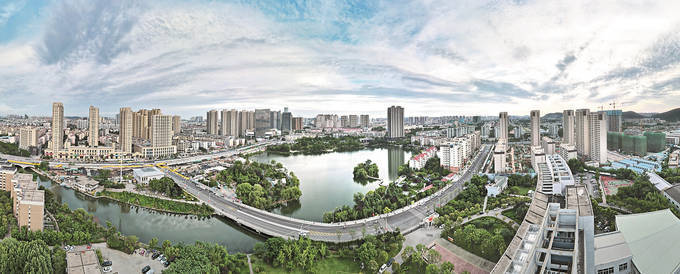
Group 1 - The event "City Walk" gathered over 40 representatives from 10 cities in the Yangtze River Delta to discuss the vitality of building economies and the integration of the region [1] - The initiative aims to implement the national strategy for the integrated development of the Yangtze River Delta and promote high-quality development of building economies [1] - A "Seven Ones" brand project was proposed to establish a mechanism for building economy brand creation, with building interaction experience activities being a key component [1] Group 2 - Hangzhou, as a historical and cultural city, plays a crucial role in the transformation of urban and economic development through its building construction and development [1] - The deputy district head of Shangcheng District expressed the hope to enhance regional cooperation and explore new paths for urban renewal, cultural heritage, and tourism integration [2] - Representatives visited various sites, including the Qianjiang New City Central Business District and the "Billion Avenue" Fuchun Road, to appreciate the skyline and engage in discussions on building economy brand development [2]