计算机等电子设备制造业

Search documents
输入性通胀、物价口径修正、AI传导、PPI何时转正
Sou Hu Cai Jing· 2026-02-12 03:38
在低基数、AI相关行业需求延续的背景下,PPI可能在二季度个别月份转正,但持续性取决于房地产投资能否见底企稳。 文:国金宏观宋雪涛/联系人孙永乐 2026年的第一份物价数据报告出炉,1月CPI同比因春节错位下滑0.6个百分点至0.2%,但在输入性通胀的带动下,PPI同比上行0.5个百分点至-1.4%。以此 估算,1月GDP平减指数同比在-0.4%左右。 对于1月物价,我们认为有三个方面值得关注: 第一,物价数据口径修正的影响较小。 2026年物价数据迎来了五年一次的基期轮换,此次基期轮换对CPI和PPI各月同比指数的影响平均约为0.06和0.08个百分点,总体较小。 从类别上看,CPI在总类别不变的情况下(8大类、268基本分类),通过删减、合并等方式增加了一部分与新消费相关的商品价格如医疗美容服务、车用 电力、互联网医疗服务等等。同时,新增了新增计算出行服务价格指数数据。 从CPI权重上看,本轮基期CPI各分类权数总体变动不大。2025年食品烟酒及在外餐饮、衣着、居住、生活用品及服务、交通通信、教育文化娱乐、医疗 保健、其他用品及服务八个大类的权数分别为29.5%、5.4%、22.1%、5.5%、14.3% ...

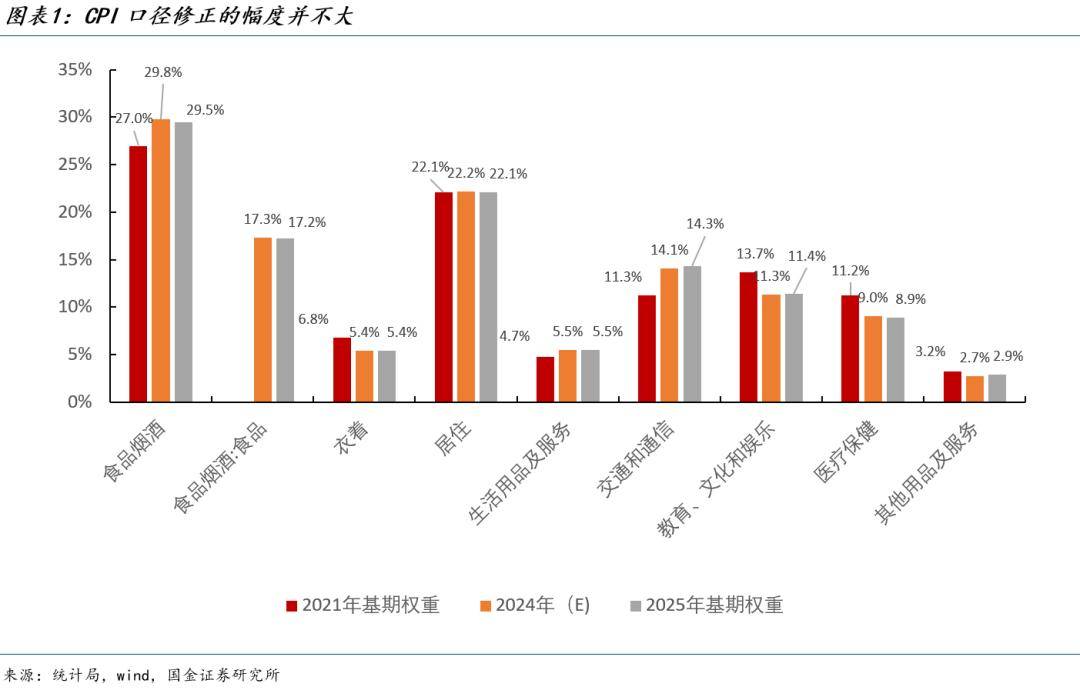
输入性通胀、物价口径修正、AI传导、PPI何时转正(国金宏观孙永乐)
雪涛宏观笔记· 2026-02-12 03:22
Core Viewpoint - The PPI may turn positive in certain months of Q2 2026 due to low base effects and sustained demand in AI-related industries, but its sustainability depends on whether real estate investment stabilizes [2][17]. Group 1: Price Data Overview - In January 2026, the CPI decreased by 0.6 percentage points year-on-year to 0.2%, while the PPI increased by 0.5 percentage points to -1.4% due to input inflation [4]. - The impact of the price data revision is minimal, with the average effect on CPI and PPI year-on-year indices being approximately 0.06 and 0.08 percentage points, respectively [5]. - The weight distribution of CPI categories remains largely unchanged, with food, clothing, and housing accounting for significant portions of the index [5]. Group 2: Industry Contributions to PPI - The weight of midstream industries like electrical machinery and electronic equipment manufacturing, as well as non-ferrous metals, has steadily increased, while the share of black-related and downstream industries has slightly decreased [6]. - Gold prices have significantly supported CPI, contributing 0.3 percentage points, while AI-related investments have driven PPI up by 0.9 percentage points [8]. - In January, the PPI for non-ferrous metal mining and smelting industries rose by 22.7% and 17.1% year-on-year, respectively, contributing 1.1 percentage points to the PPI increase [8]. Group 3: Future PPI Trends - The PPI is expected to turn positive in Q2 2026, with tail effects contributing to this change, potentially moving from -1.5 percentage points at the beginning of the year to around +0.4 percentage points by July [13]. - If the PPI's month-on-month average stabilizes above 0%, it could lead to a positive year-on-year PPI by June, with a potential increase of around 1% [16]. - The sustainability of price increases will depend on downstream demand and the stabilization of real estate investments, which have been a drag on PPI due to declining property investments [17].