
防务承包

Search documents
地缘技术|“武士精神”正在重回硅谷
Xin Lang Cai Jing· 2026-01-06 23:41
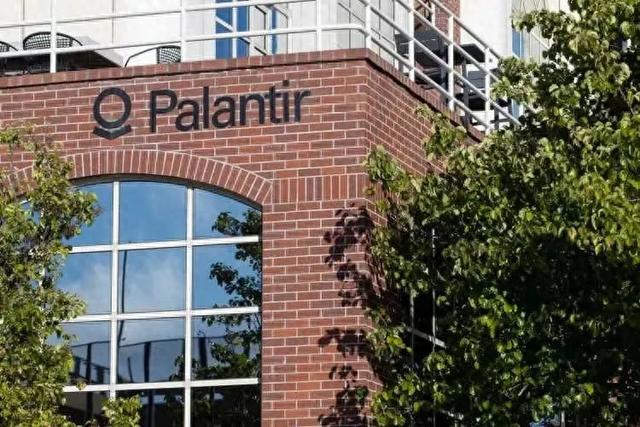
Core Insights - Palantir Technologies, founded by Peter Thiel, has established itself as a significant player in the U.S. military-industrial complex, surpassing traditional defense contractors like Raytheon [3] - The company signed a $10 billion long-term contract with the U.S. Army in August 2025 to provide data support and software services over the next decade, marking the largest digital military contract awarded to a tech company [3] - The relationship between Silicon Valley and U.S. military security strategy has deep historical roots, with technological advancements often driven by military needs [5][6] Group 1: Company Overview - Palantir is a software and big data technology company based in Silicon Valley, co-founded by Peter Thiel, who is also known for his book "Zero to One" [1] - The CEO, Alexander Karp, is a notable figure with a Ph.D. from Goethe University and has been actively involved in public debates on technology and ethics [3] Group 2: Military Contracts and Collaborations - The $10 billion contract with the U.S. Army is a significant milestone for Palantir, emphasizing its role in modern military operations [3] - The U.S. Department of Defense has increasingly relied on Silicon Valley for technological advancements, with companies like Palantir benefiting from military contracts [6][7] Group 3: Technological Innovation and Defense Strategy - The emergence of new technologies such as artificial intelligence and quantum computing is central to U.S. military strategy, particularly in response to China's advancements [8][9] - The U.S. military is focusing on creating a "data-driven, AI-enabled army" to counter challenges posed by China, with initiatives like the "Replicator" project aimed at deploying low-cost autonomous systems [8][9] Group 4: Impact of Global Conflicts - The ongoing Russia-Ukraine conflict has accelerated the adoption of emerging technologies in military operations, benefiting companies like Palantir and Anduril [10] - The U.S. Department of Defense's Project Maven aims to leverage AI for military applications, with Palantir playing a crucial role in developing the necessary data integration platforms [12] Group 5: Geopolitical Context - The U.S. government's strategic focus on countering China's military capabilities has led to increased investments in defense technology, with Palantir positioned to capitalize on this trend [14] - The narrative of a "China threat" is being utilized by Silicon Valley companies to secure funding and contracts, with Palantir's software being used to monitor Chinese activities [14]


委内瑞拉局势震动后避险资产跳涨
Xin Lang Cai Jing· 2026-01-05 15:23
Group 1 - Investors reacted positively to the capture of Venezuelan President Nicolás Maduro by the U.S. [1] - Gold and silver prices surged significantly following the news [1] - U.S. defense stocks experienced an increase in value [1] Group 2 - Energy stocks, including Chevron (CVX), strengthened despite crude oil prices remaining stable [1] - European defense contractors BAE Systems (LSE: BA.) and Rheinmetall (ETR: RHM) also saw their stock prices rise [1]

英特尔之后特朗普瞄准谁?高官暗示军工、造船业,洛克希德·马丁被点名
Hua Er Jie Jian Wen· 2025-08-27 19:19
Core Viewpoint - The Trump administration is considering applying the government equity acquisition model used in the Intel deal to other key industries, including defense contractors like Lockheed Martin and shipbuilding companies [1][2][3]. Group 1: Government Equity Acquisition - The Trump administration recently acquired approximately 10% of Intel's shares for about $11 billion, funded through the CHIPS Act [2]. - Following the Intel acquisition, the administration is exploring potential investments in other critical industries, emphasizing the need for self-sufficiency in sectors like shipbuilding [2][3]. - The Secretary of the Treasury indicated that the government is not considering acquiring shares in Nvidia, stating that it does not require financial support [2]. Group 2: Defense Industry Focus - The Department of Defense is actively discussing the possibility of acquiring shares in major defense contractors, particularly Lockheed Martin, which derives 97% of its revenue from the U.S. government [3]. - The administration is reassessing how the government funds military and defense capabilities, suggesting a shift from previous funding practices [3]. Group 3: Political Reactions - There is a divide among Republican lawmakers regarding the government's acquisition of Intel shares, with some expressing opposition to government ownership of companies [6]. - Critics warn that government ownership could lead to corporate decisions being influenced more by political considerations than by business interests [6].


美国总统特朗普:我们将加大向防务承包商施压的力度。他们的制造速度太慢了。
news flash· 2025-07-08 16:20
Core Viewpoint - The U.S. government, led by President Trump, plans to increase pressure on defense contractors due to their slow manufacturing speeds [1] Group 1 - The administration is focusing on enhancing the efficiency of defense contractors to meet military needs [1] - There is a clear expectation from the government for faster production timelines from these contractors [1]